
Wildlife in Great Barrier Reef
44 wildlife species189 photos
Area outline: © Commonwealth of Australia (Department of the Environment) 2013, CC BY 3.0 AU · Licence
Protect wildlife here
Four things to do whenever you meet wildlife.
Keep your distance
Watch from a distance, and never follow or approach.
Never feed
Feeding changes how they behave and what they eat.
Keep pets close
Under control, or left at home.
Give them room
Extra space when they are mating, nesting, raising young or wintering.
Based on the Respect Wildlife principle from Leave No Trace. Leave No Trace Seven Principles © 1999 by the Leave No Trace Center for Outdoor Ethics: www.LNT.org
Meet the people keeping it wild
Conservation groups protecting wildlife at Great Barrier Reef.
 The Ocean Agency
50 Reefs Initiative
A science-led plan identifying the coral reefs most likely to survive climate change and reseed their neighbours, used to target global conservation funding.
Great Barrier ReefLearn moreManta Trust
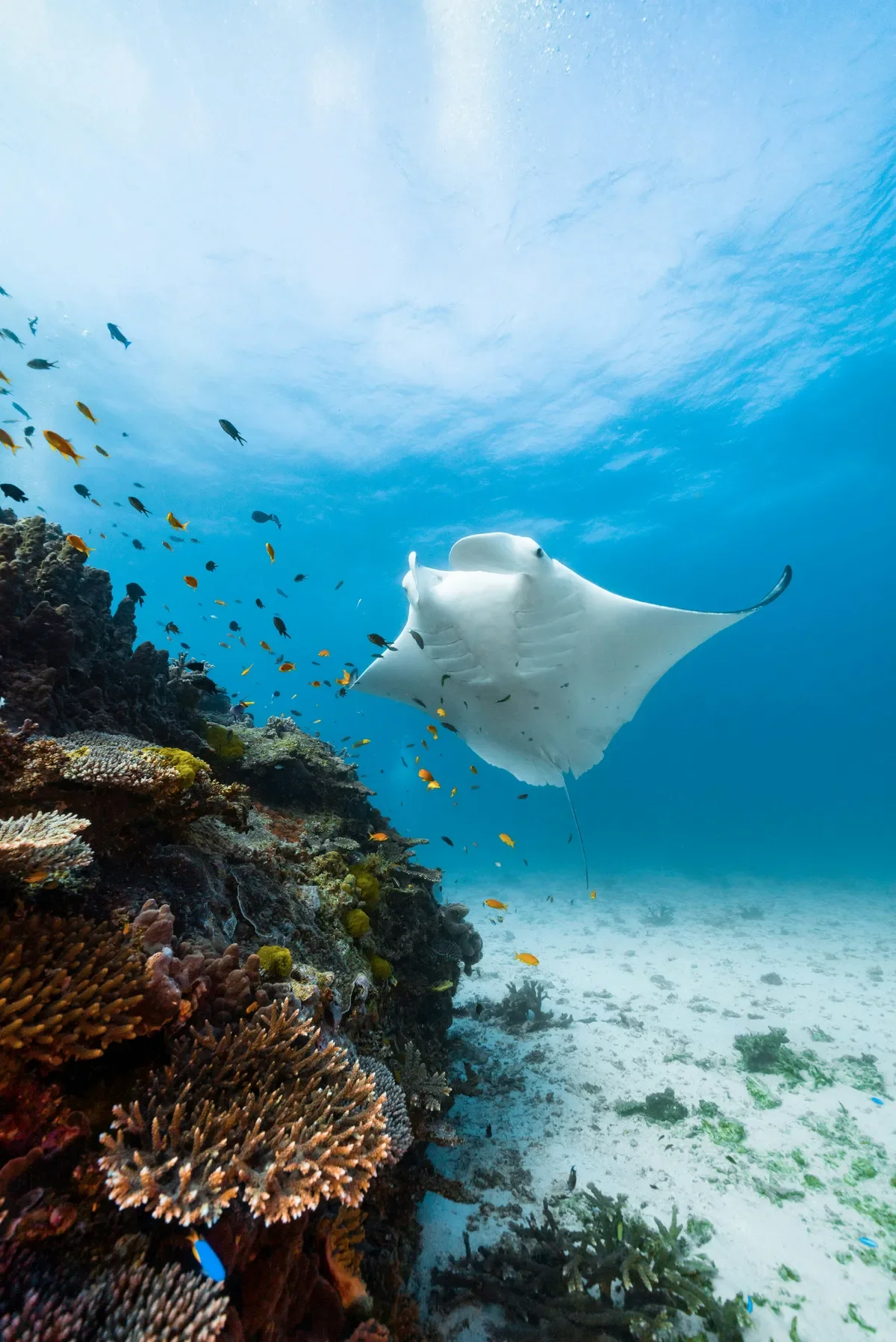
Maldives Manta Conservation Programme
The founding project of the Manta Trust and one of the longest-running manta studies in the world, identifying individual rays by their belly spots across 26 atolls.
Reef Manta RaysOceanic Manta RaysLearn more
Community feed for Great Barrier Reef

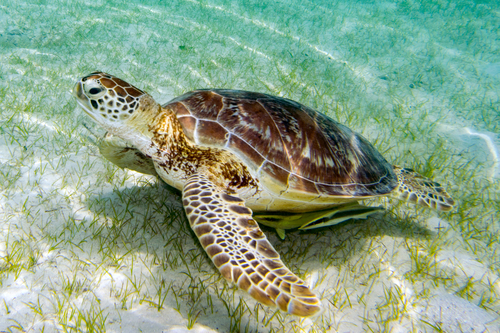
Sea Turtles · Least Concern
Paul Asman and Jill Lenoble · CC BY · iNaturalist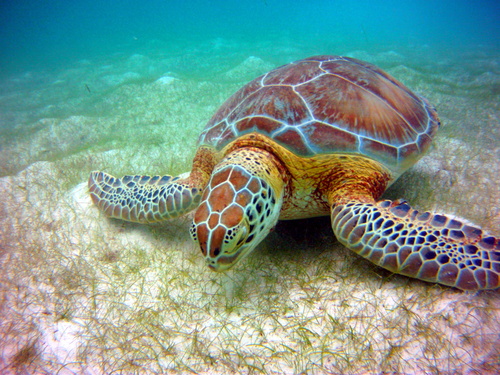 Andresvilla92 · CC BY-SA · iNaturalist
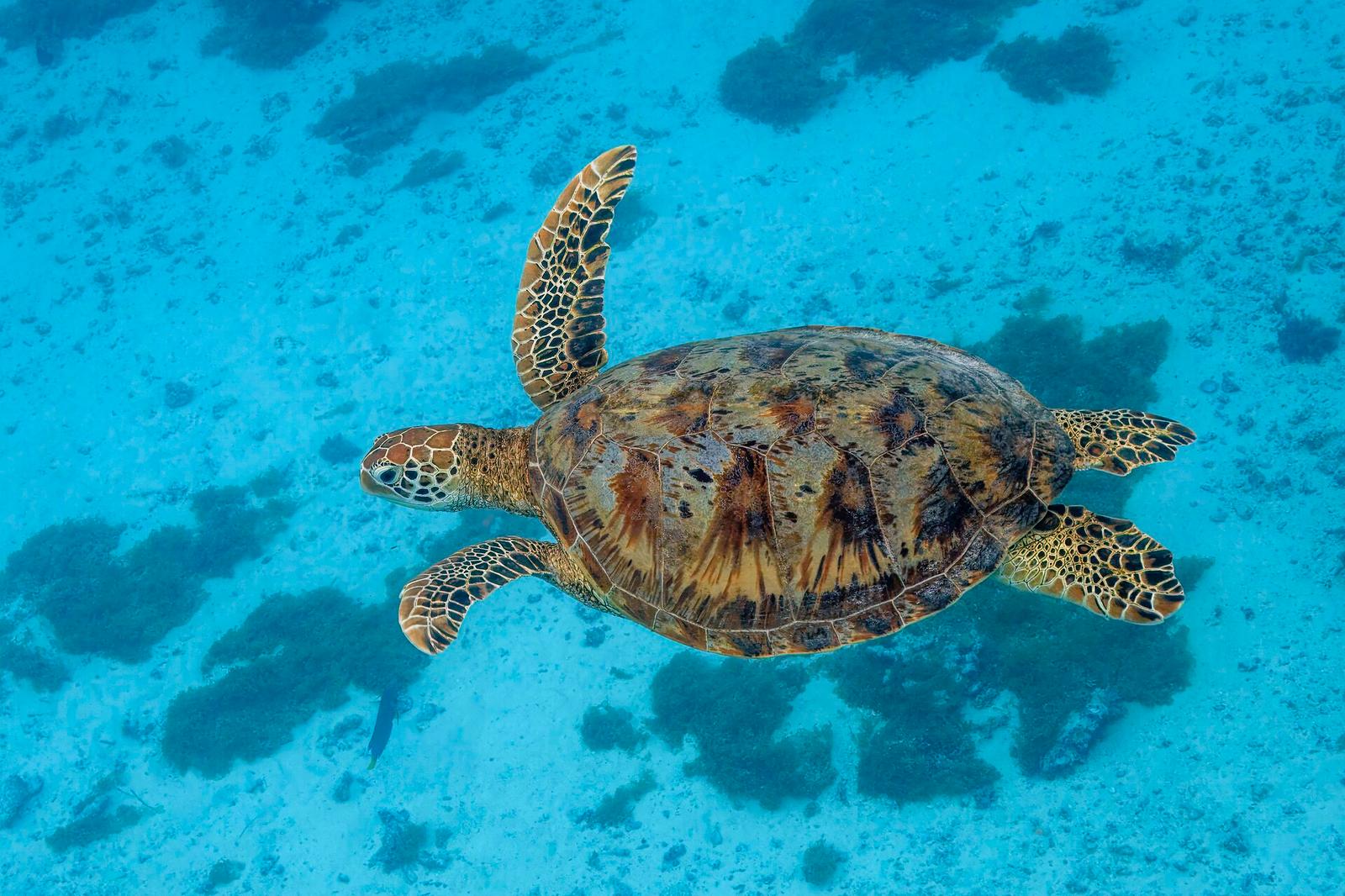 Charles J. Sharp · CC BY-SA · Wikimedia Commons
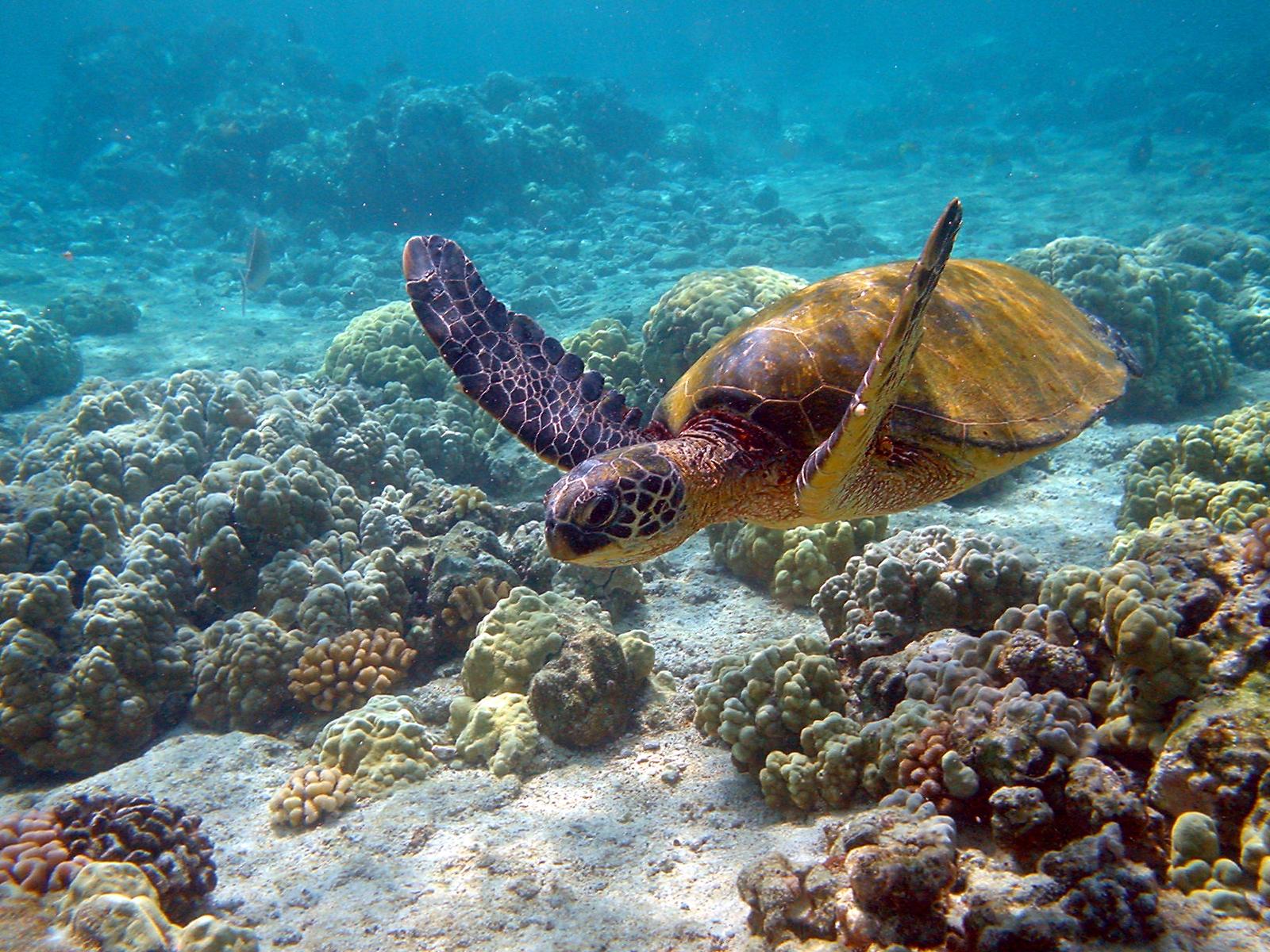 Brocken Inaglory · CC BY-SA · Wikimedia Commons
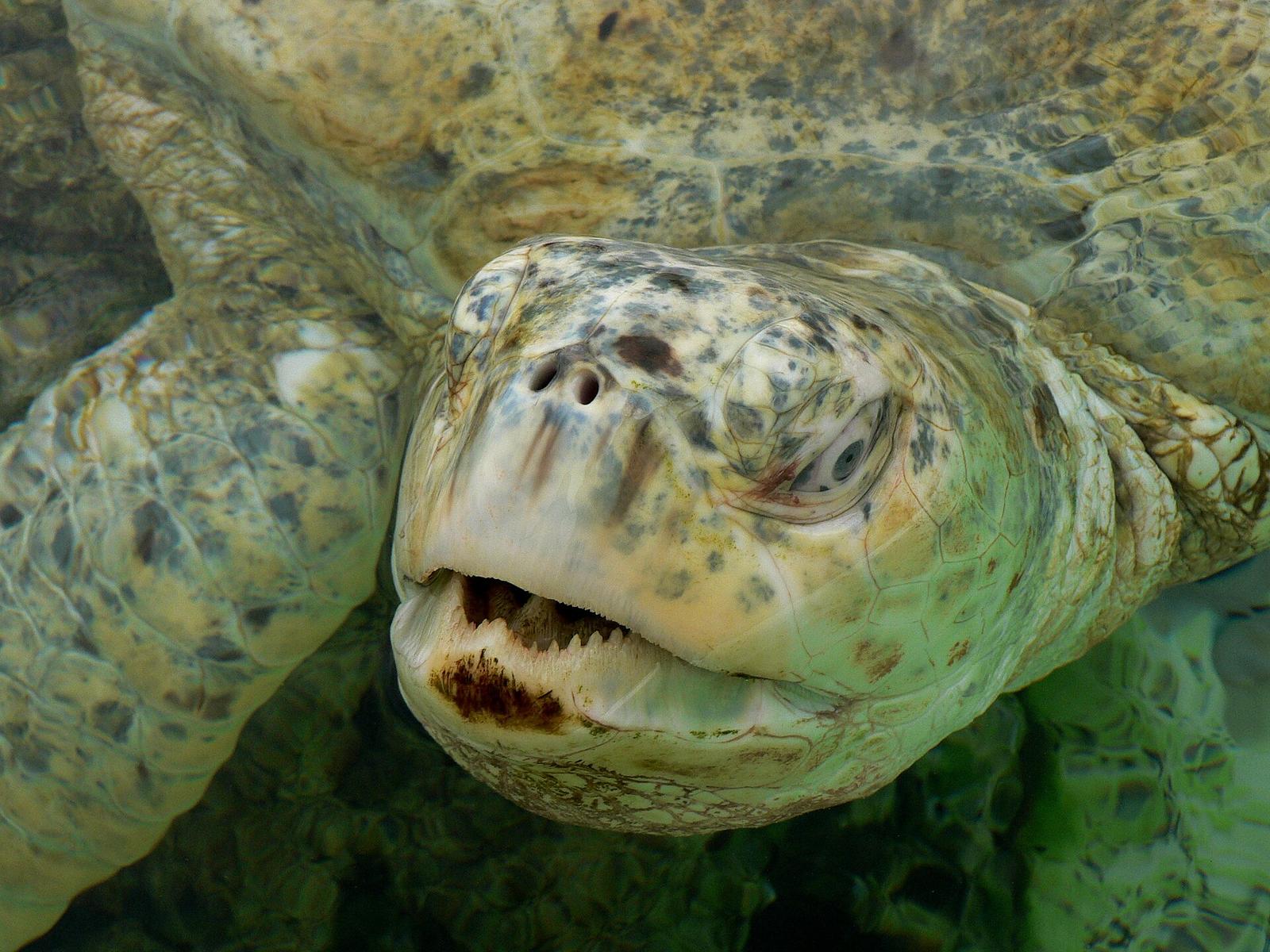 David Monniaux · CC BY-SA · Wikimedia Commons
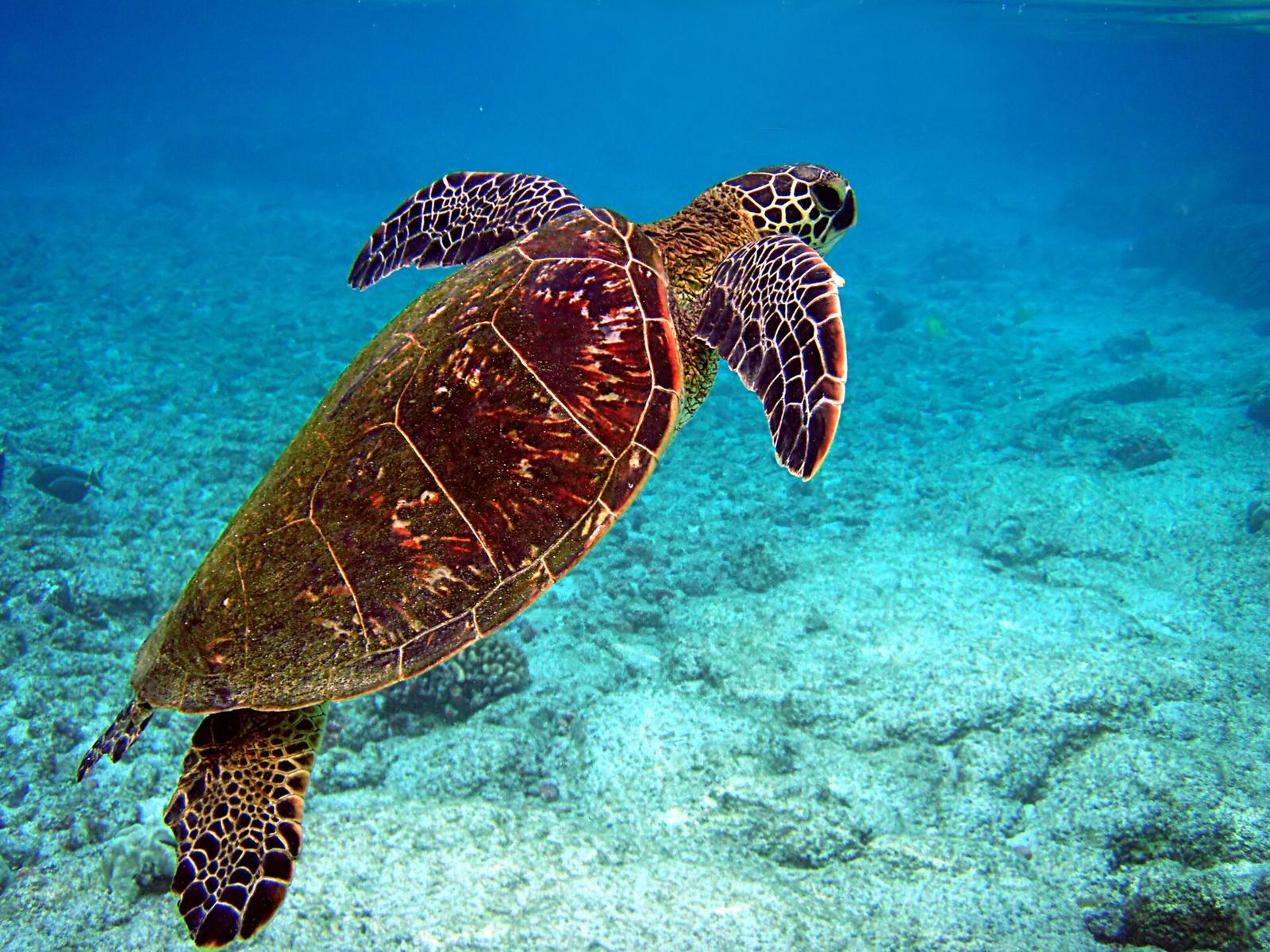 Brocken Inaglory · CC BY-SA · Wikimedia Commons
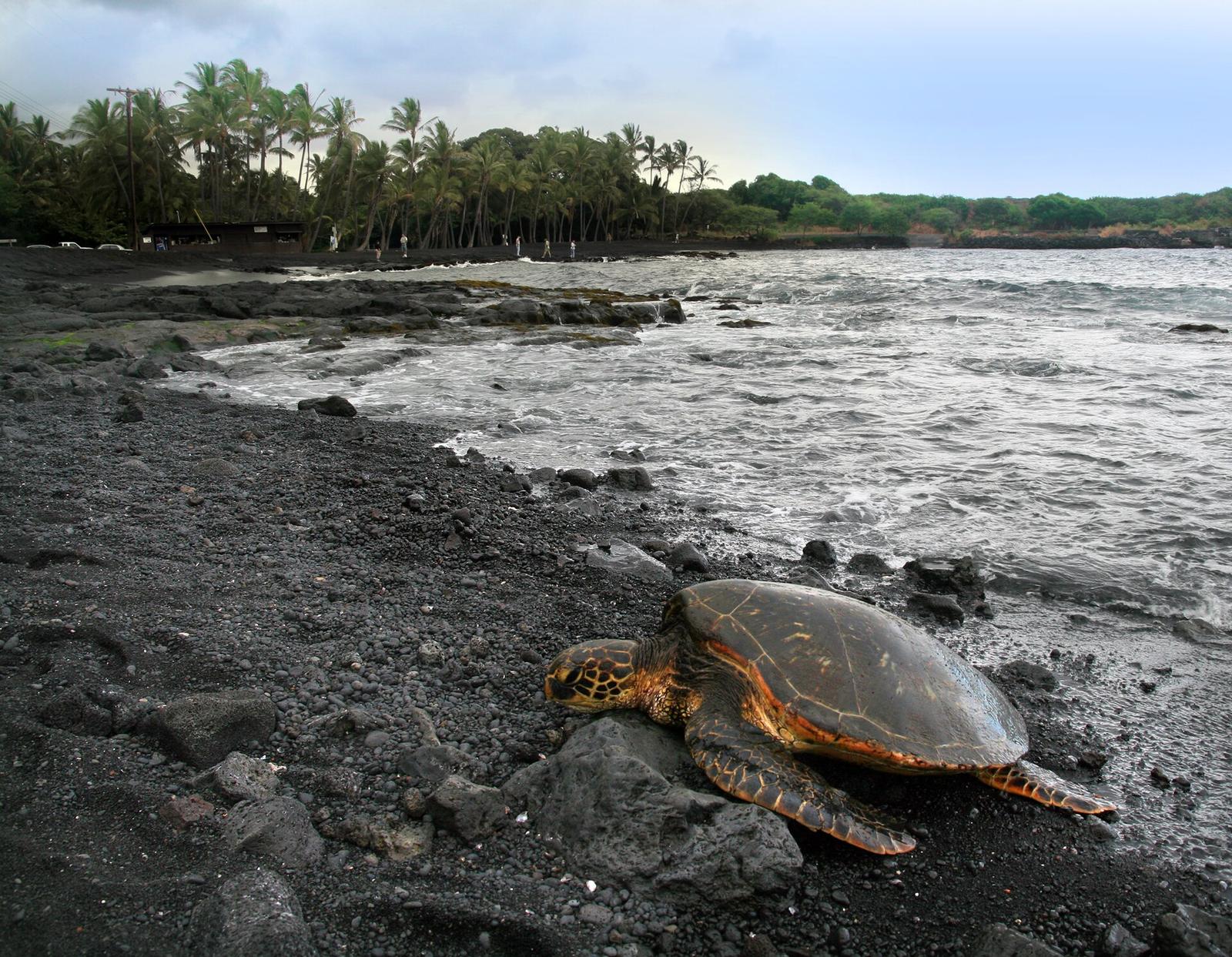 Brocken Inaglory · CC BY-SA · Wikimedia Commons
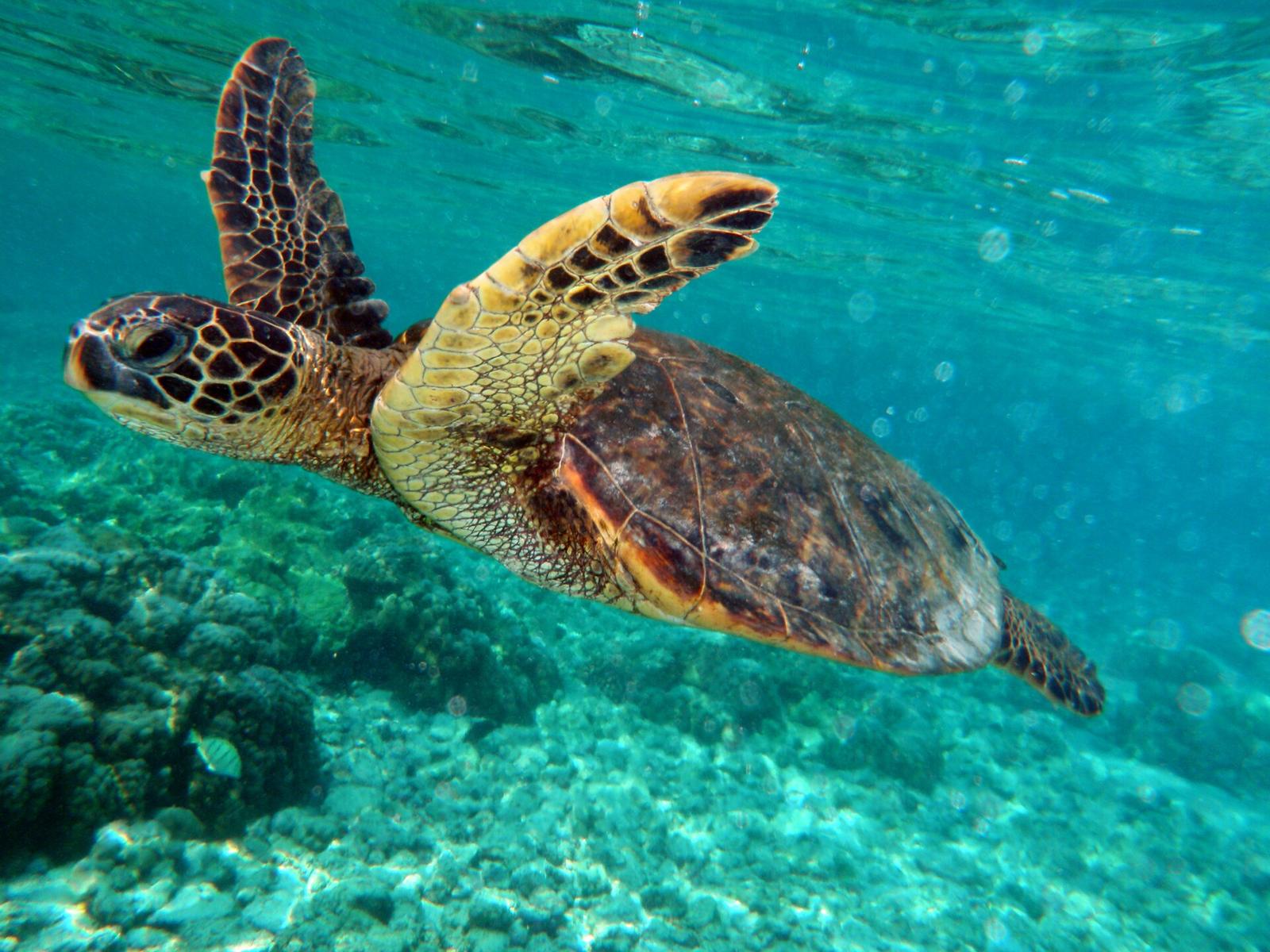 Brocken Inaglory · CC BY-SA · Wikimedia Commons
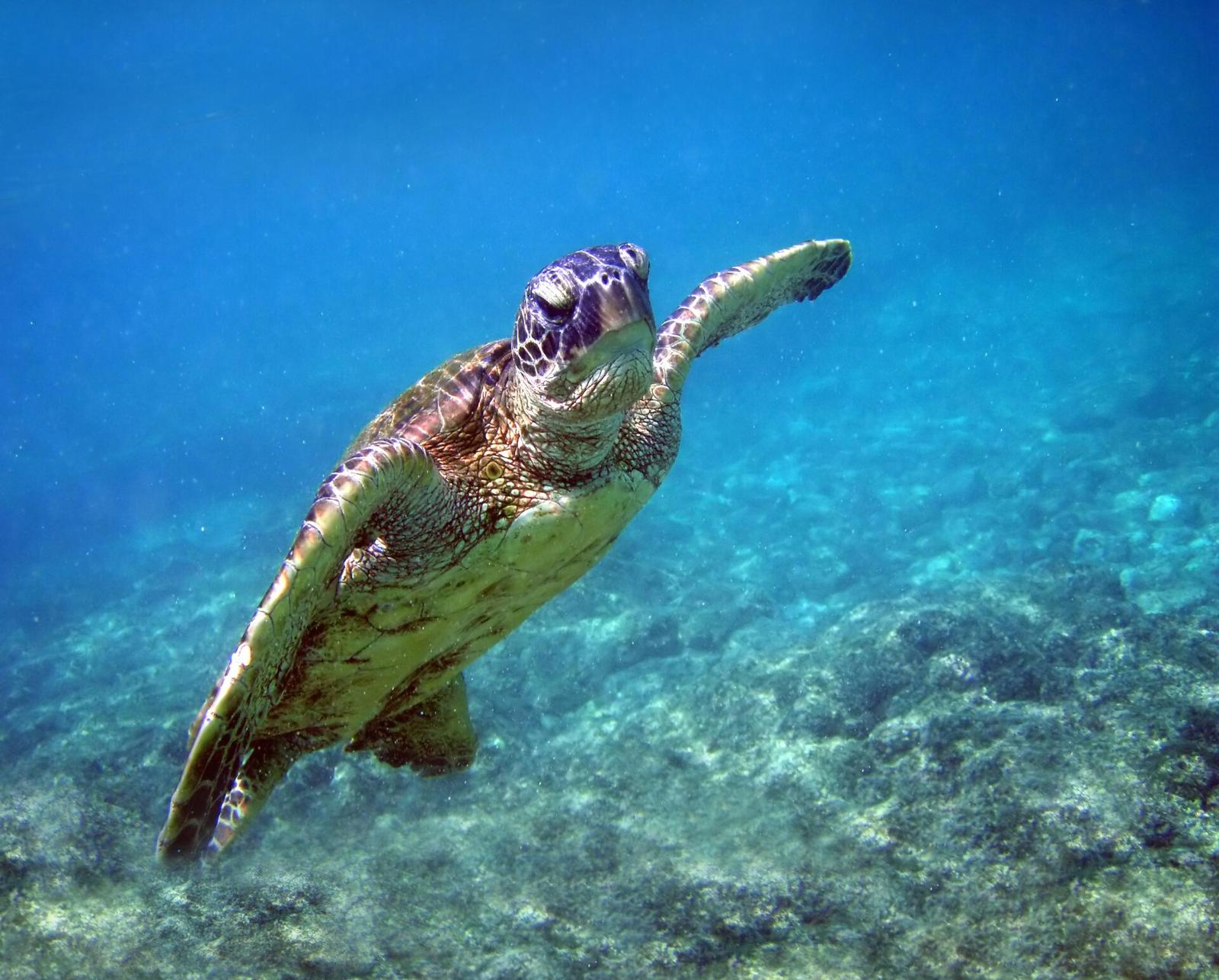 Brocken Inaglory · CC BY-SA · Wikimedia Commons
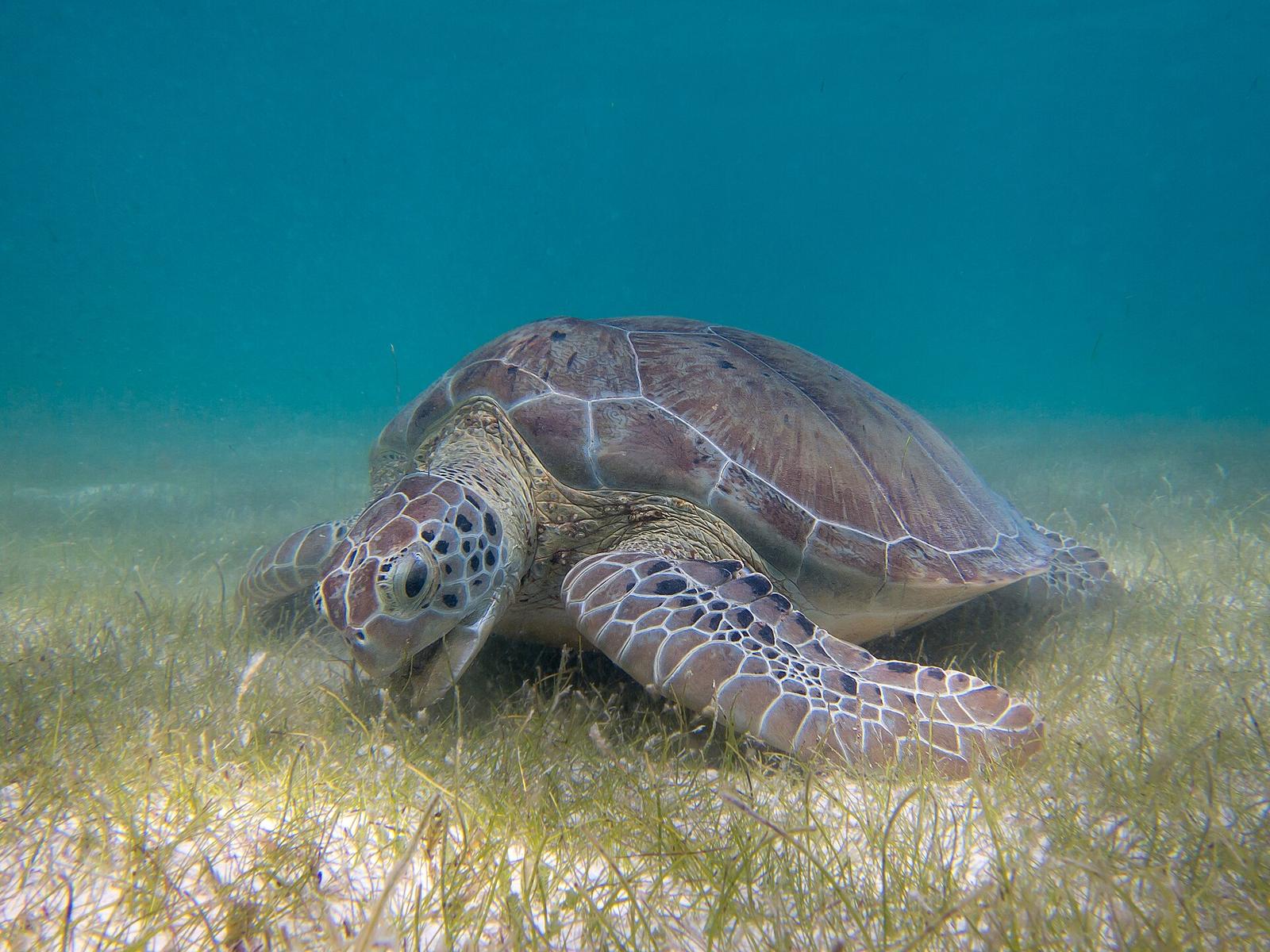 P.Lindgren · CC BY-SA · Wikimedia Commons
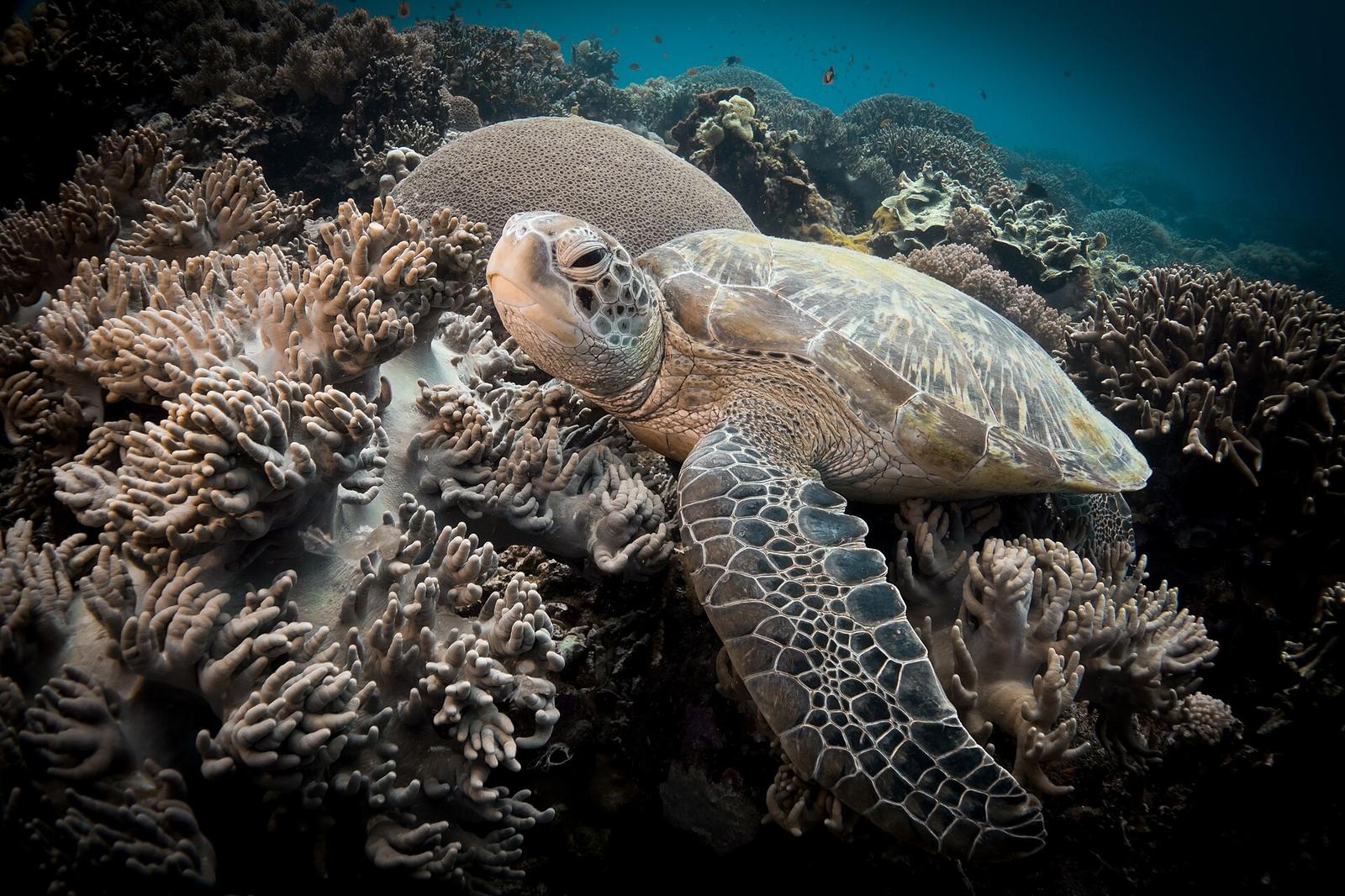 Anna Varona · CC BY · Wikimedia Commons
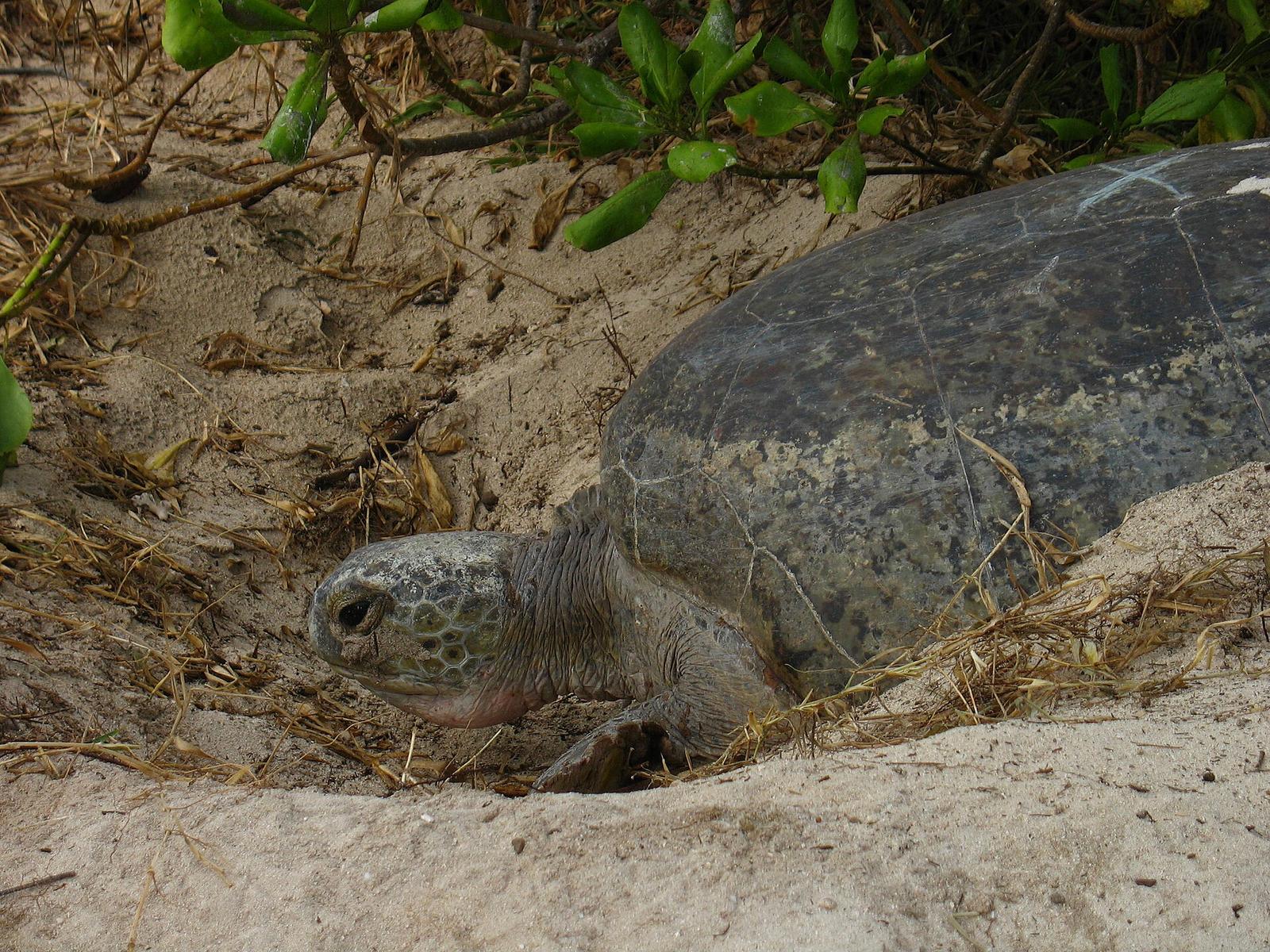 BenAveling · CC BY-SA · Wikimedia Commons
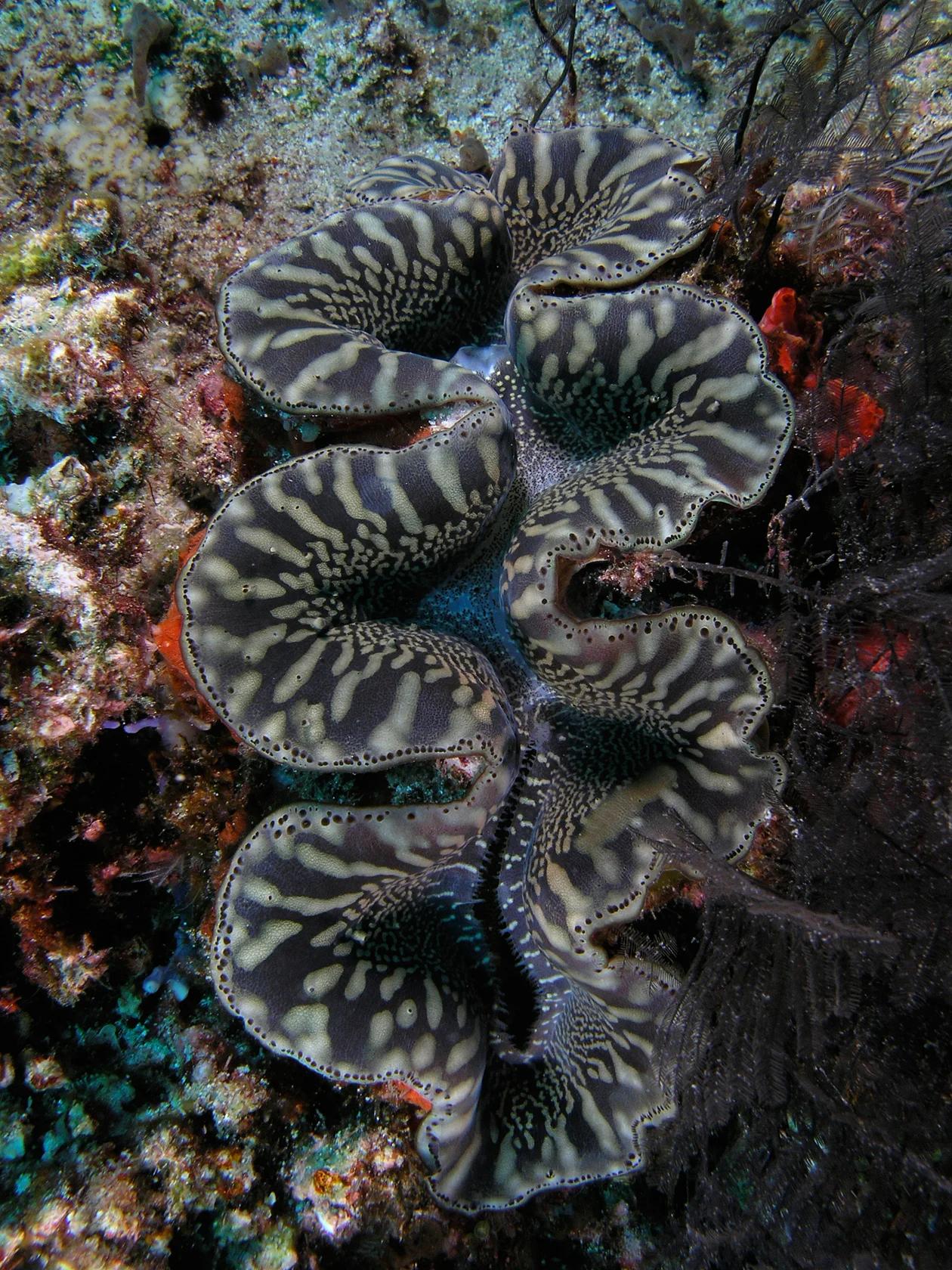
Bivalves · Critically Endangered
Nhobgood Nick Hobgood · CC BY-SA · Wikimedia Commons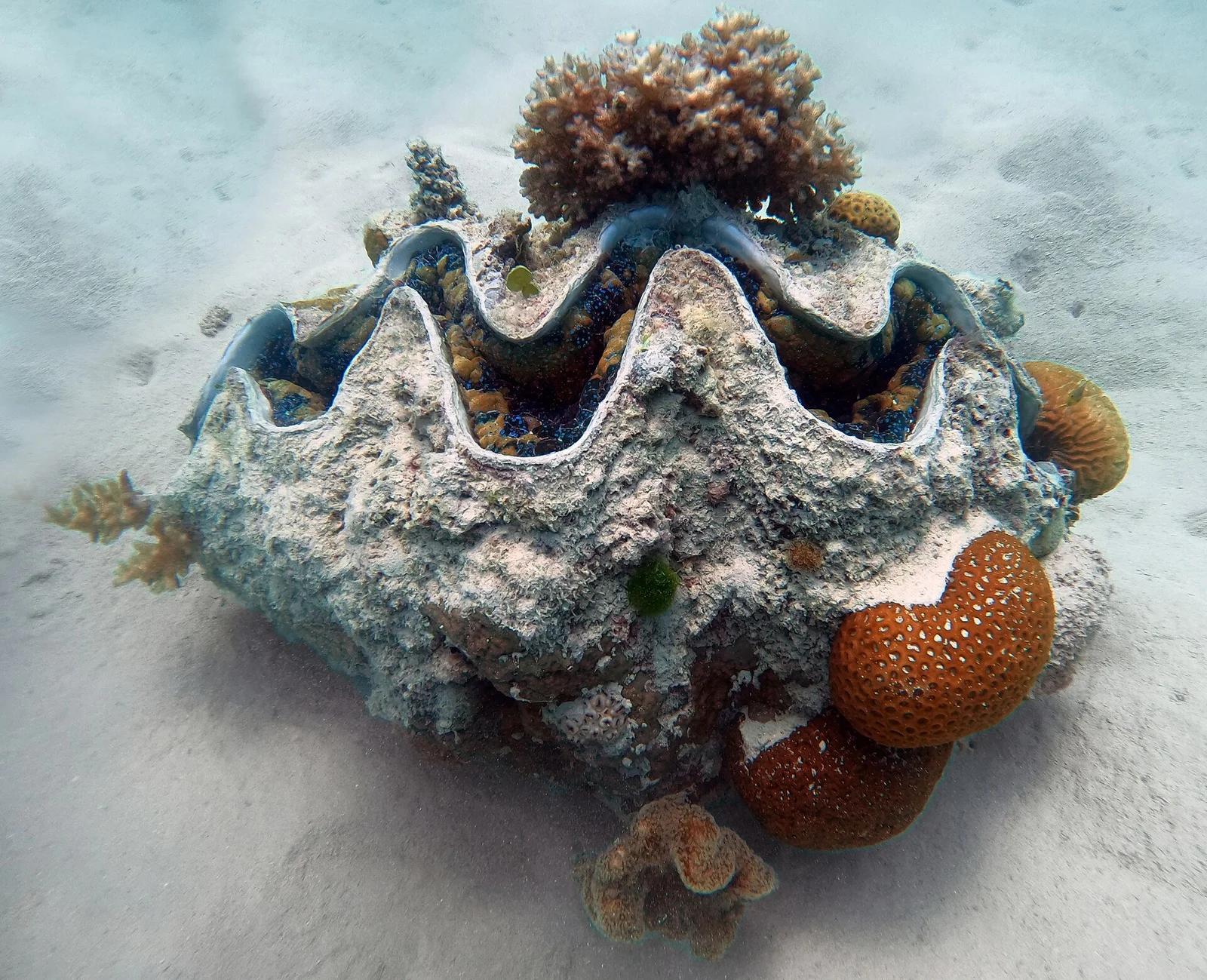 Charles J. Sharp · CC BY-SA · Wikimedia Commons
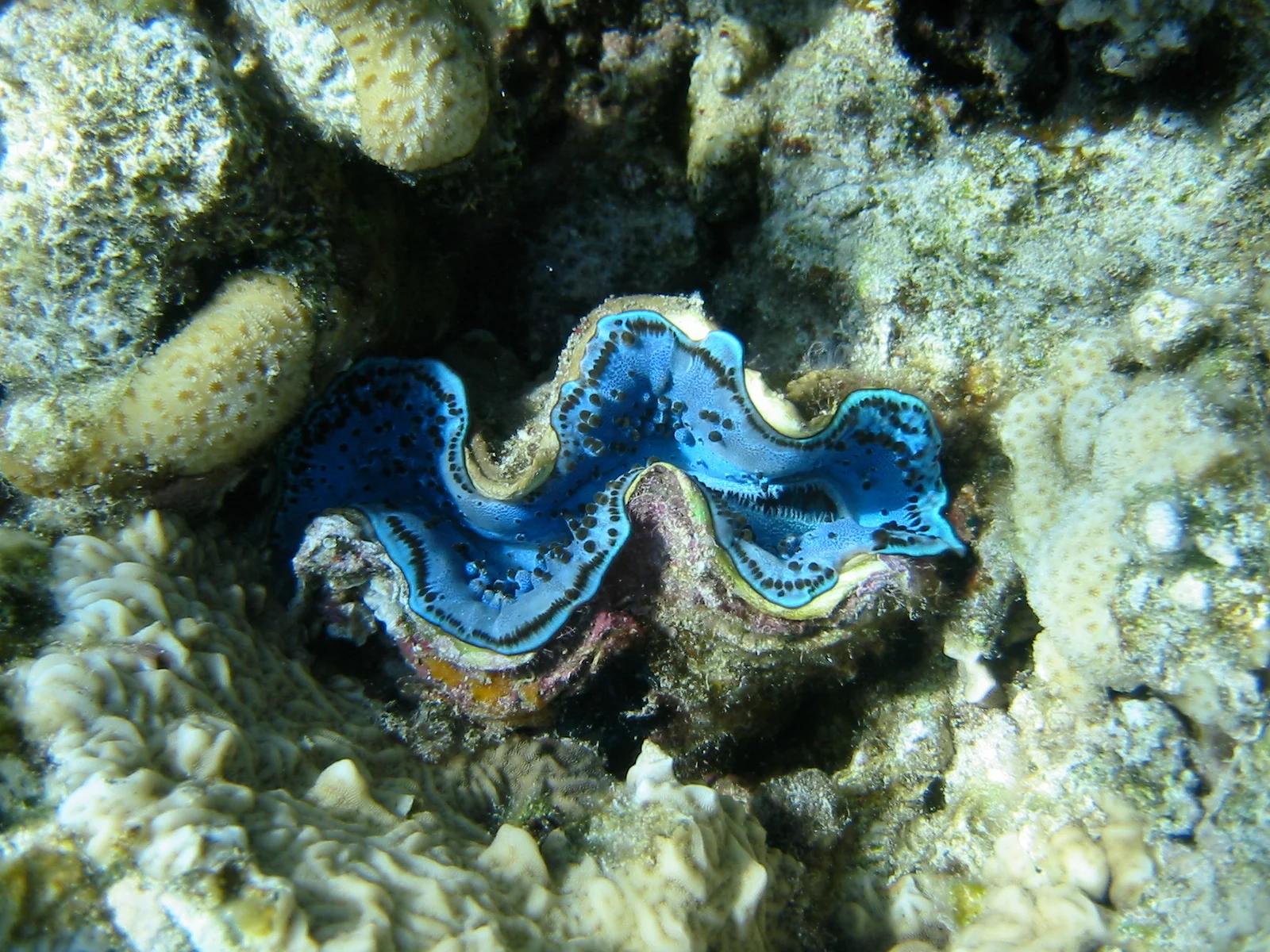 Hannes Grobe/AWI · CC BY · Wikimedia Commons
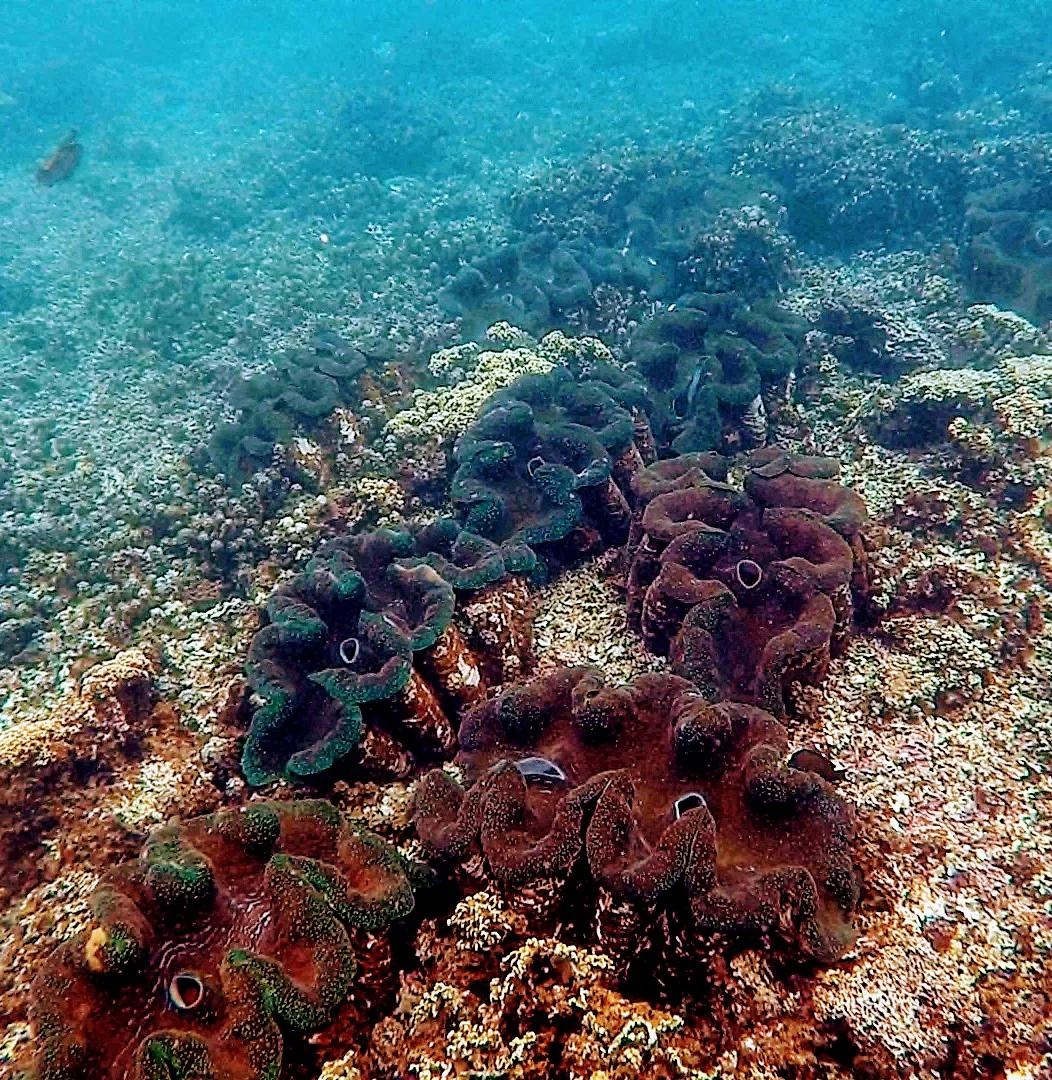 amanderson2 · CC BY · Wikimedia Commons
 Fernando Losada Rodríguez · CC BY-SA · Wikimedia Commons
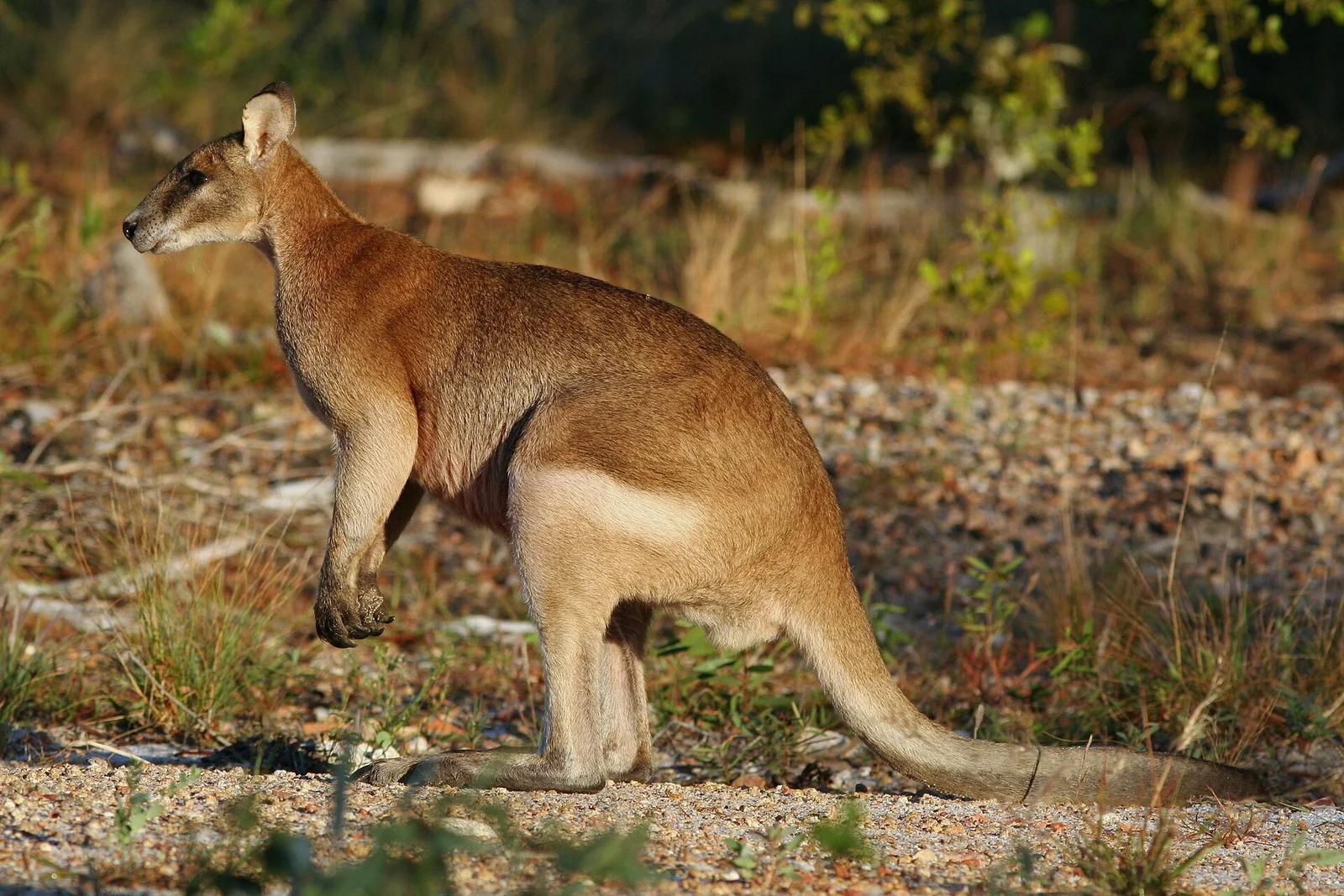
Marsupials · Least Concern
Glen Fergus · CC BY-SA · Wikimedia Commons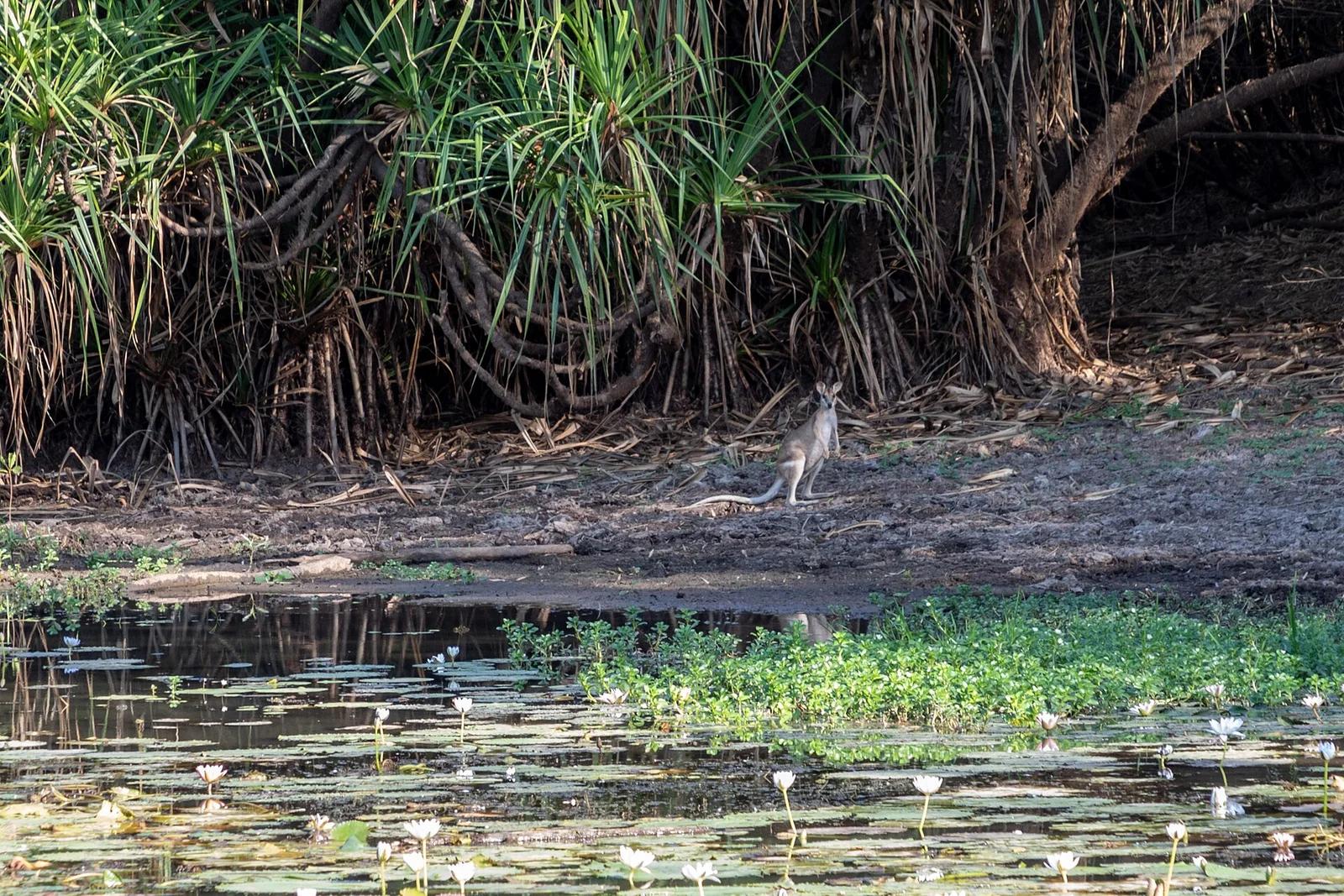 Dietmar Rabich · CC BY-SA · Wikimedia Commons
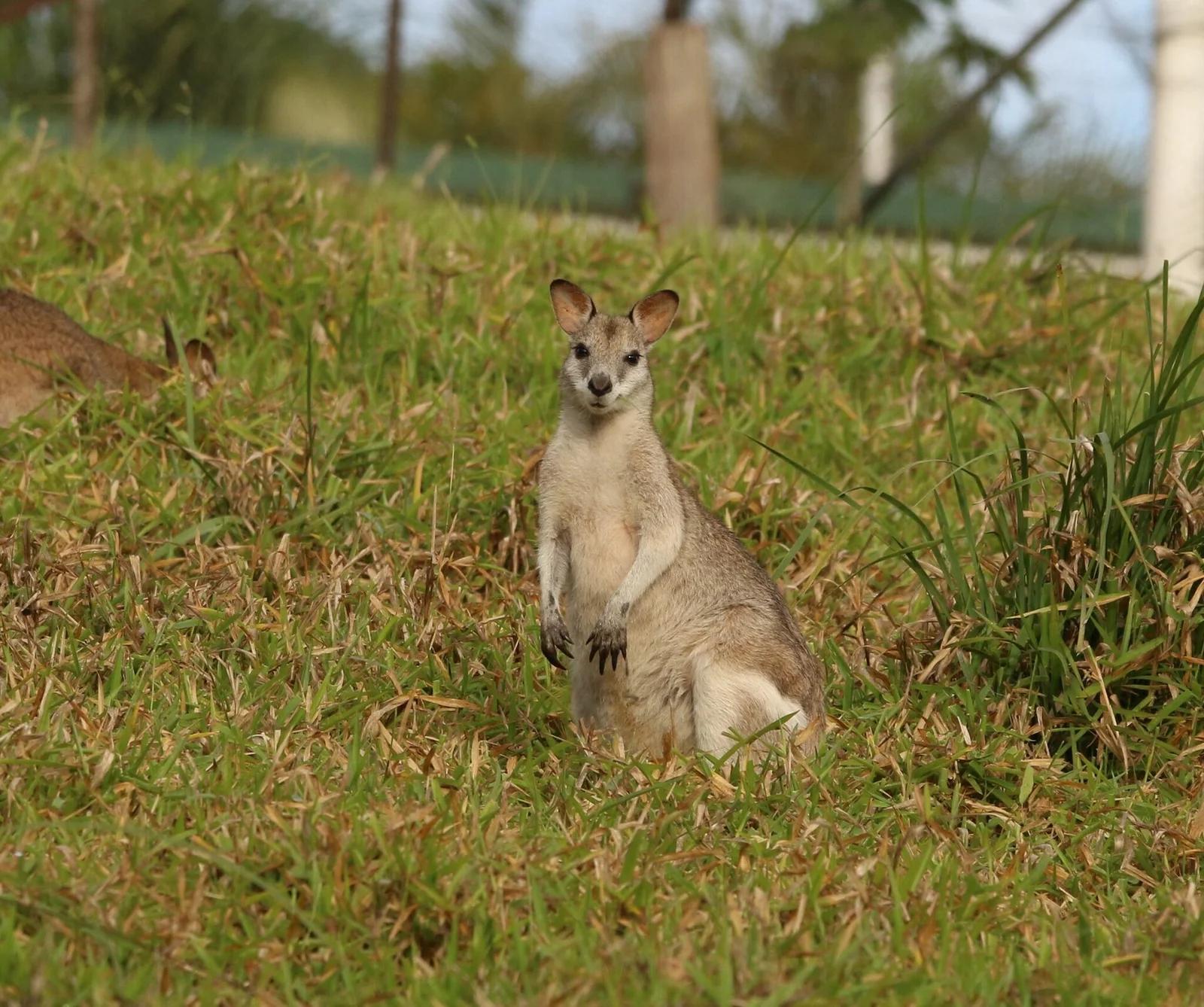 Greg Tasney · CC BY-SA · Wikimedia Commons
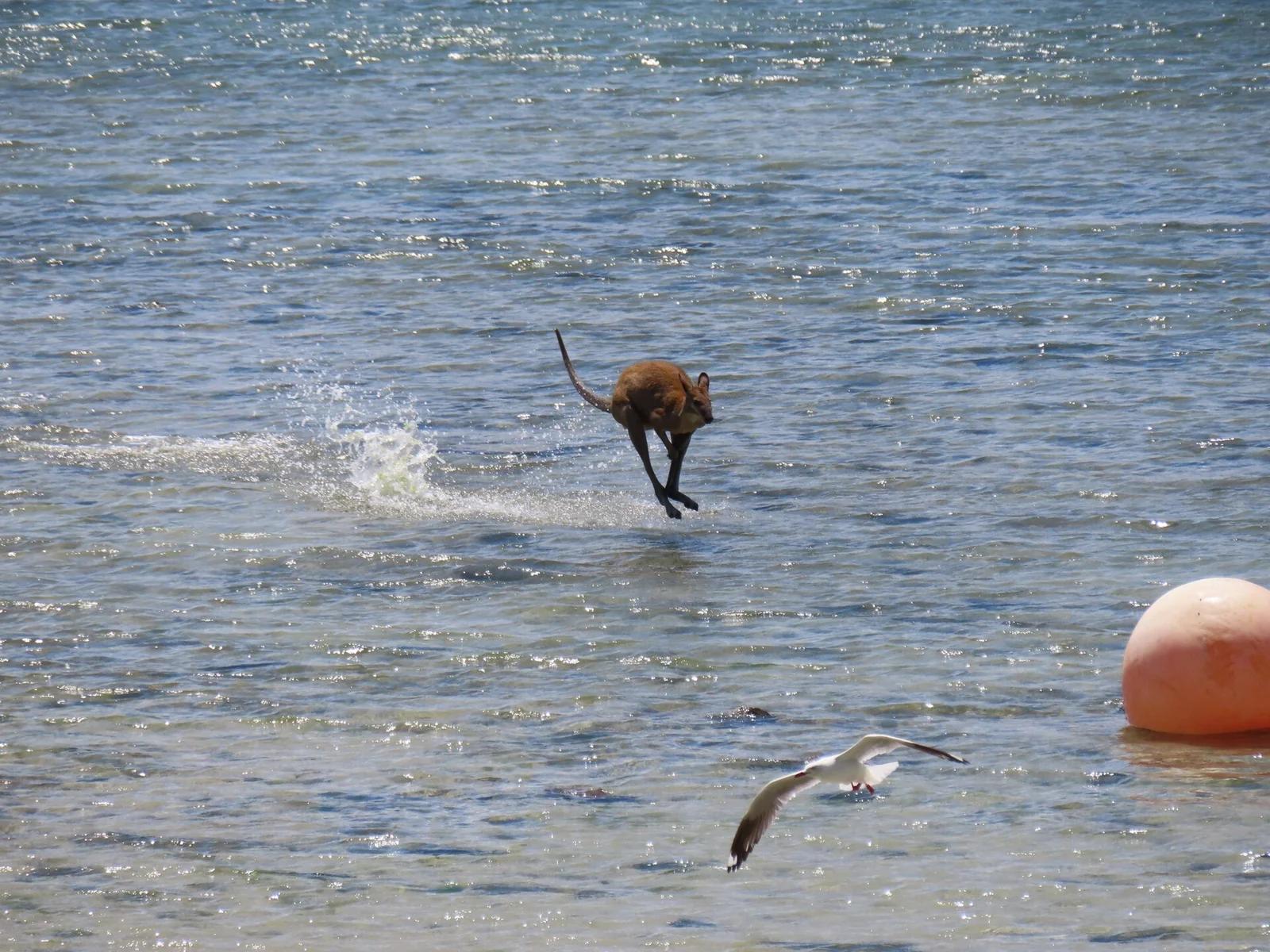 Andrew Harvey · CC BY · Wikimedia Commons
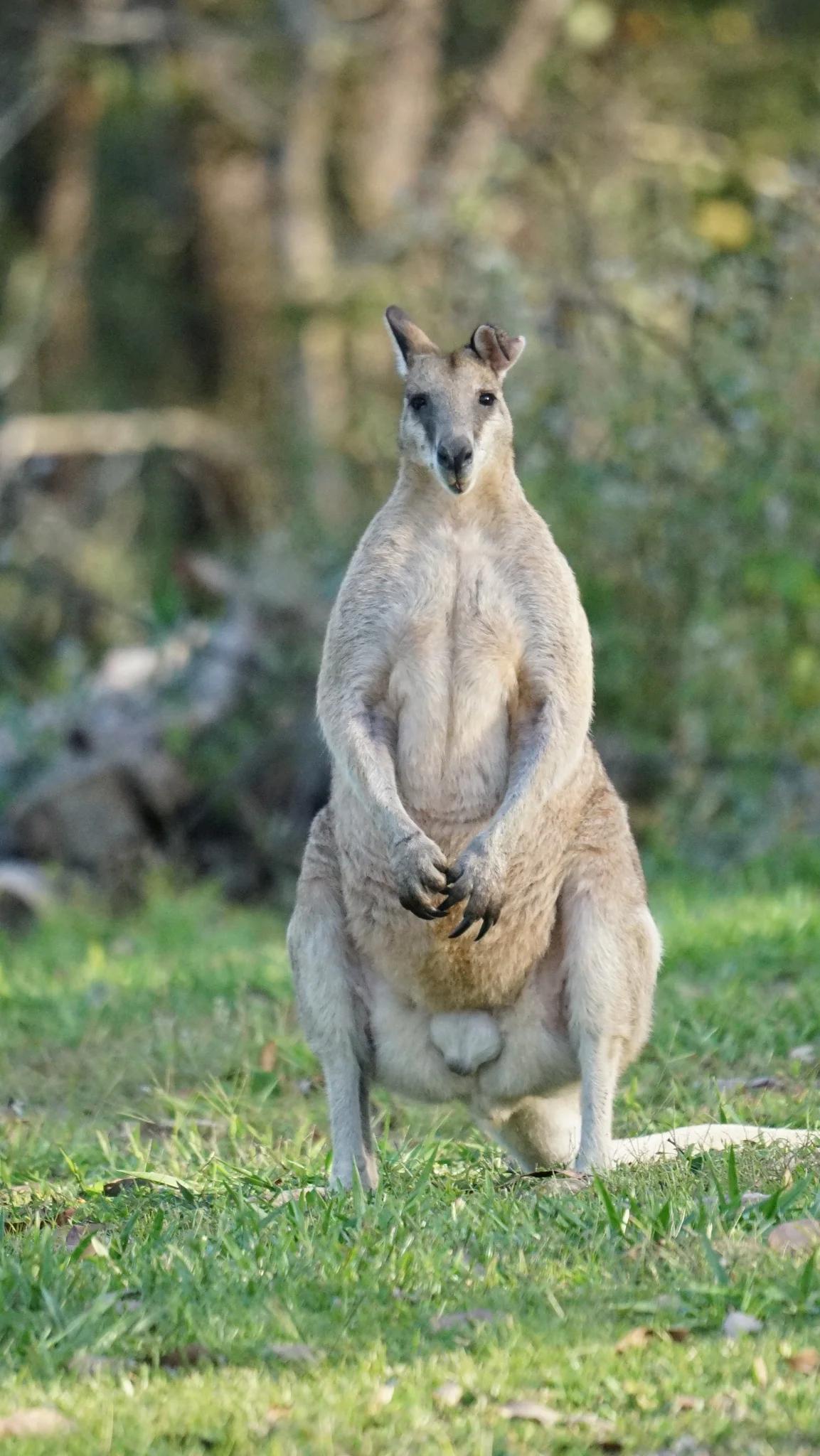 Edward Bell · CC BY · Wikimedia Commons
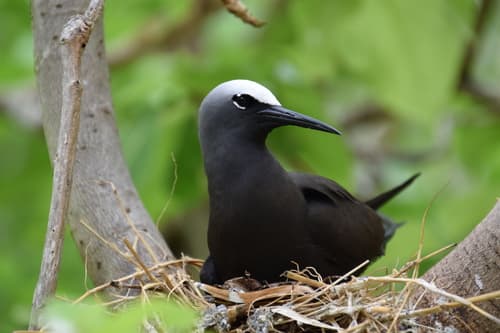
Fish · Least Concern
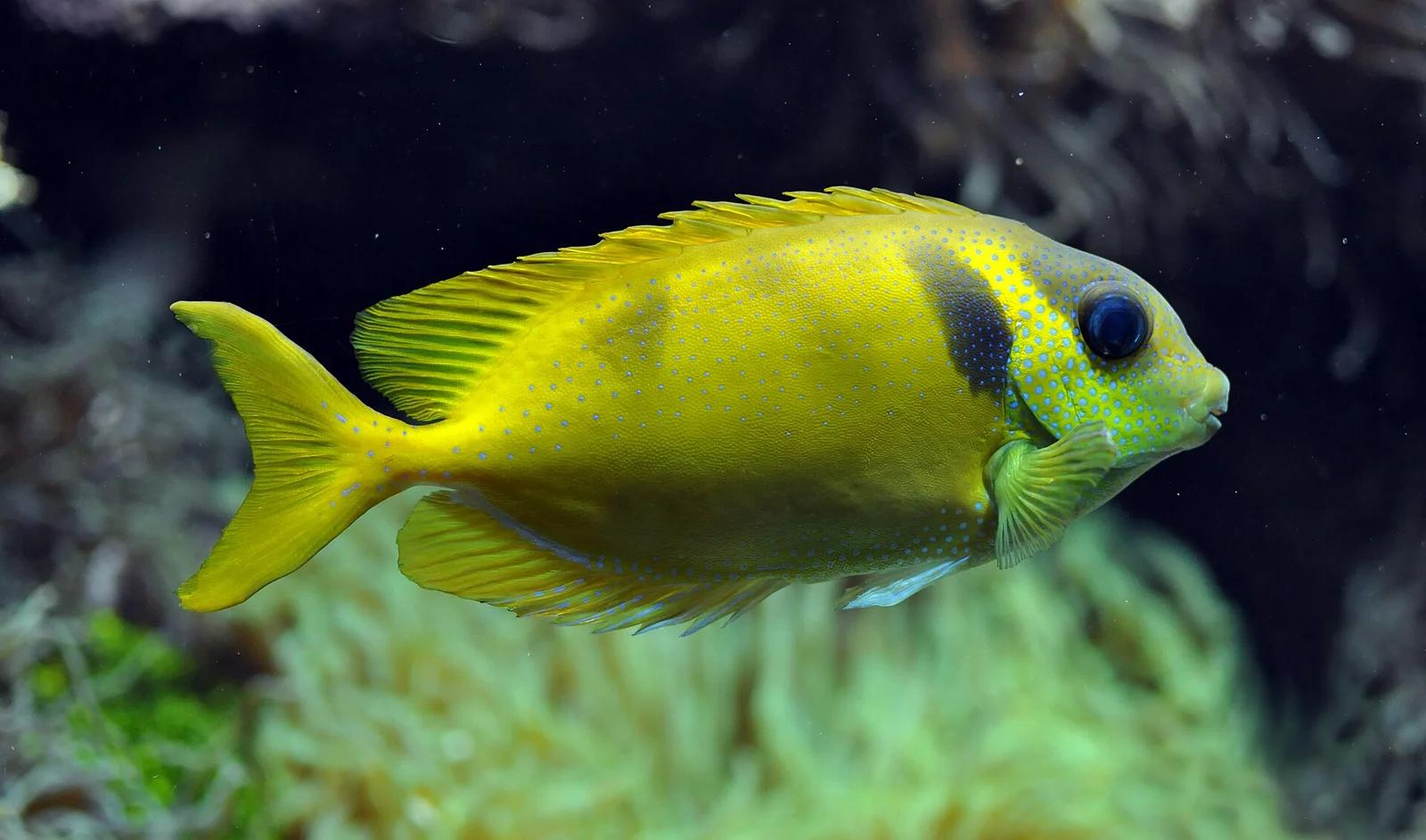
Citron · CC BY-SA · Wikimedia Commons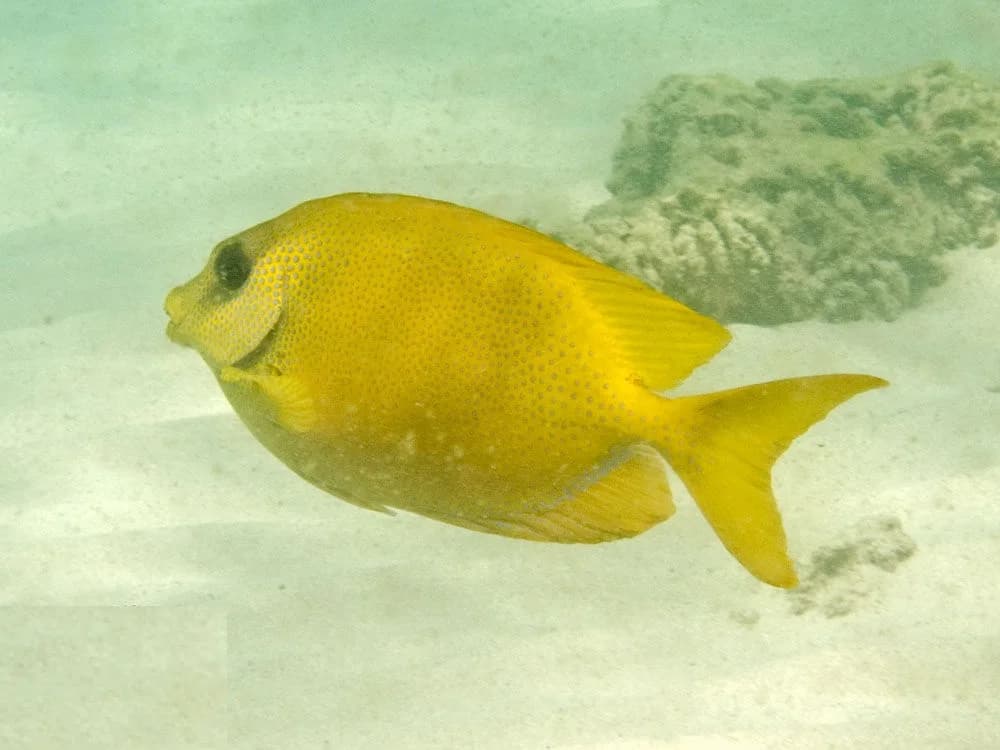 Chaloklum Diving · CC BY · Wikimedia Commons
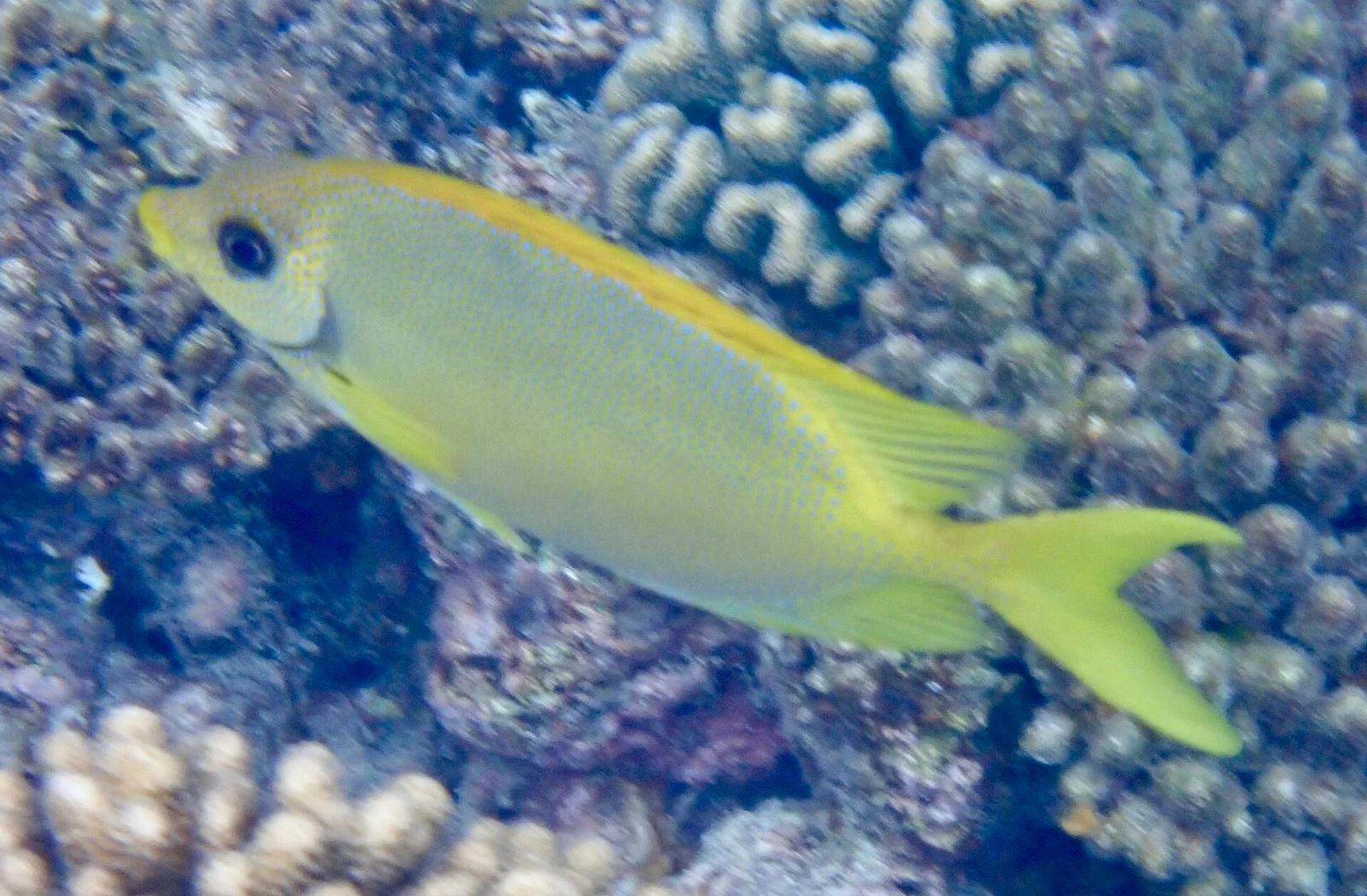 CC0 · Wikimedia Commons
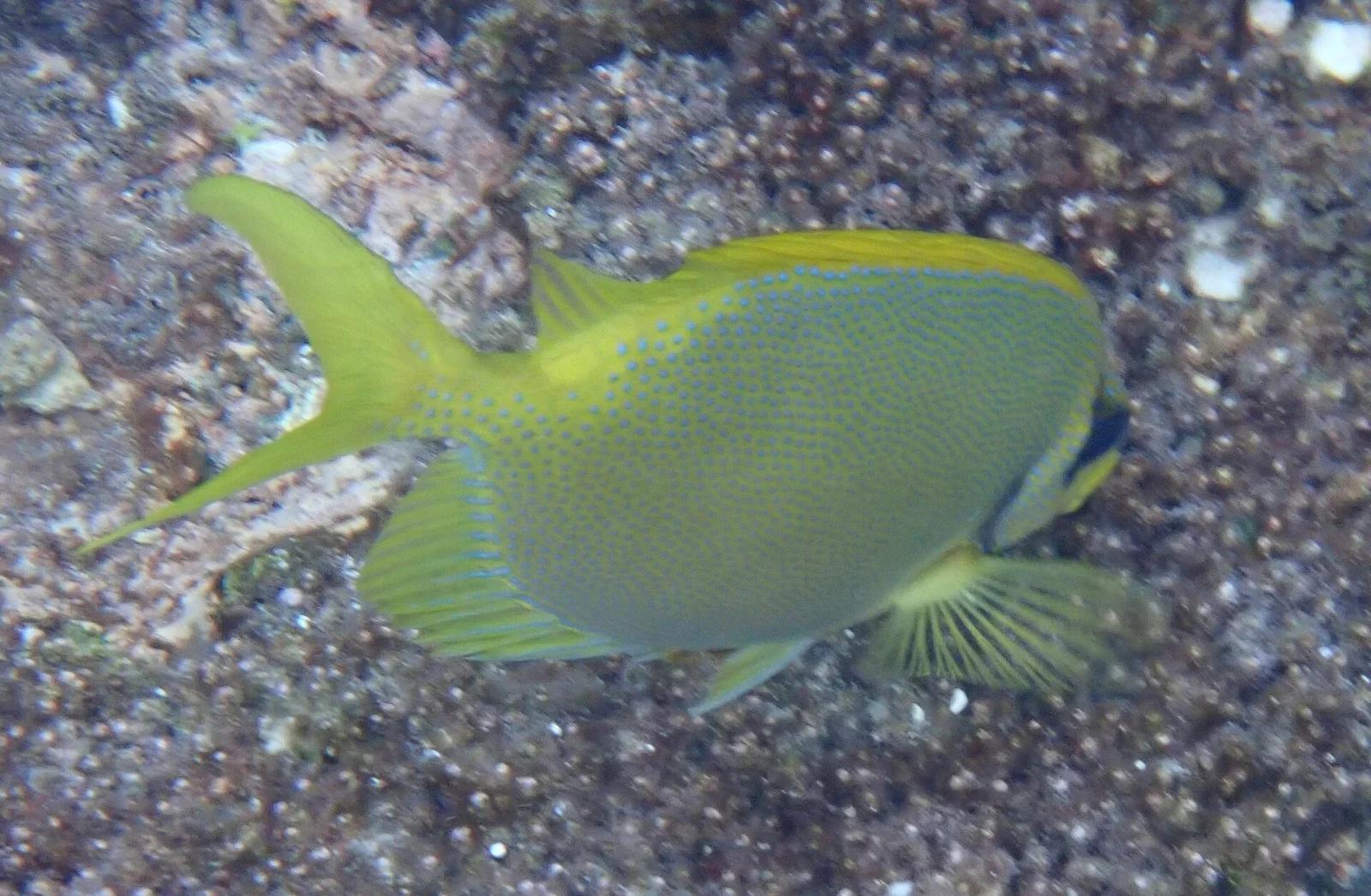 CC0 · Wikimedia Commons
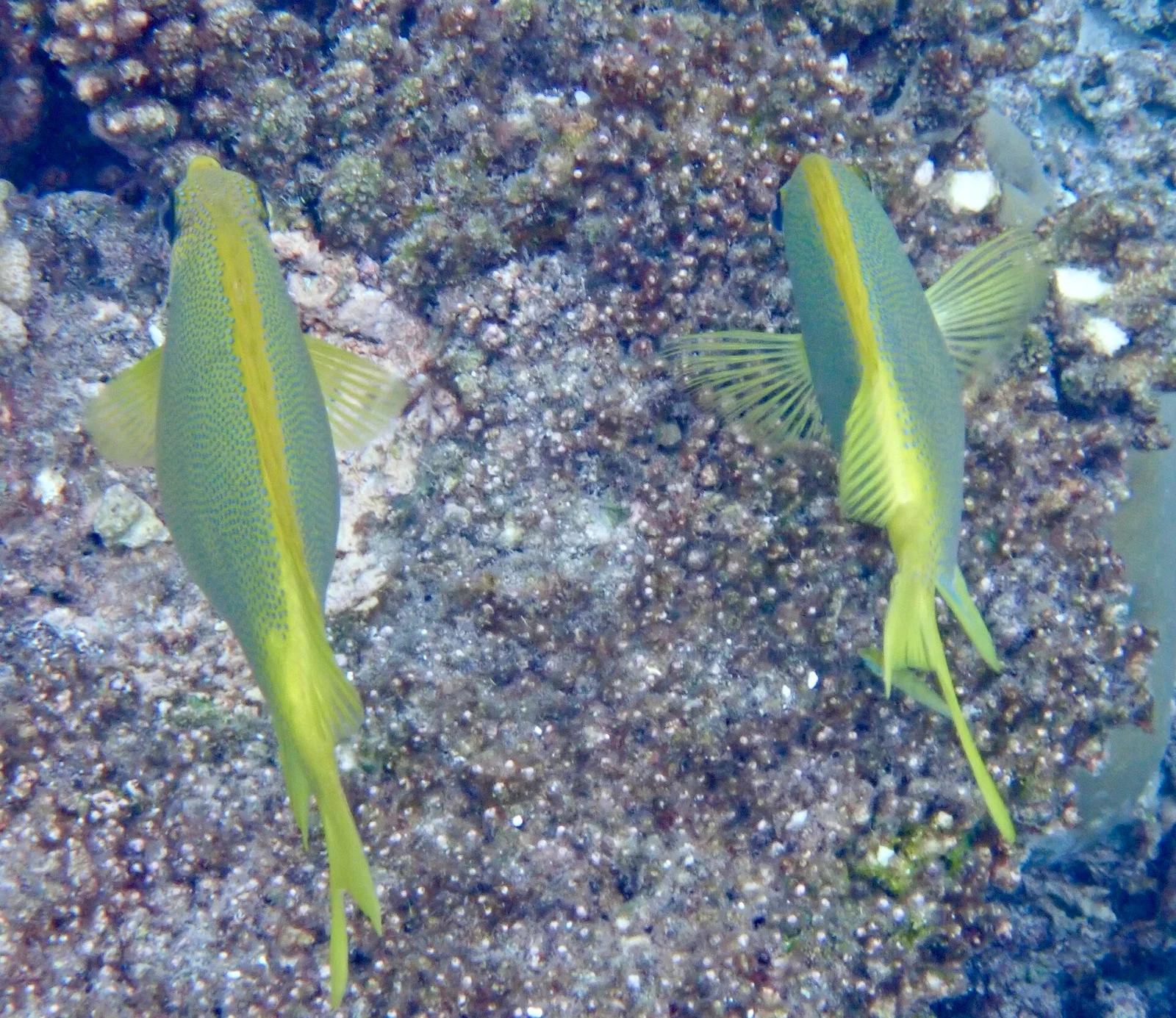 CC0 · Wikimedia Commons
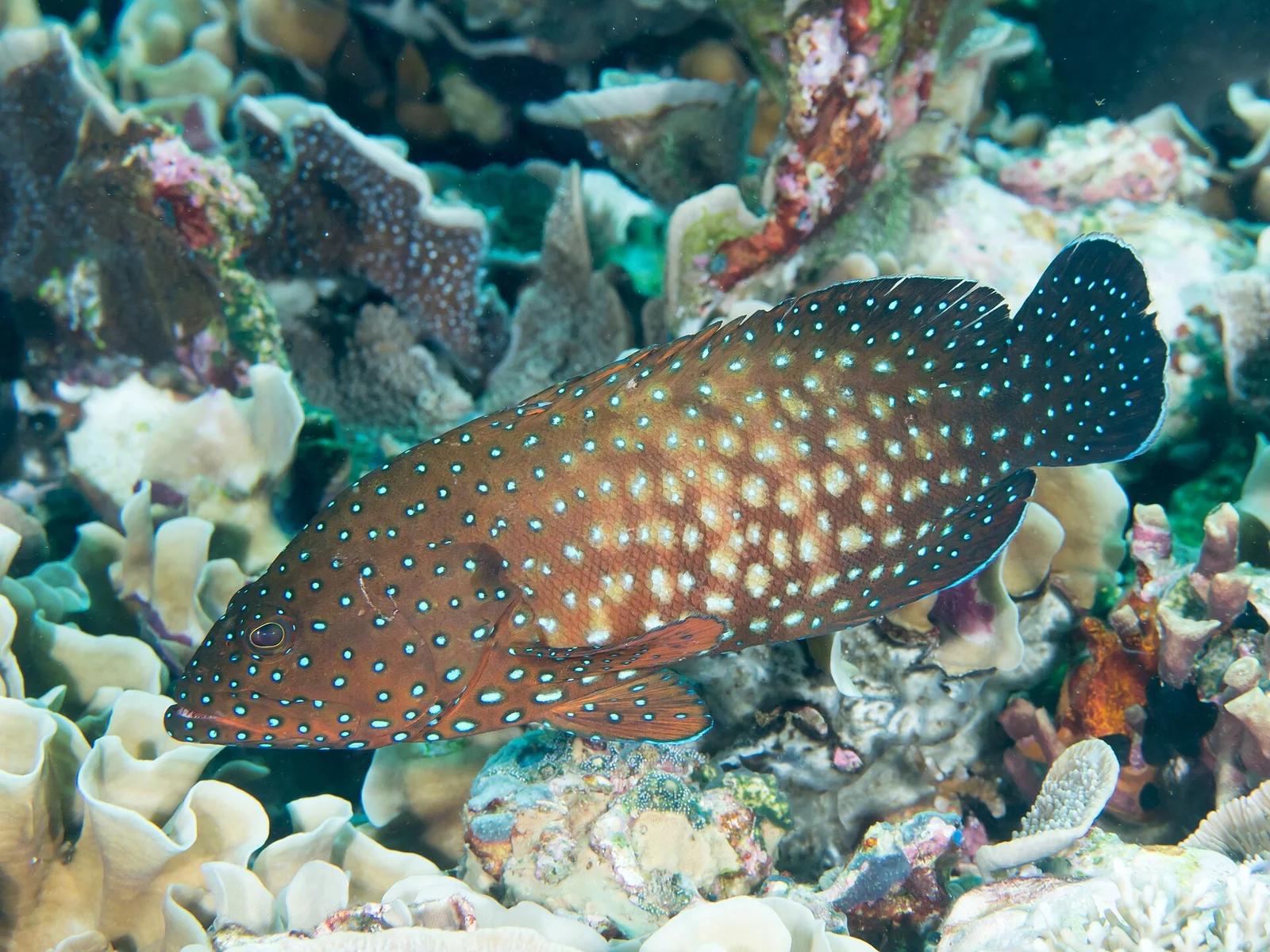
Groupers · Least Concern
Rickard Zerpe · CC BY · Wikimedia Commons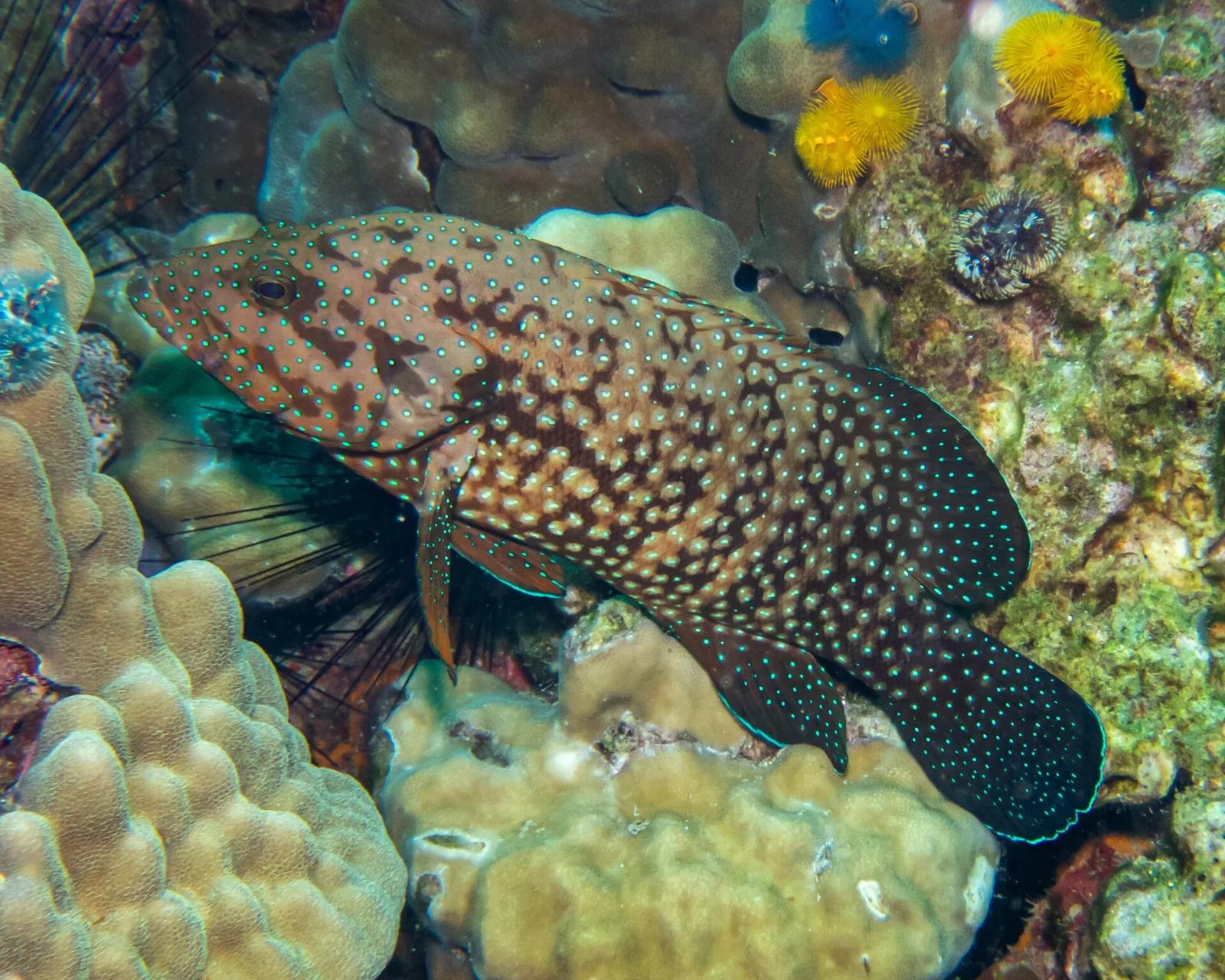 portioid · CC BY-SA · Wikimedia Commons
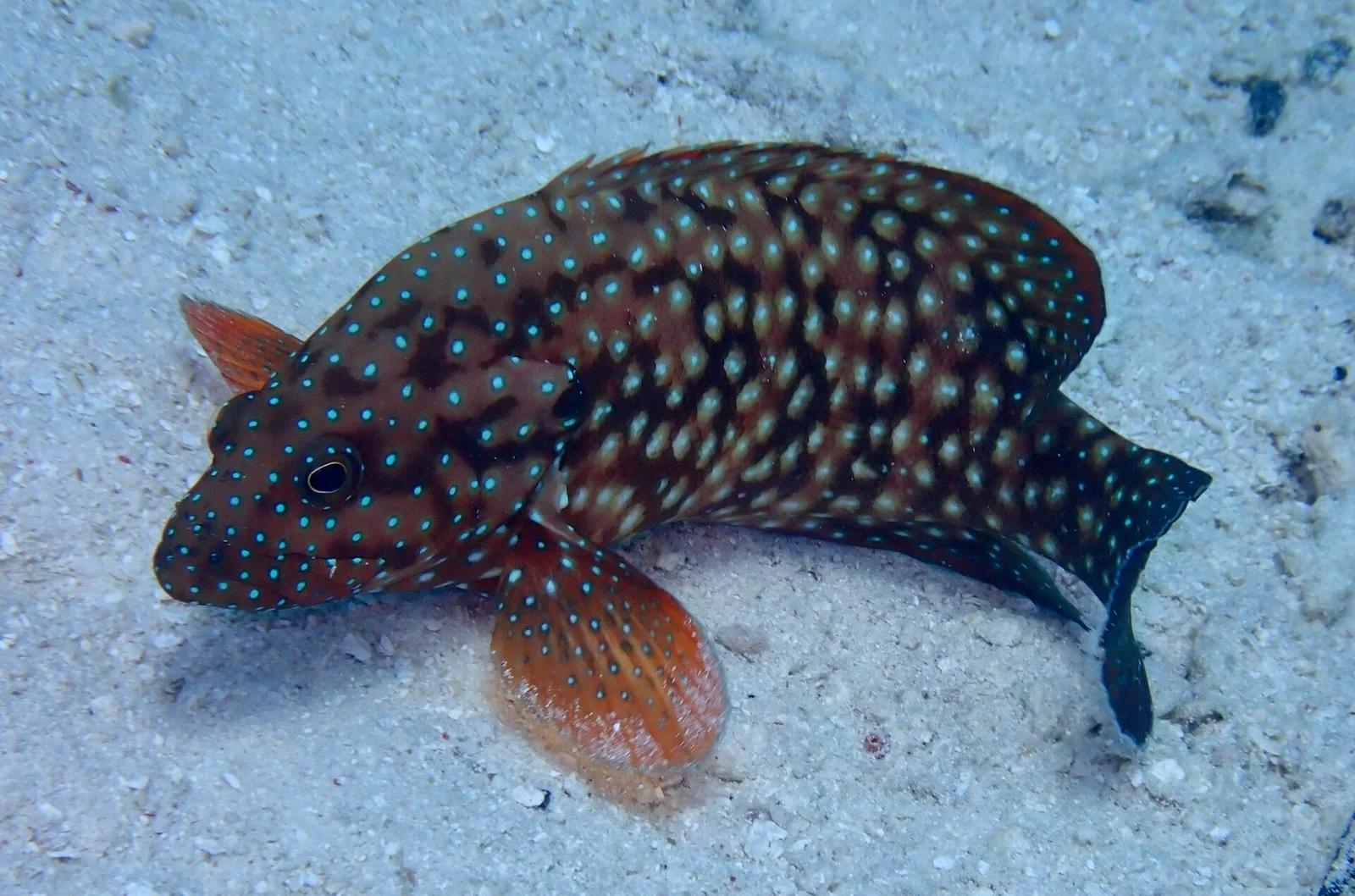 Jean-Paul Boerekamps · CC0 · Wikimedia Commons
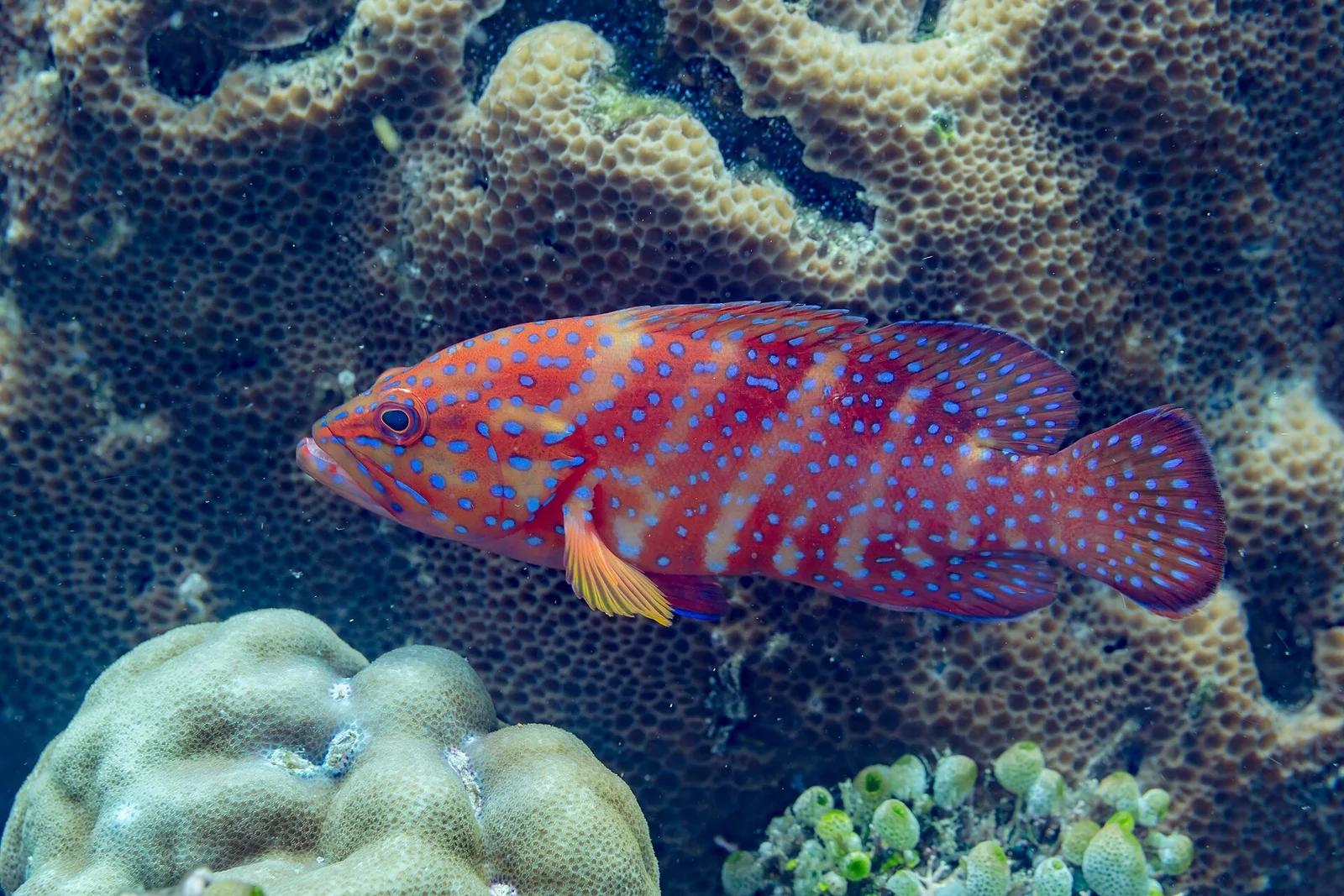 Diego Delso · CC BY-SA · Wikimedia Commons
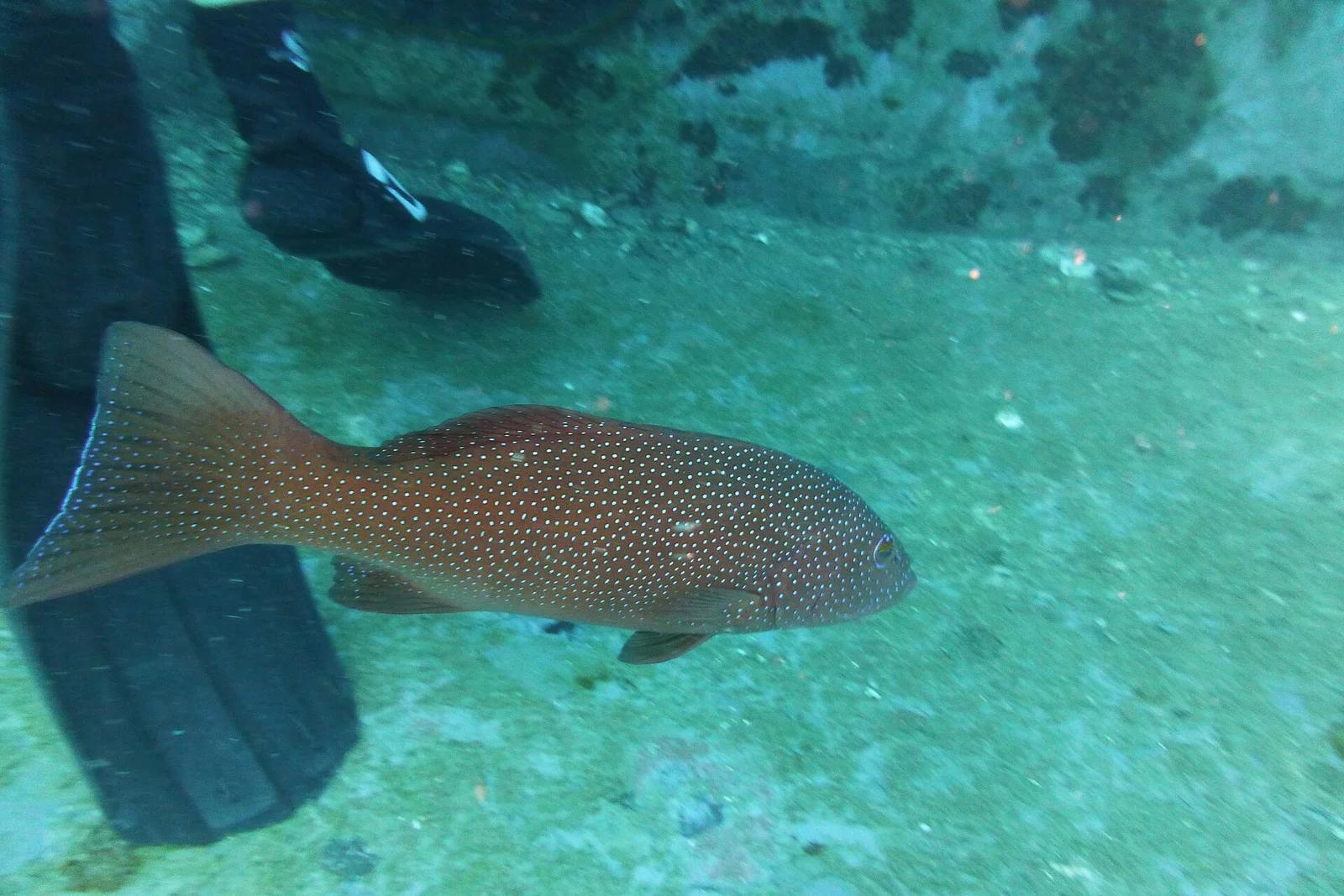 Amada44 · CC BY-SA · Wikimedia Commons
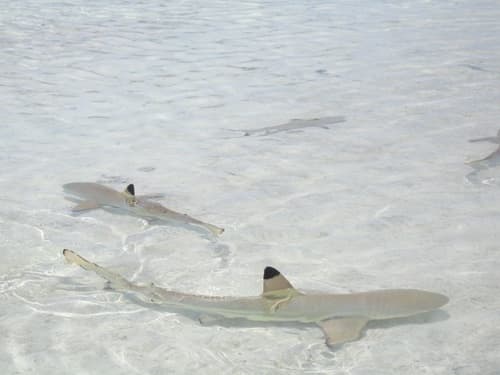
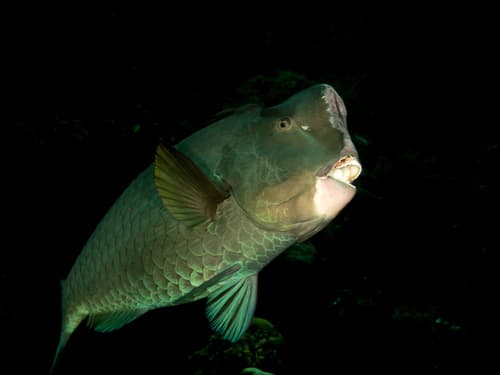
Wrasses & Parrotfishes · Vulnerable
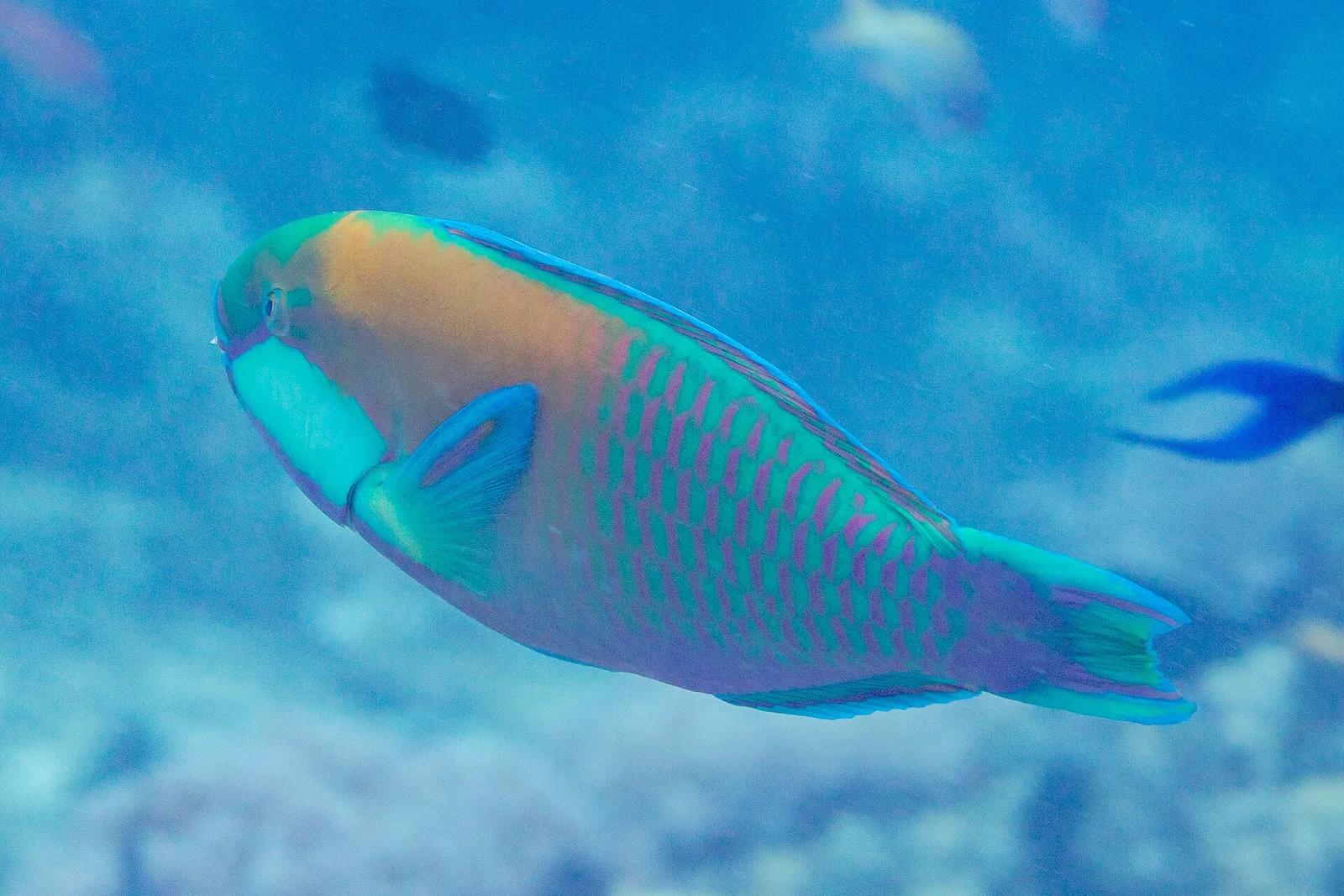
Rickard Zerpe · CC BY · iNaturalist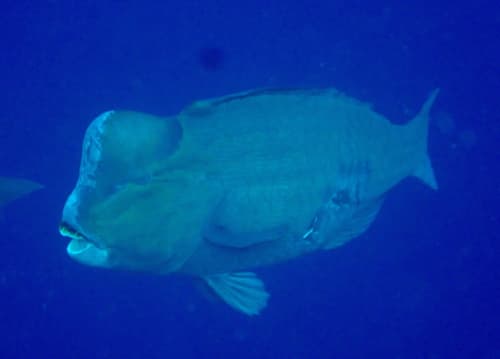 desertnaturalist · CC BY · iNaturalist
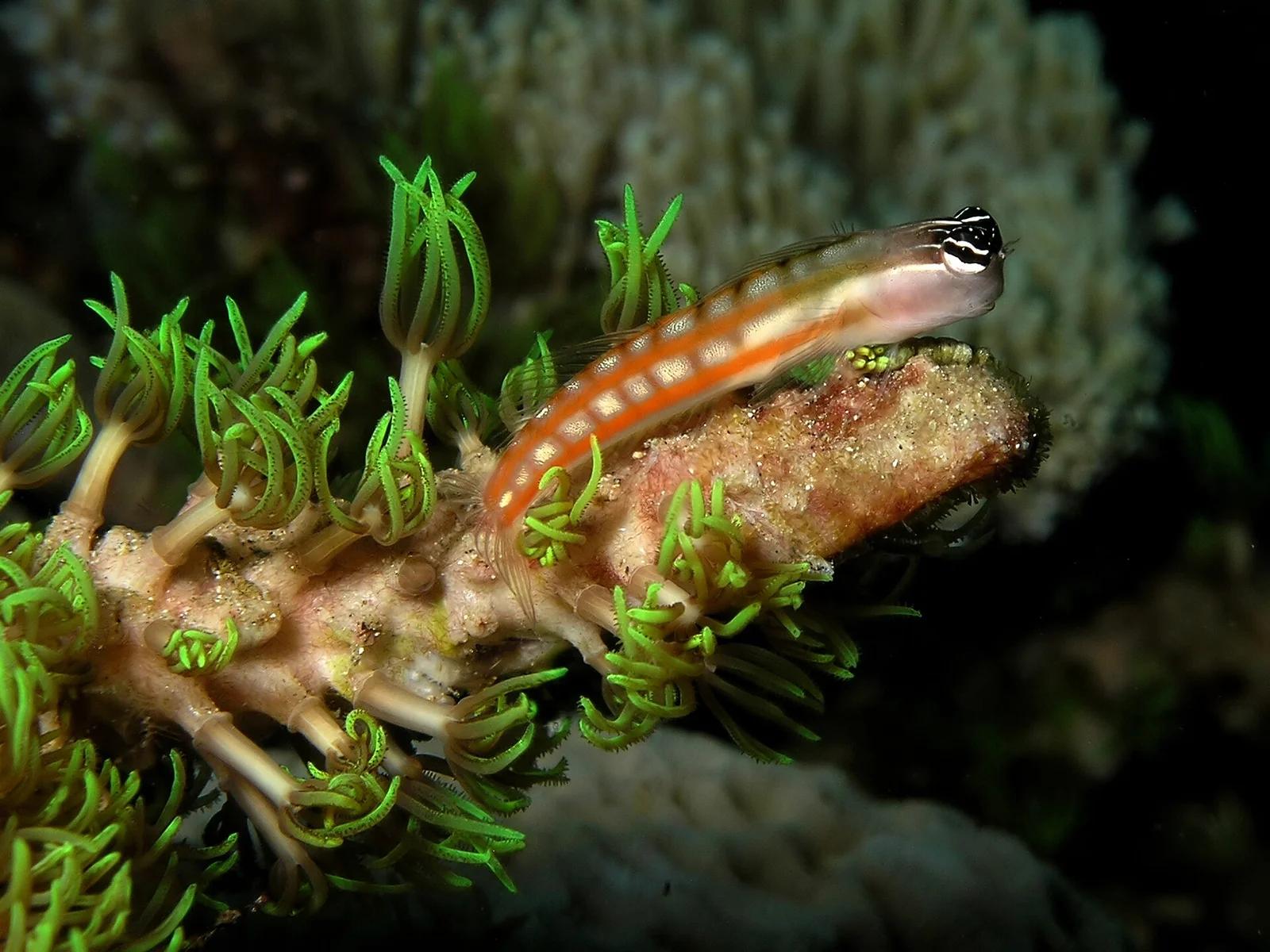
Fish · Least Concern
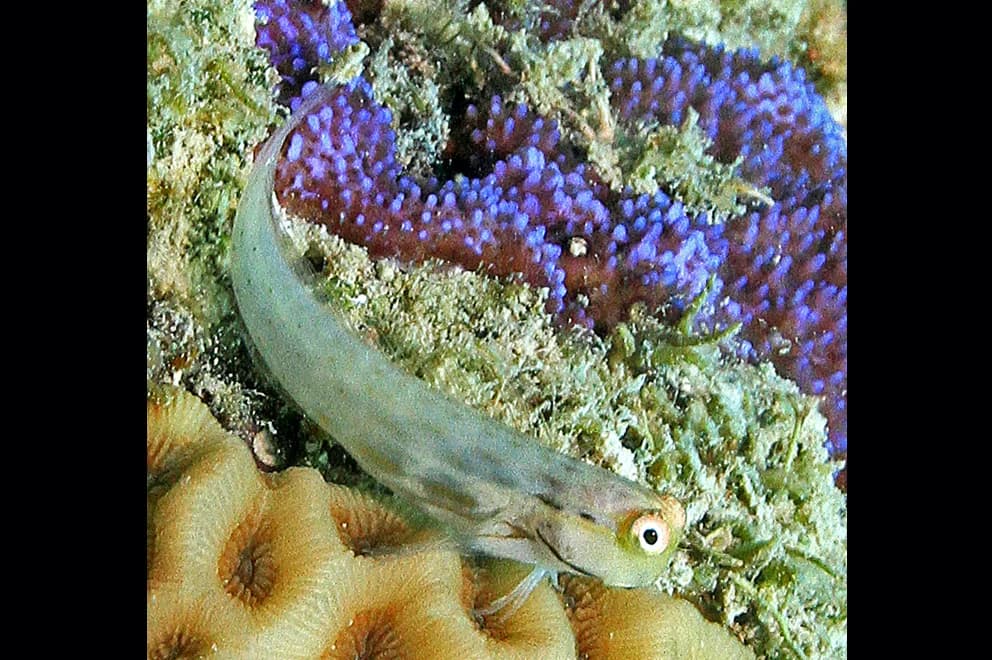
Nick Hobgood · CC BY-SA · Wikimedia Commons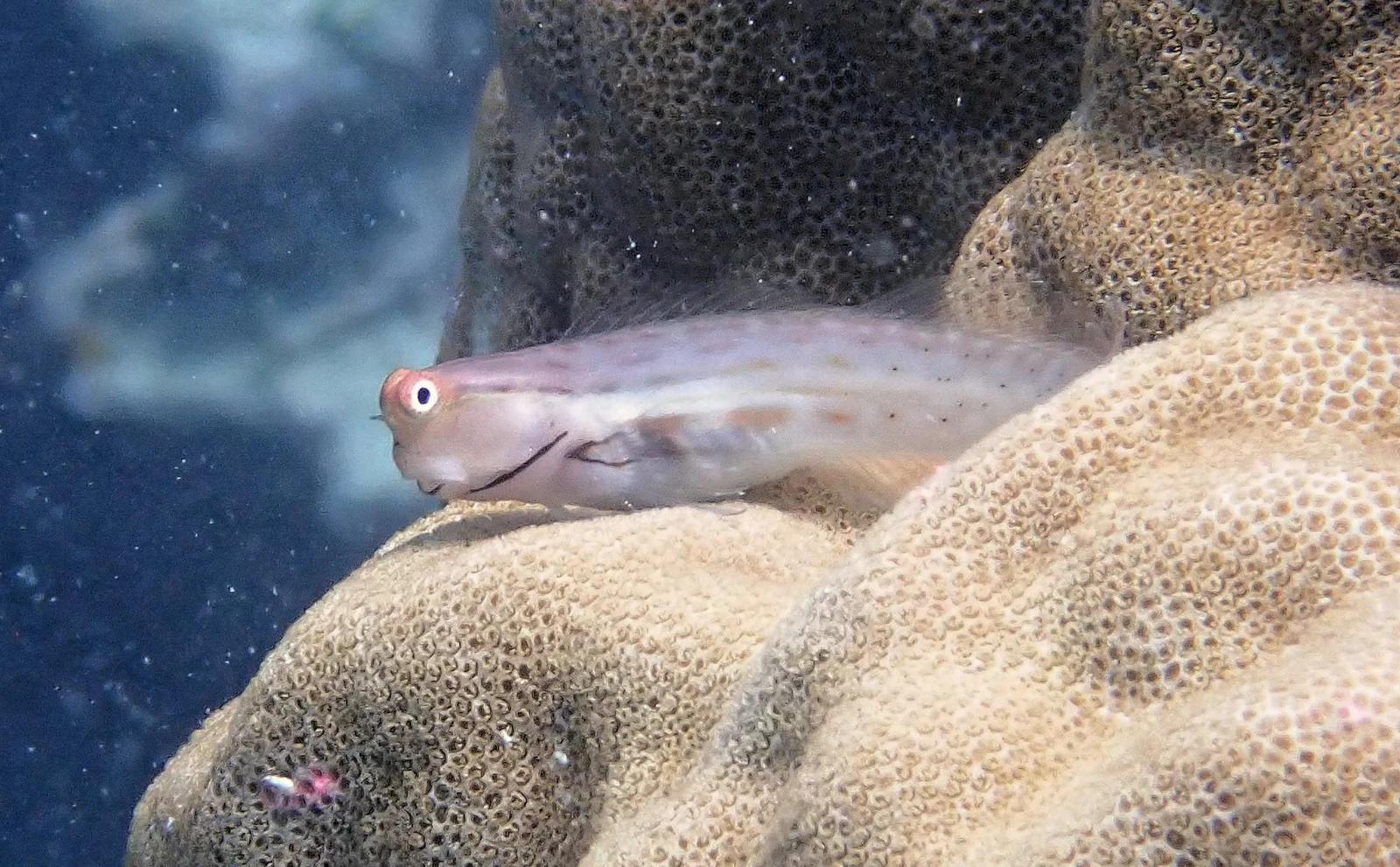 Donald Davesne · CC BY · Wikimedia Commons
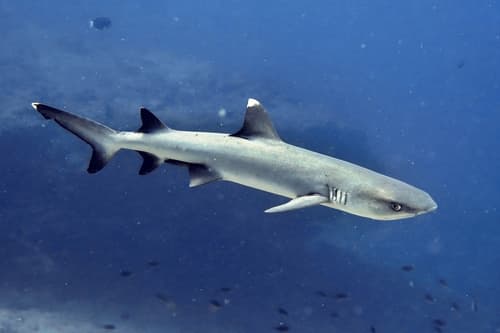
 Graham Edgar / Reef Life Survey · CC BY · Wikimedia Commons
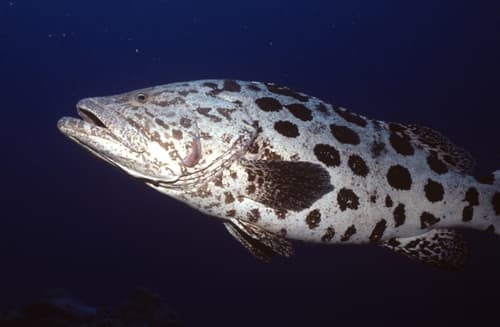
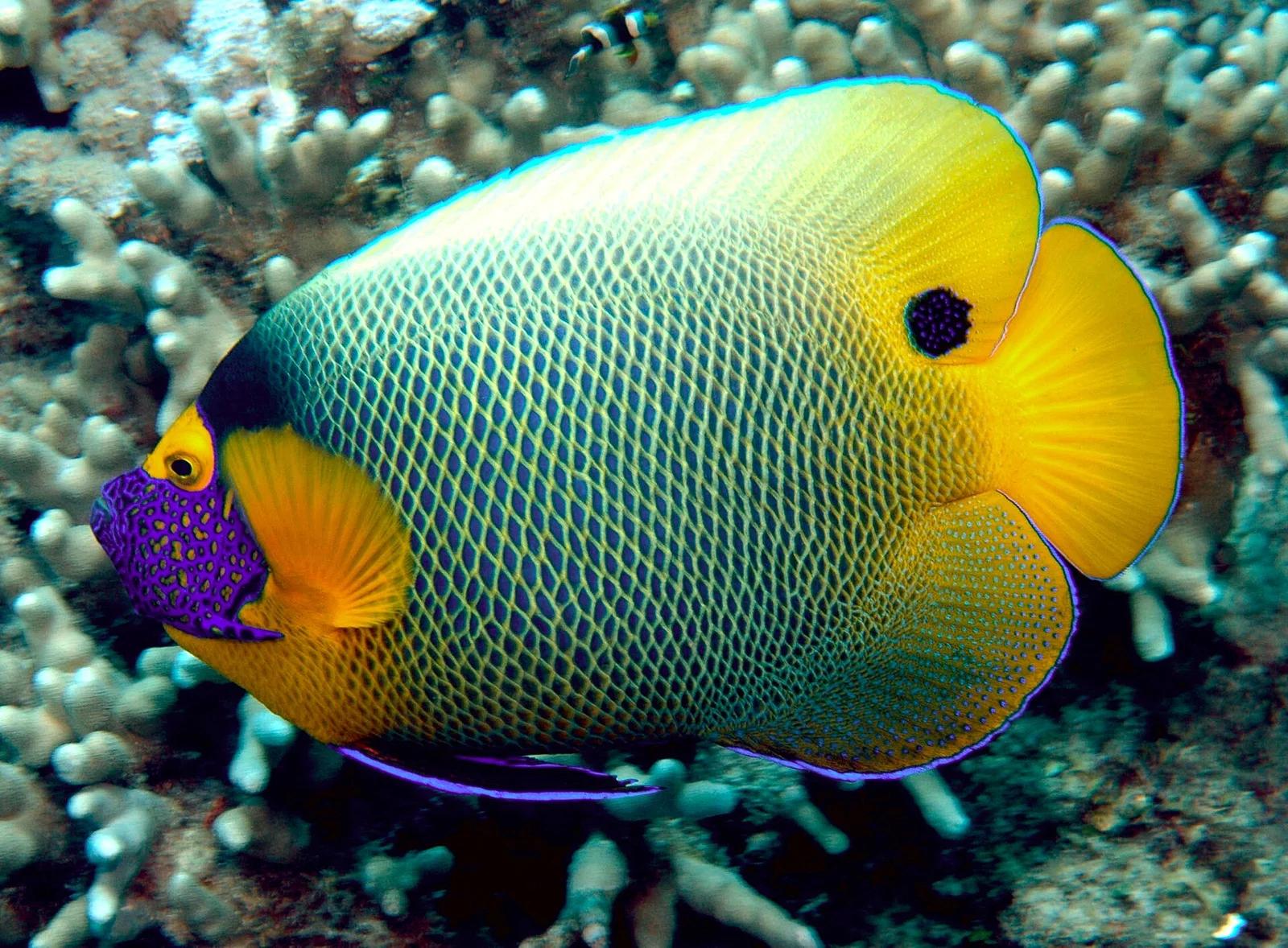
Angelfishes · Least Concern
Leonard Low from Australia · CC BY · Wikimedia Commons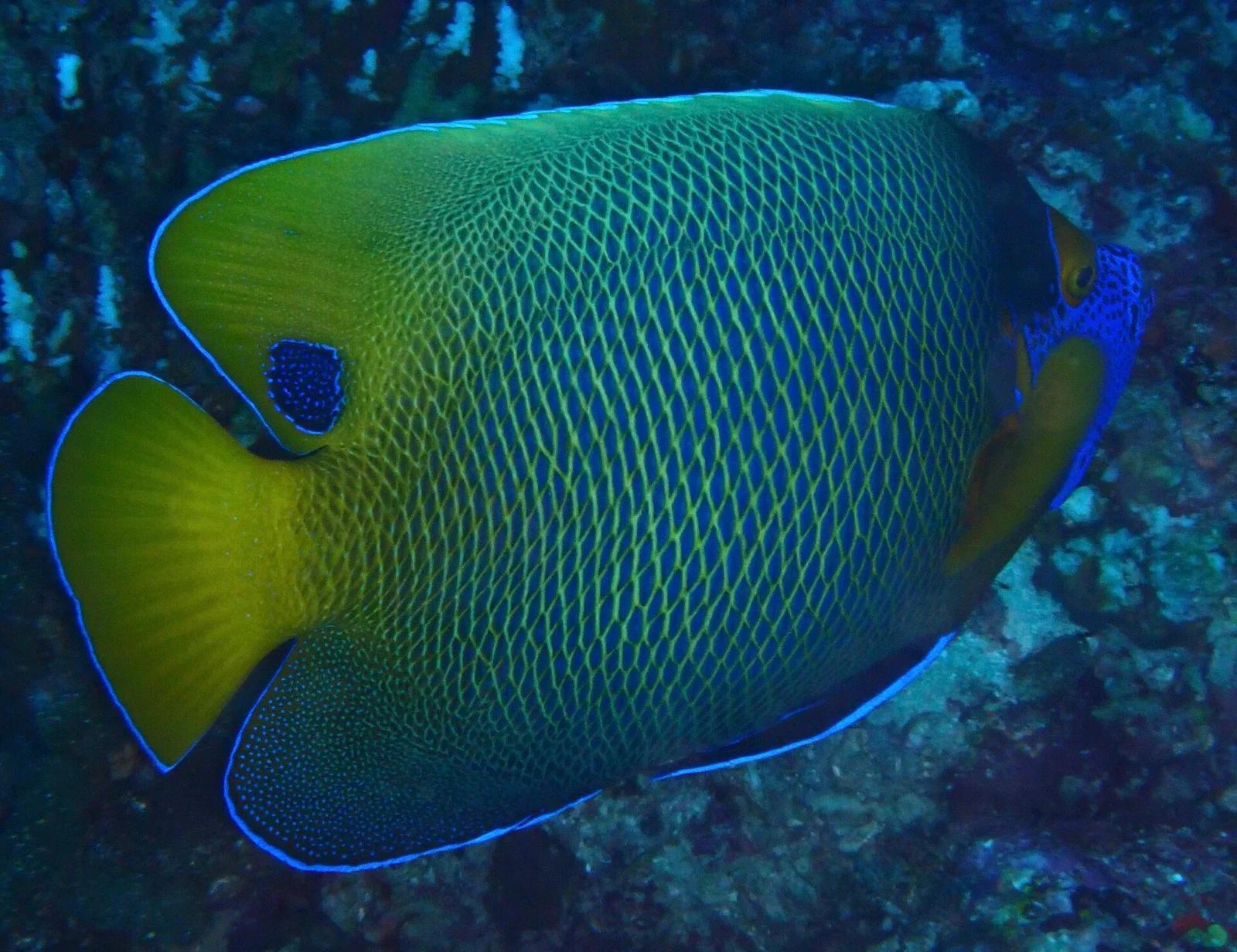 Jean-Paul Boerekamps · CC0 · Wikimedia Commons
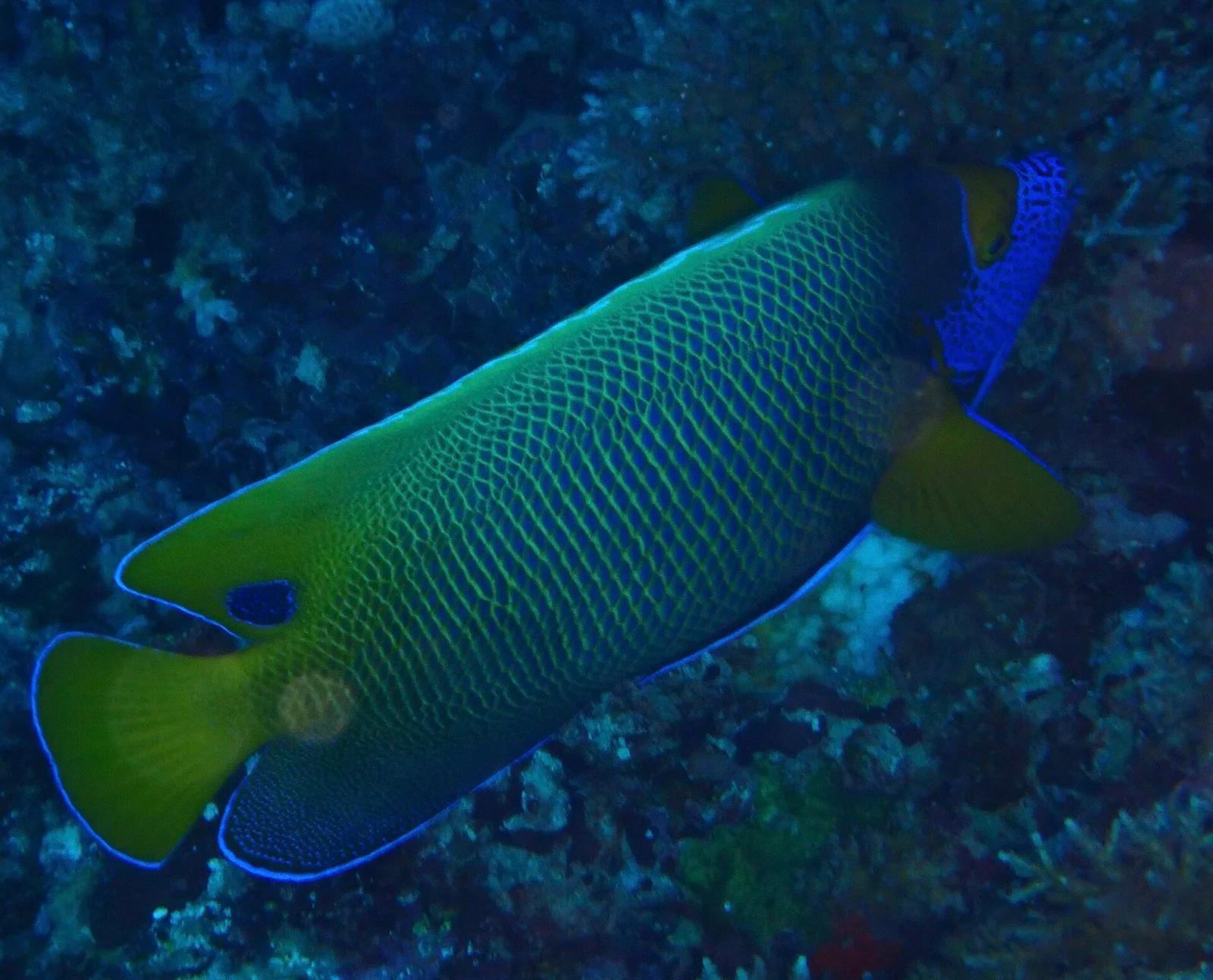 Jean-Paul Boerekamps · CC0 · Wikimedia Commons
 Jean-Paul Boerekamps · CC0 · Wikimedia Commons
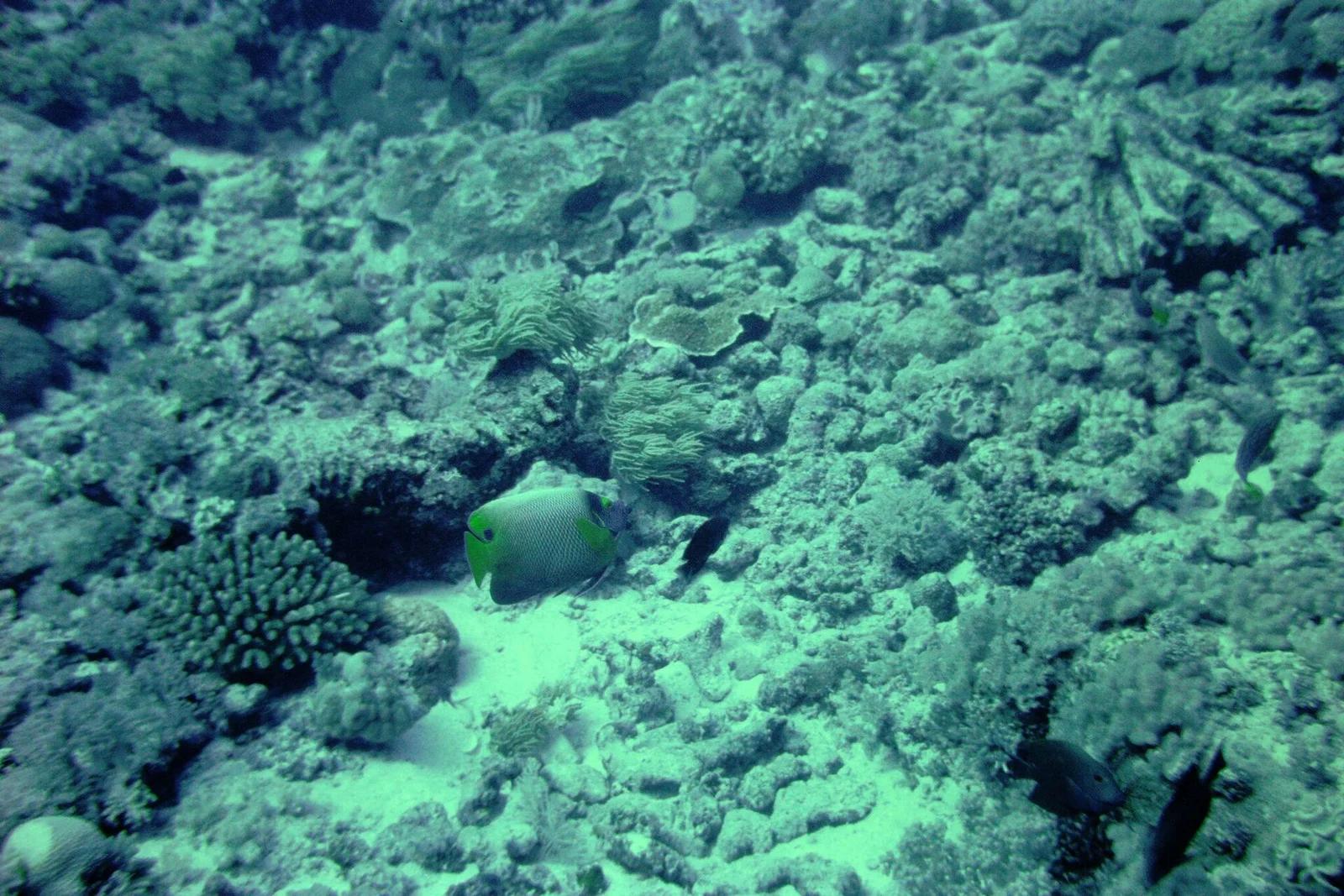 Ditch Townsend · CC BY-SA · Wikimedia Commons
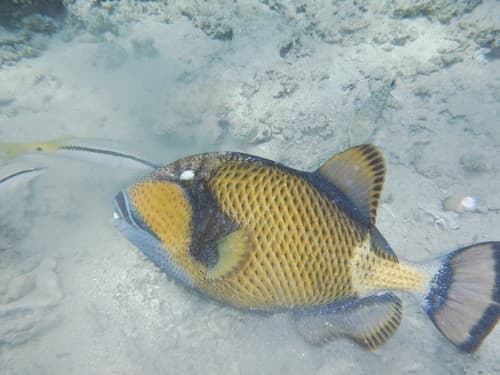 Michal Honskus · CC BY · iNaturalist
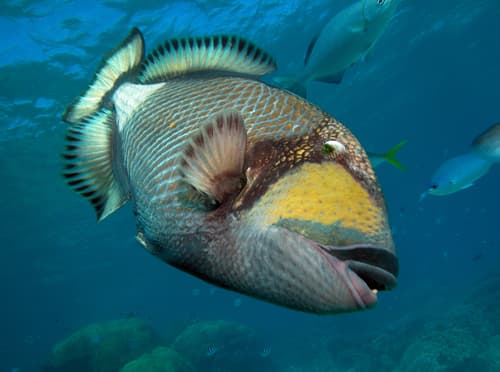 Leonard Low from Australia · CC BY · iNaturalist
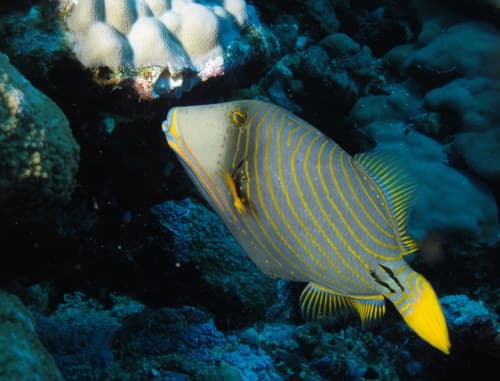
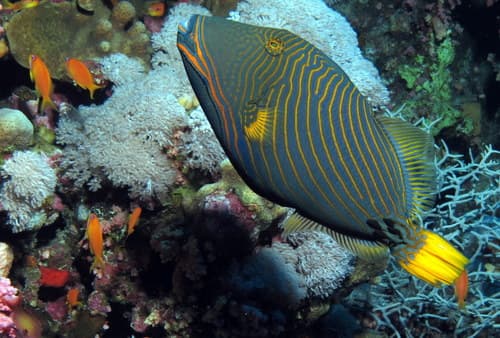
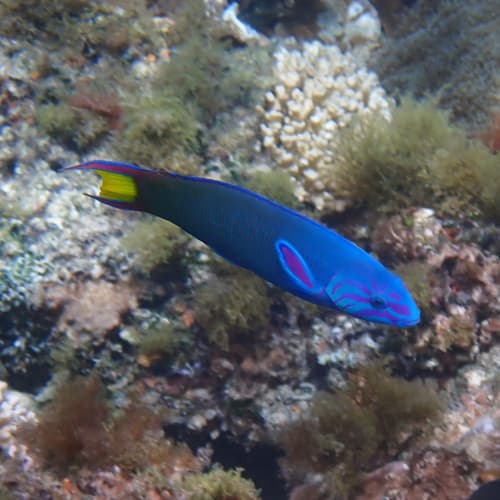
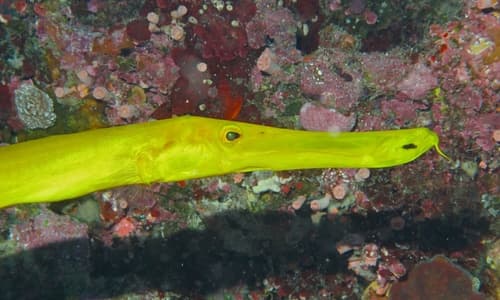
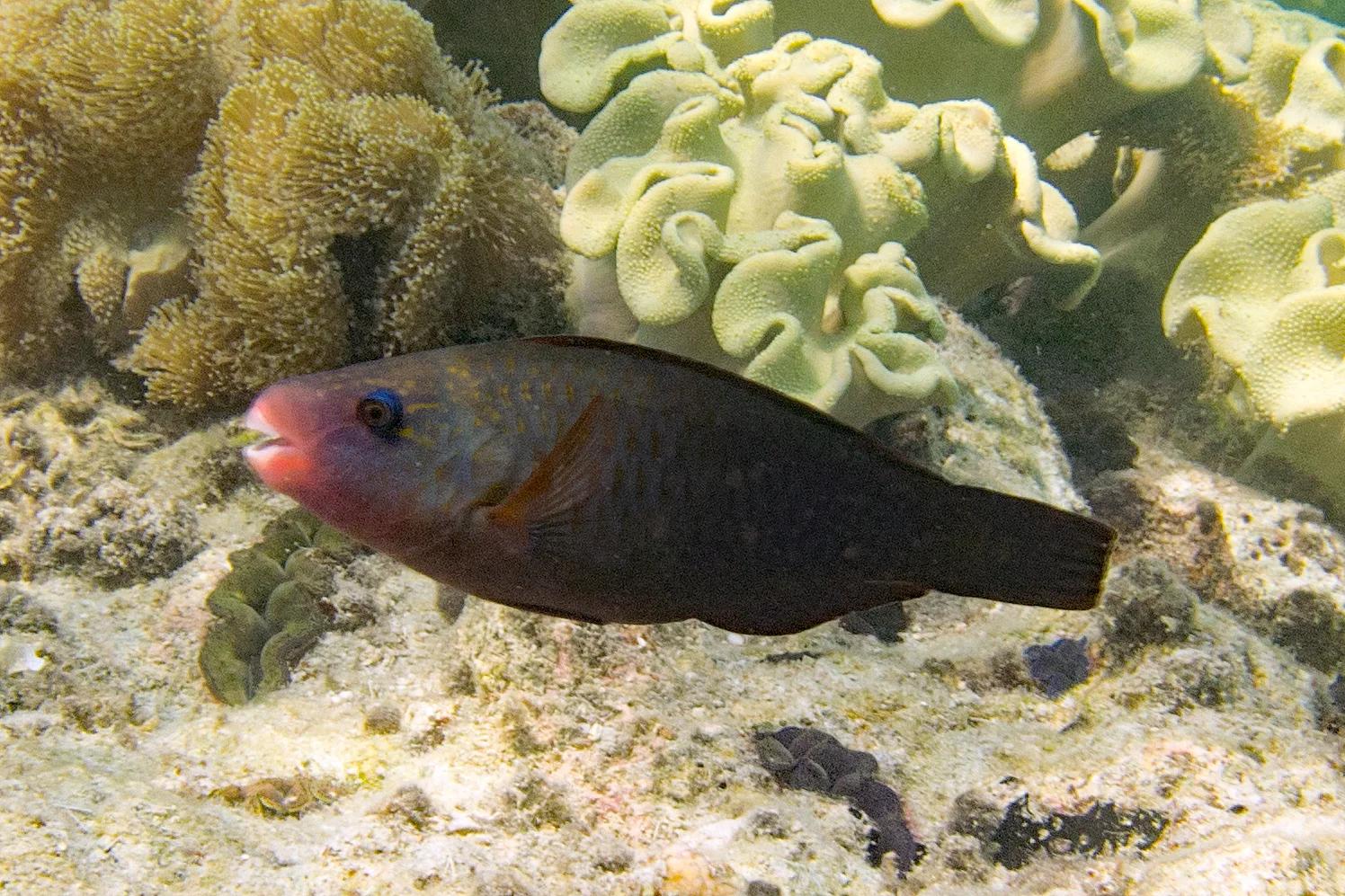
Wrasses & Parrotfishes · Least Concern
Susan Prior · CC BY · iNaturalist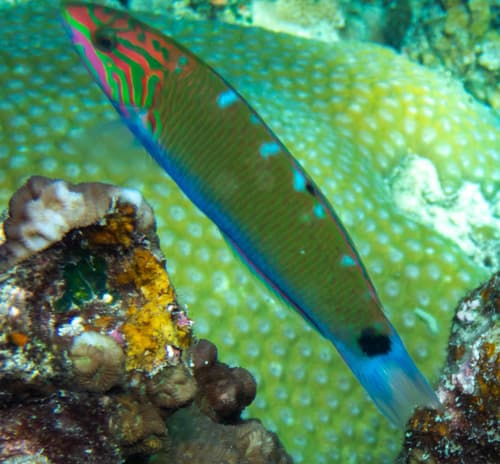 portioid · CC BY · iNaturalist
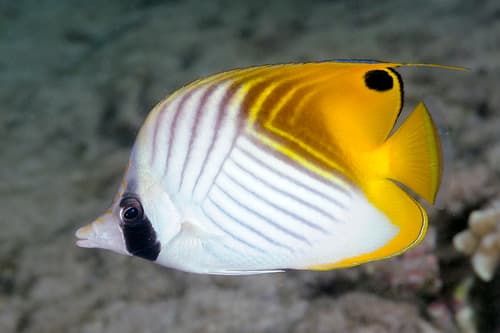
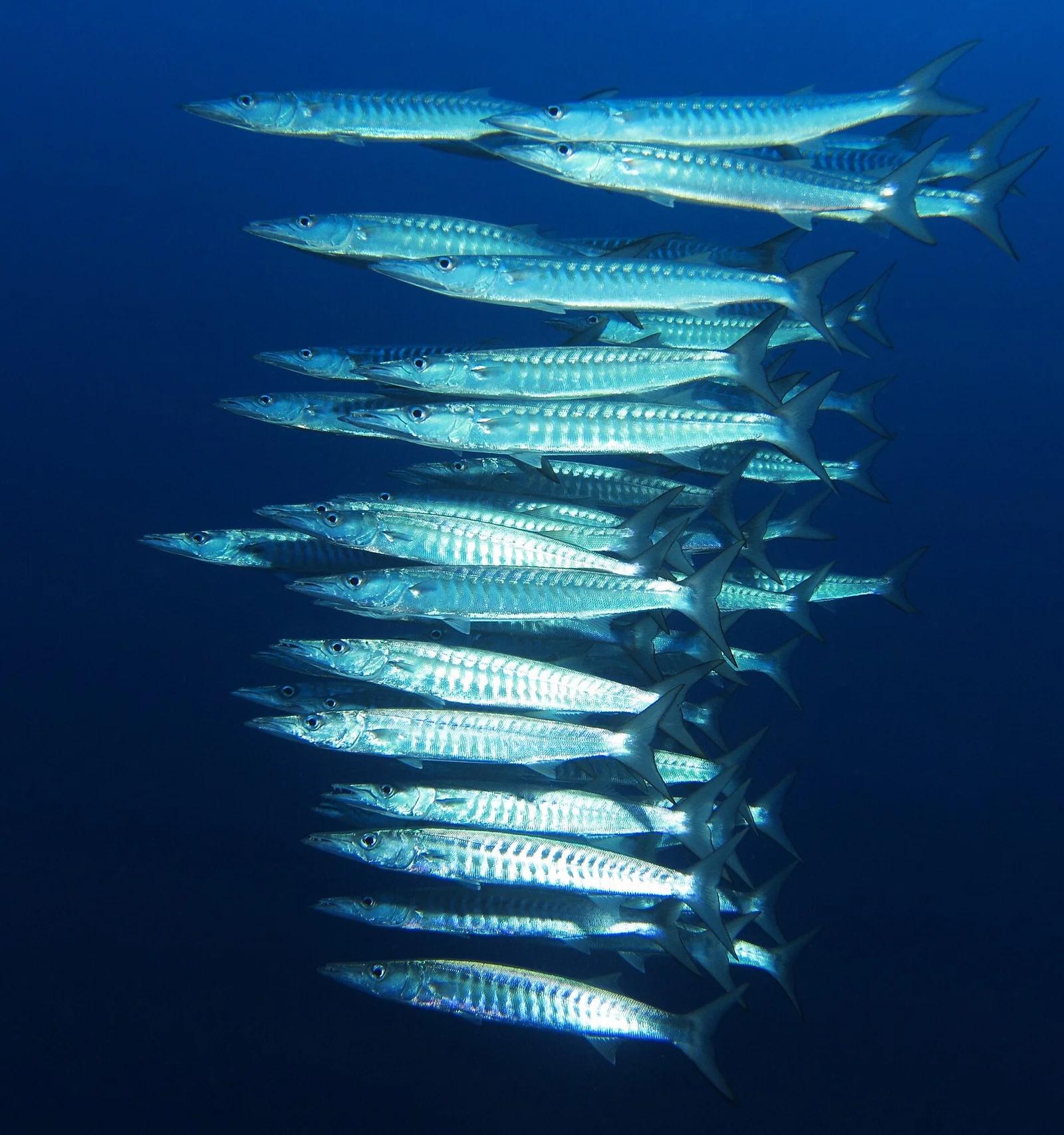 Alexander Vasenin · CC BY-SA · Wikimedia Commons
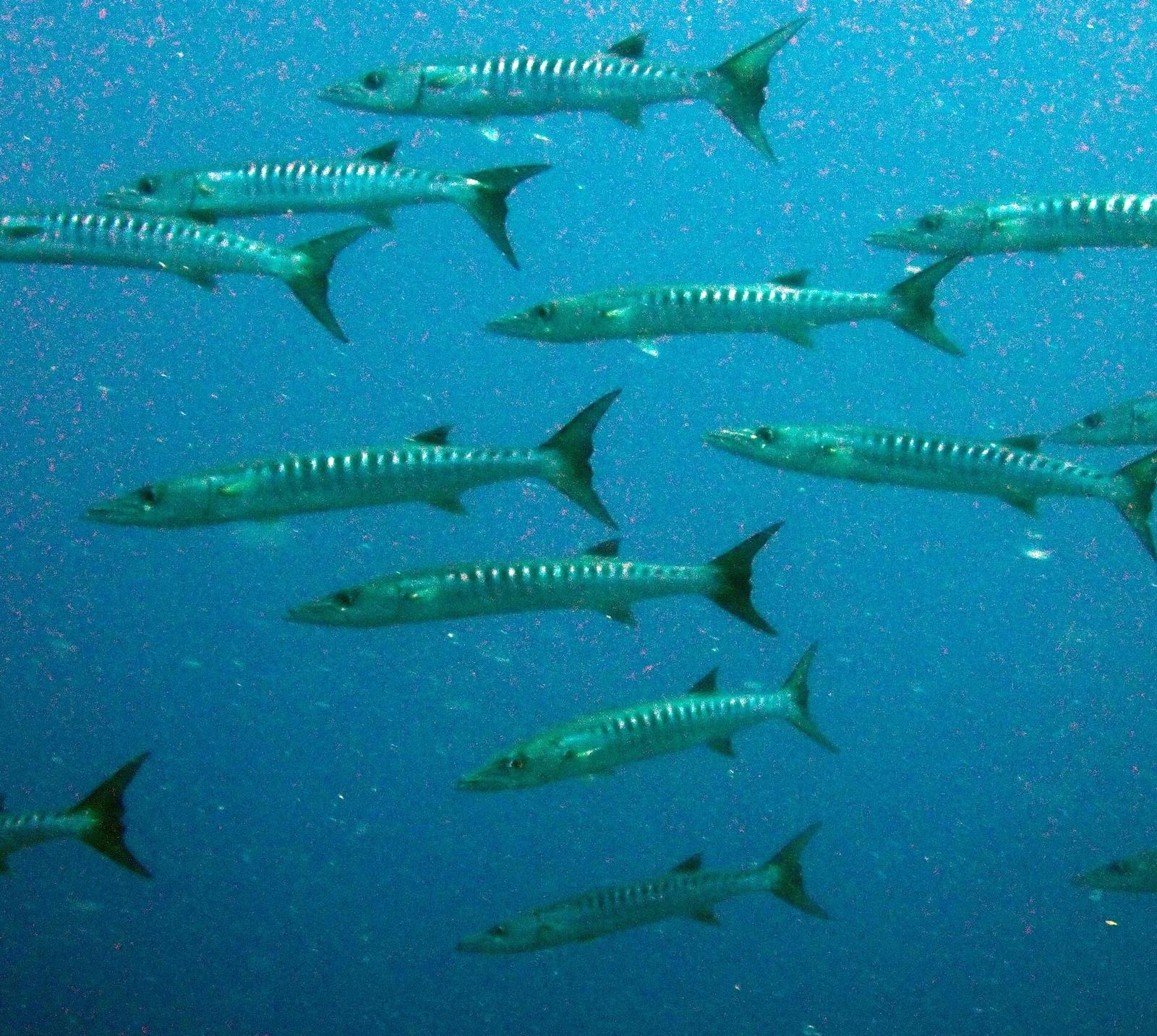 Micha Baum · CC BY-SA · Wikimedia Commons
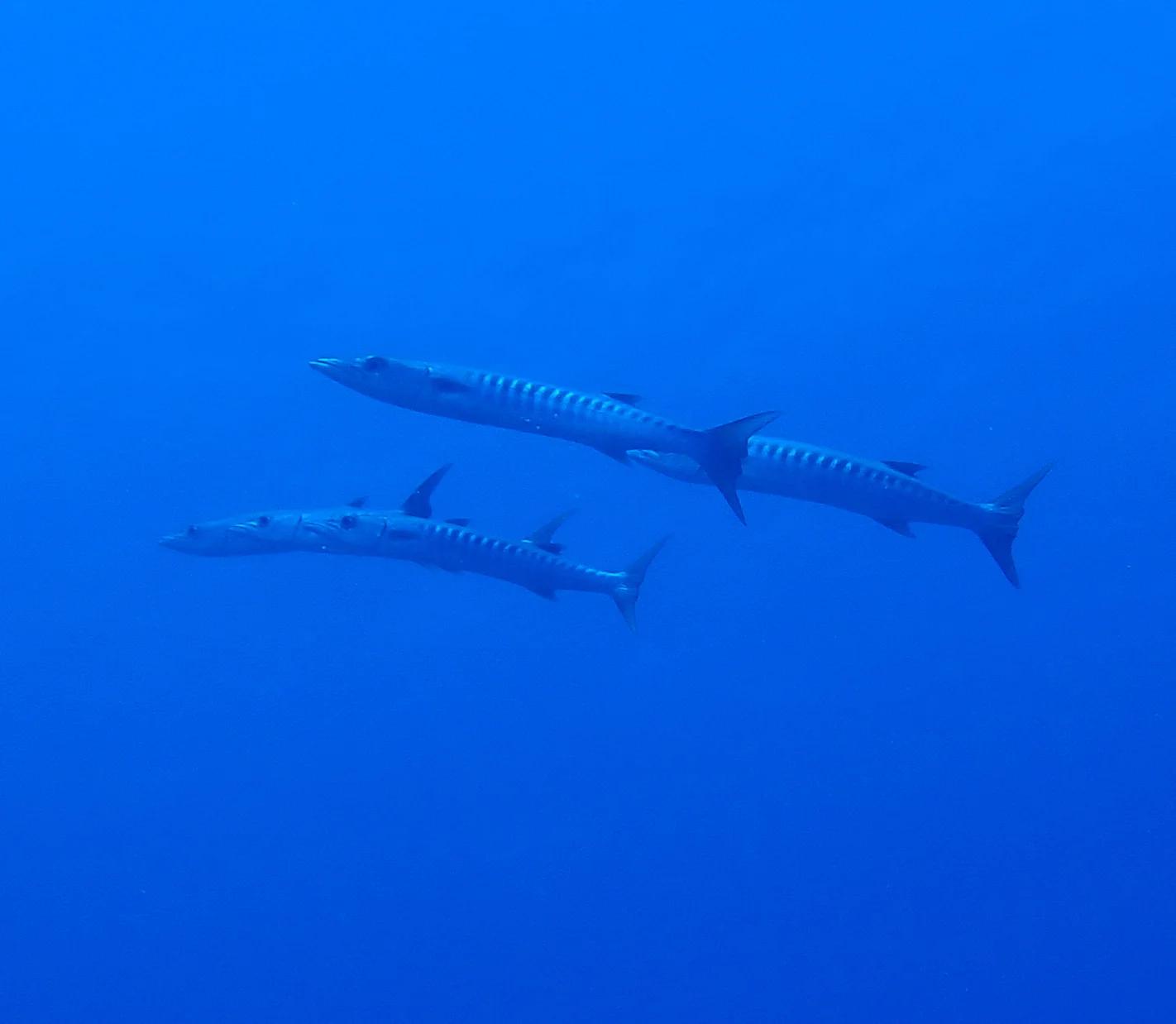 Debra Baker · CC BY · Wikimedia Commons
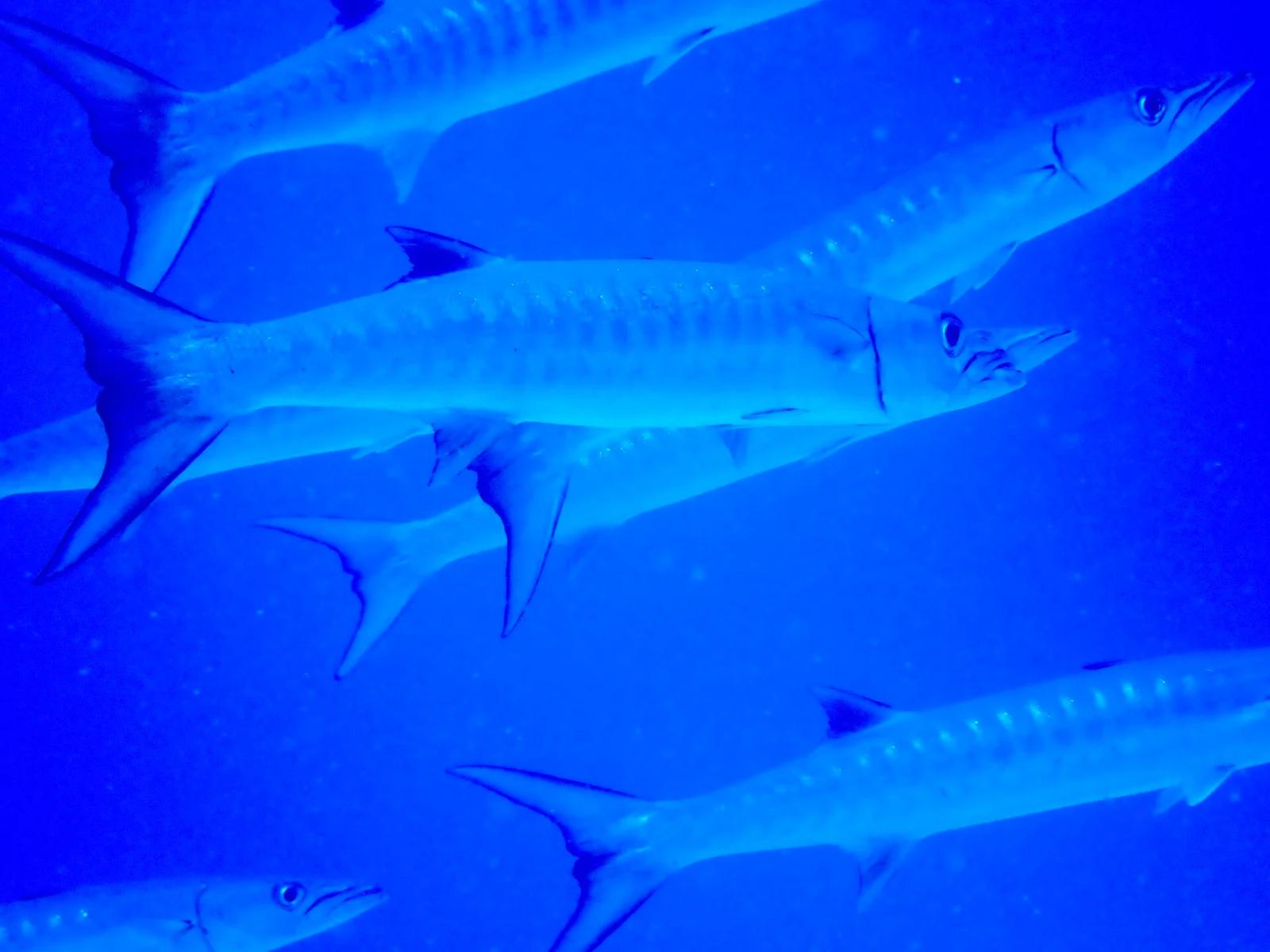 Jean-Paul Boerekamps · CC0 · Wikimedia Commons
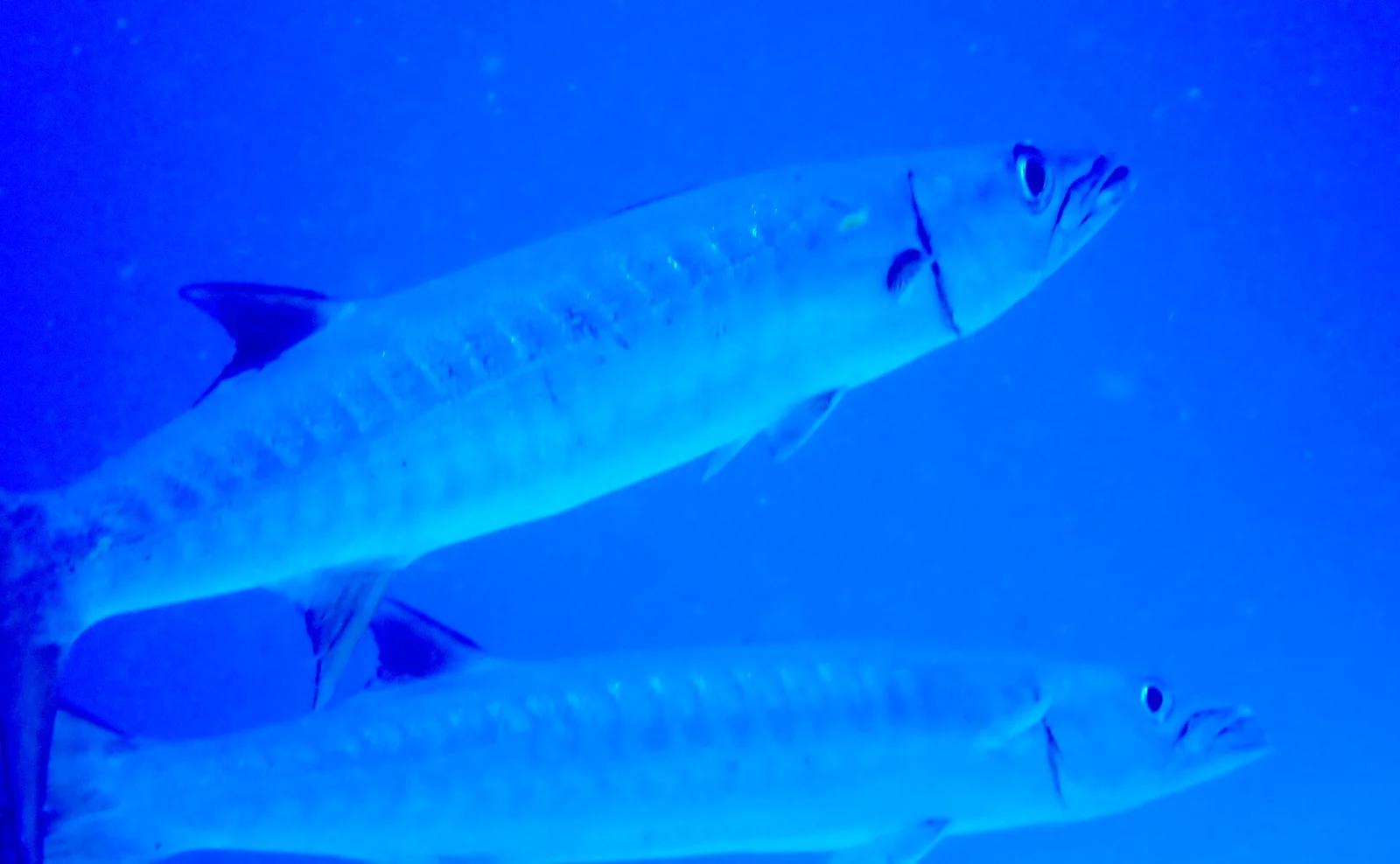 Jean-Paul Boerekamps · CC0 · Wikimedia Commons
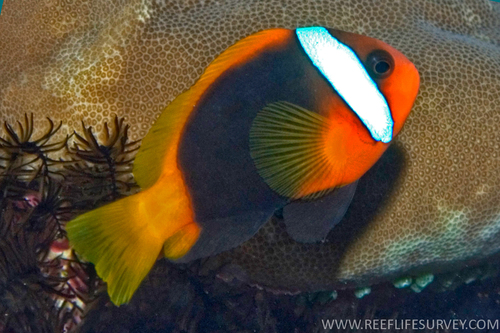
Damselfishes · Least Concern
Andrew J. Green / Reef life Survey. · CC BY · iNaturalist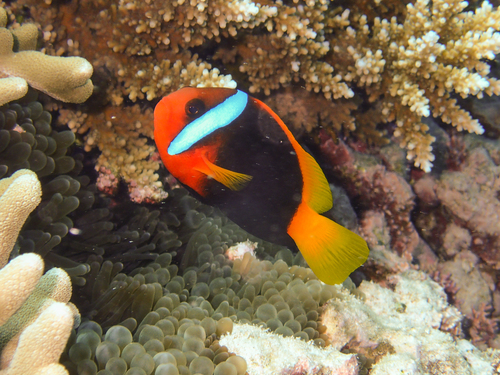 Julien Renoult · CC BY · iNaturalist
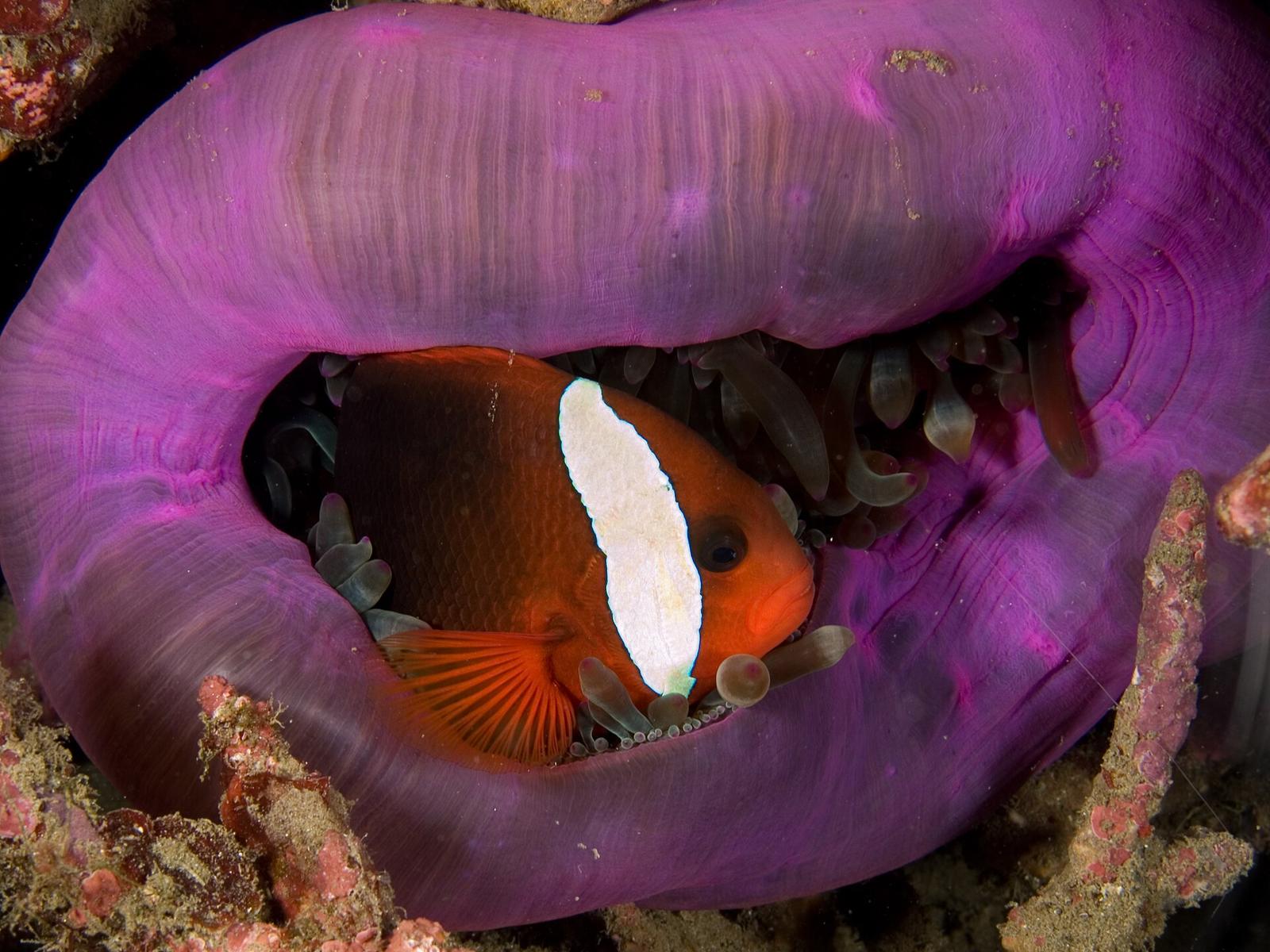 Nhobgood Nick Hobgood · CC BY-SA · Wikimedia Commons
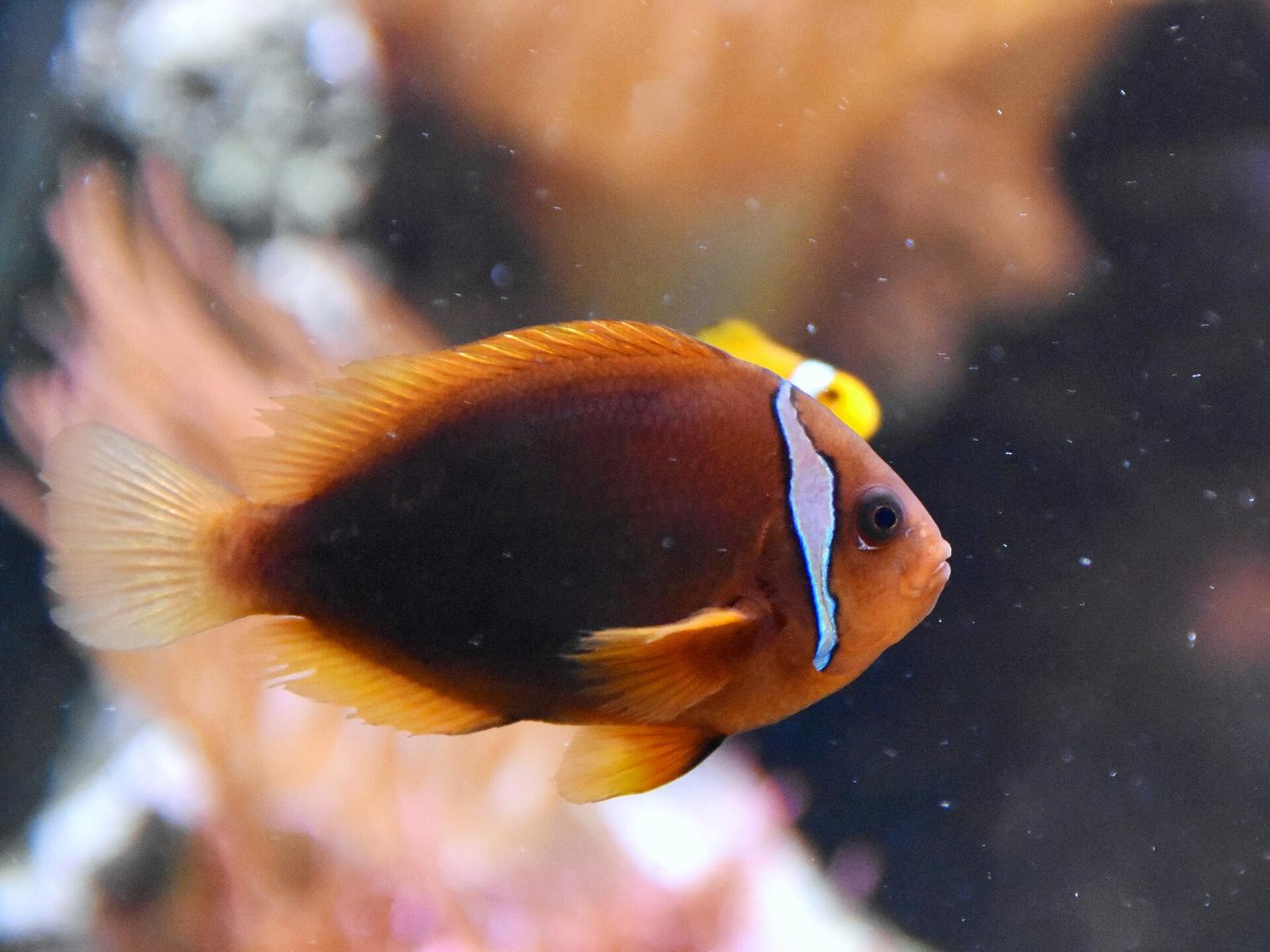 NasserHalaweh · CC BY-SA · Wikimedia Commons
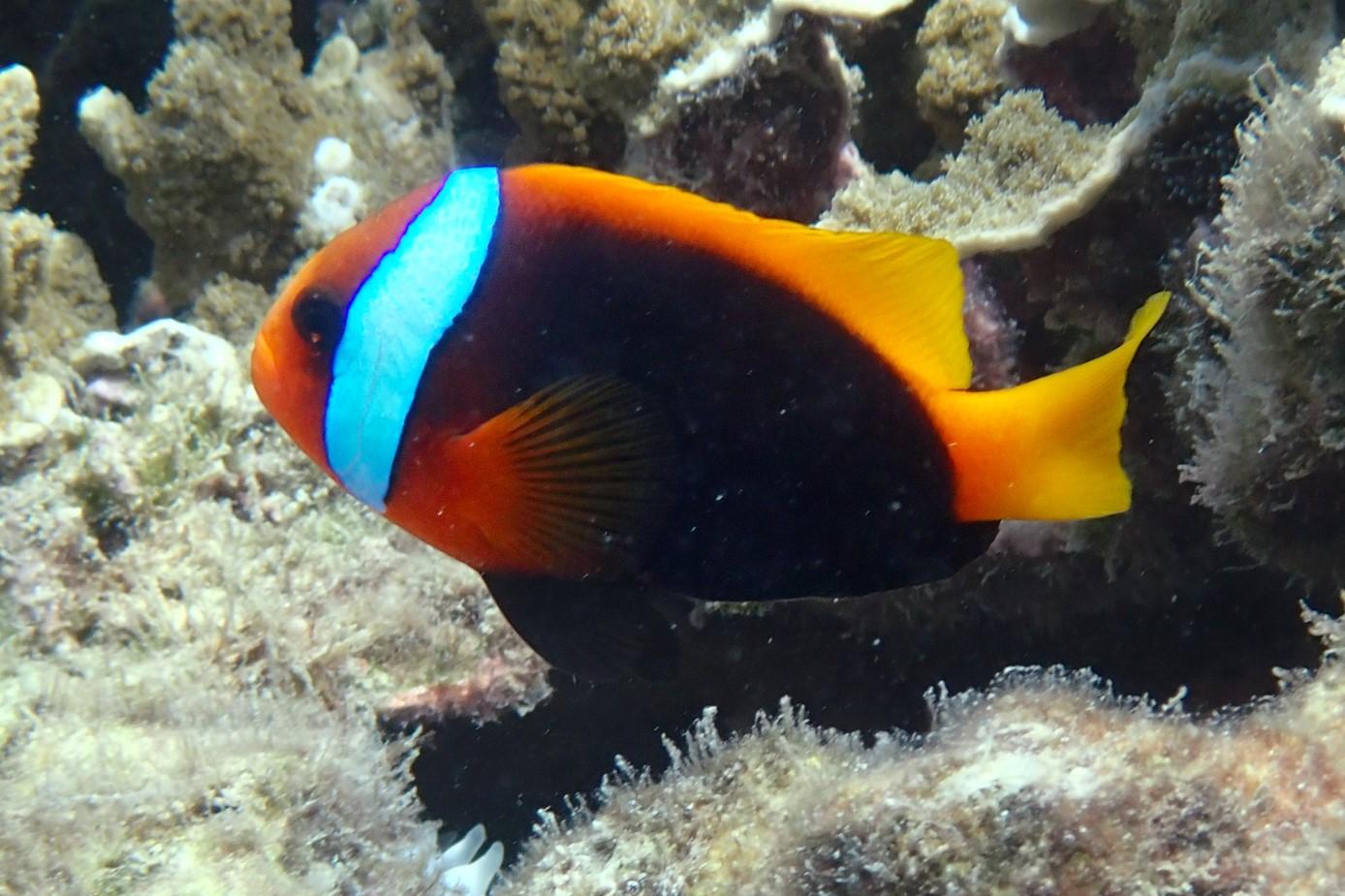 Yi-Kai Tea · CC BY-SA · Wikimedia Commons
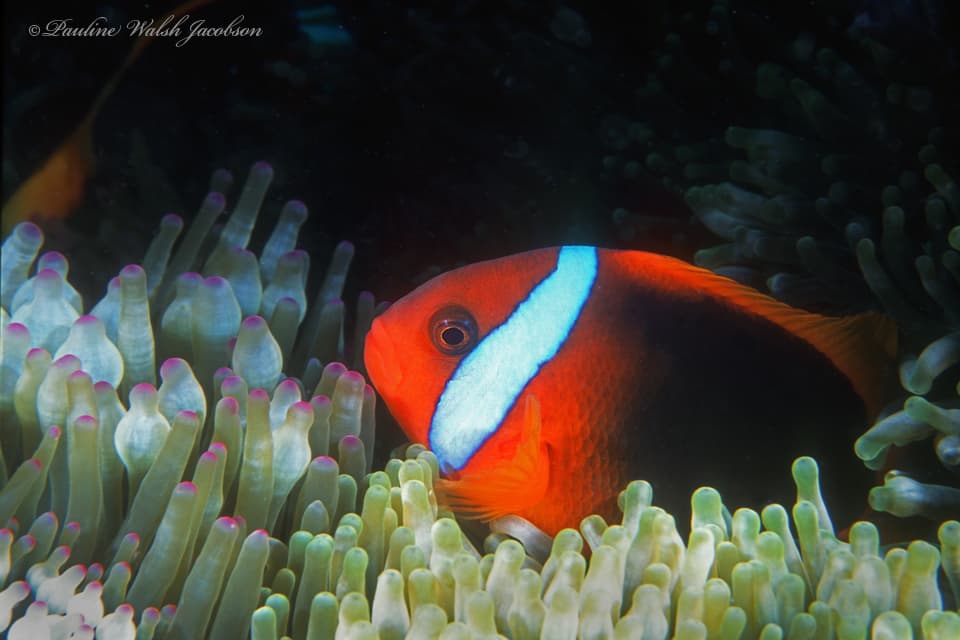 Pauline Walsh Jacobson · CC BY · Wikimedia Commons
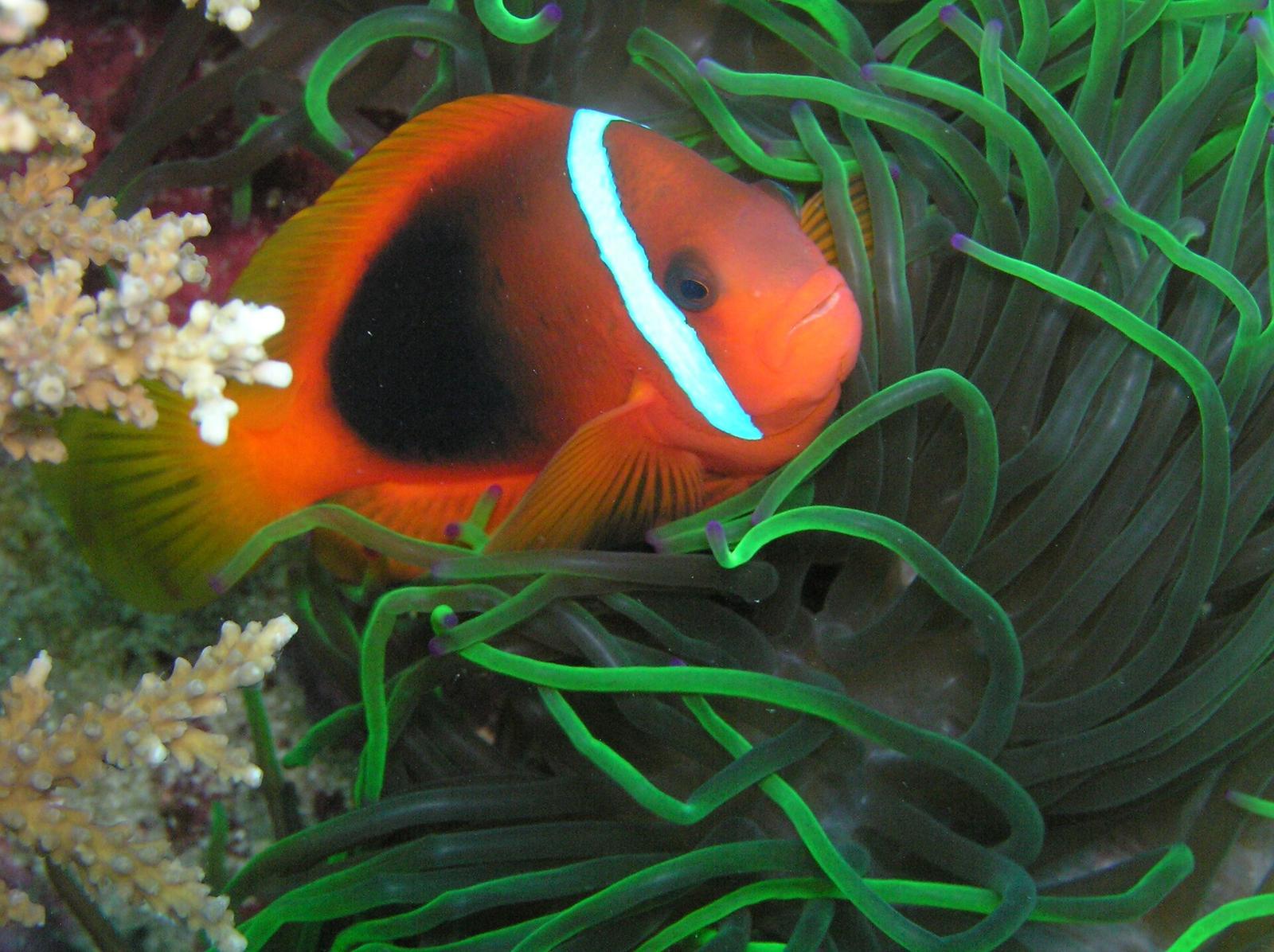 Ditch Townsend · CC BY-SA · Wikimedia Commons
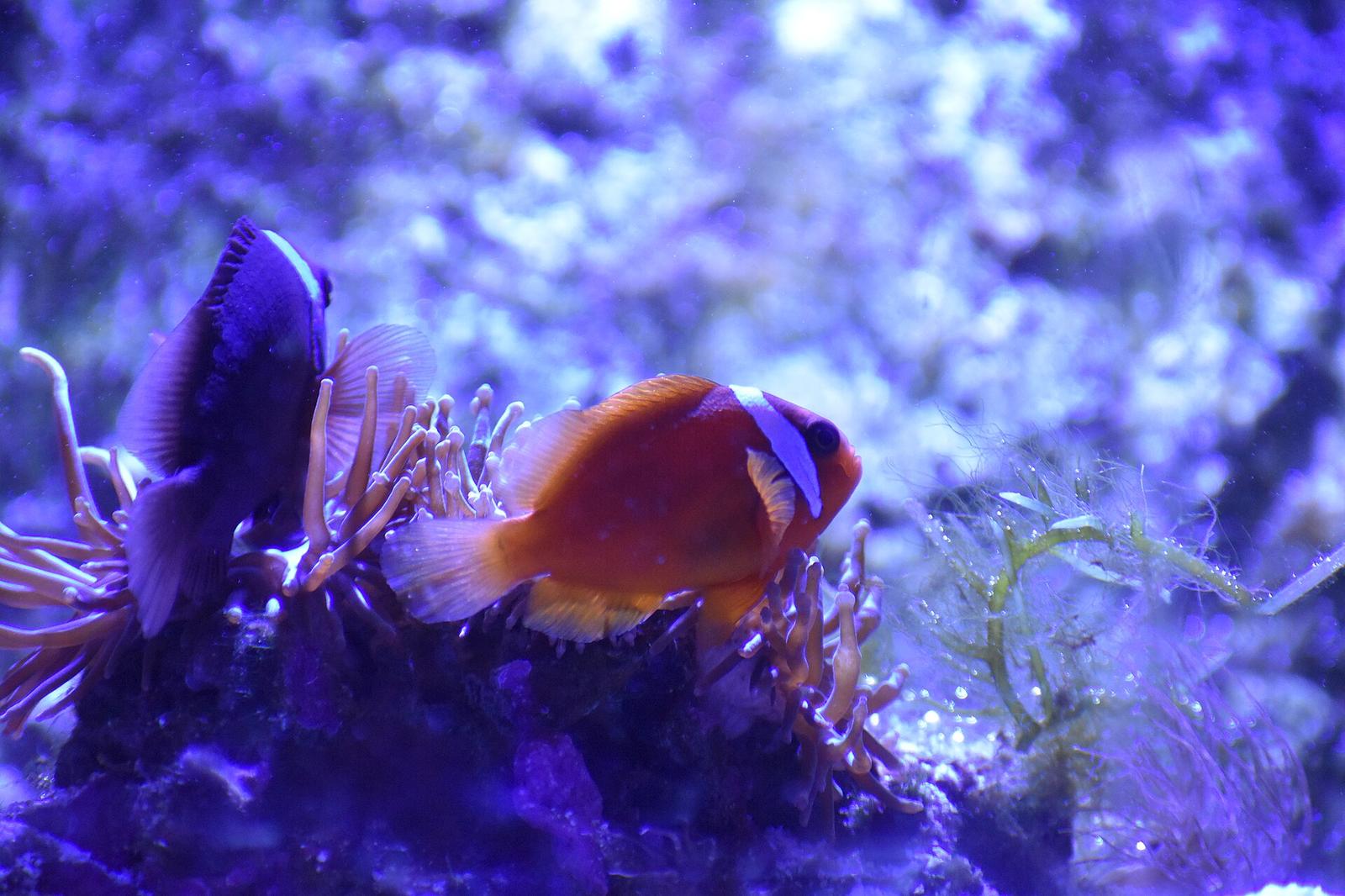 Tylwyth Eldar · CC BY-SA · Wikimedia Commons
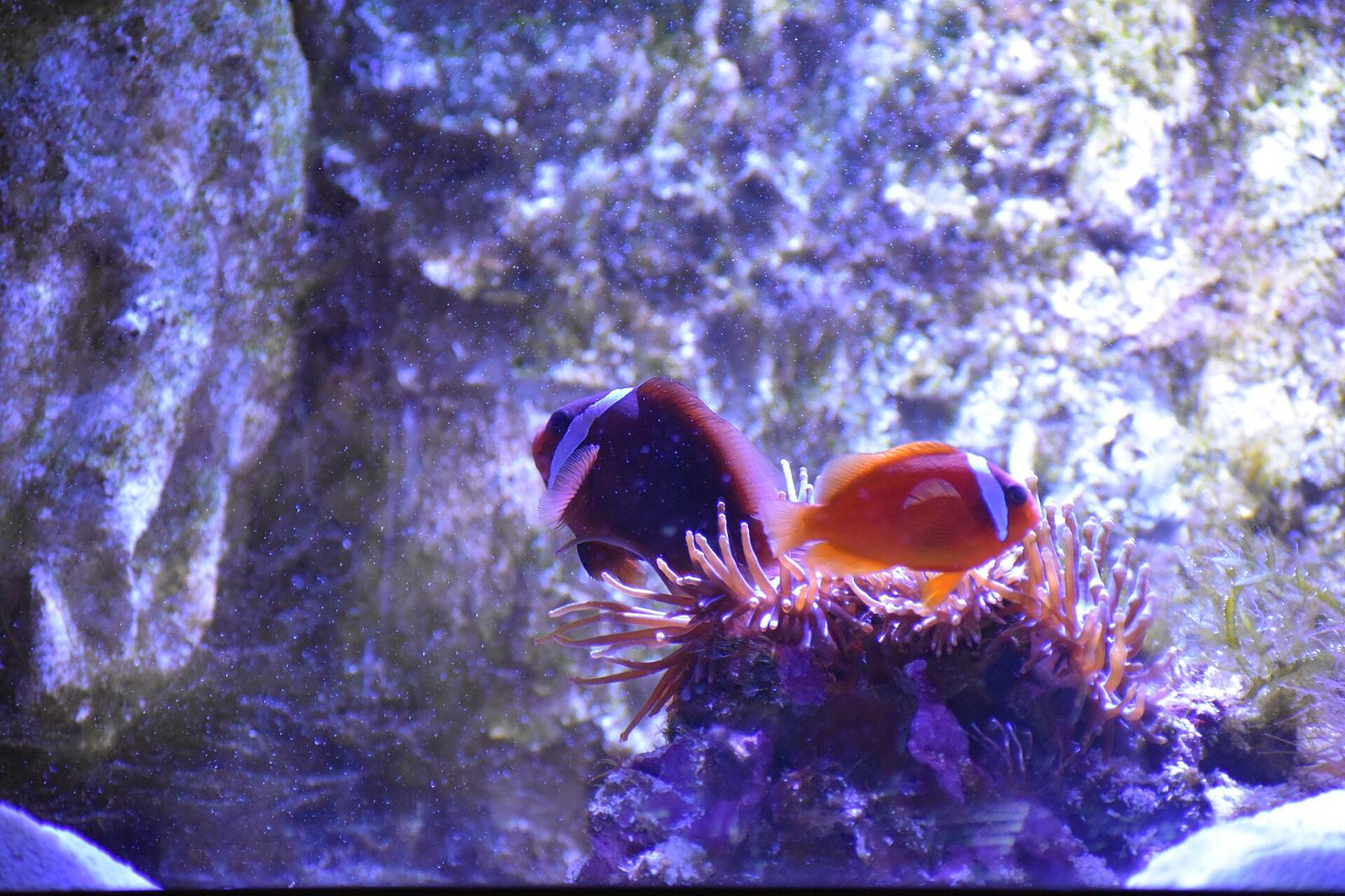 Tylwyth Eldar · CC BY-SA · Wikimedia Commons
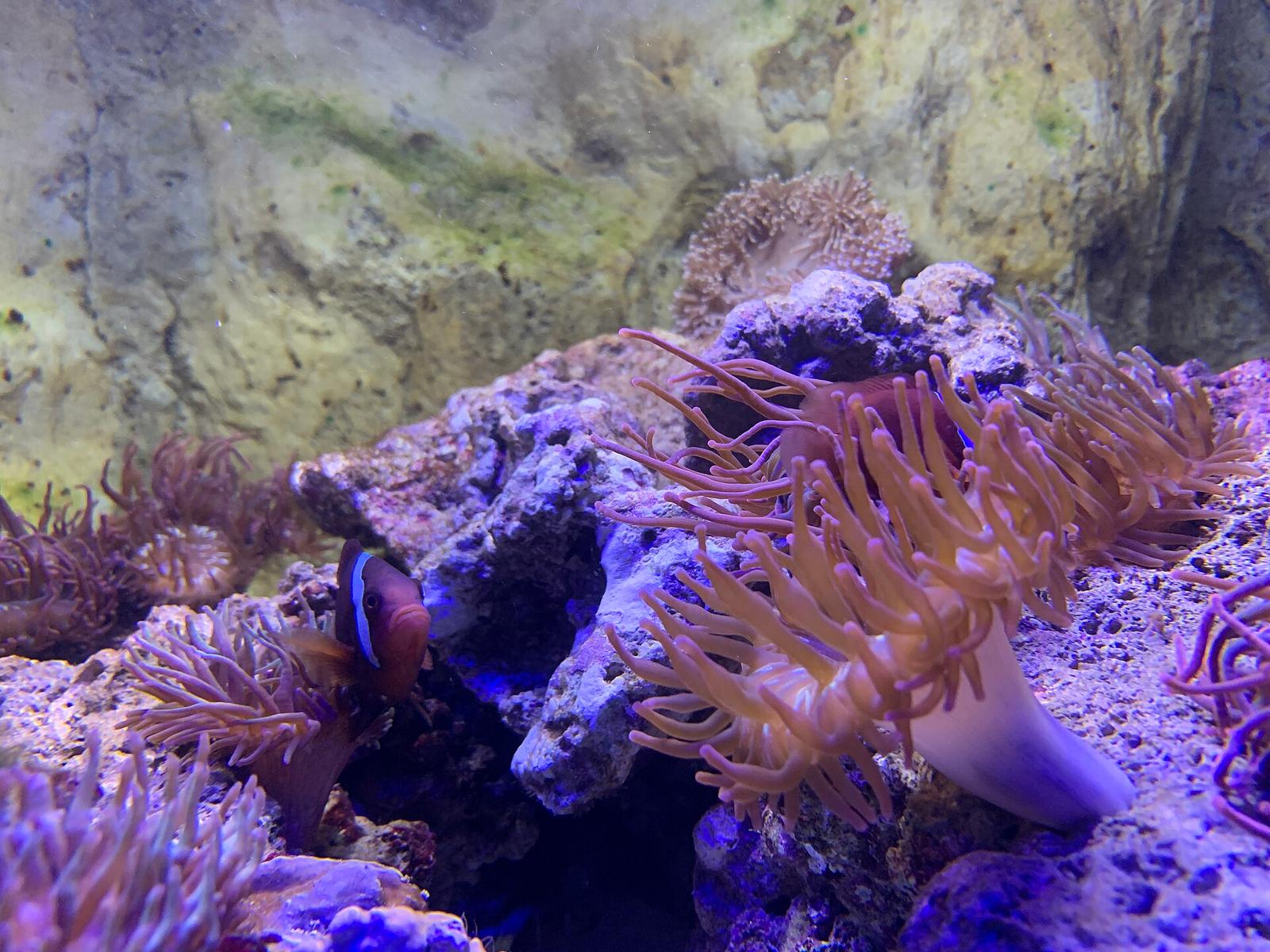 Chabe01 · CC BY-SA · Wikimedia Commons
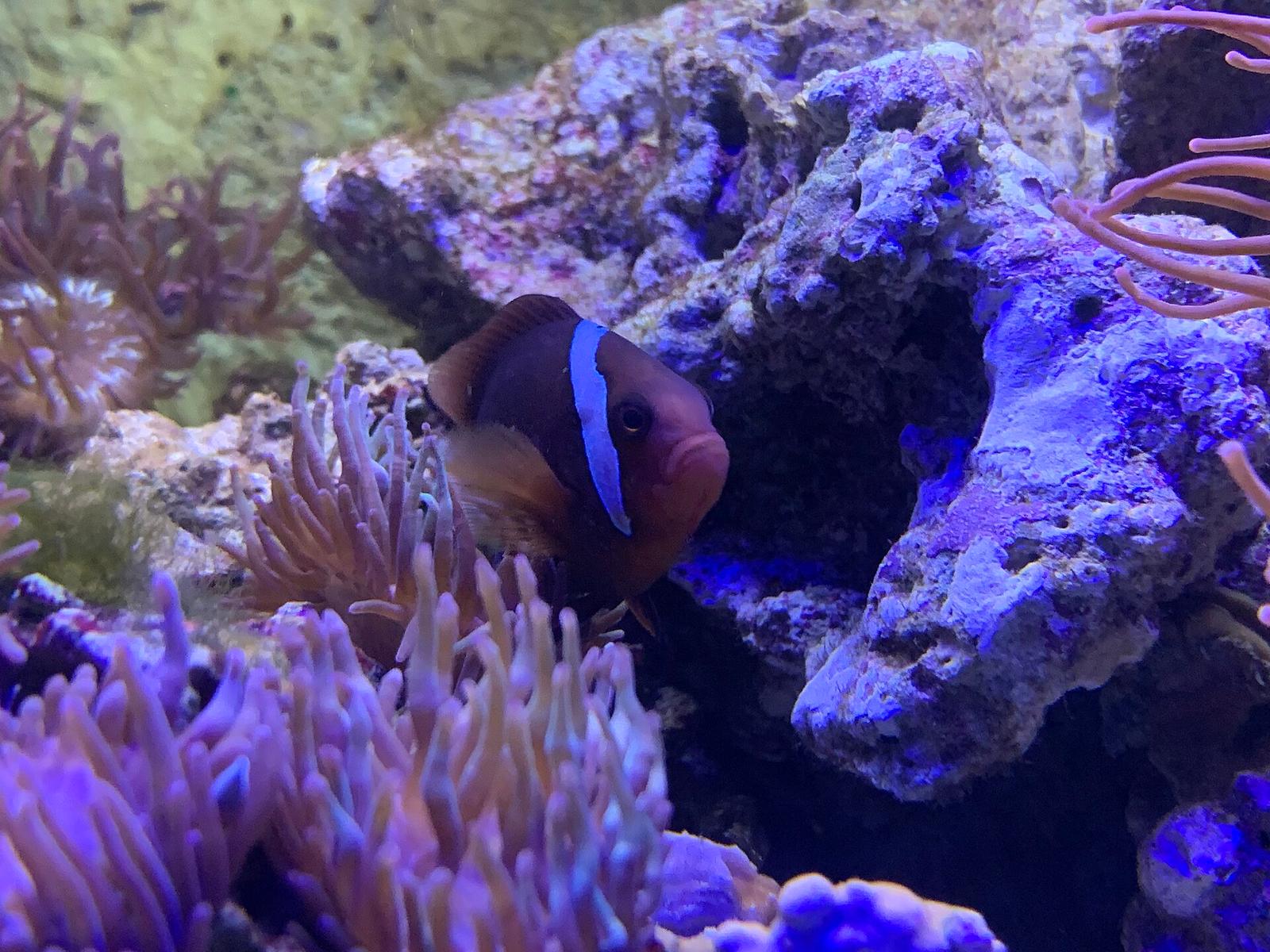 Chabe01 · CC BY-SA · Wikimedia Commons
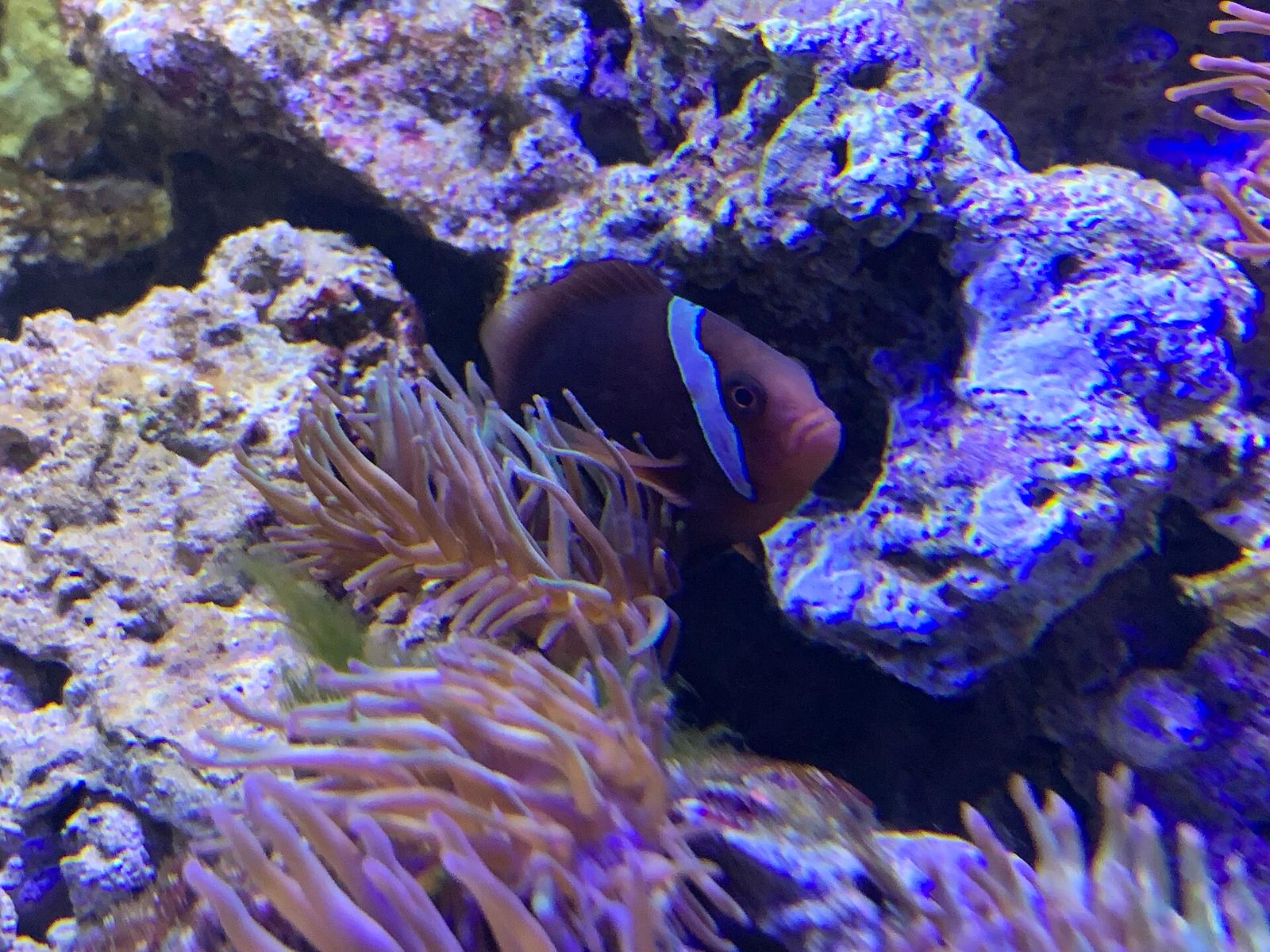 Chabe01 · CC BY-SA · Wikimedia Commons
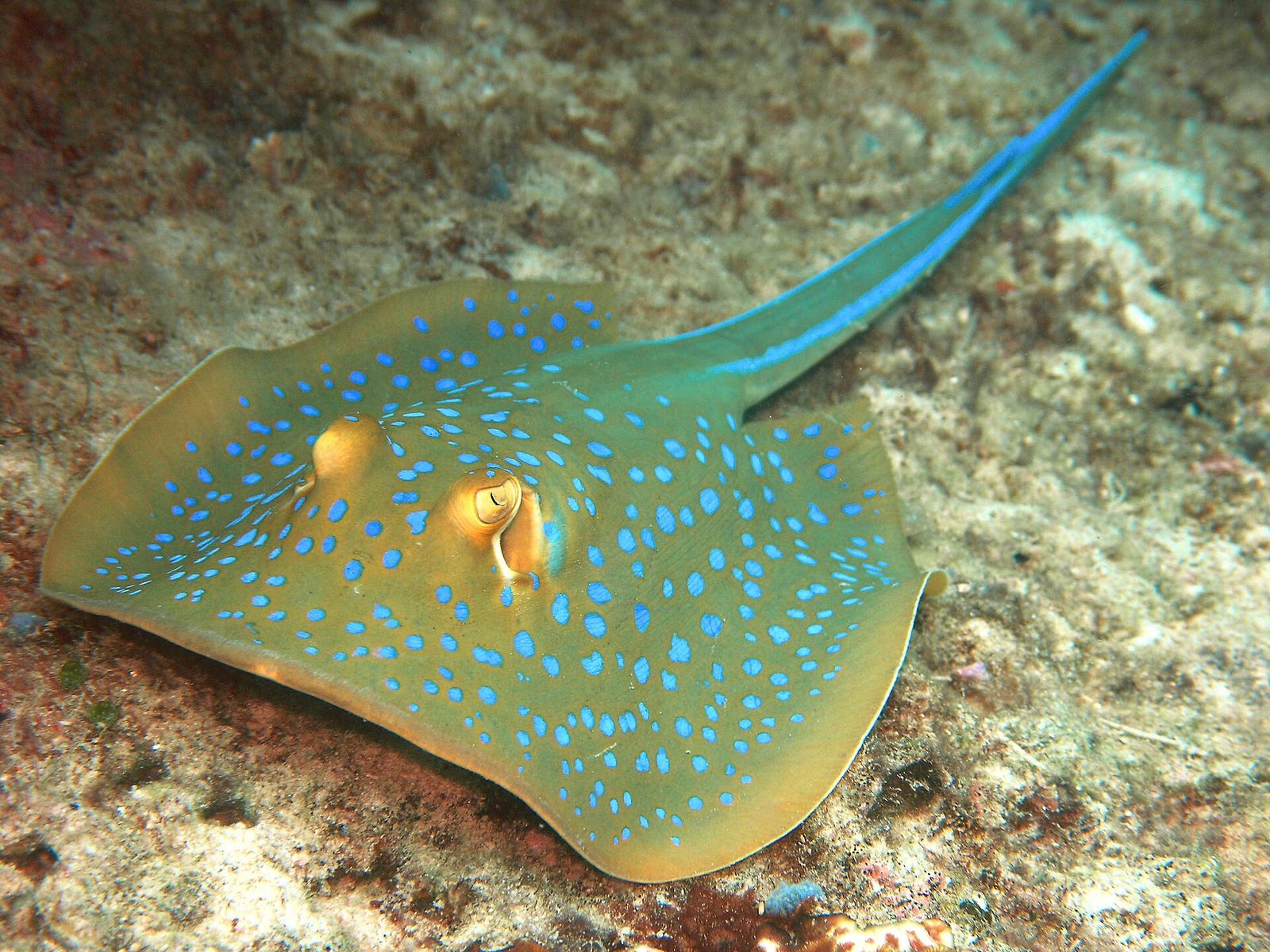
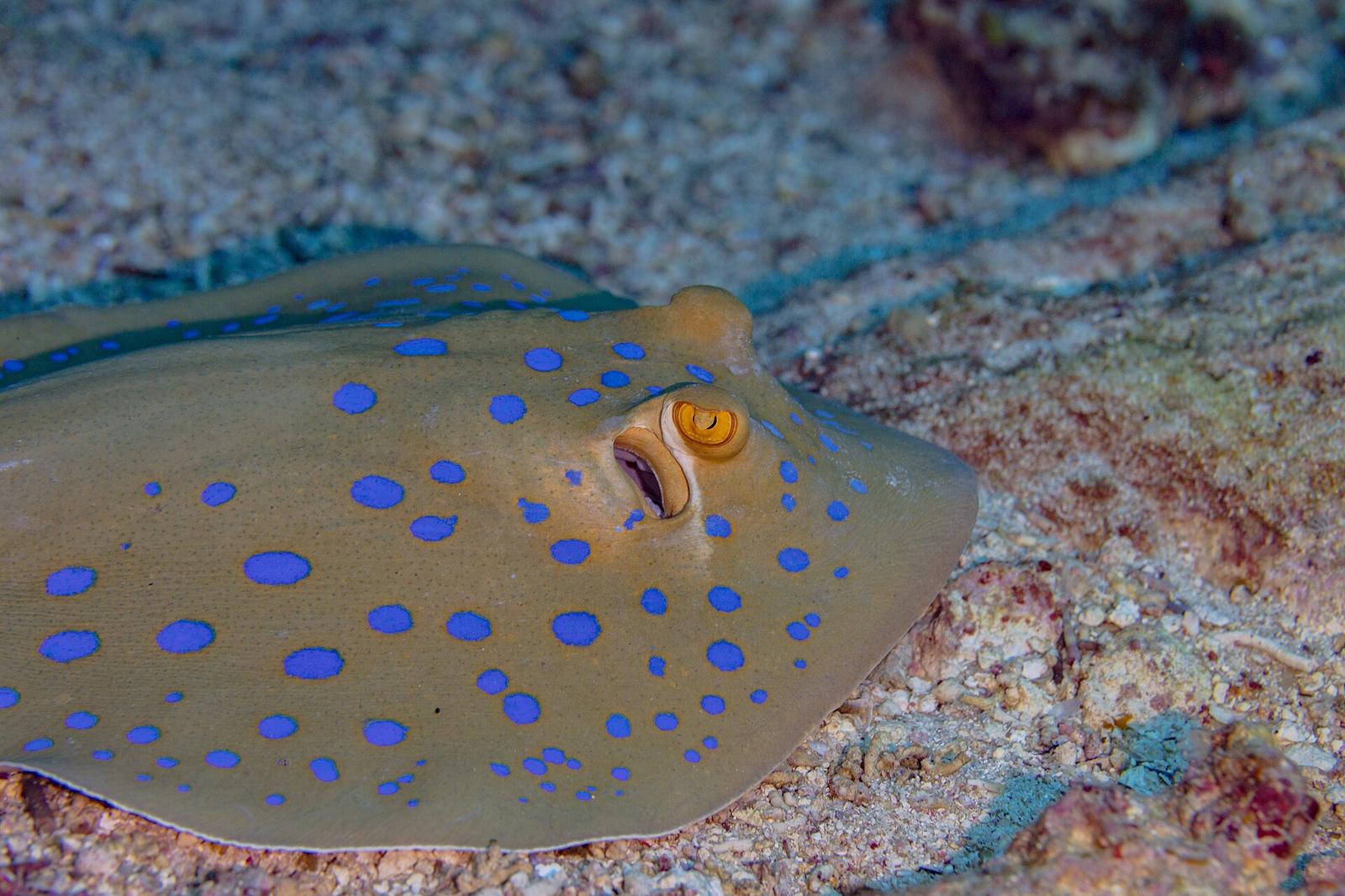
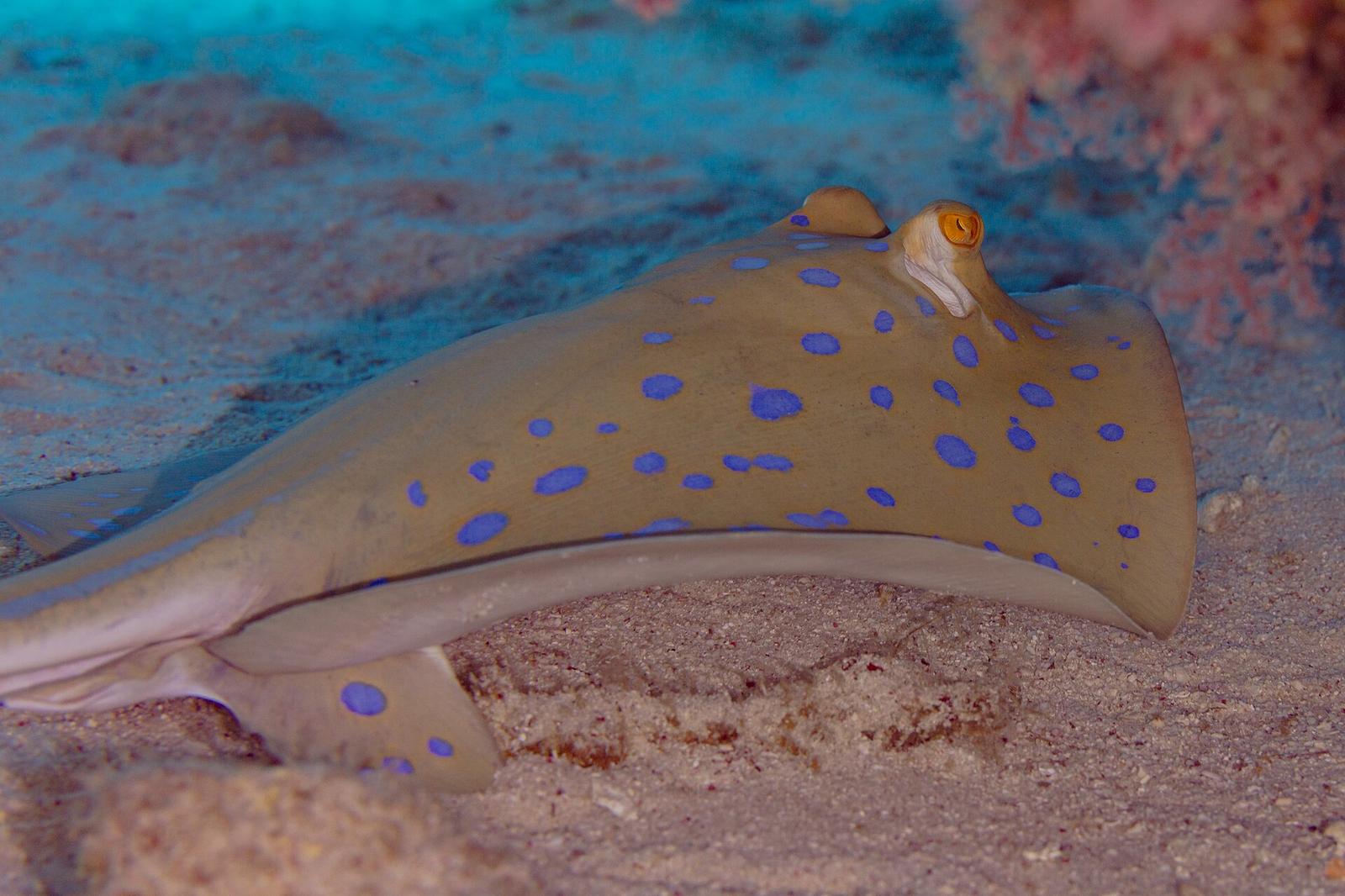
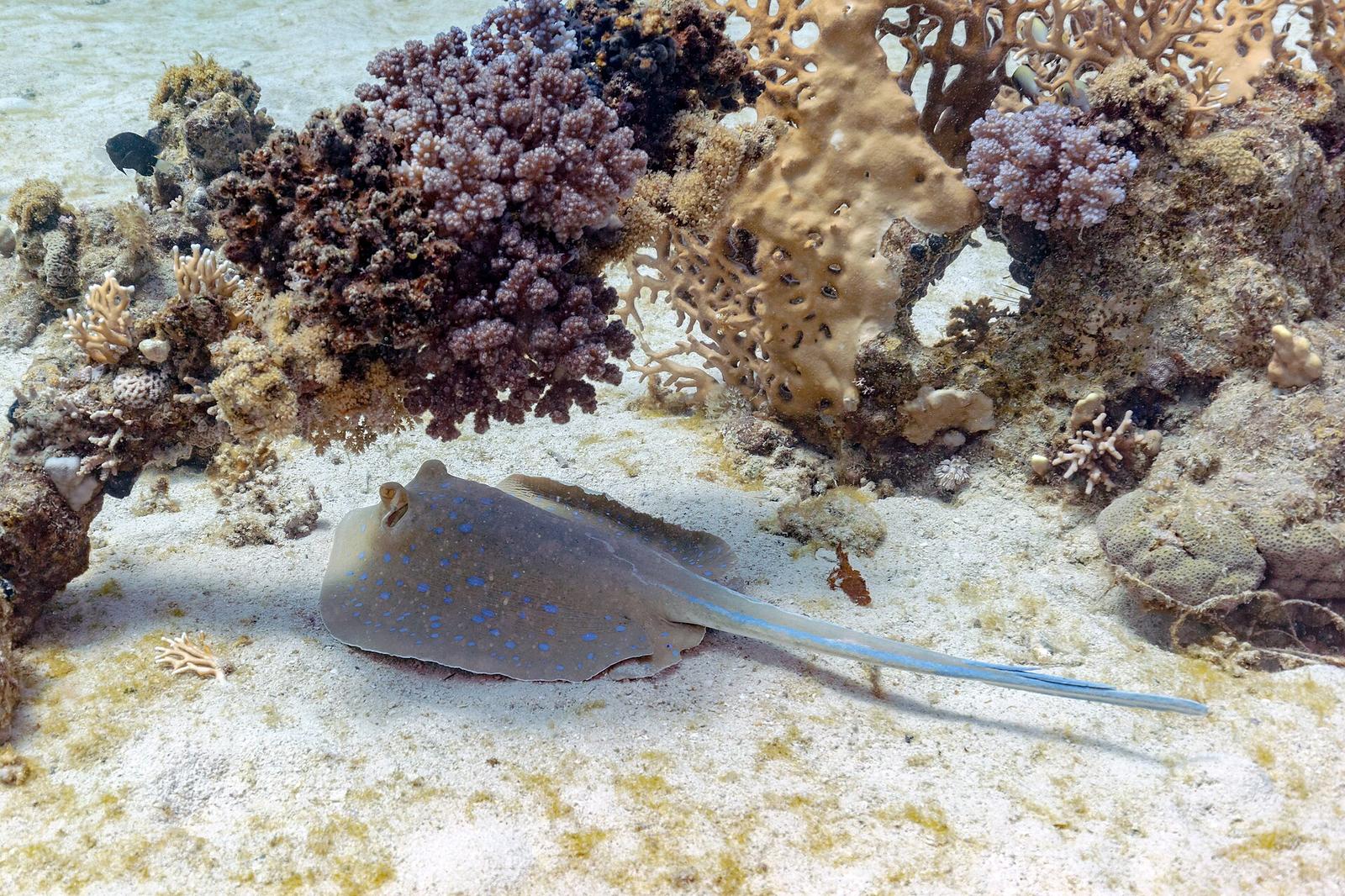
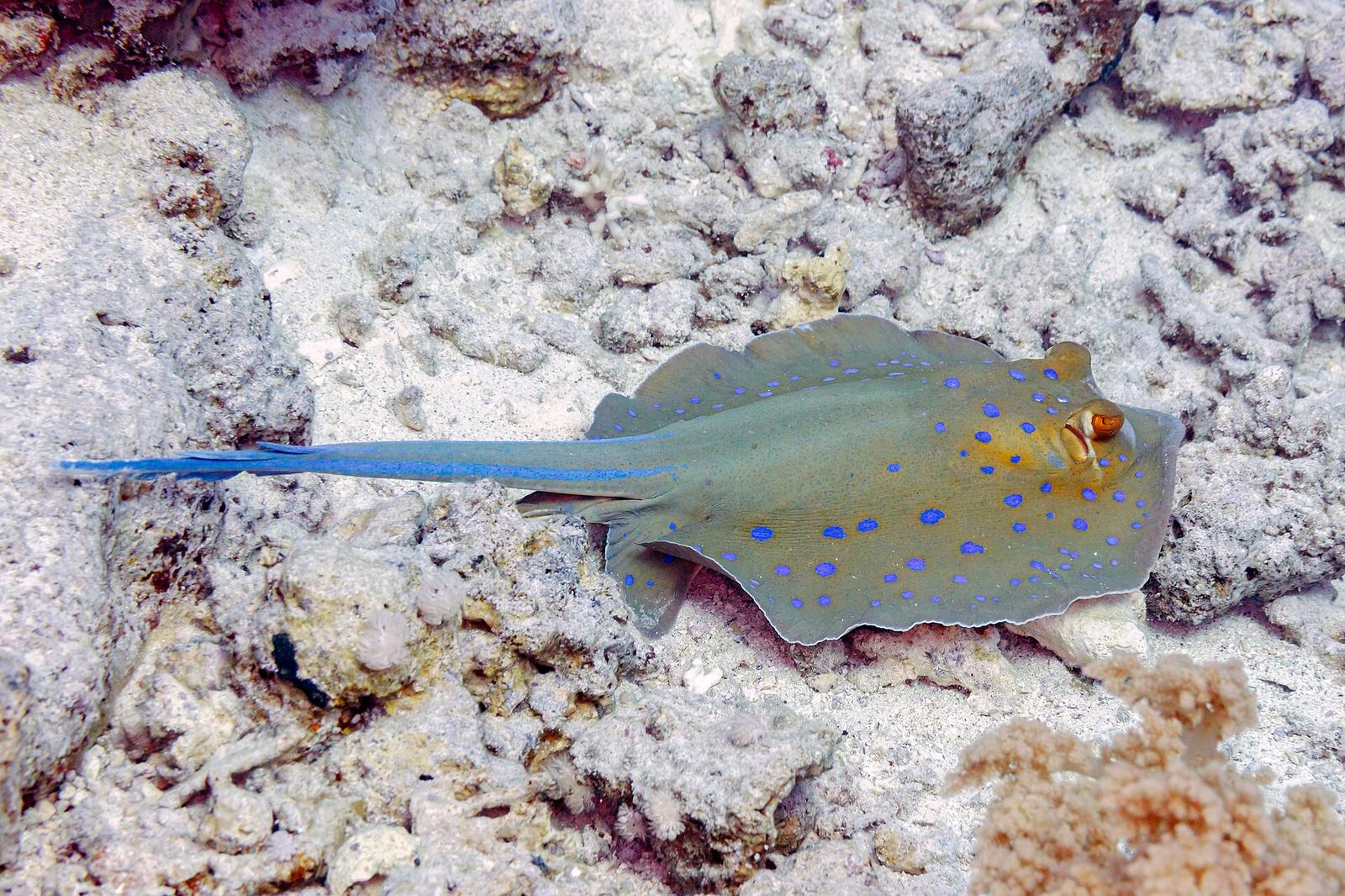
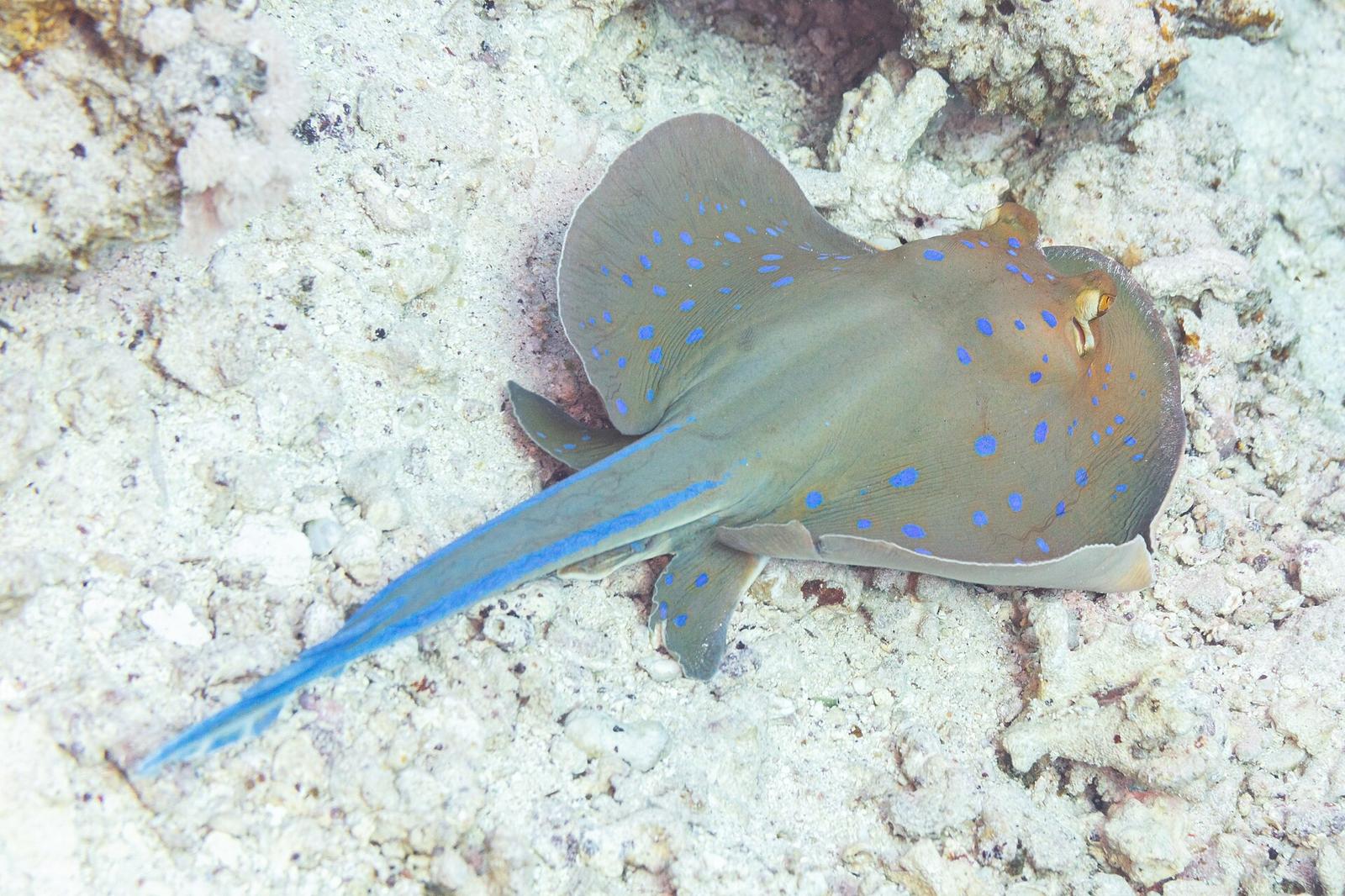
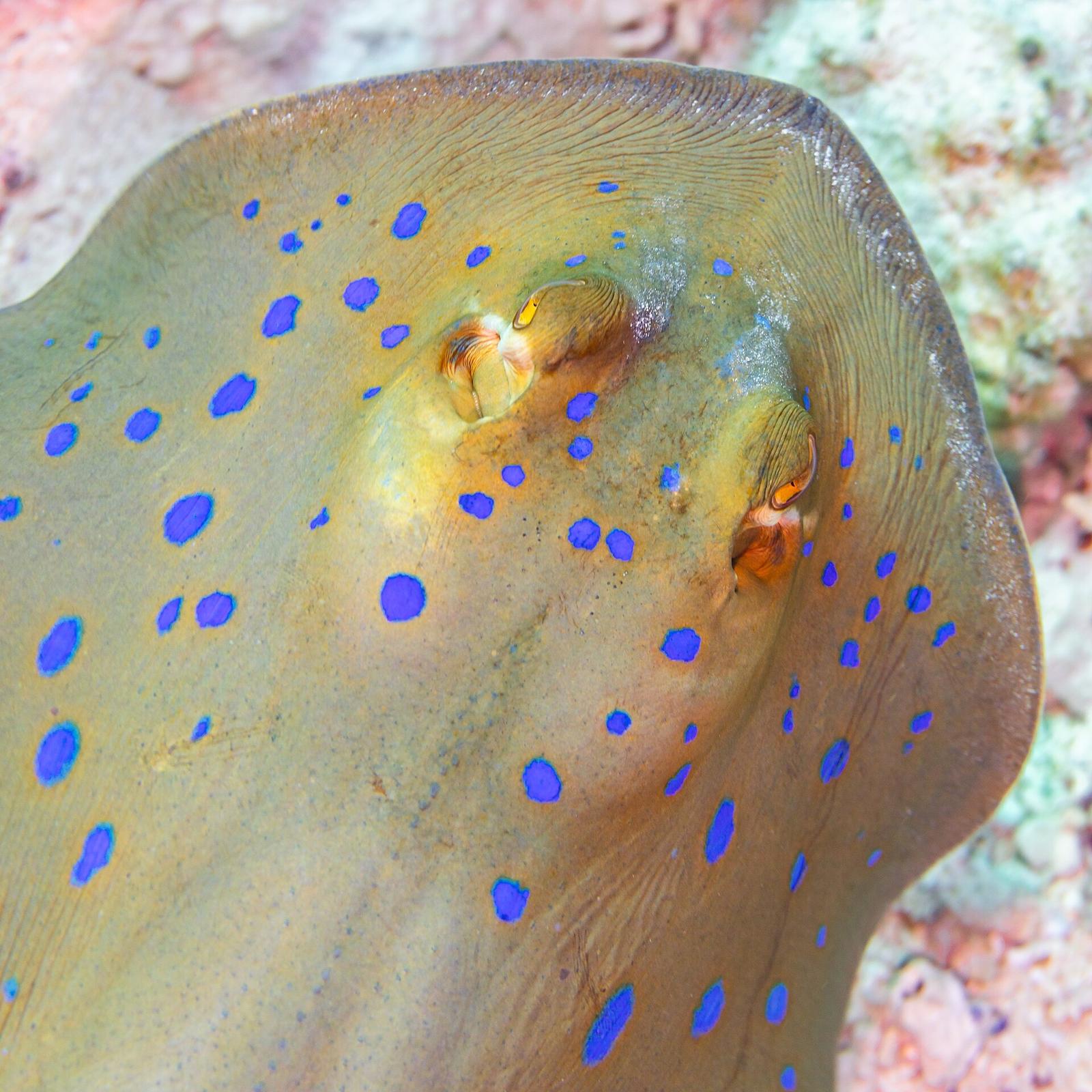
Rays · Least Concern
Jens Petersen · CC BY · Wikimedia Commons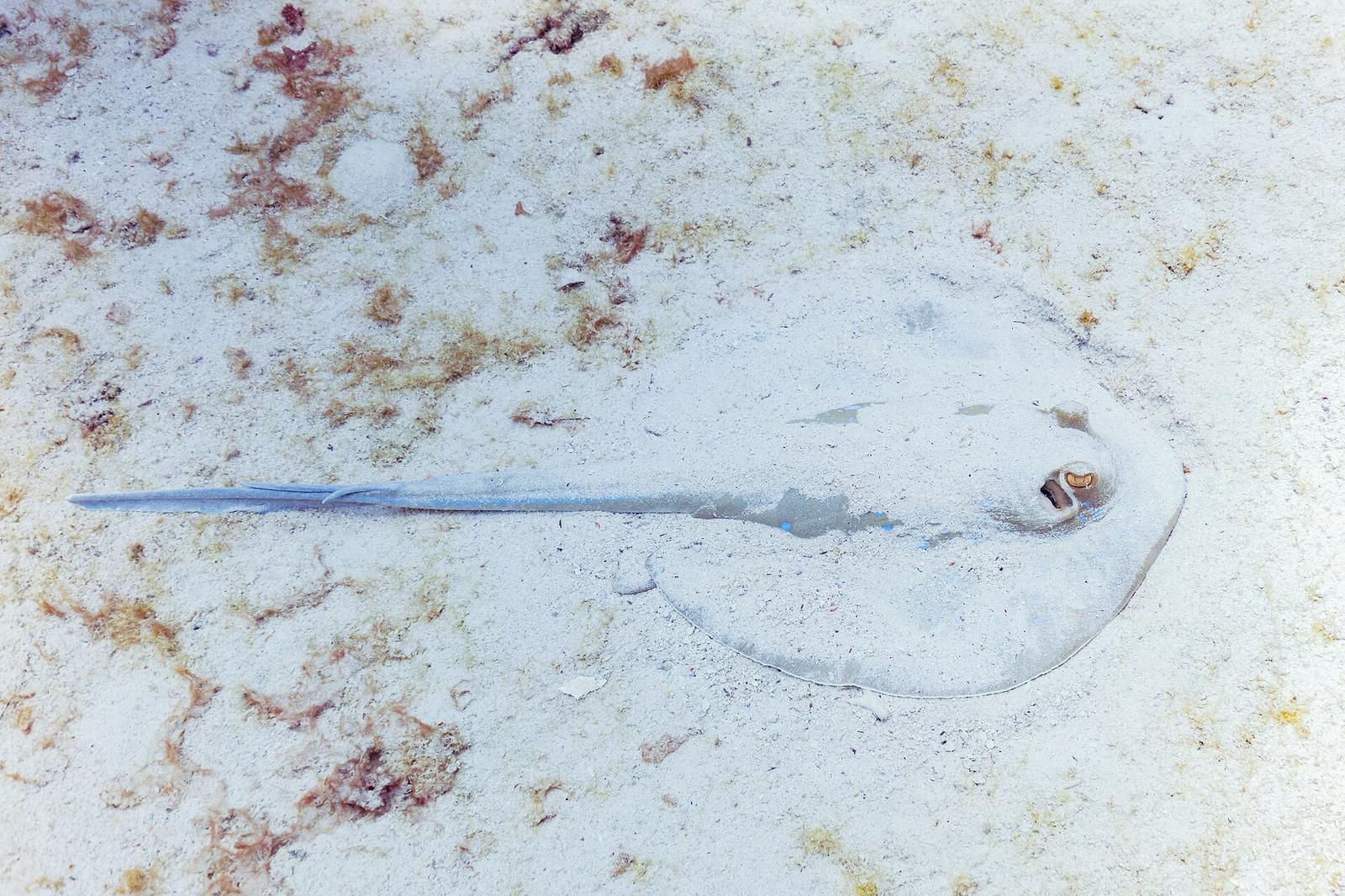 Diego Delso · CC BY-SA · Wikimedia Commons
 Diego Delso · CC BY-SA · Wikimedia Commons
 Diego Delso · CC BY-SA · Wikimedia Commons
 Diego Delso · CC BY-SA · Wikimedia Commons
 Diego Delso · CC BY-SA · Wikimedia Commons
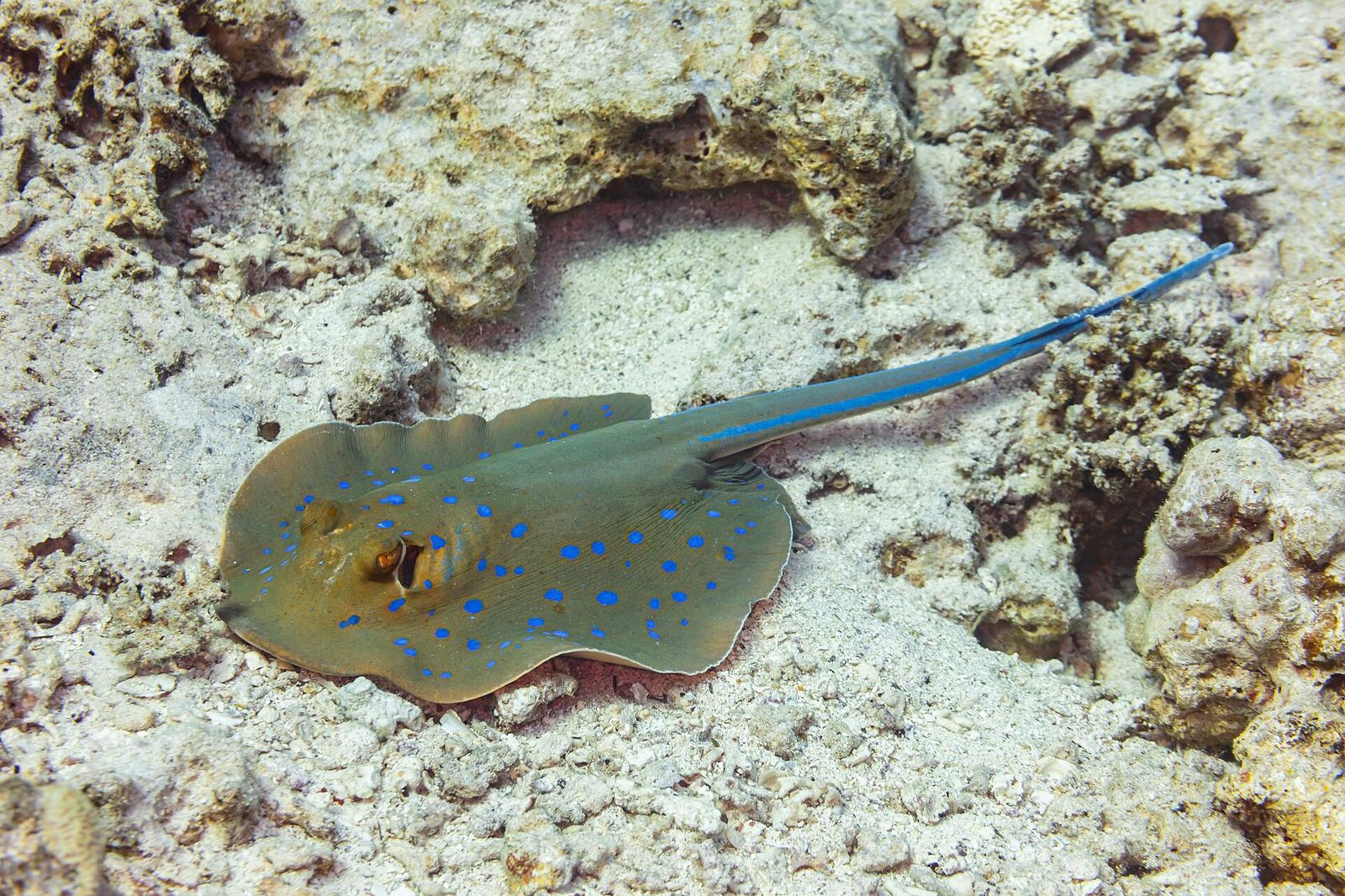 Diego Delso · CC BY-SA · Wikimedia Commons
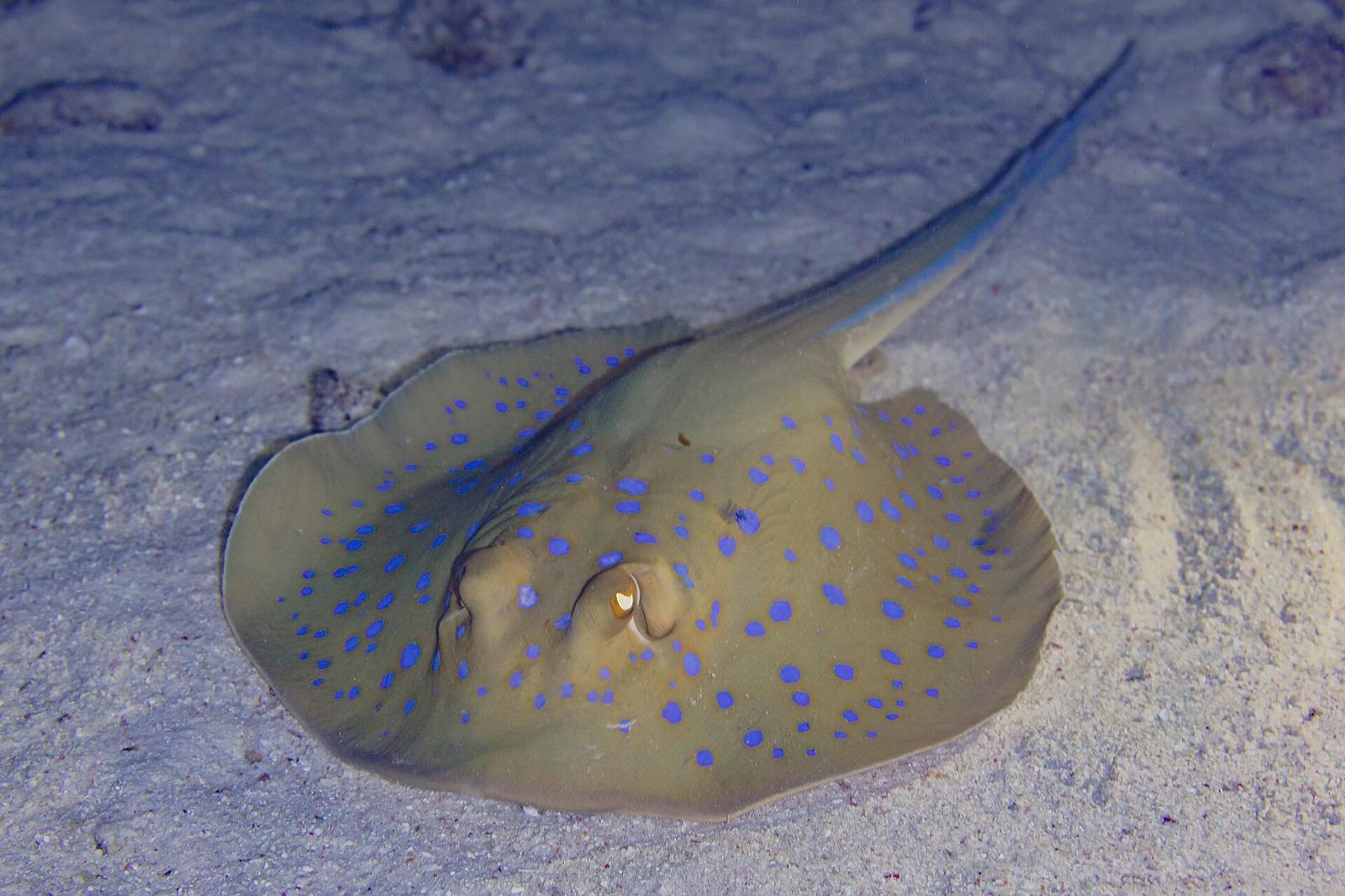 Diego Delso · CC BY-SA · Wikimedia CommonsDiego Delso · CC BY-SA · Wikimedia CommonsDiego Delso · CC BY-SA · Wikimedia Commons
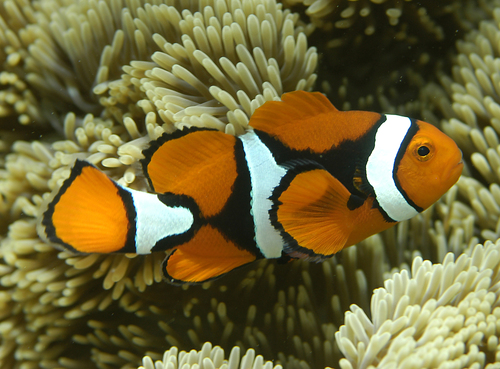
Damselfishes · Least Concern
ARC Centre of Excellence for Coral Reef Studies · CC BY · iNaturalist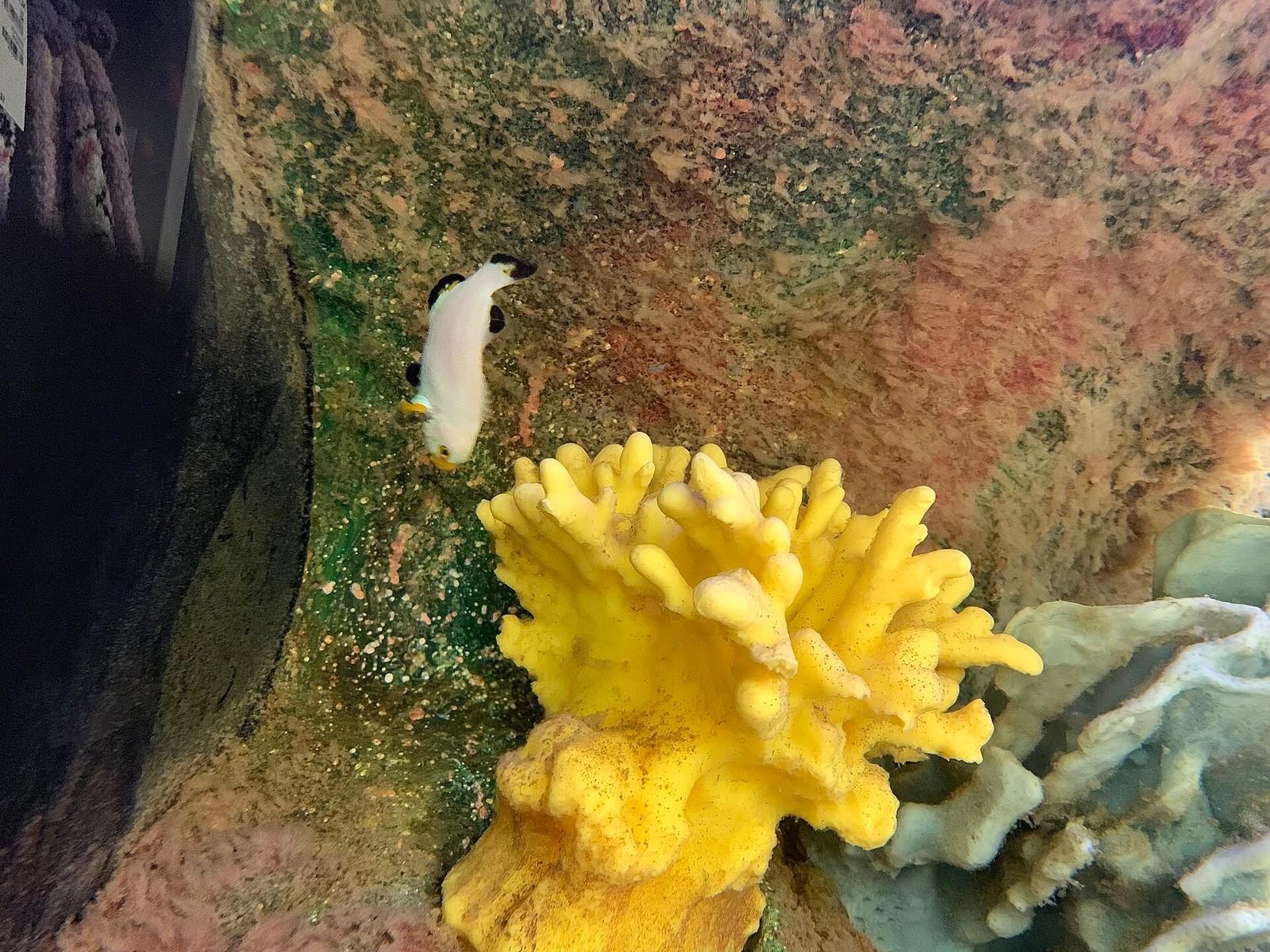 Coughdrop12 · CC BY-SA · Wikimedia Commons
 Ethmostigmus · CC BY-SA · Wikimedia Commons
 Ethmostigmus · CC BY-SA · Wikimedia Commons
 Rickard Zerpe · CC BY-SA · Wikimedia Commons
 Vardhanjp · CC BY-SA · Wikimedia Commons
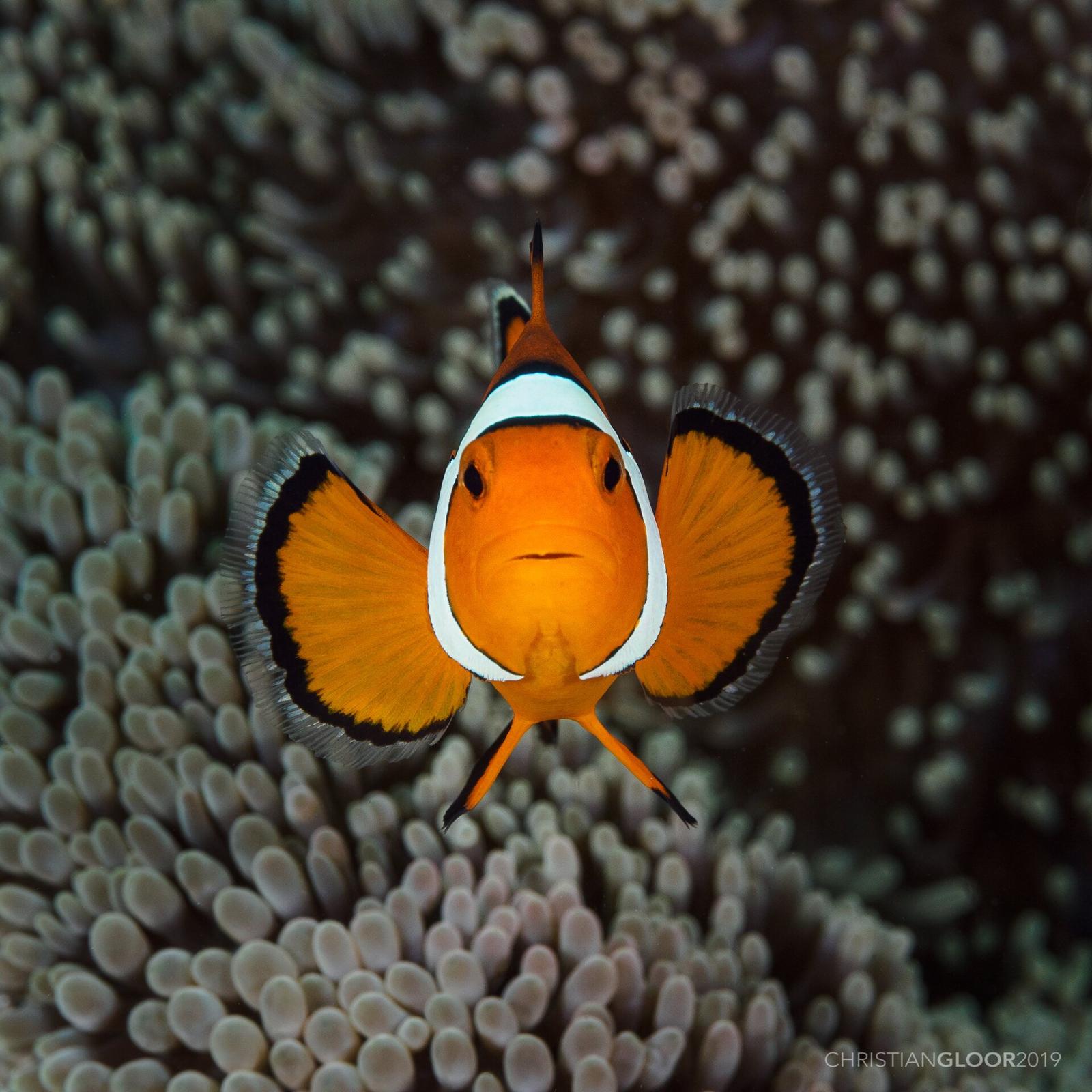 Christian Gloor · CC BY · Wikimedia Commons
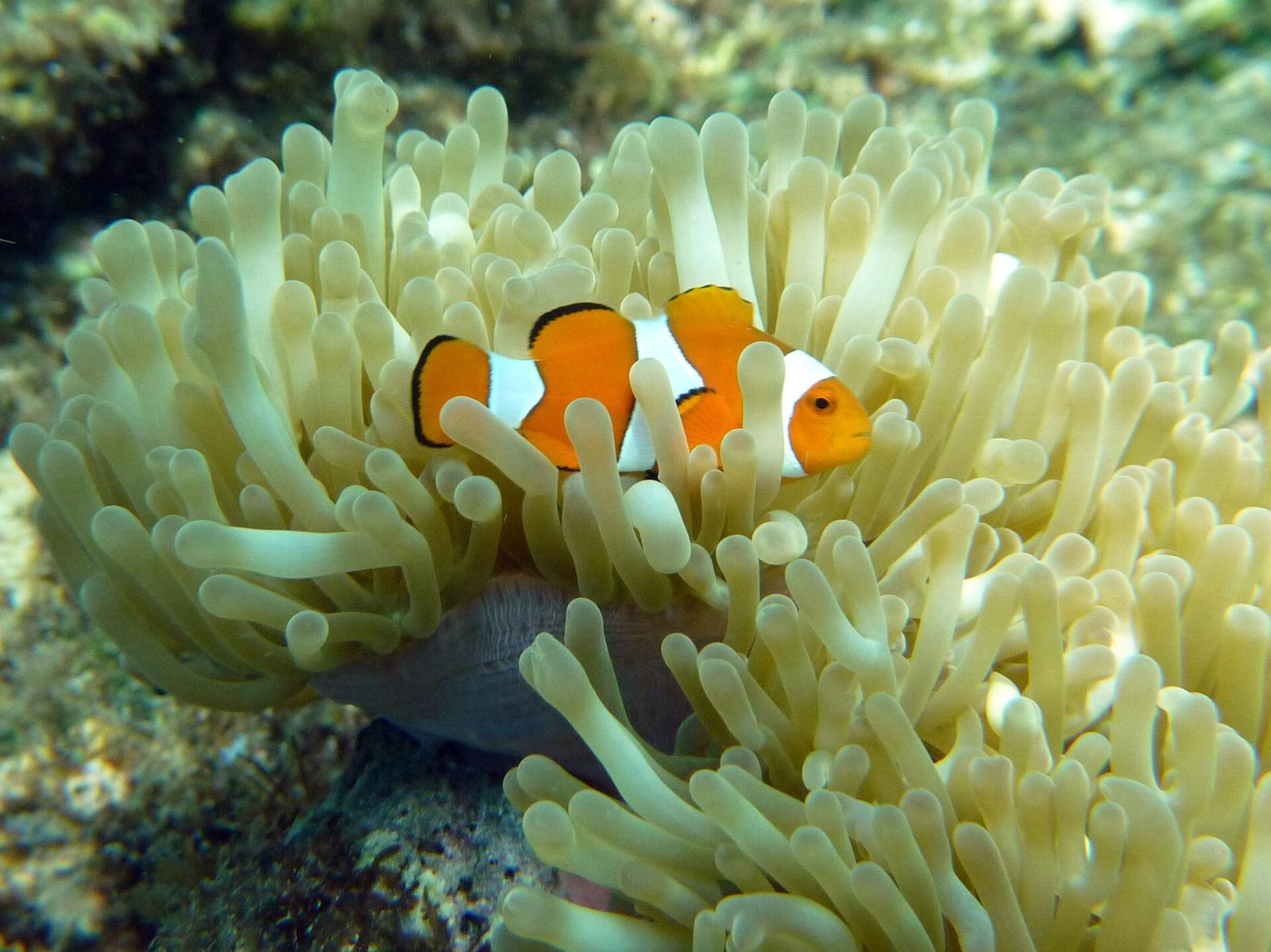 Kai Squires · CC BY · Wikimedia Commons
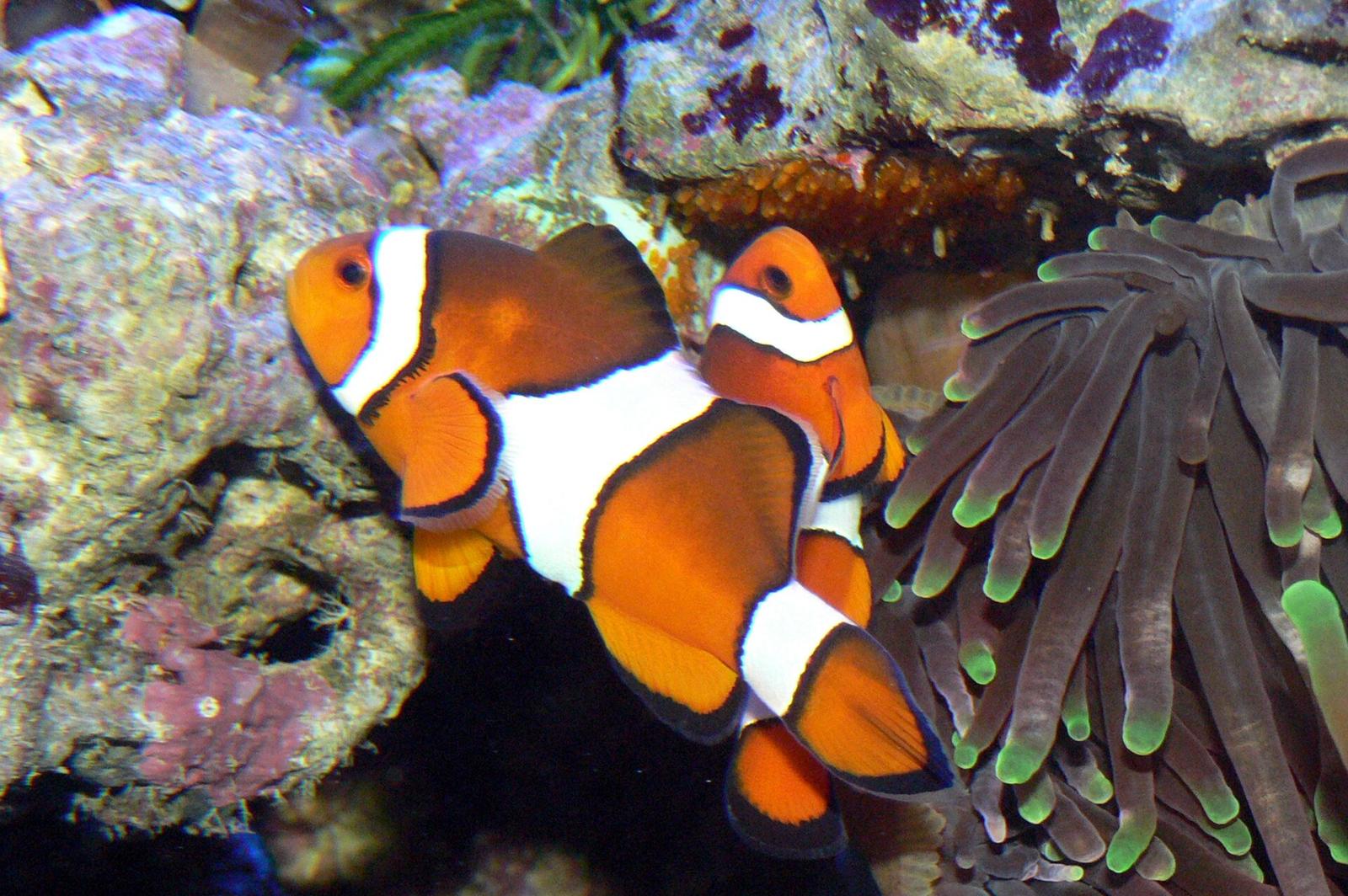 User:Haplochromis · CC BY · Wikimedia Commons
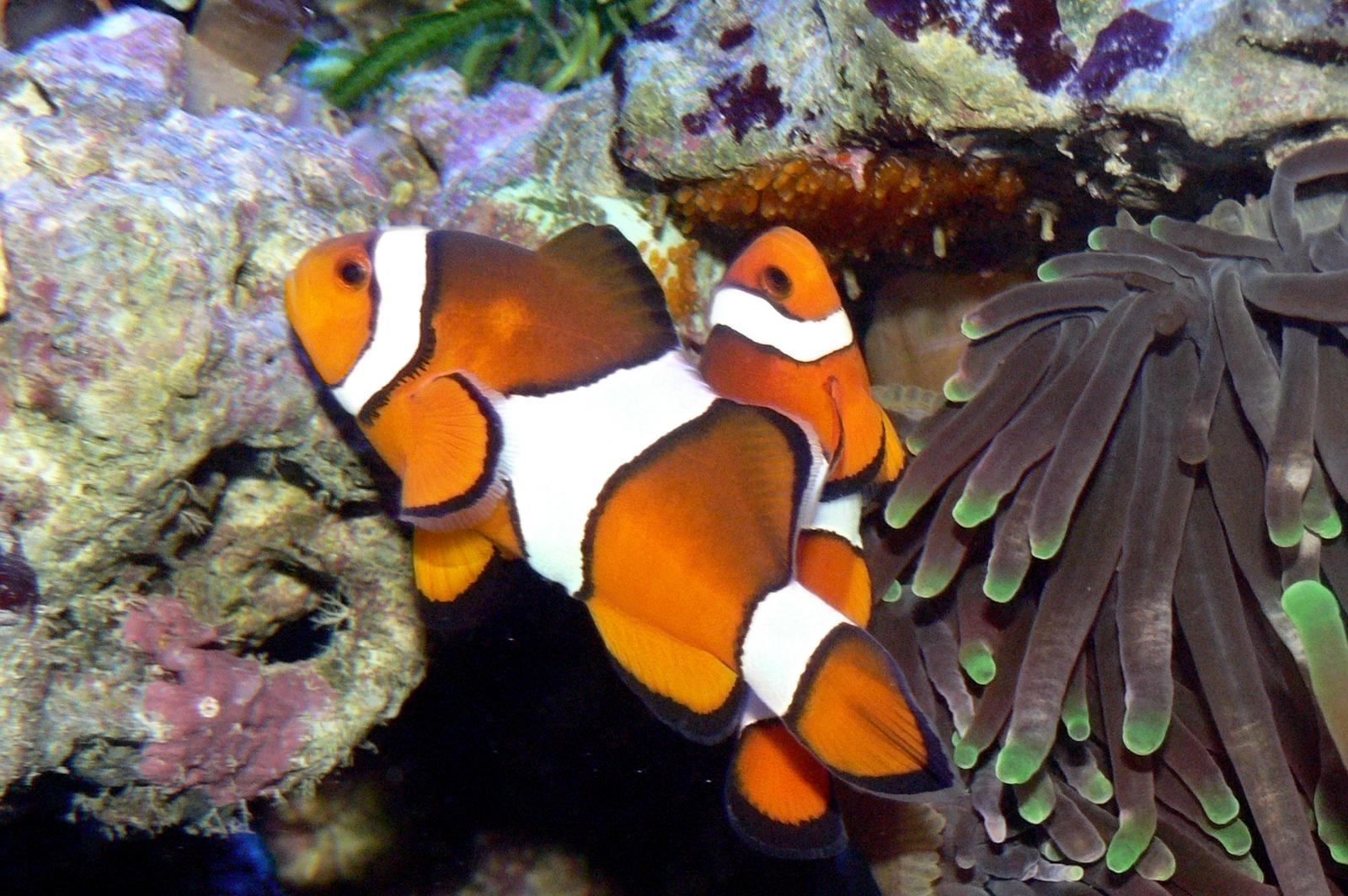 User:Haplochromis · CC BY · Wikimedia Commons
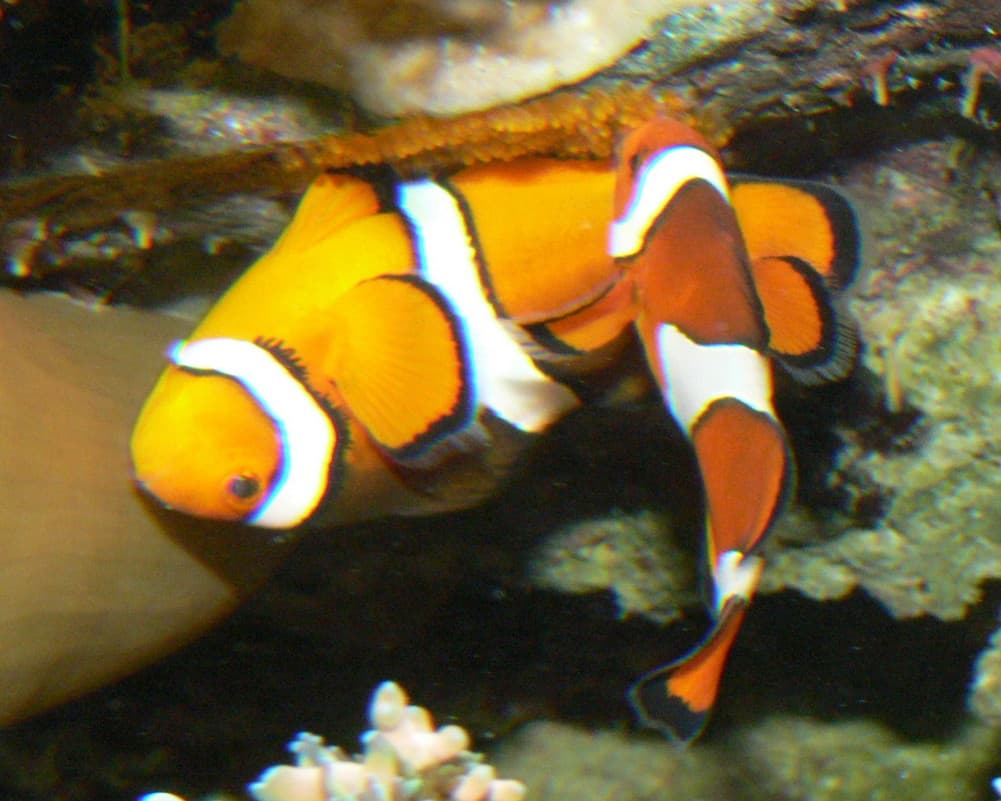 User:Haplochromis · CC BY-SA · Wikimedia Commons
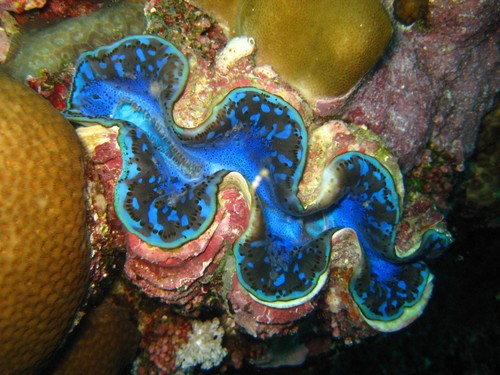
Bivalves · Least Concern
Micha Baum · CC BY-SA · iNaturalist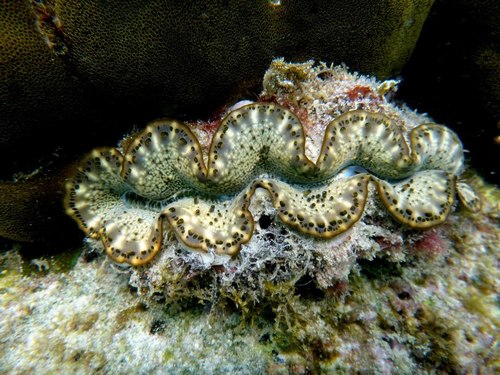 呂一起(Lyu yi-chi) · CC BY · iNaturalist
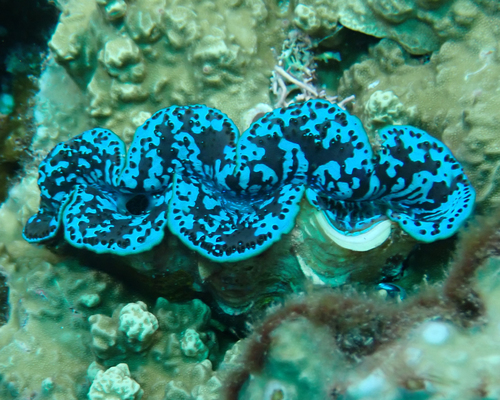 Roger Rittmaster · CC BY · iNaturalist
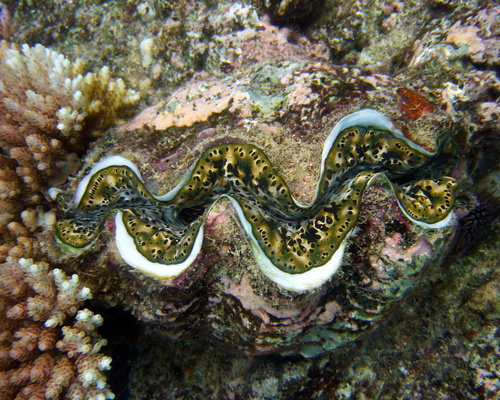 Kai Squires · CC BY · iNaturalist
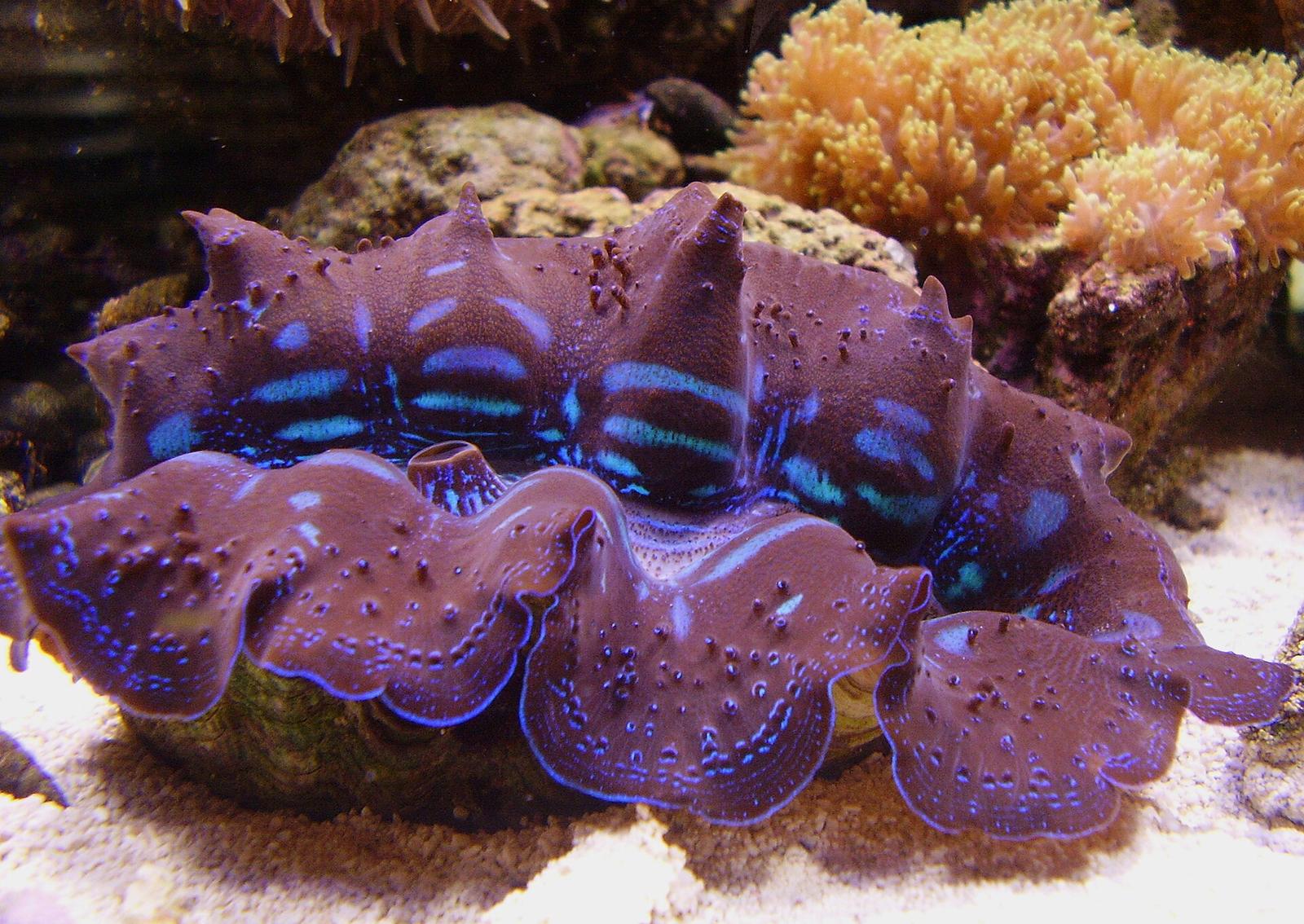 RevolverOcelot · CC BY-SA · Wikimedia Commons
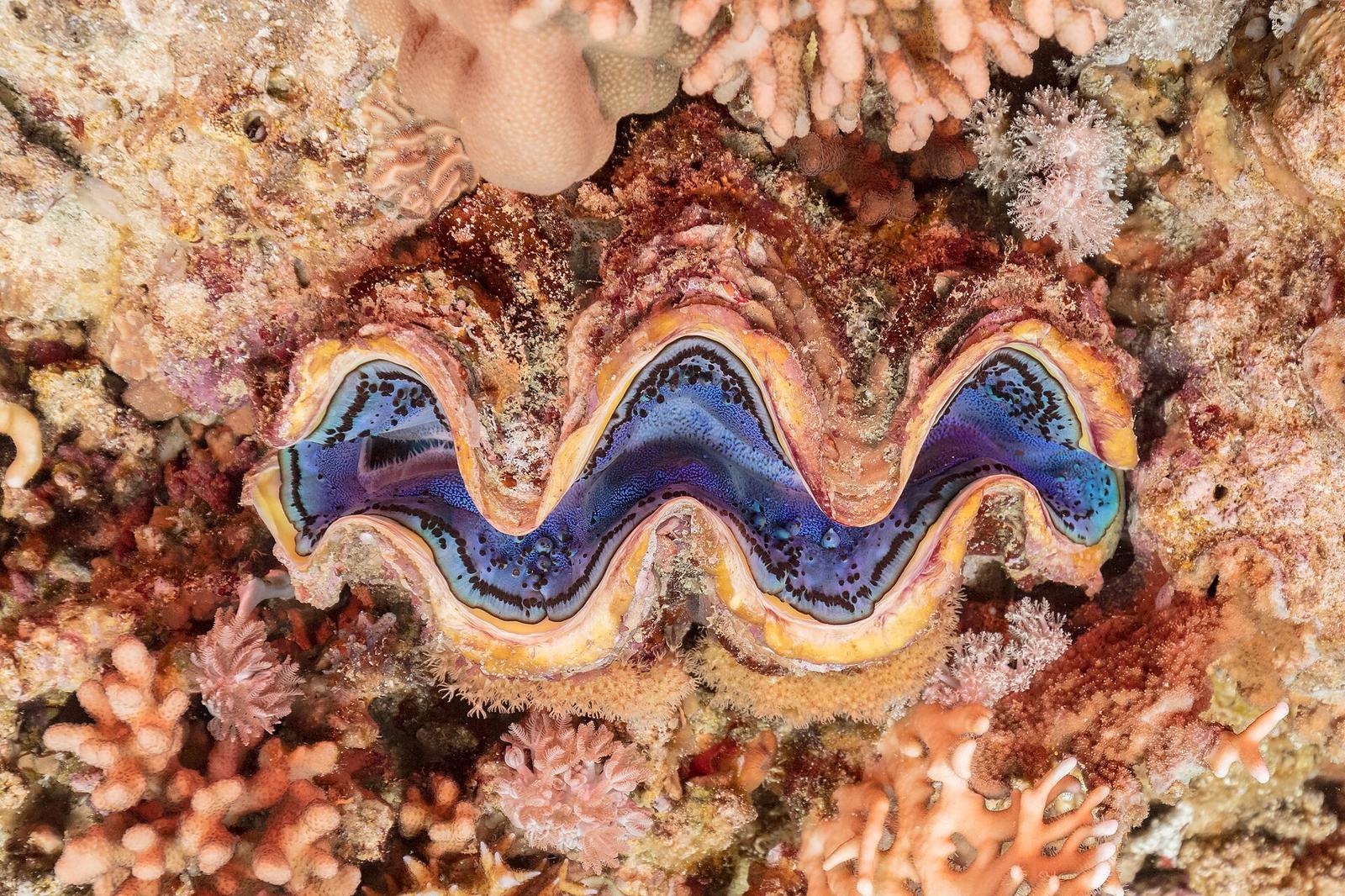 Diego Delso · CC BY-SA · Wikimedia Commons
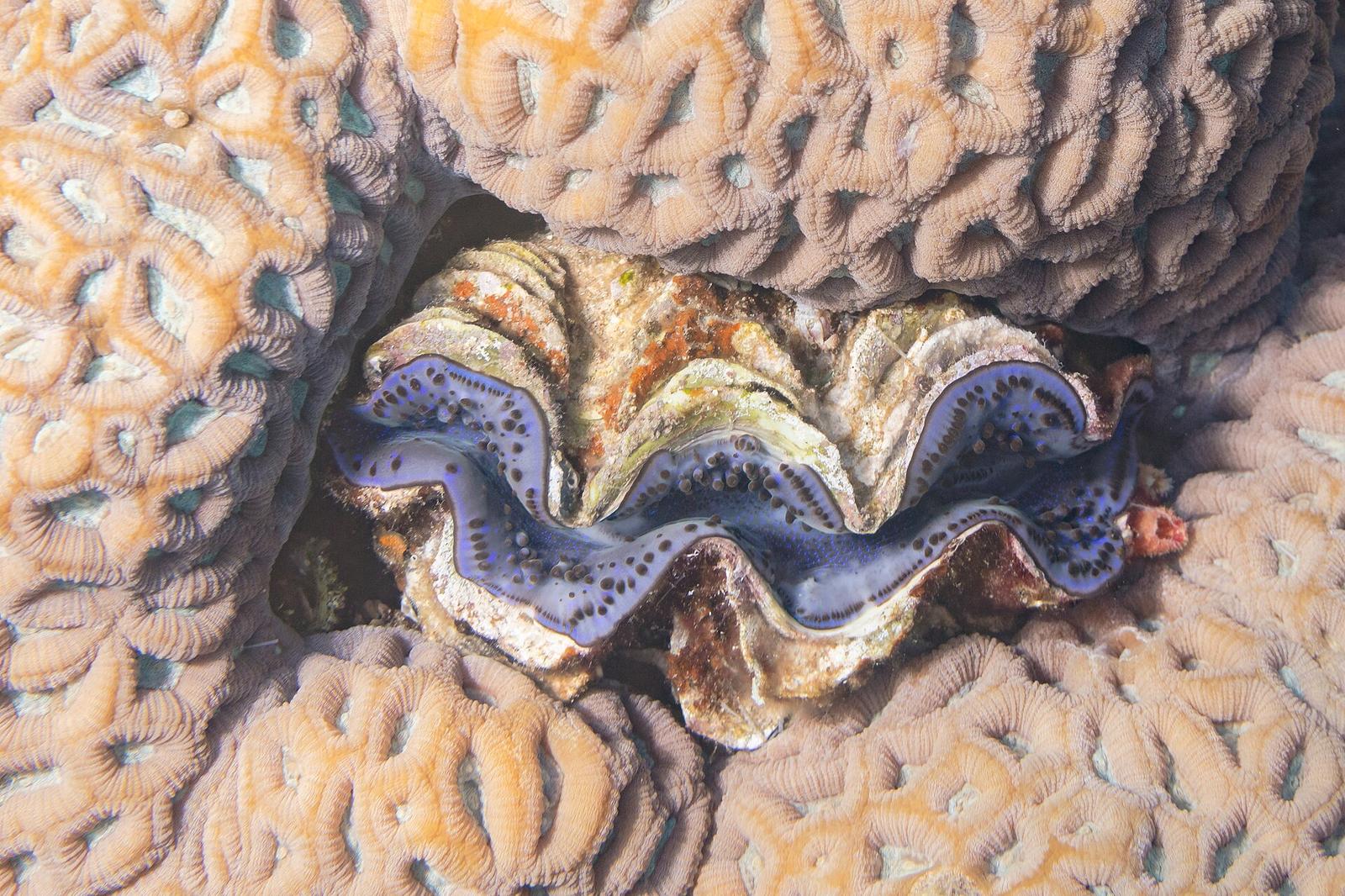 Diego Delso · CC BY-SA · Wikimedia Commons
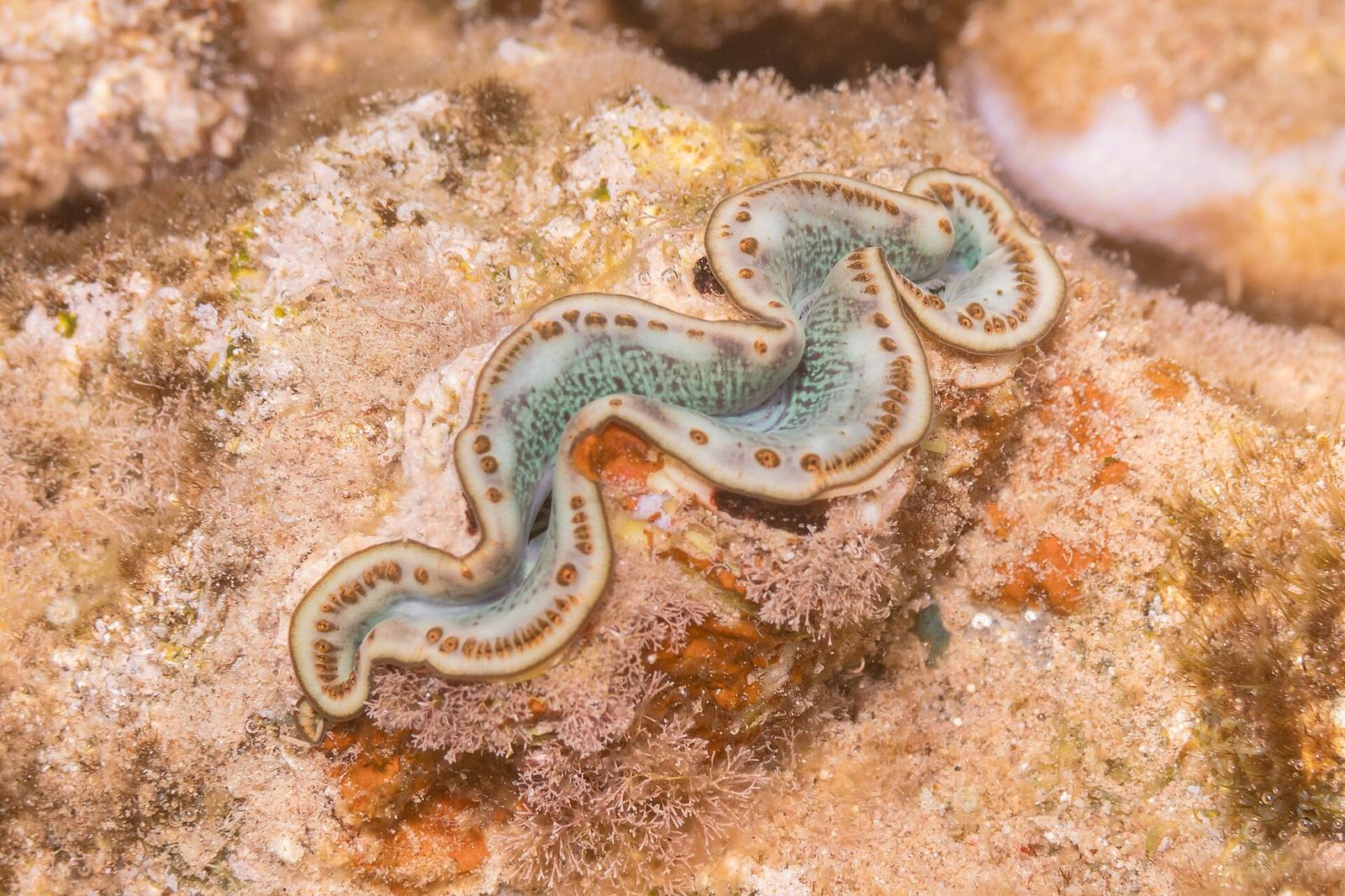 Diego Delso · CC BY-SA · Wikimedia Commons
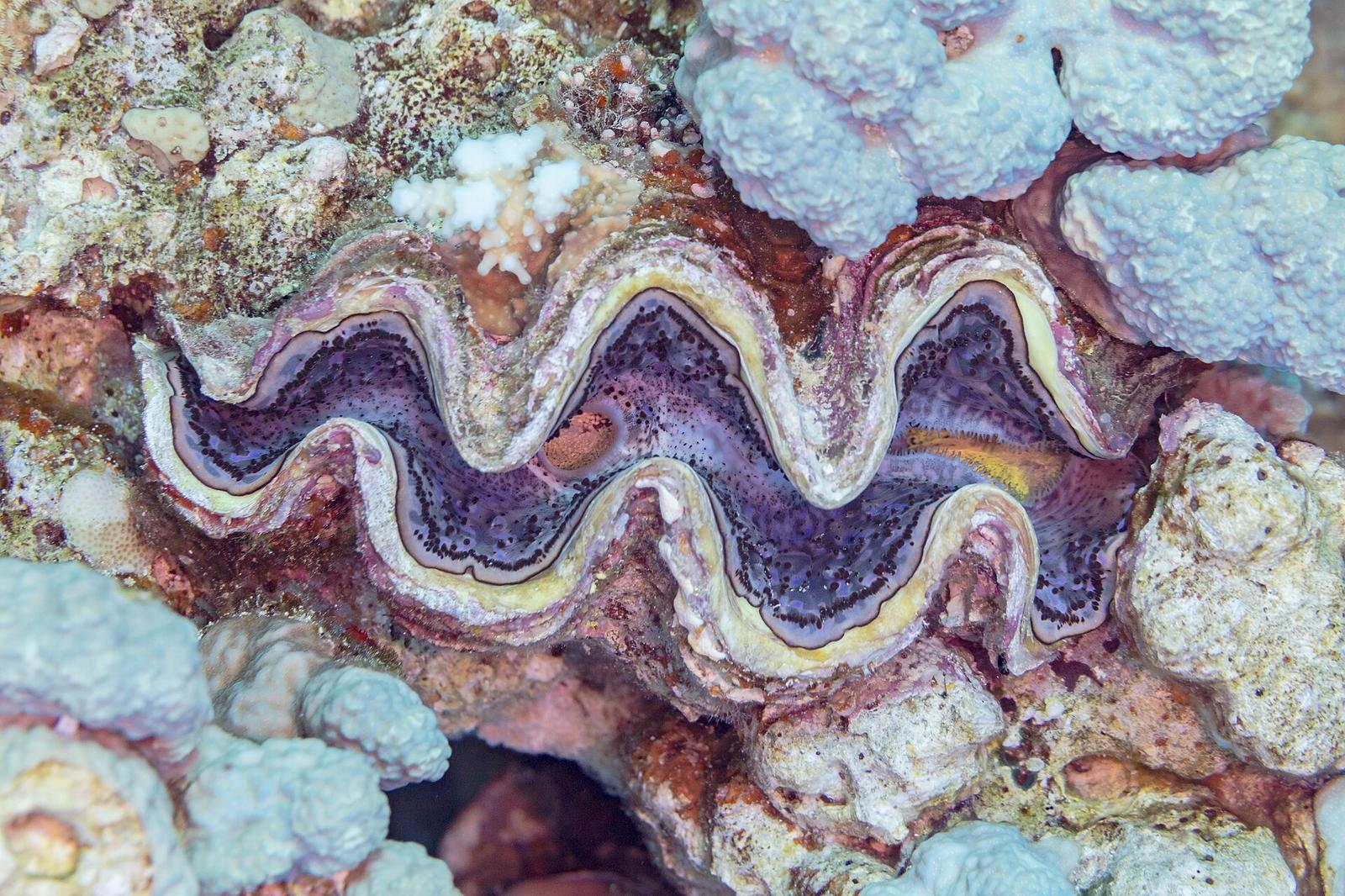 Diego Delso · CC BY-SA · Wikimedia Commons
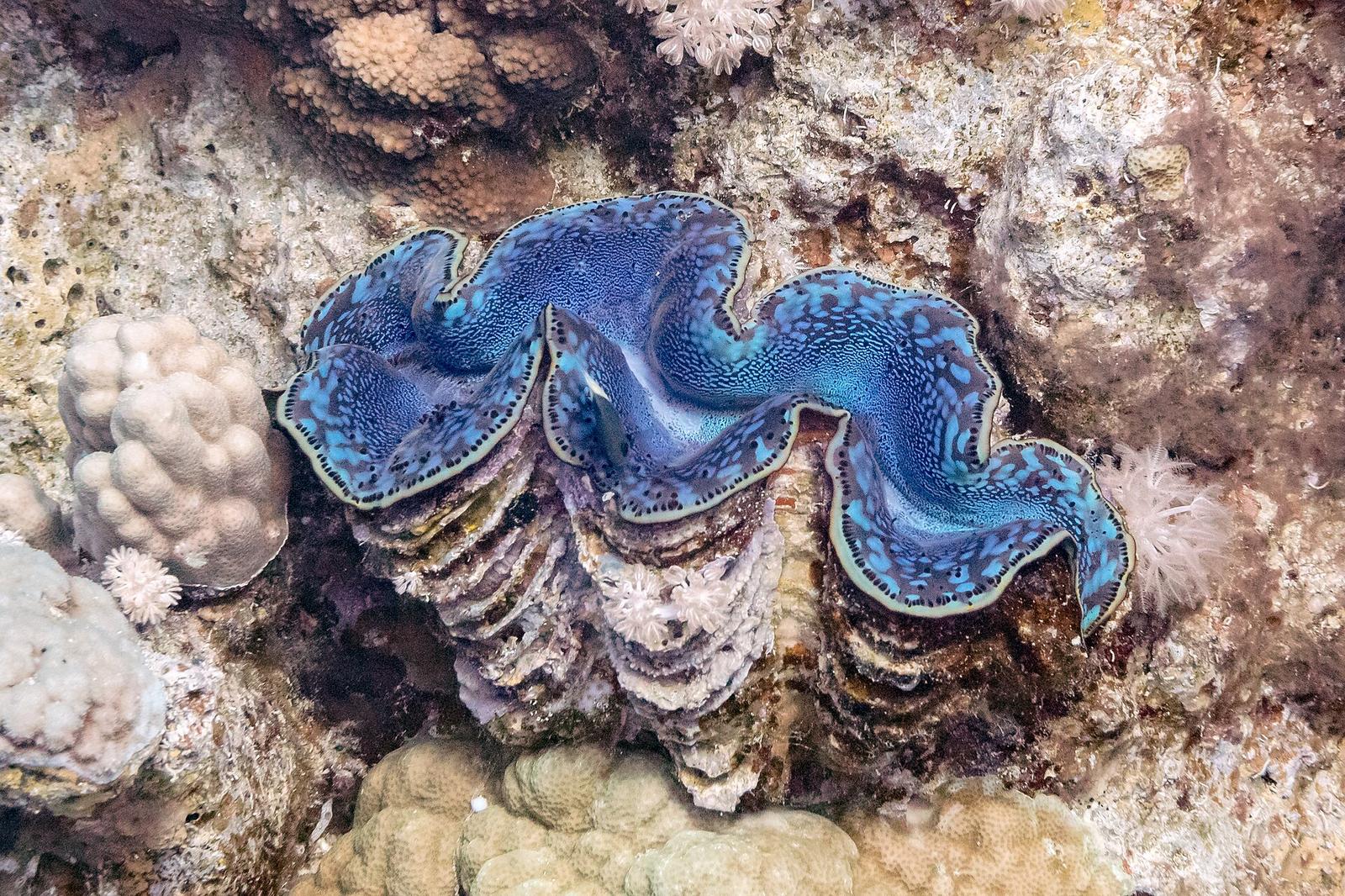 Diego Delso · CC BY-SA · Wikimedia Commons
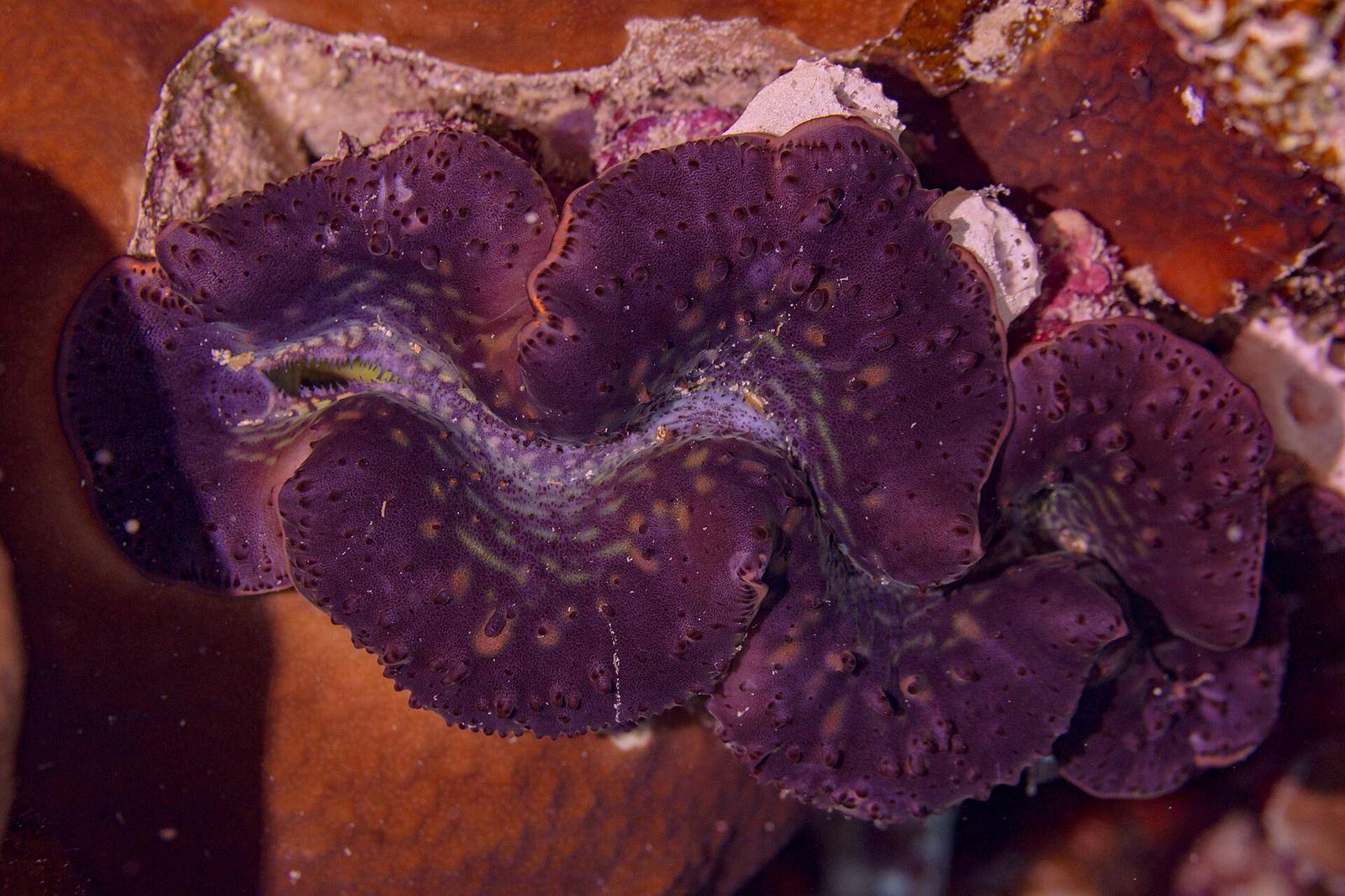 Diego Delso · CC BY-SA · Wikimedia Commons
 Diego Delso · CC BY-SA · Wikimedia Commons
 Diego Delso · CC BY-SA · Wikimedia Commons
 Diego Delso · CC BY-SA · Wikimedia Commons
Damselfishes · Least Concern
Ian V. Shaw / Reef Life Survey · CC BY · iNaturalist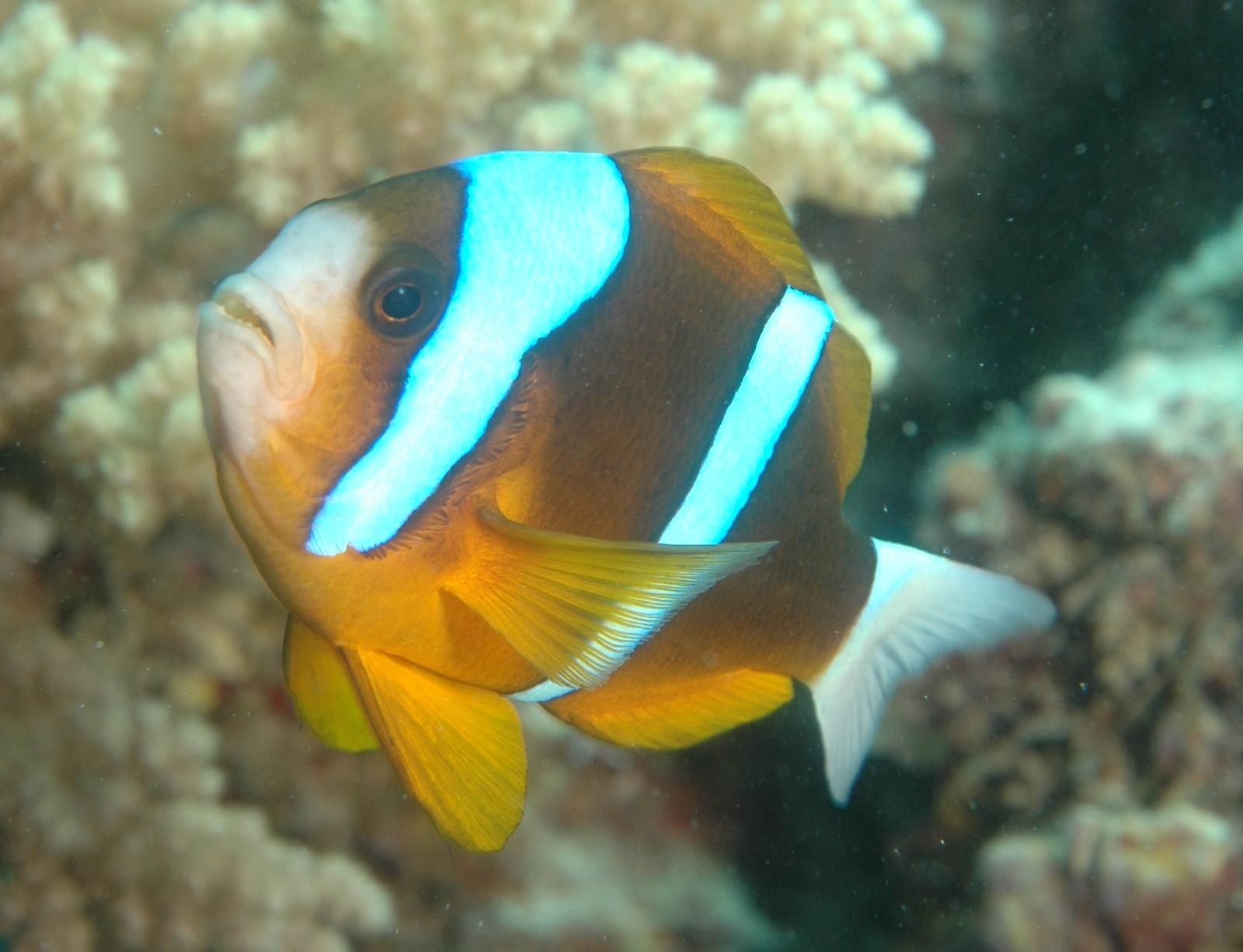 Leonard Low from Australia · CC BY · Wikimedia Commons
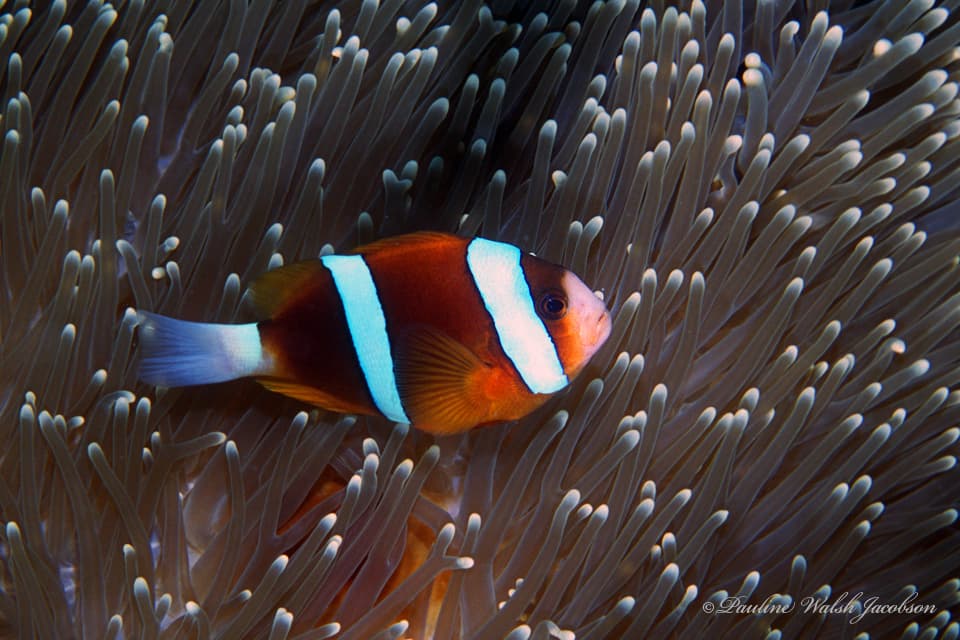 Pauline Walsh Jacobson · CC BY · Wikimedia Commons
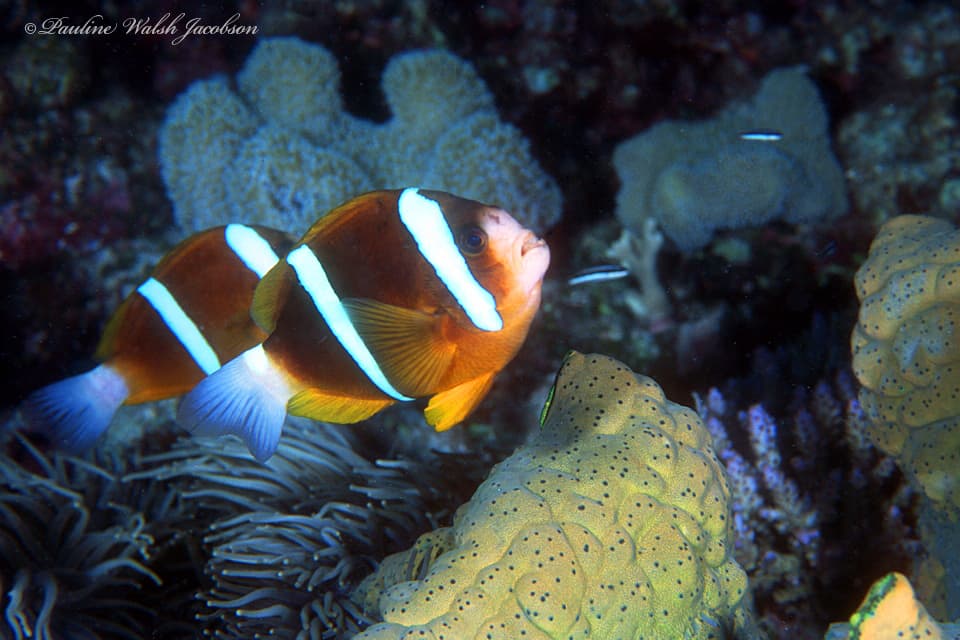 Pauline Walsh Jacobson · CC BY · Wikimedia Commons
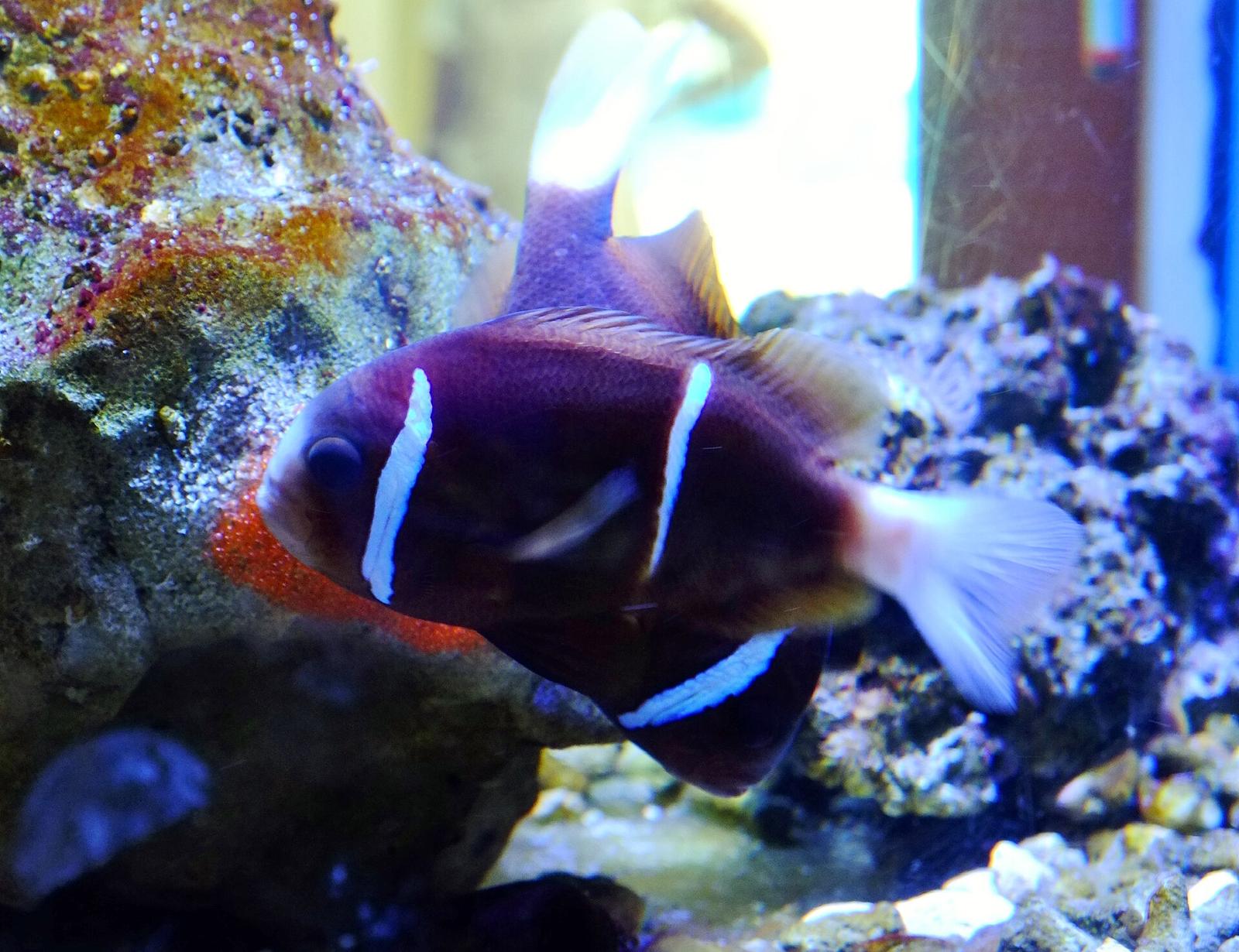
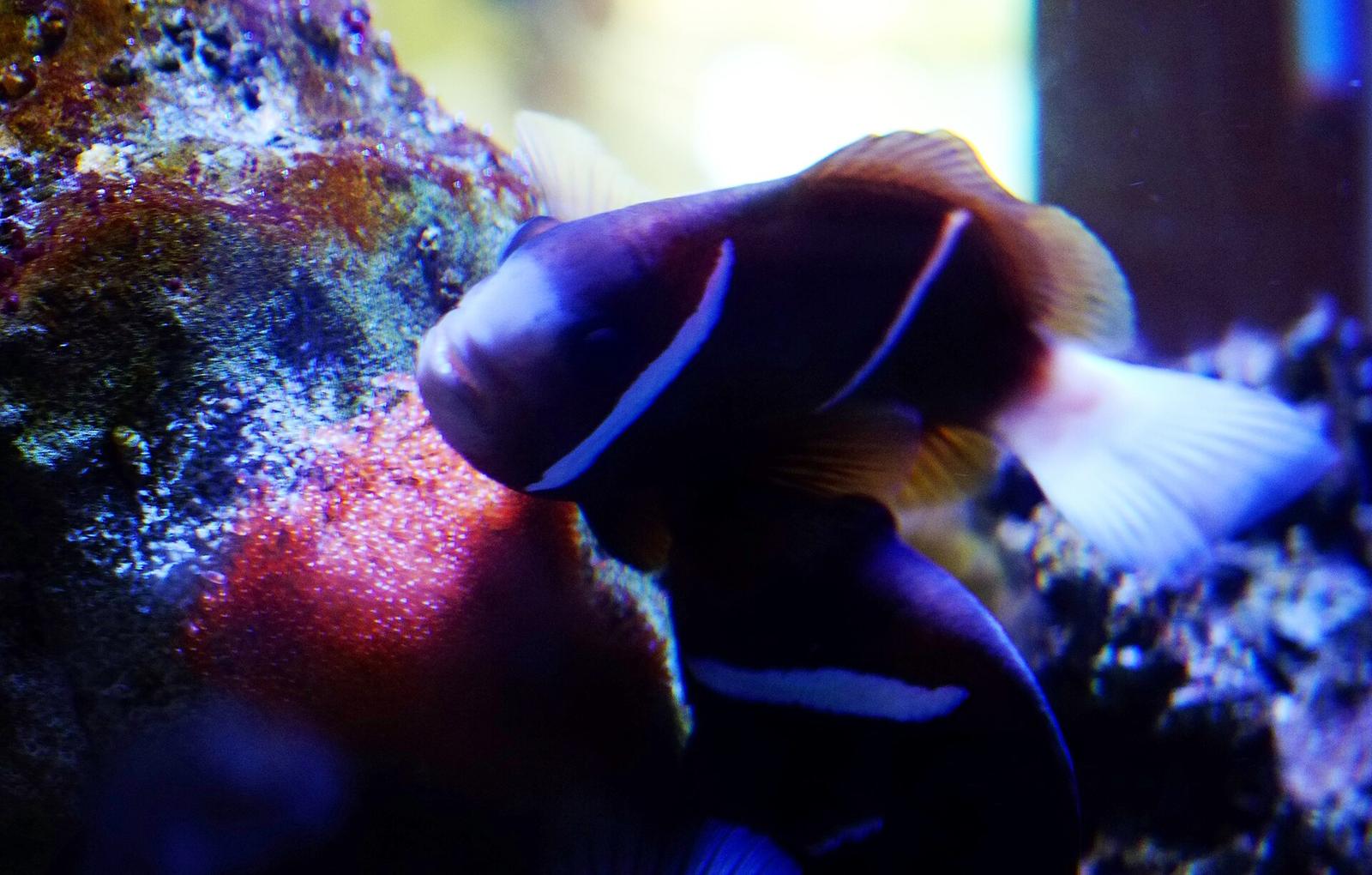 ★Kumiko★ · CC BY-SA · Wikimedia Commons
 ★Kumiko★ · CC BY-SA · Wikimedia Commons
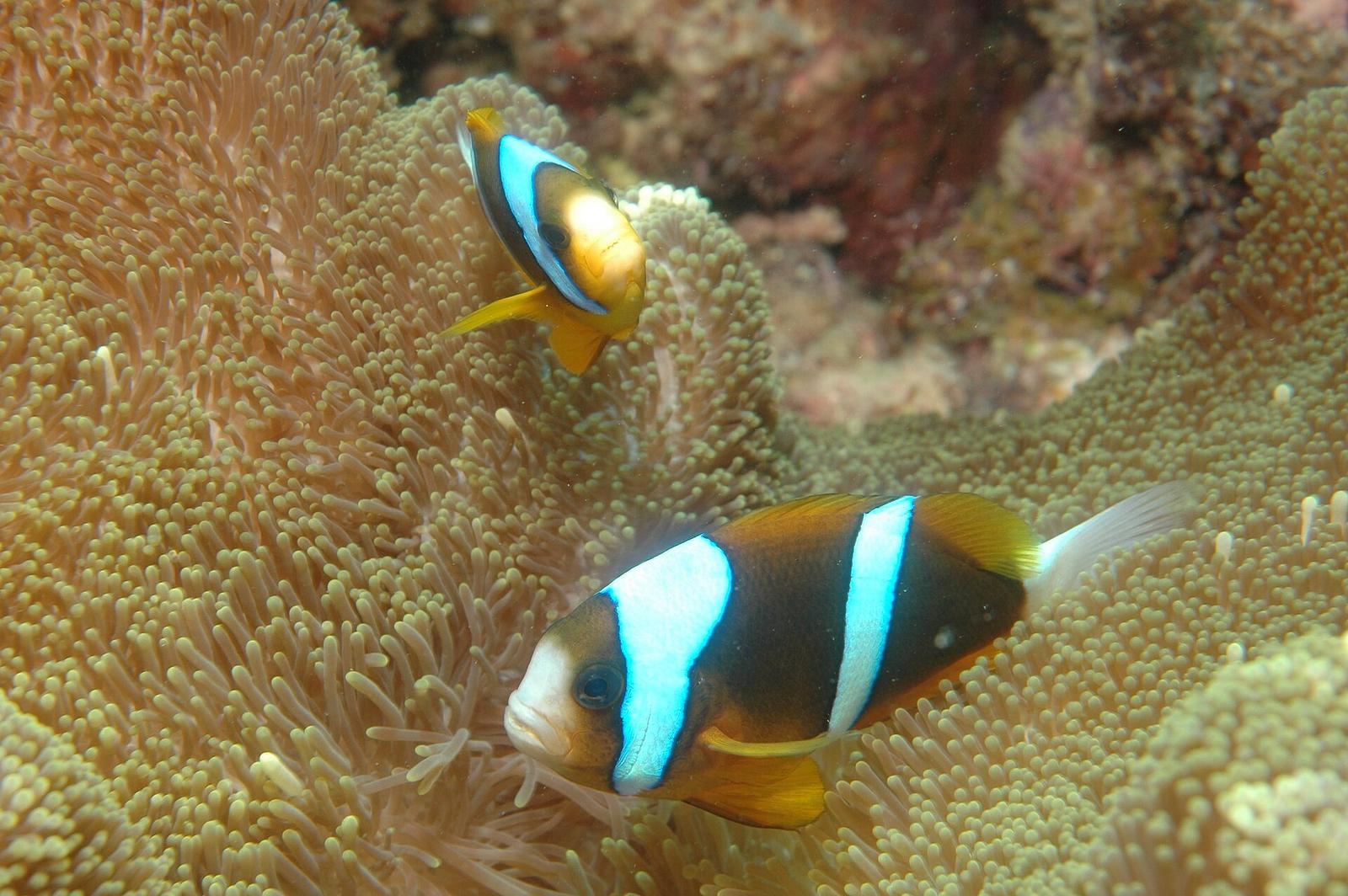 Leonard Low from Australia · CC BY · Wikimedia Commons
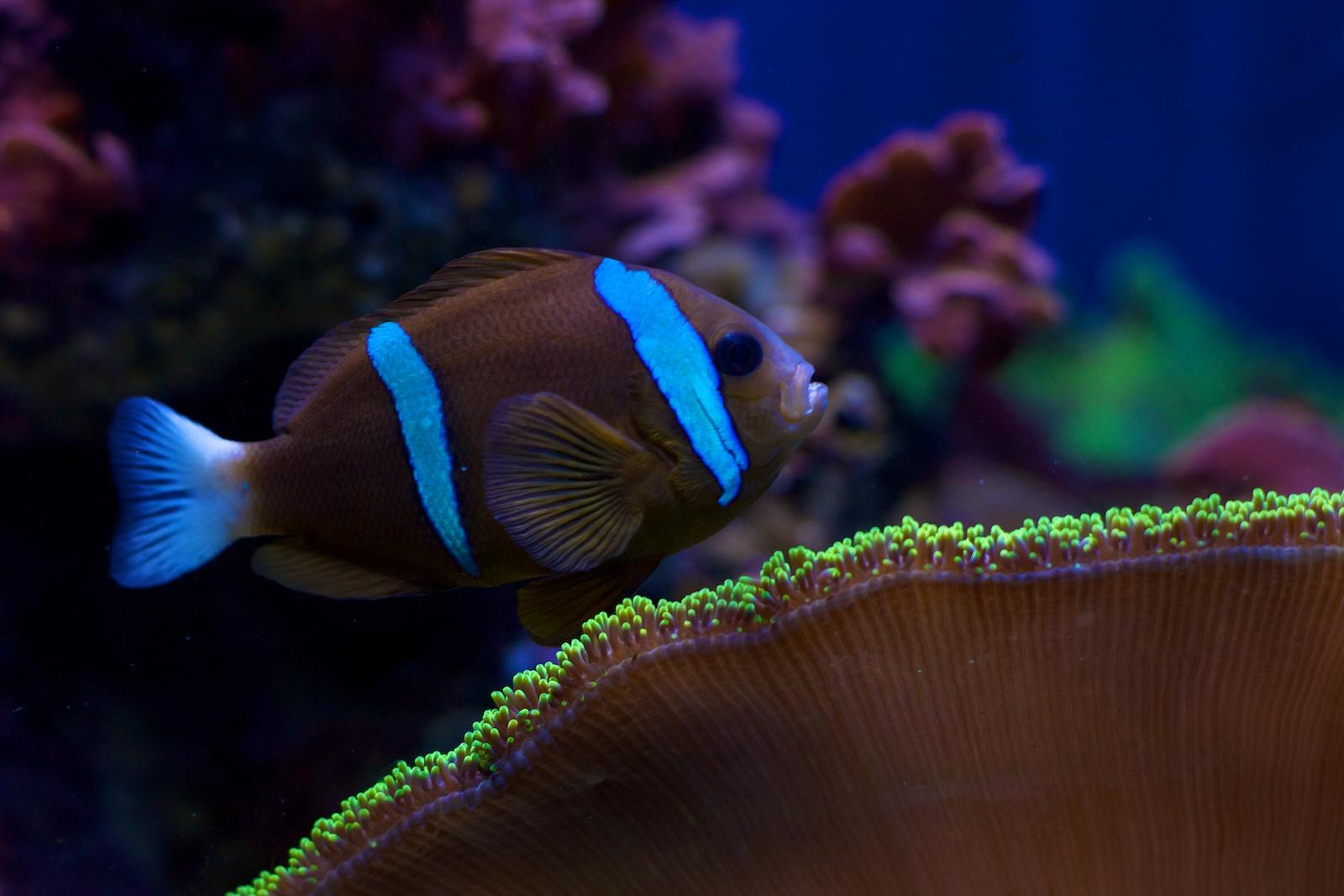 Paul from United Kingdom · CC BY · Wikimedia Commons
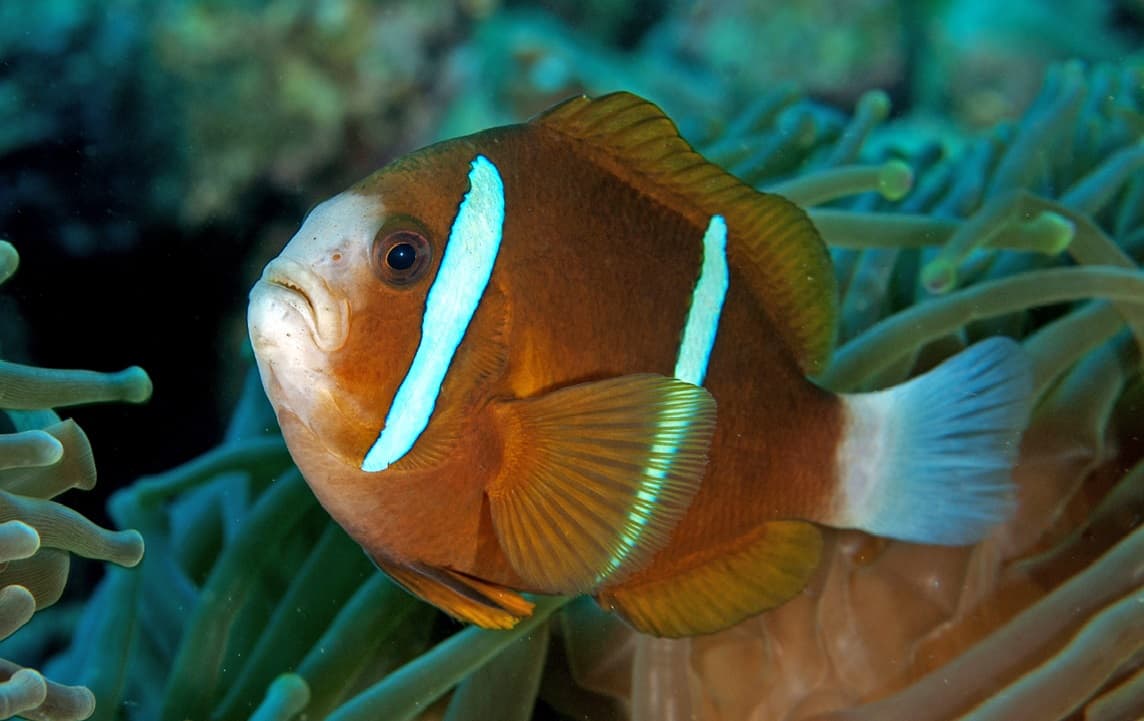 Ian V. Shaw / Reef Life Survey · CC BY · Wikimedia Commons
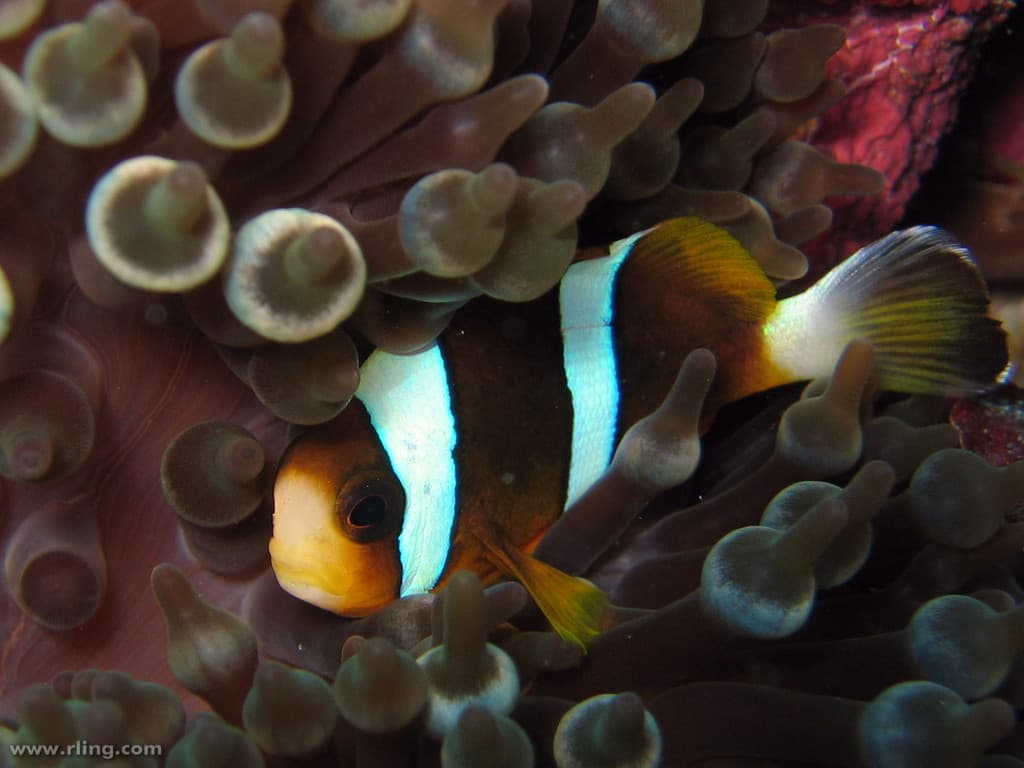 Richard Ling from NSW, Australia · CC BY-SA · Wikimedia Commons
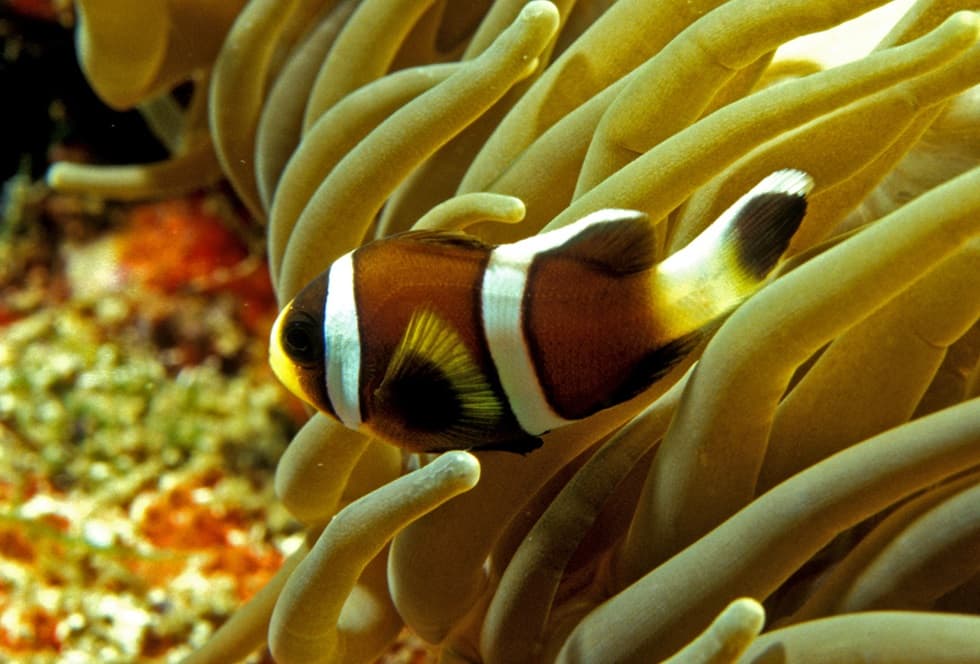 Ian V. Shaw / Reef Life Survey. · CC BY · Wikimedia Commons
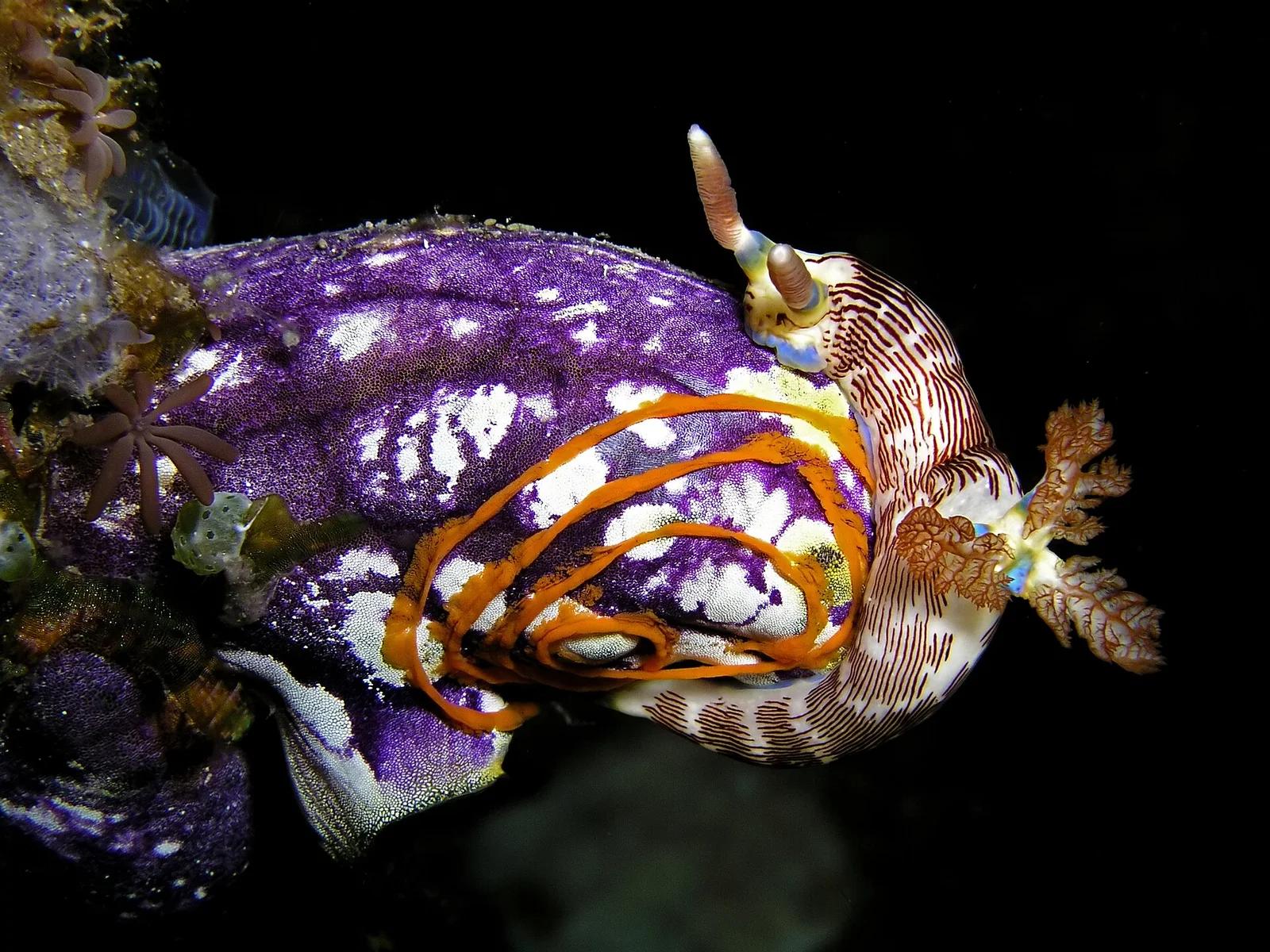 Nick Hobgood · CC BY-SA · Wikimedia Commons
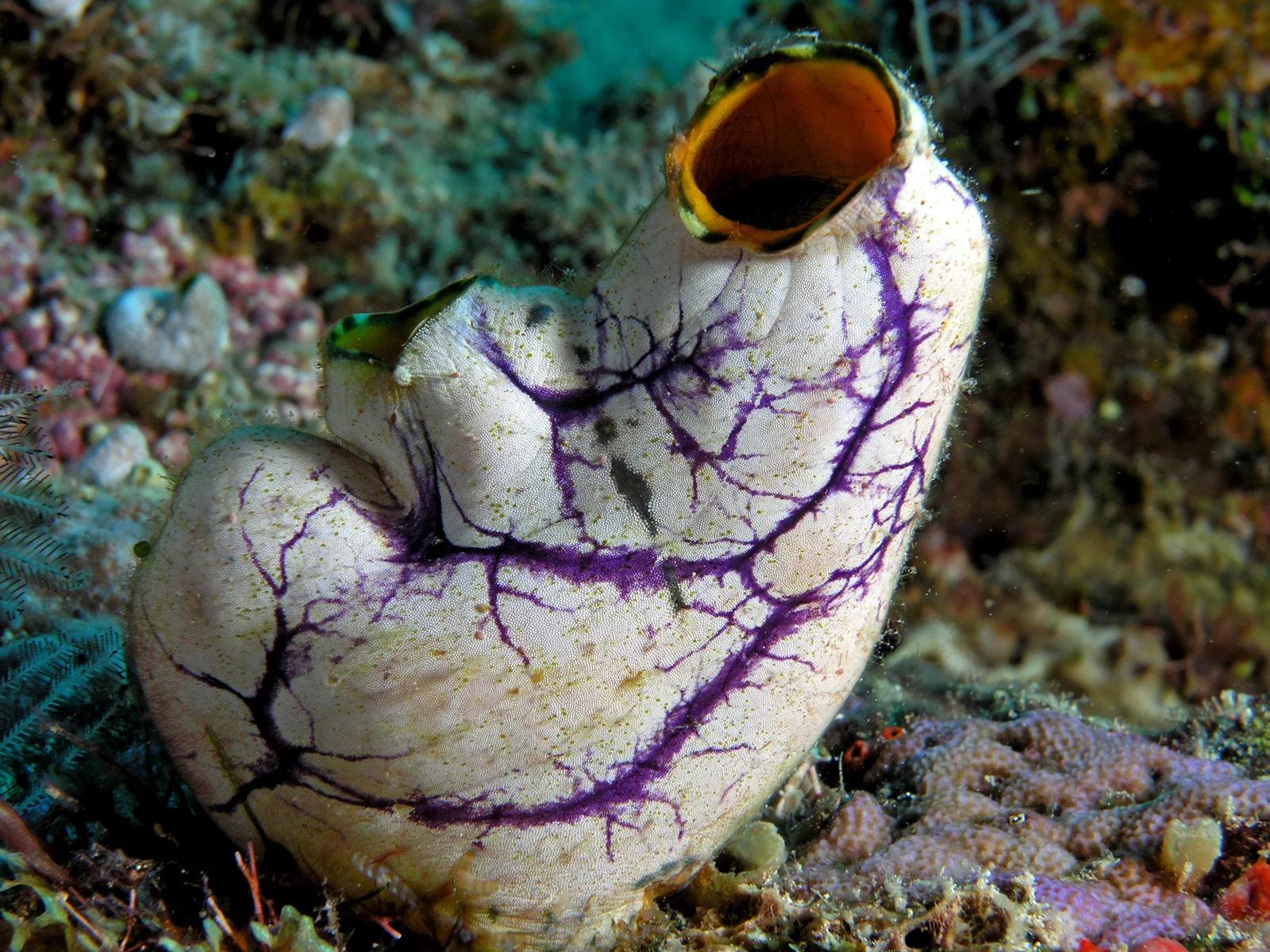 Nhobgood Nick Hobgood · CC BY-SA · Wikimedia Commons
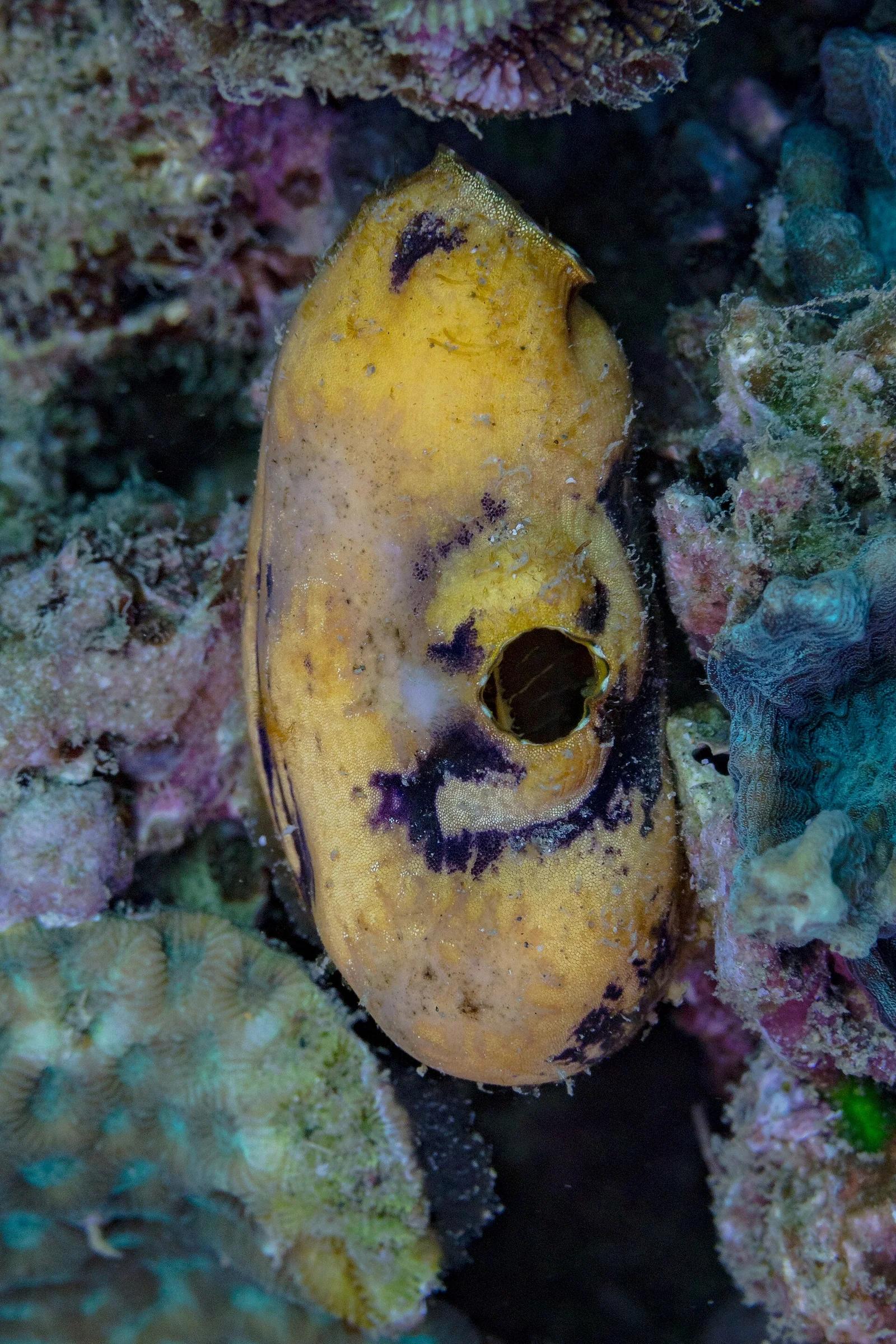 Diego Delso · CC BY-SA · Wikimedia Commons
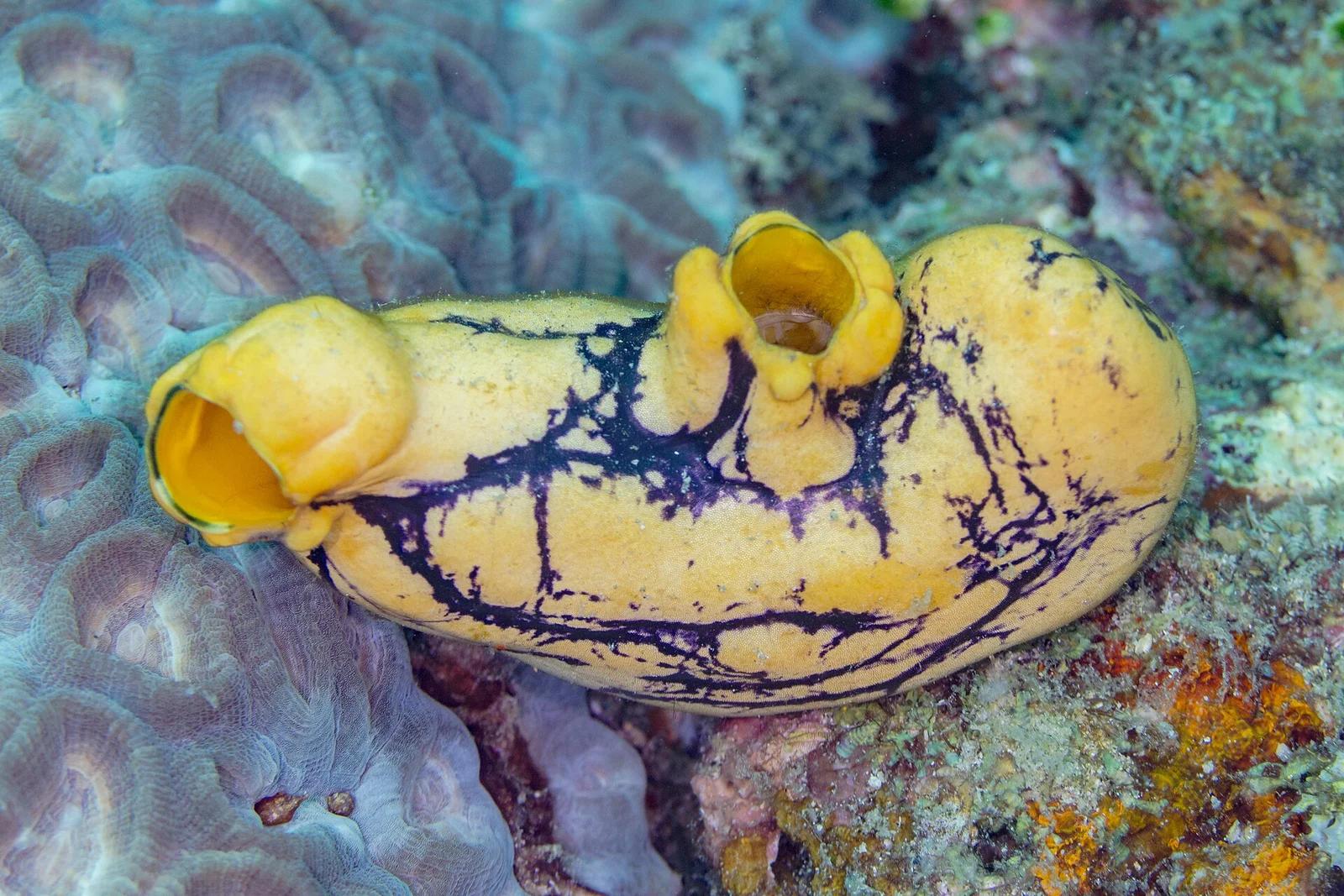 Diego Delso · CC BY-SA · Wikimedia Commons
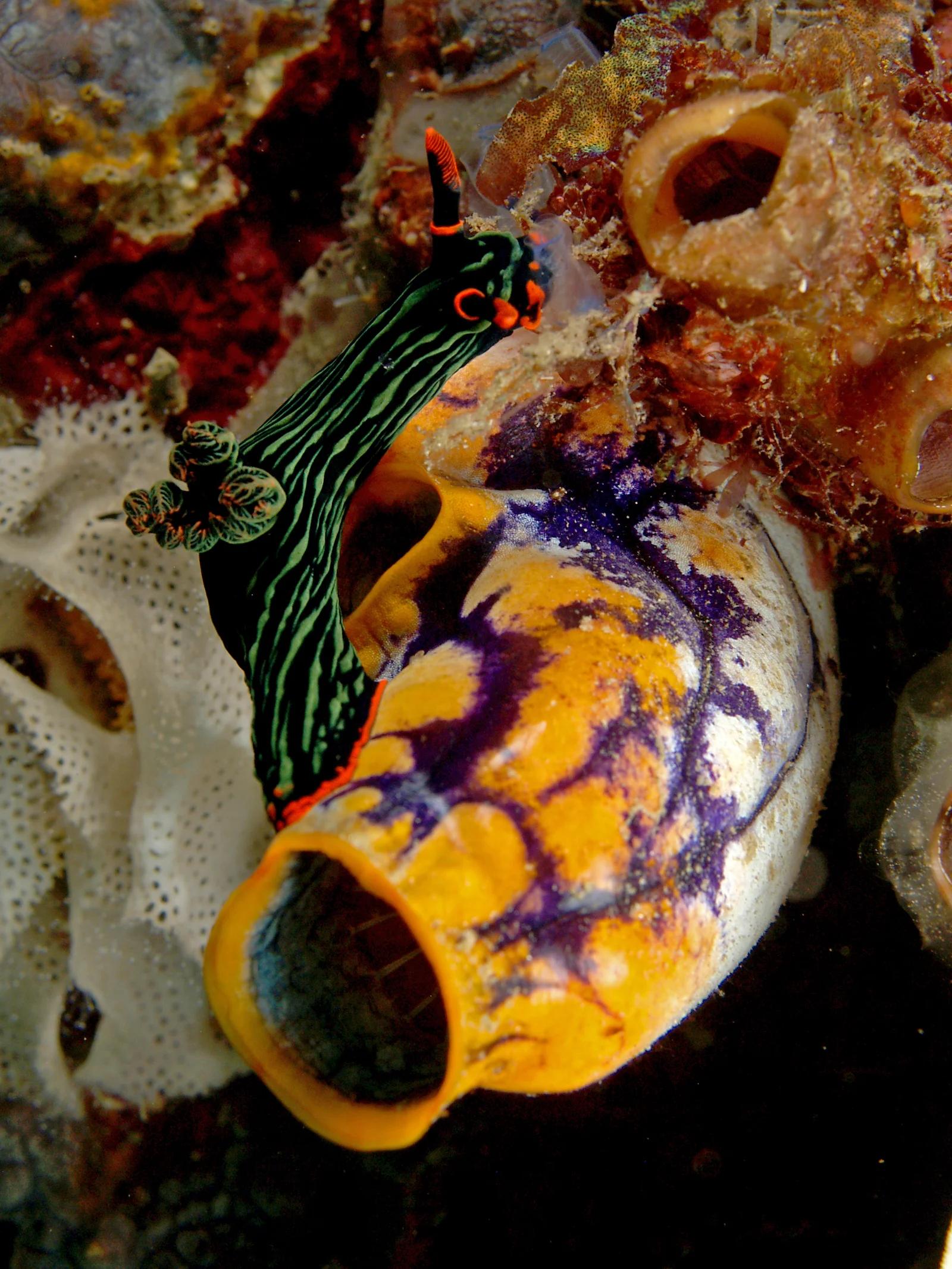 Nhobgood Nick Hobgood · CC BY-SA · Wikimedia Commons
Butterflyfishes · Least Concern
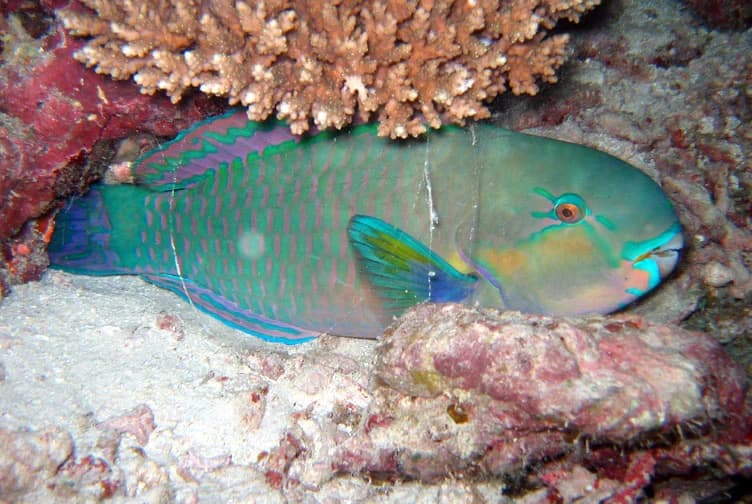
Wrasses & Parrotfishes · Least Concern
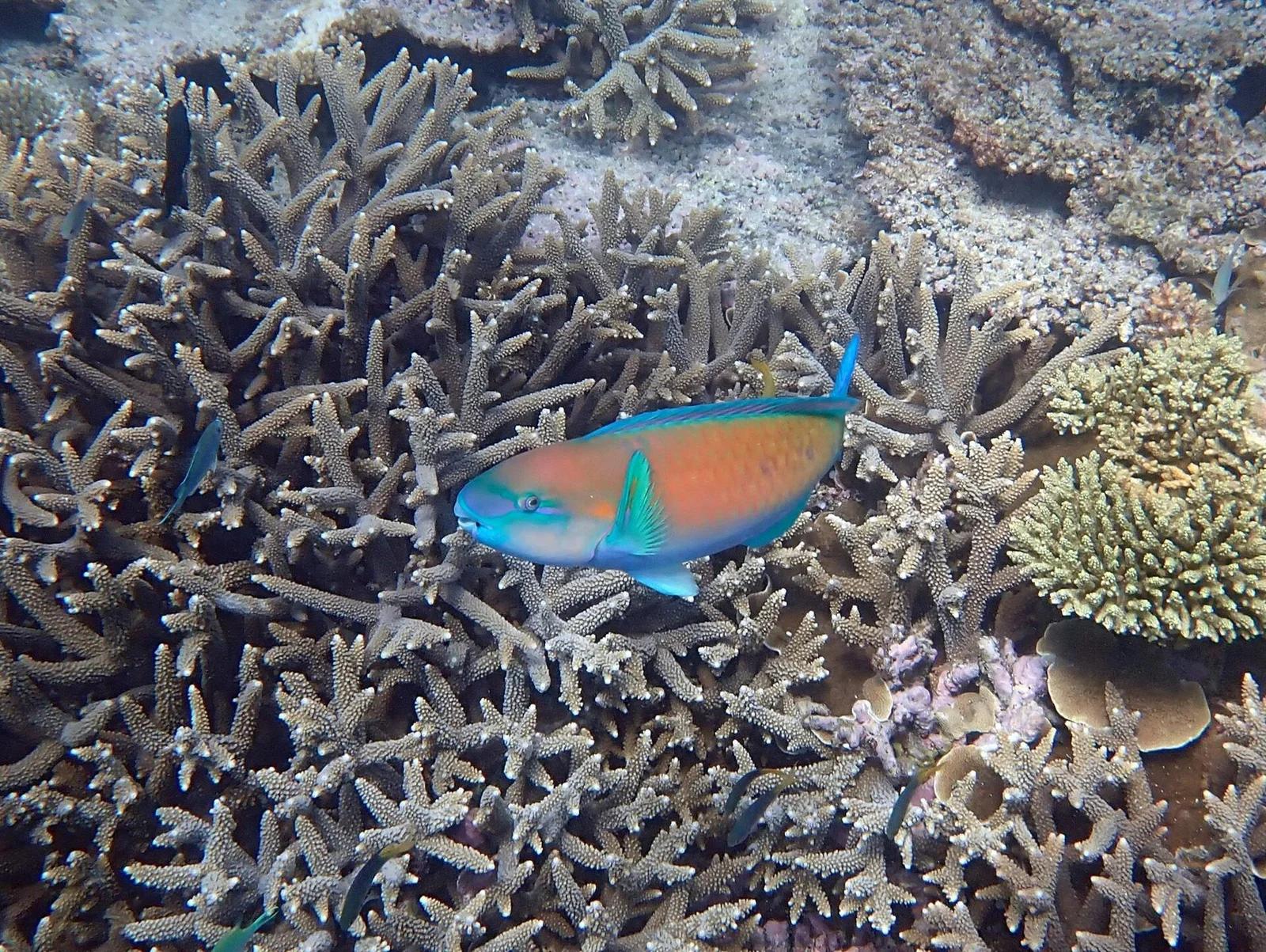
Jaroslaw Barski · CC BY-SA · Wikimedia Commons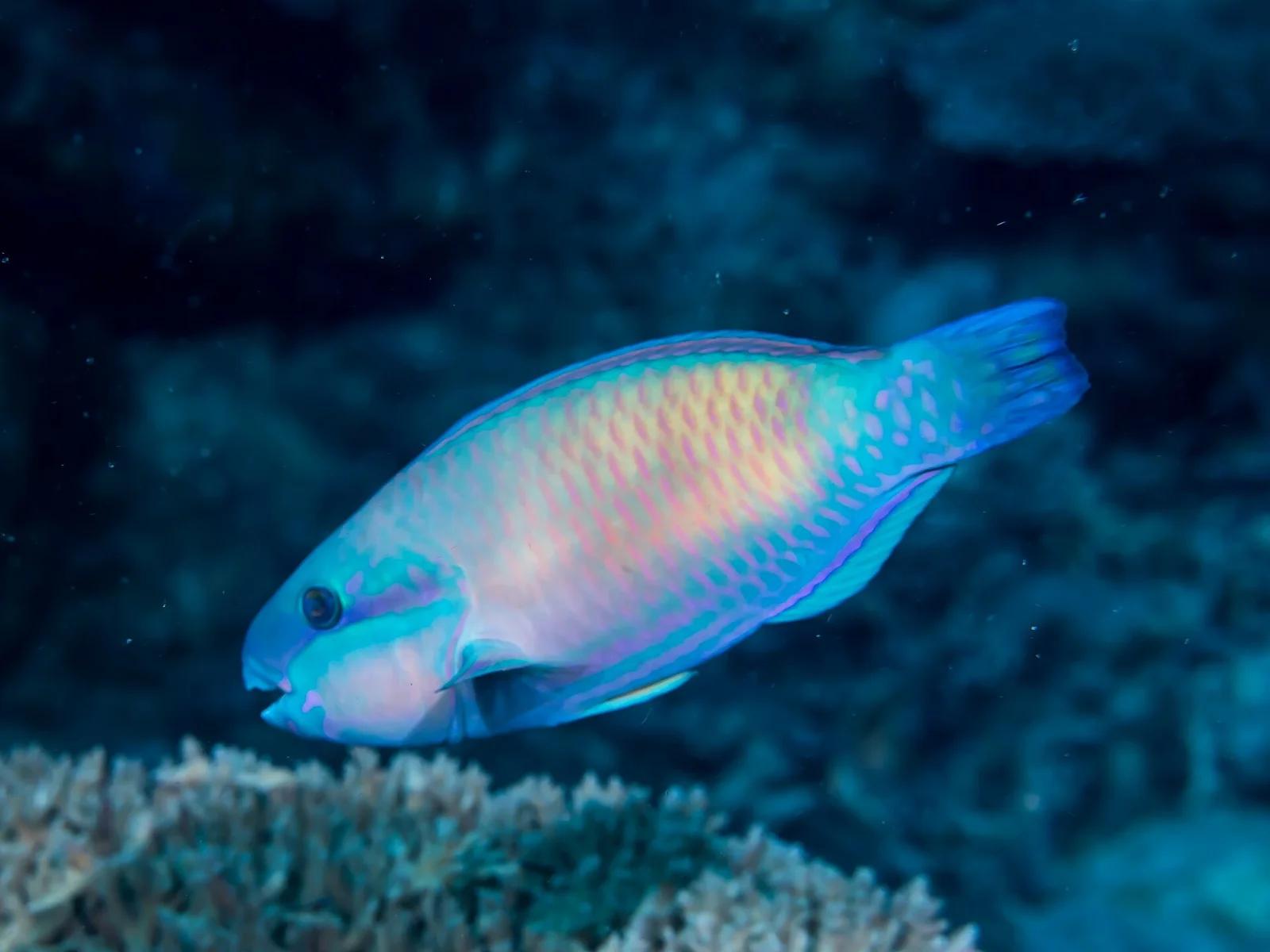 Rickard Zerpe · CC BY · Wikimedia Commons
 Bruce Deagle · CC BY · Wikimedia Commons
 Paul Asman and Jill Lenoble · CC BY · Wikimedia Commons
 Paul Asman and Jill Lenoble · CC BY · Wikimedia Commons
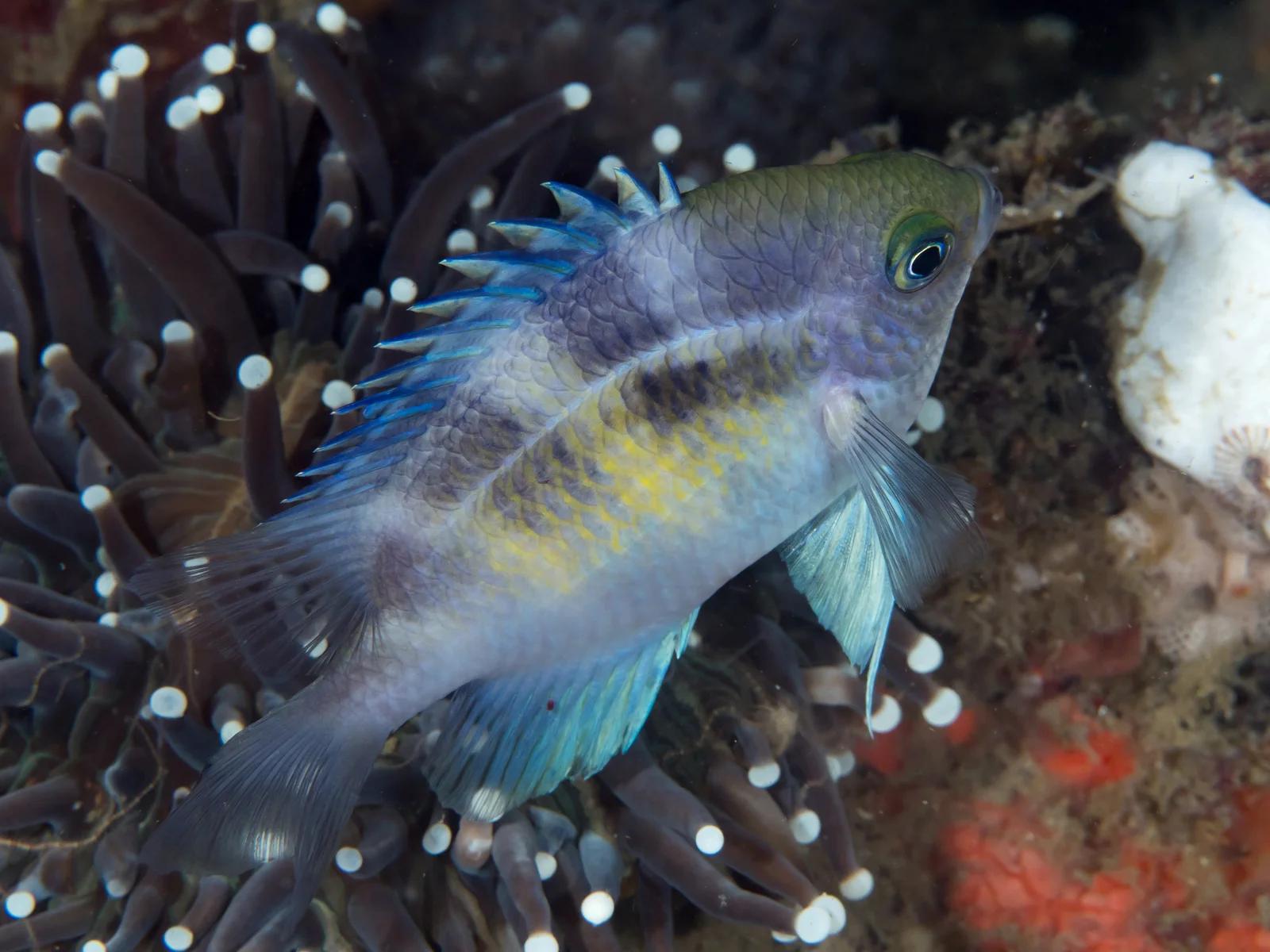
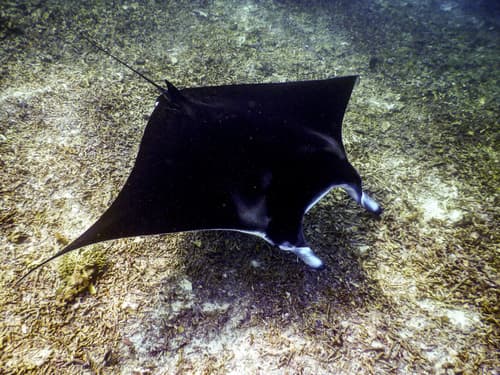
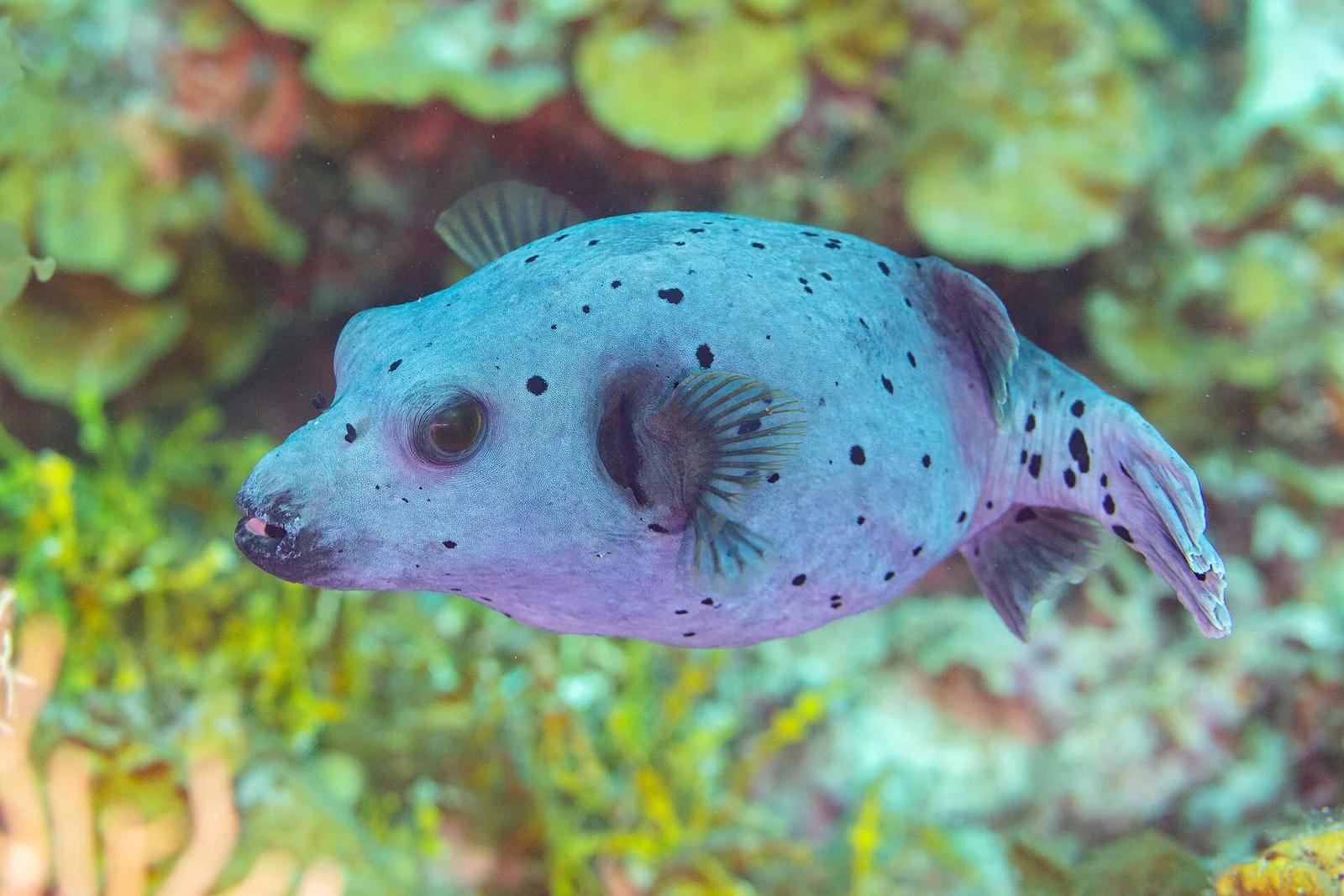
Fish · Least Concern
Diego Delso · CC BY-SA · Wikimedia Commons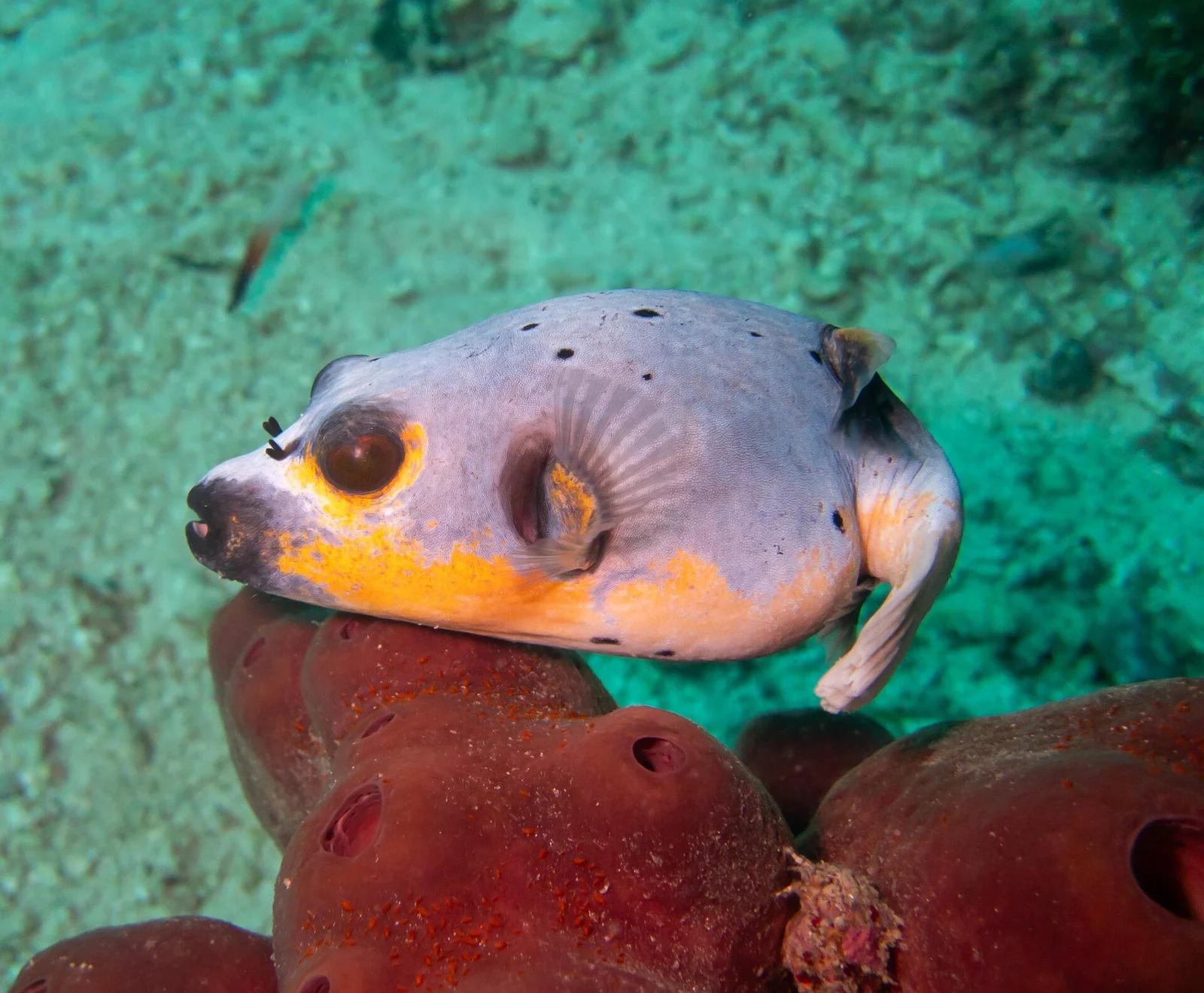 portioid · CC BY-SA · Wikimedia Commons
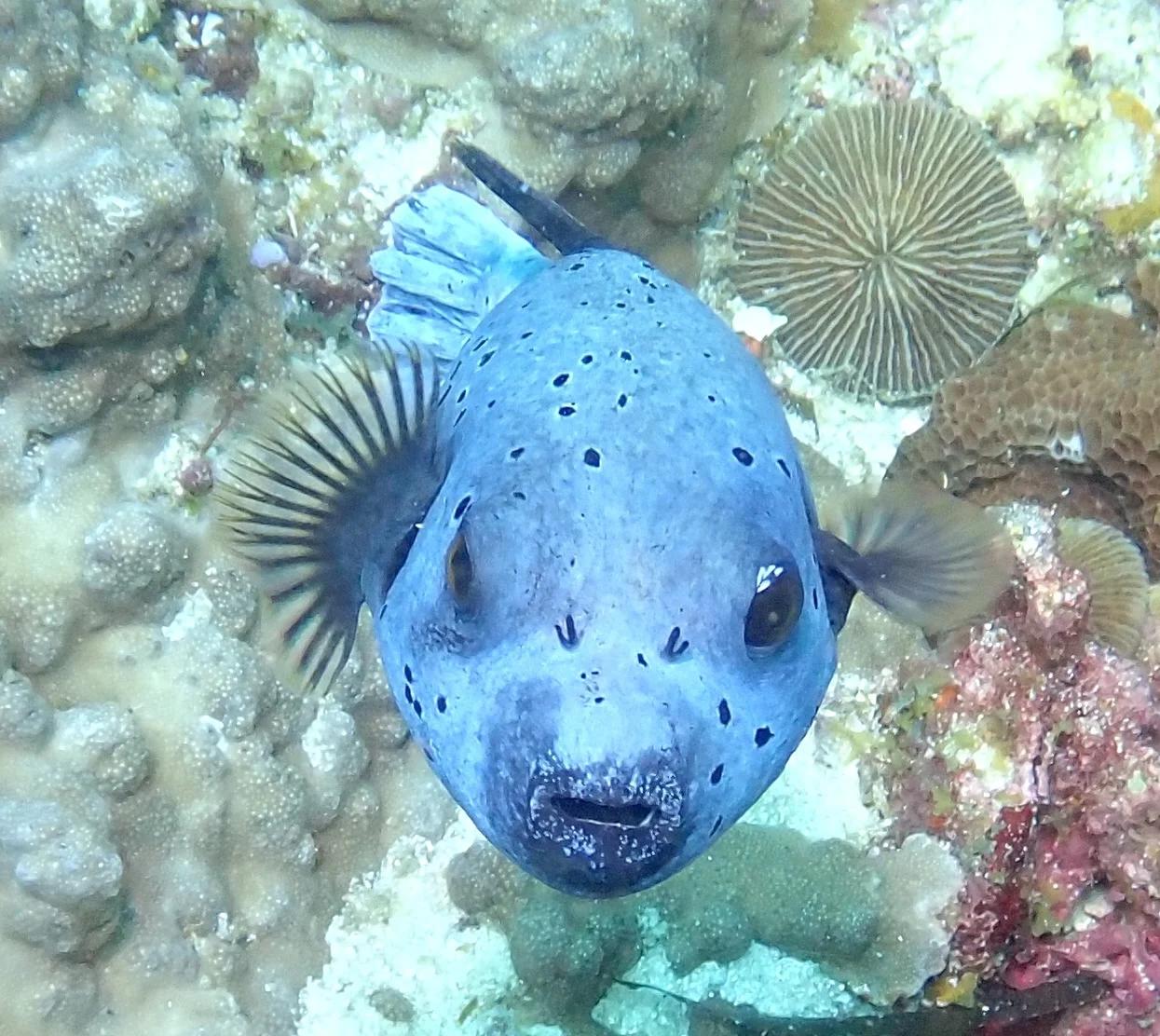 desertnaturalist · CC BY · Wikimedia Commons
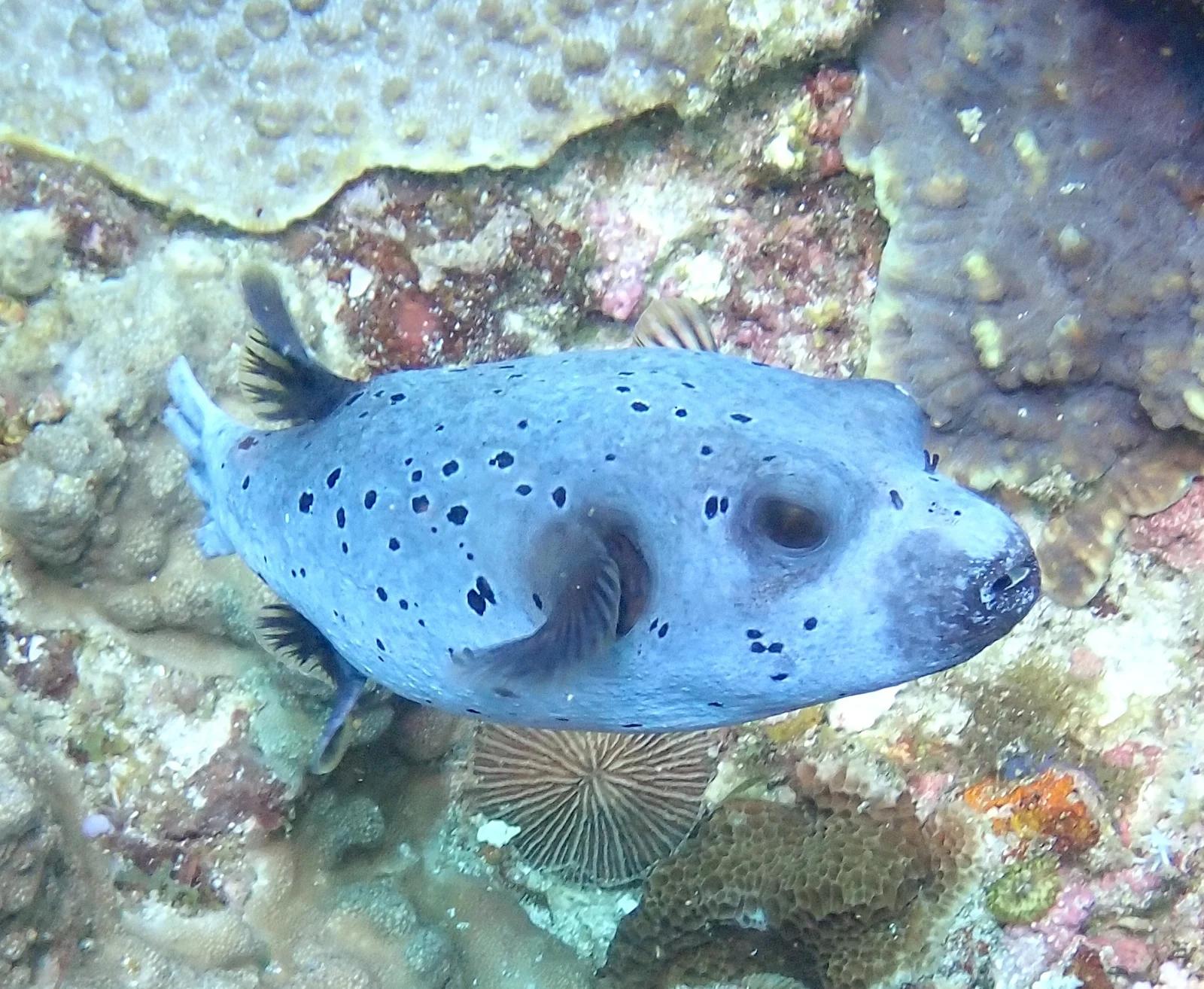 desertnaturalist · CC BY · Wikimedia Commons
 Micha Baum · CC BY-SA · Wikimedia Commons
Rays · Least Concern
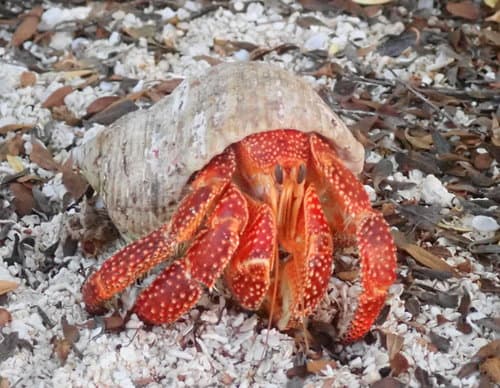 Henrik Kibak · CC BY · iNaturalist
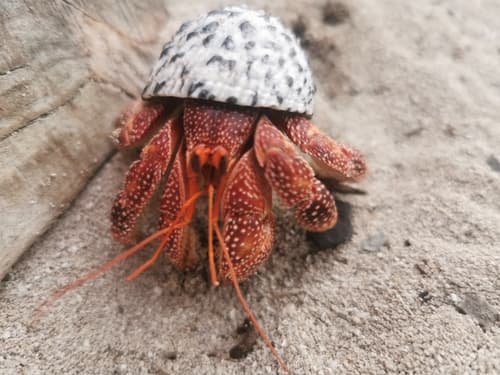 CC0 · iNaturalist
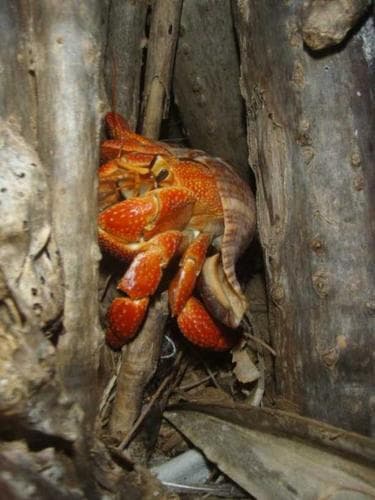 Petr Baum · CC BY-SA · iNaturalist

Bivalves · Least Concern
Nhobgood · CC BY-SA · iNaturalist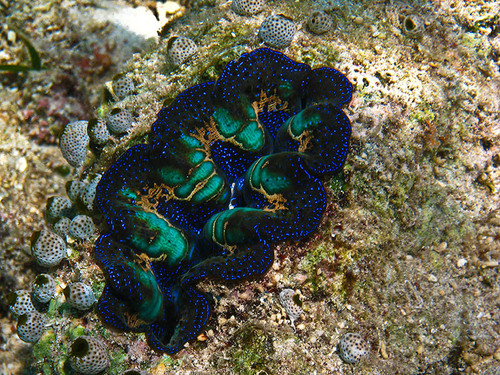 Vincent Kruger, no known copyright restrictions (public domain) · Public Domain · iNaturalist
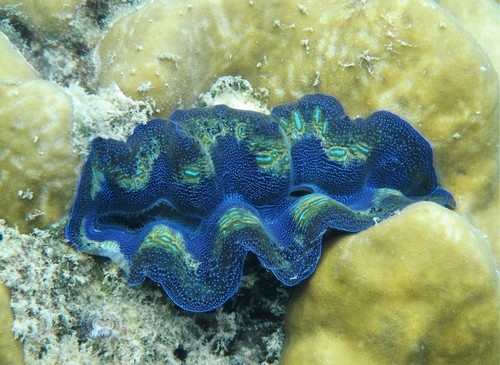 Mudasir Zainuddin · CC BY-SA · iNaturalist
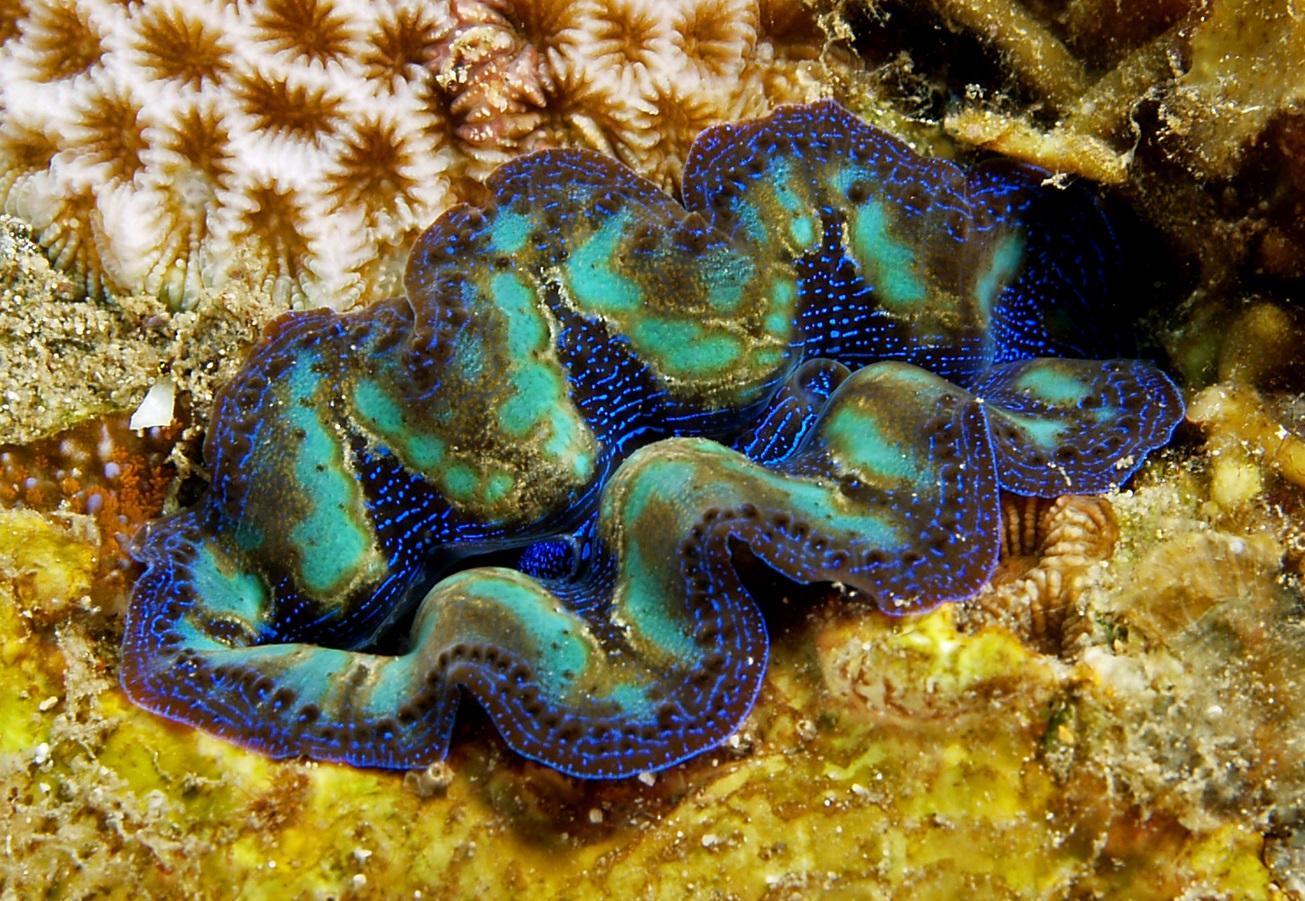 Nick Hobgood · CC BY-SA · Wikimedia Commons
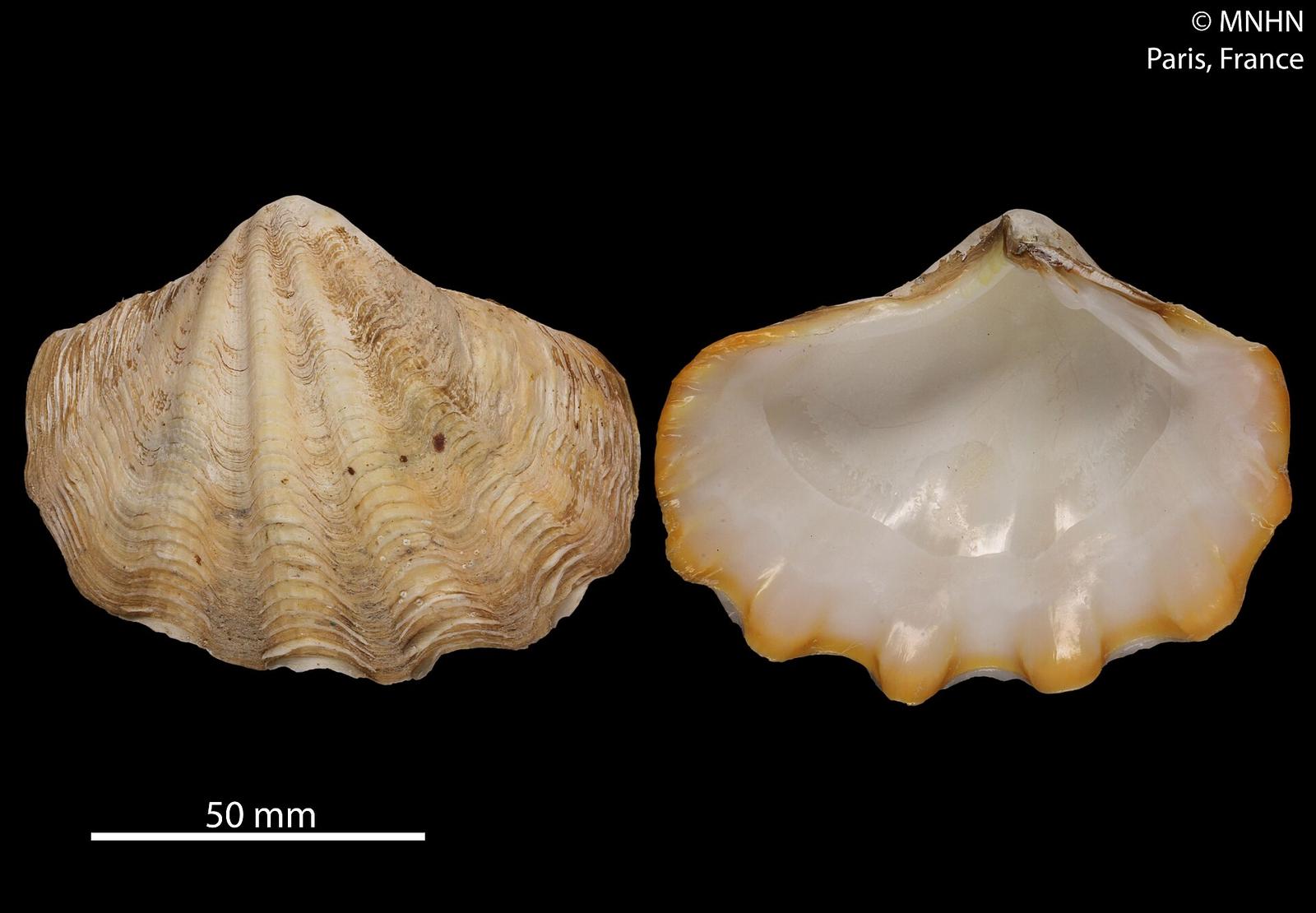 Marie HENNION · CC BY · Wikimedia Commons
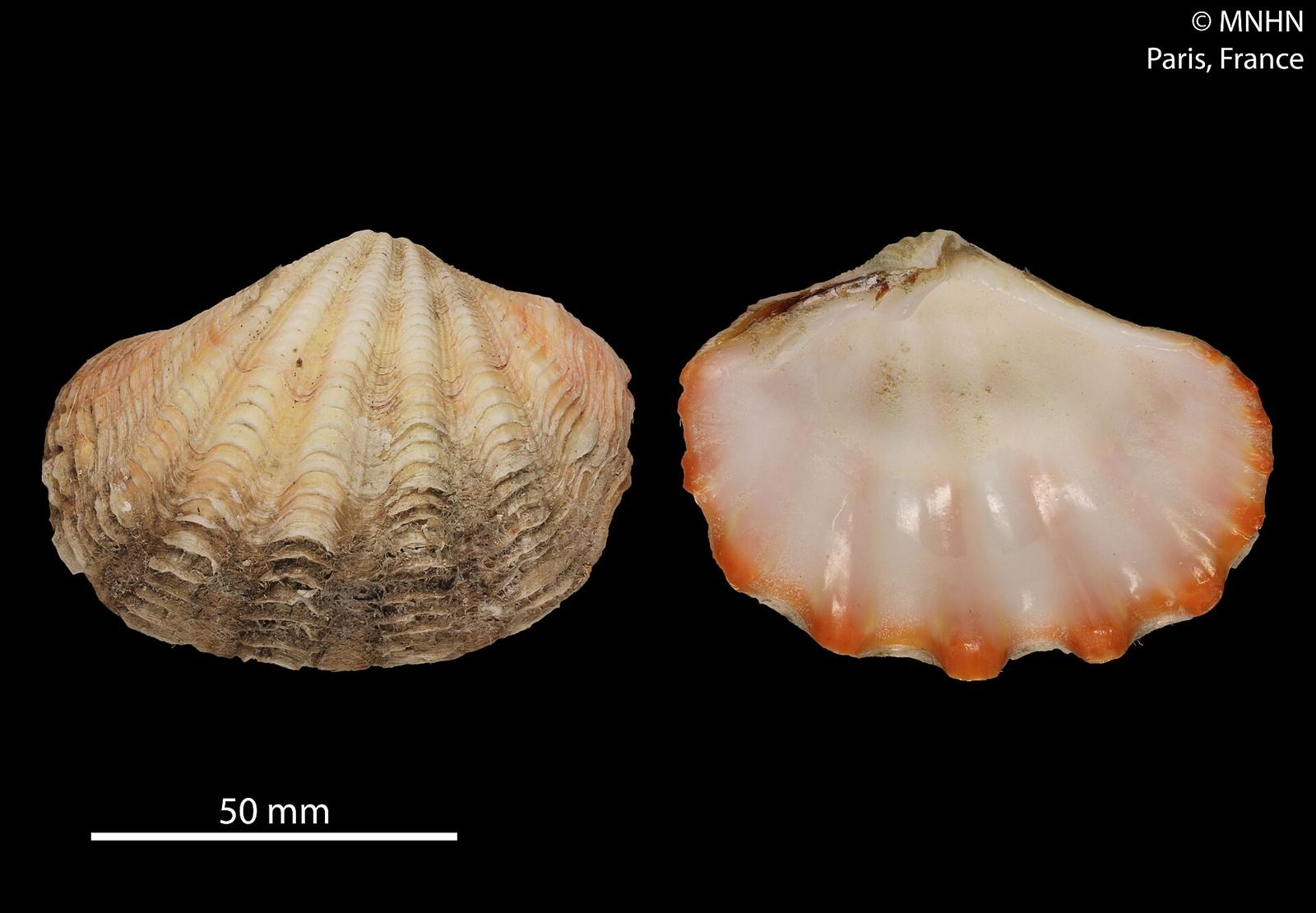 Marie HENNION · CC BY · Wikimedia Commons
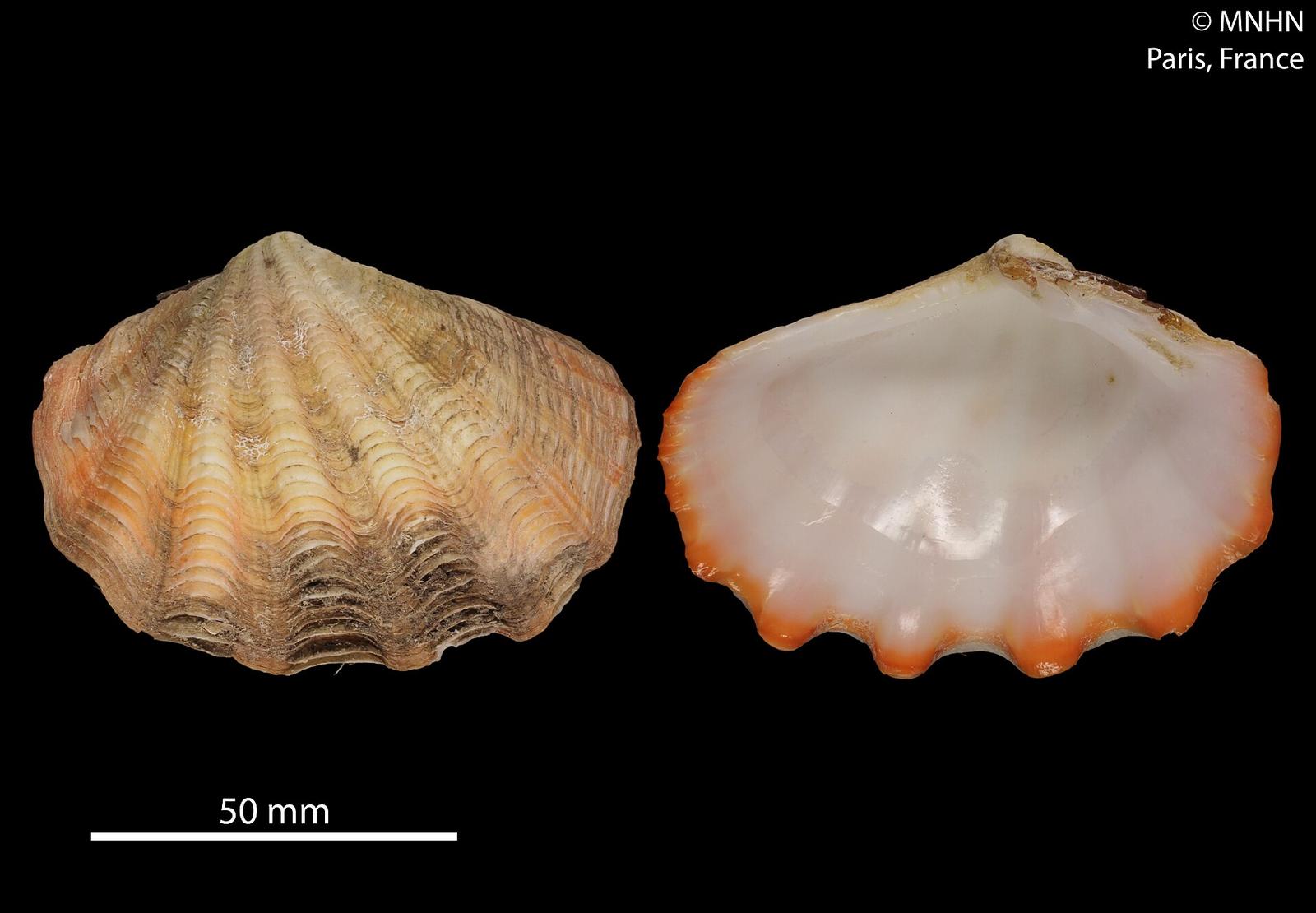 Marie HENNION · CC BY · Wikimedia Commons
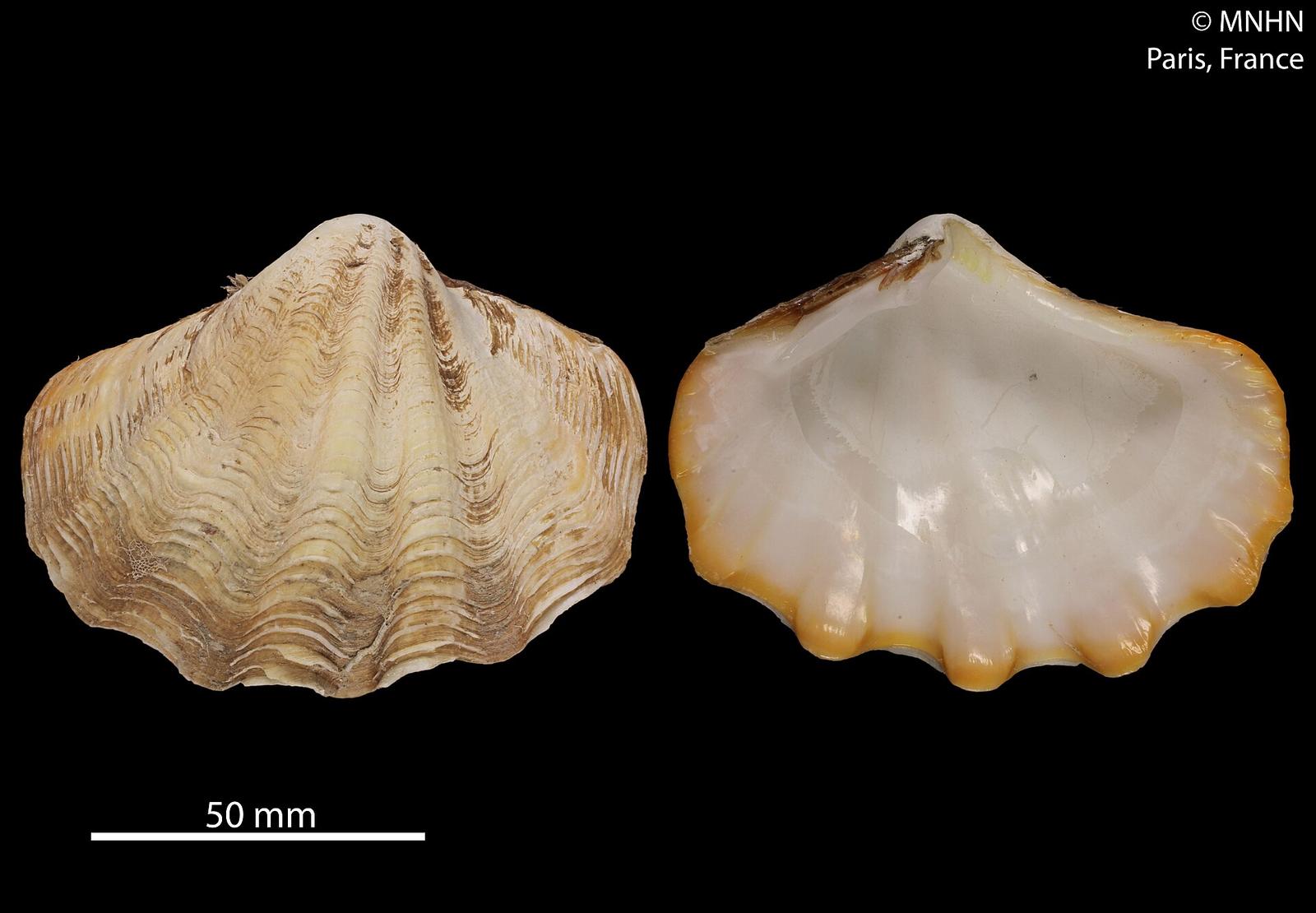 Marie HENNION · CC BY · Wikimedia Commons
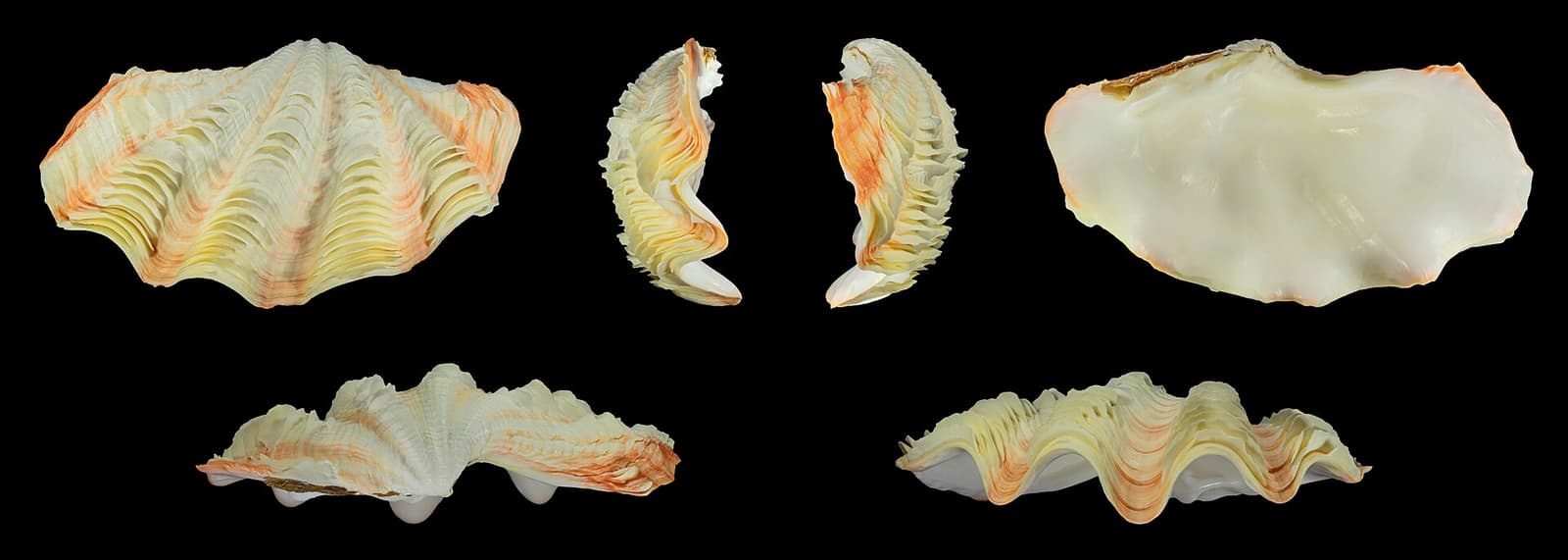 H. Zell · CC BY-SA · Wikimedia Commons
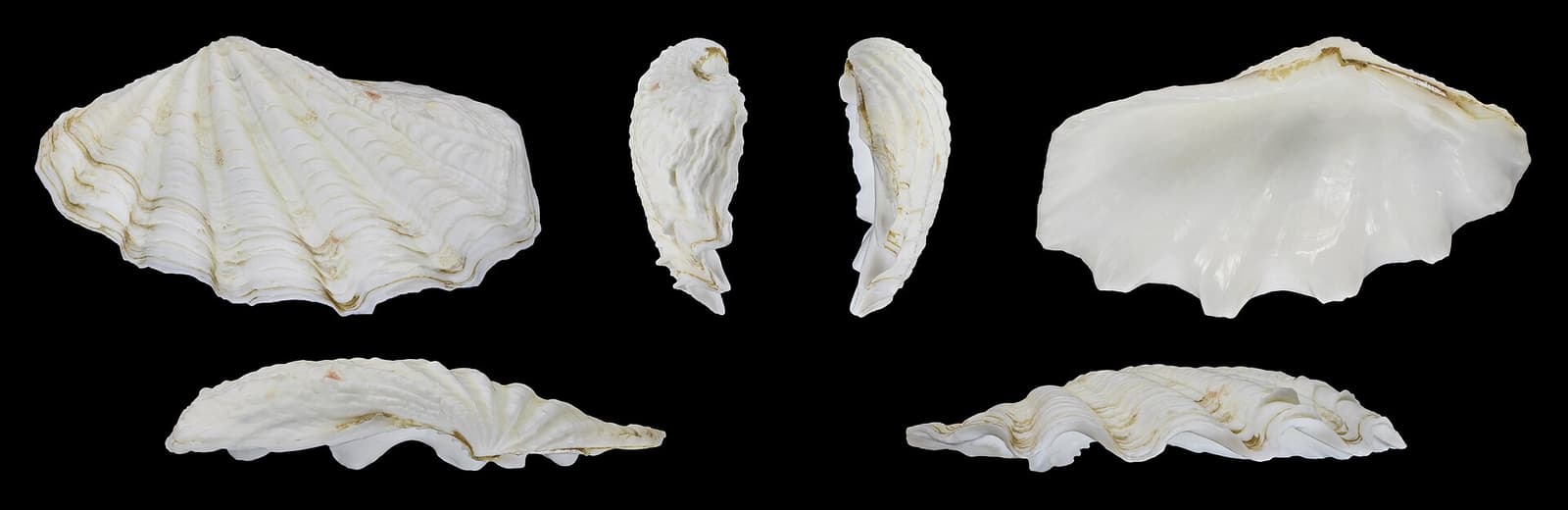 H. Zell · CC BY-SA · Wikimedia Commons
 gérard · CC BY-SA · Wikimedia Commons
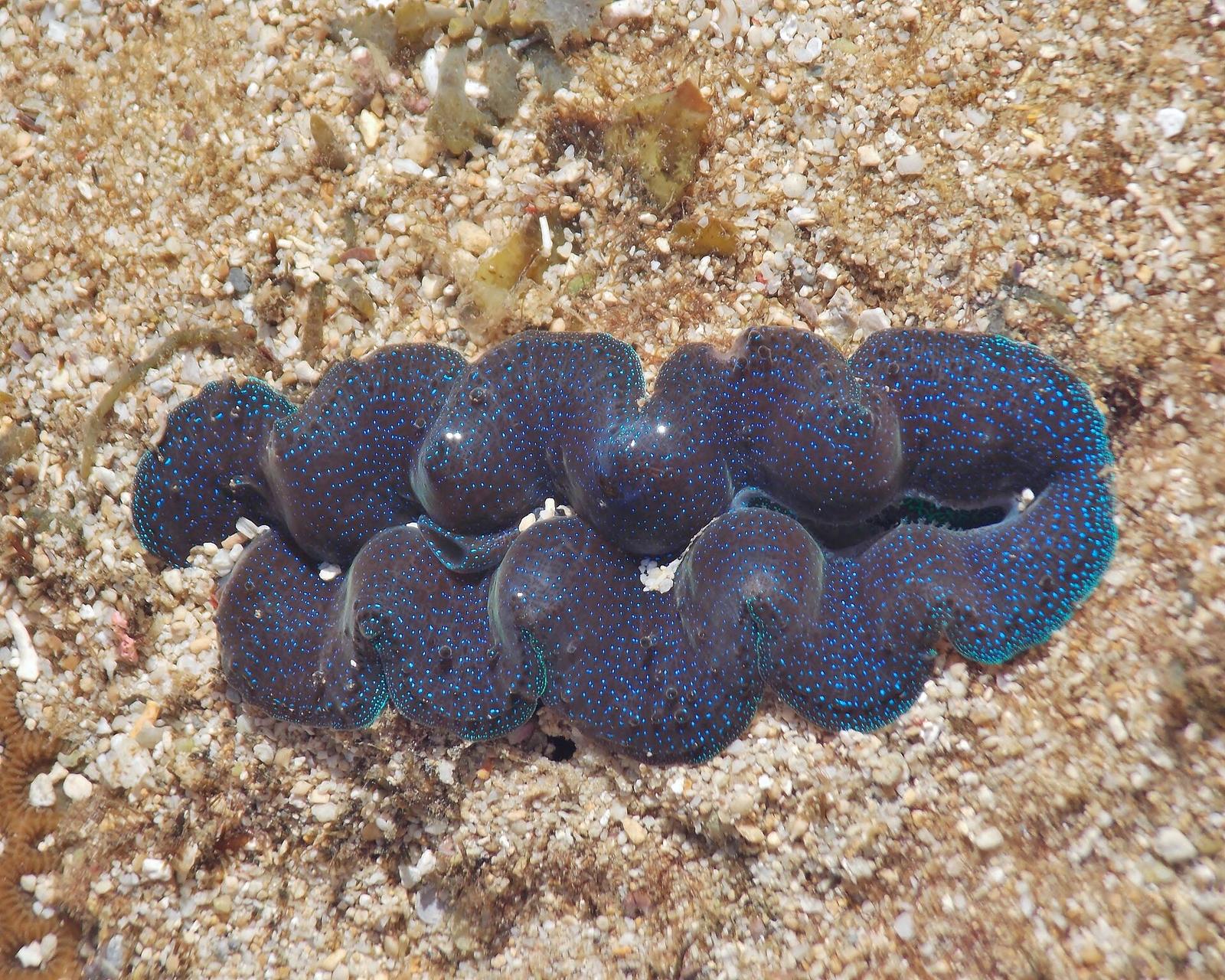
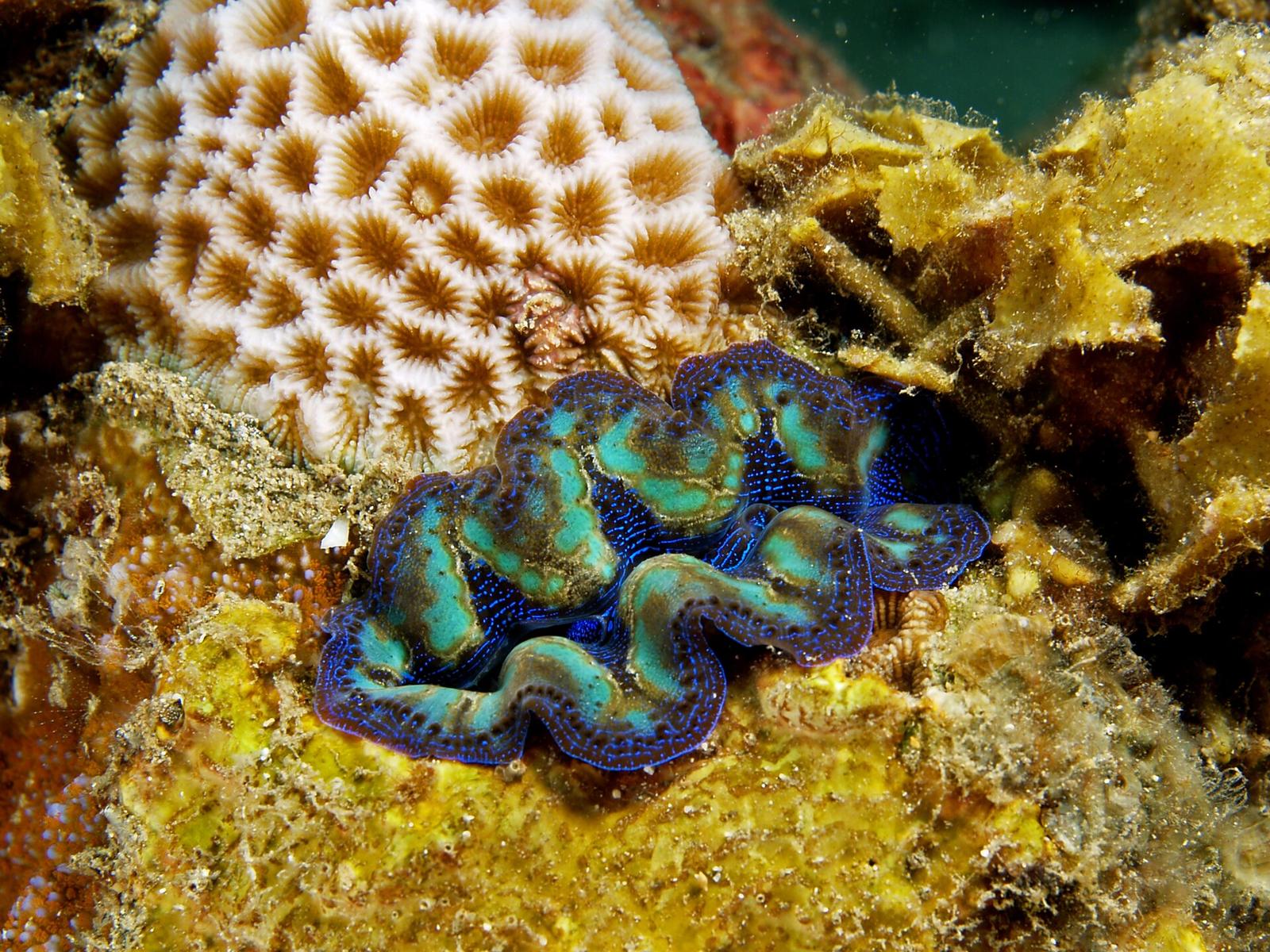 Nhobgood Nick Hobgood · CC BY-SA · Wikimedia Commons
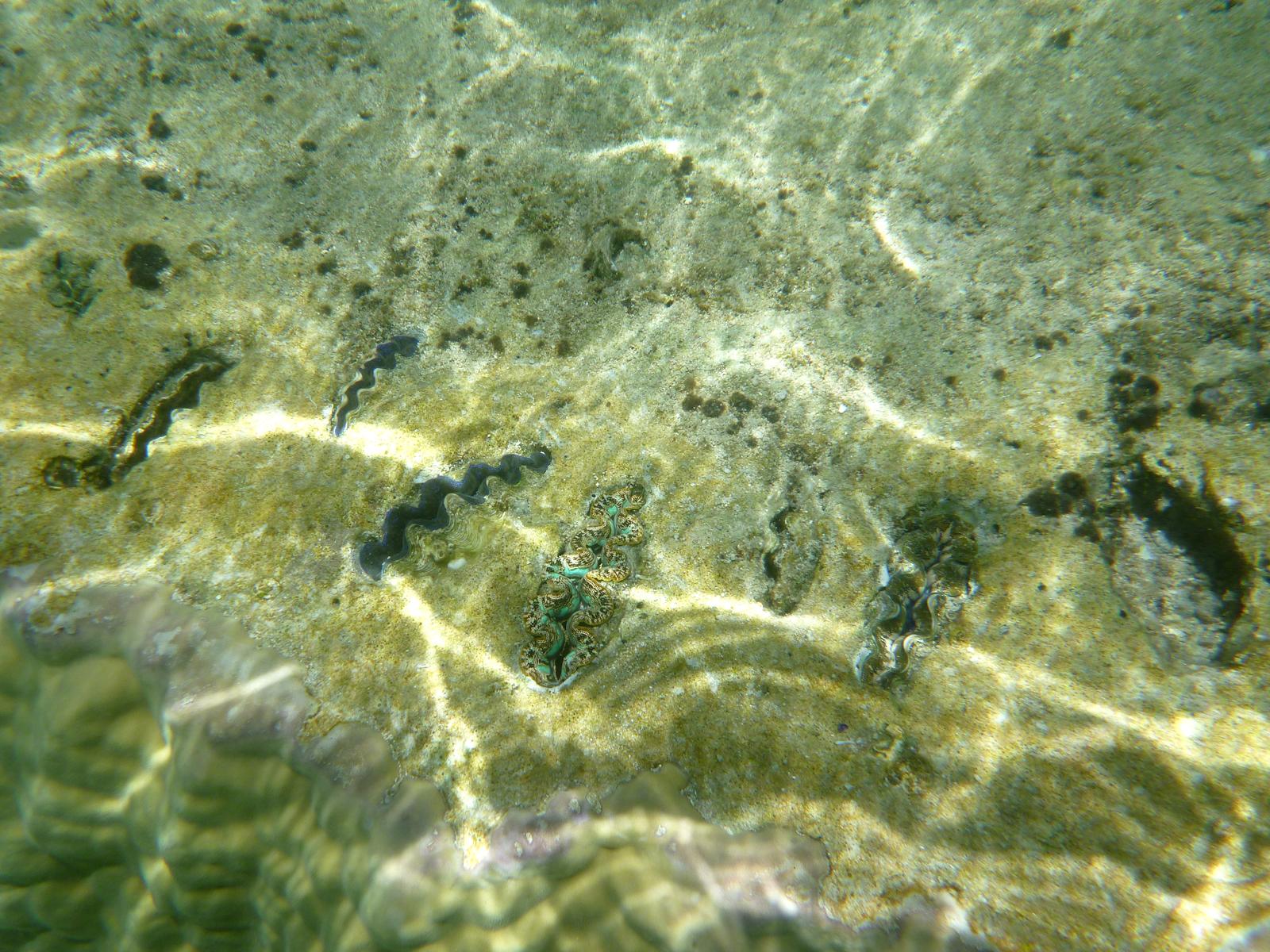 Paipateroma · CC BY-SA · Wikimedia Commons
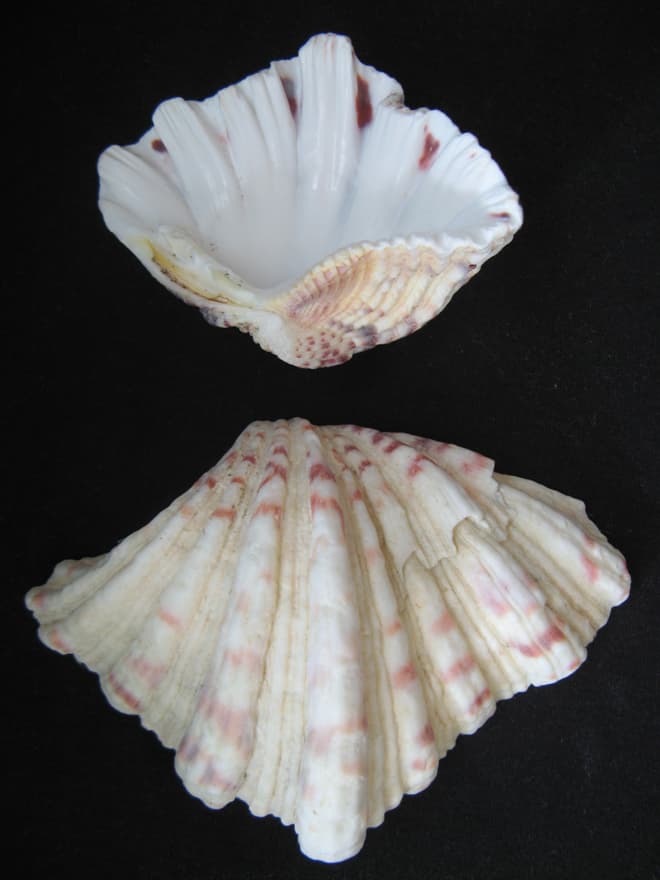
Bivalves · Vulnerable
Rikaris · CC BY-SA · Wikimedia Commons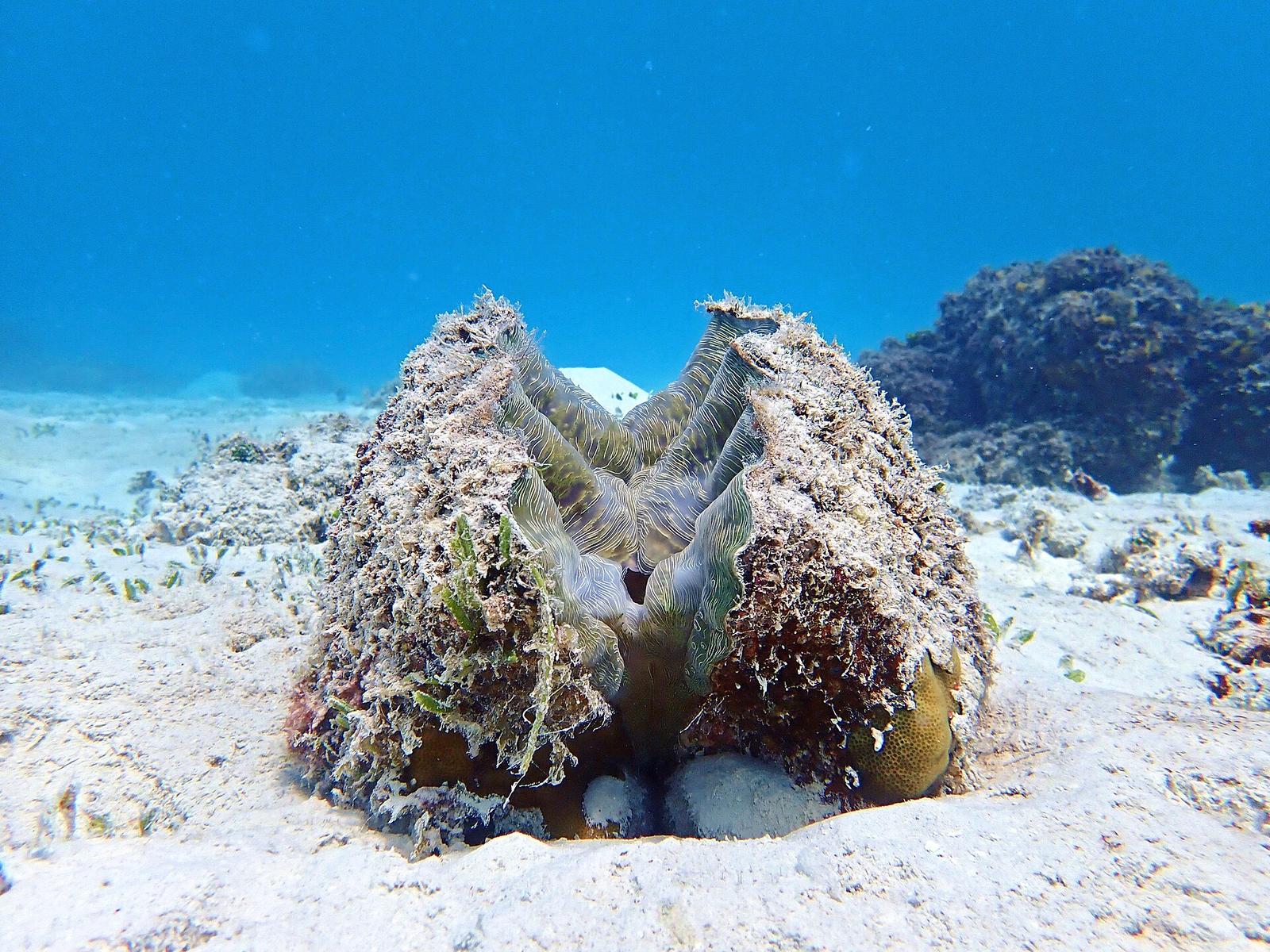 Frédéric Ducarme · CC BY-SA · Wikimedia Commons
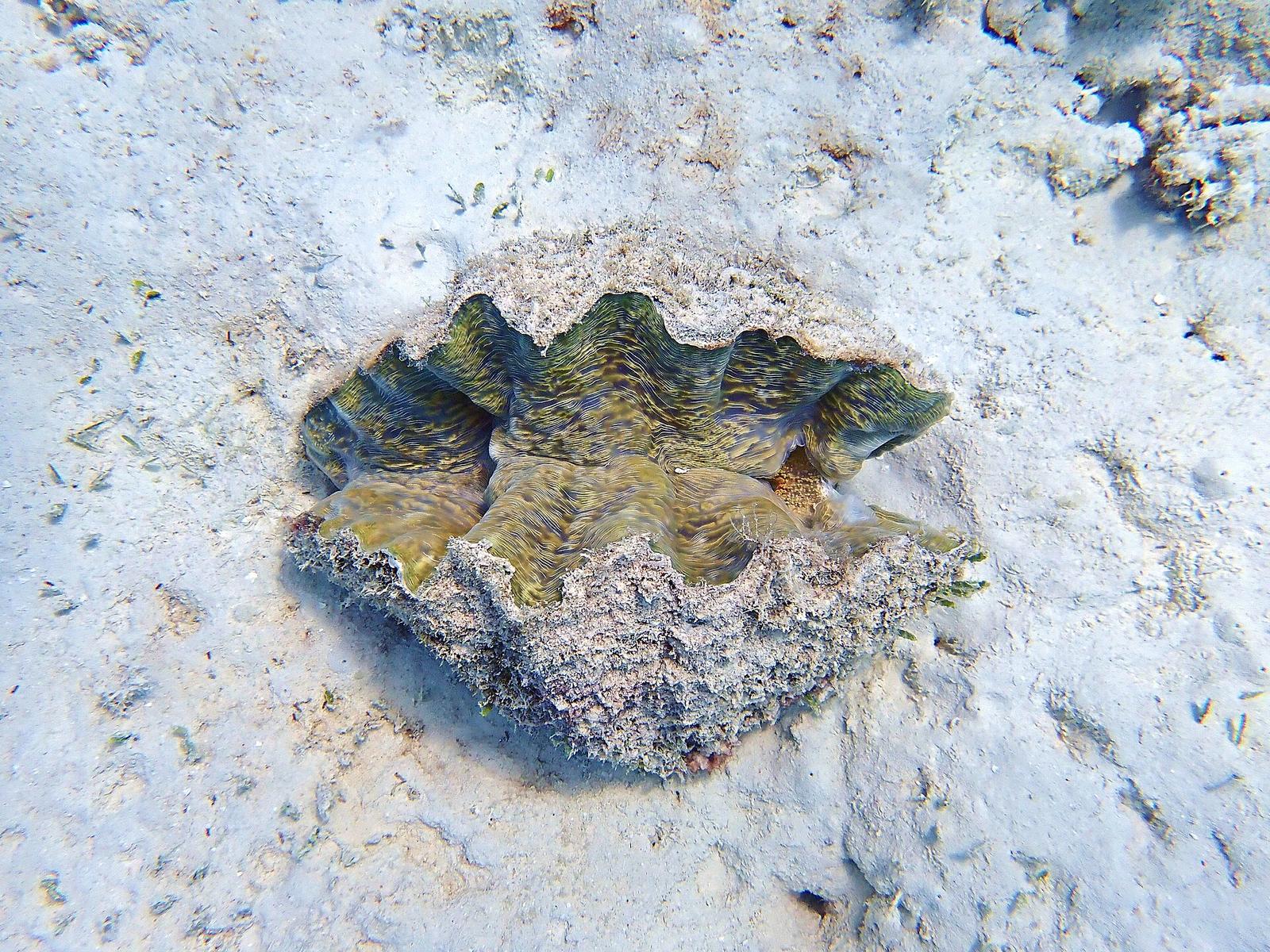 Frédéric Ducarme · CC BY-SA · Wikimedia Commons
 Jechma · CC BY-SA · Wikimedia Commons
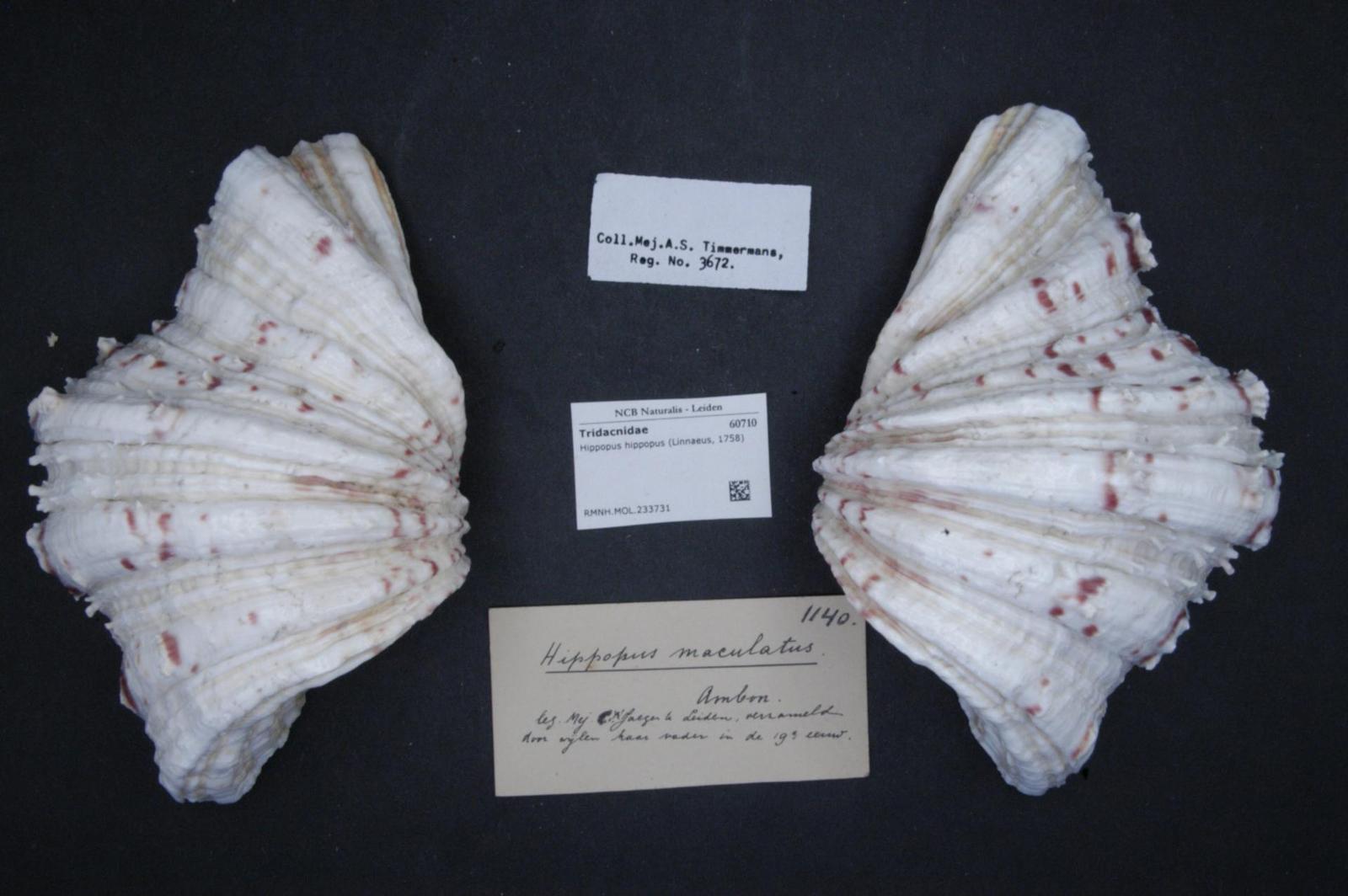 Linnaeus, 1758 · CC0 · Wikimedia Commons
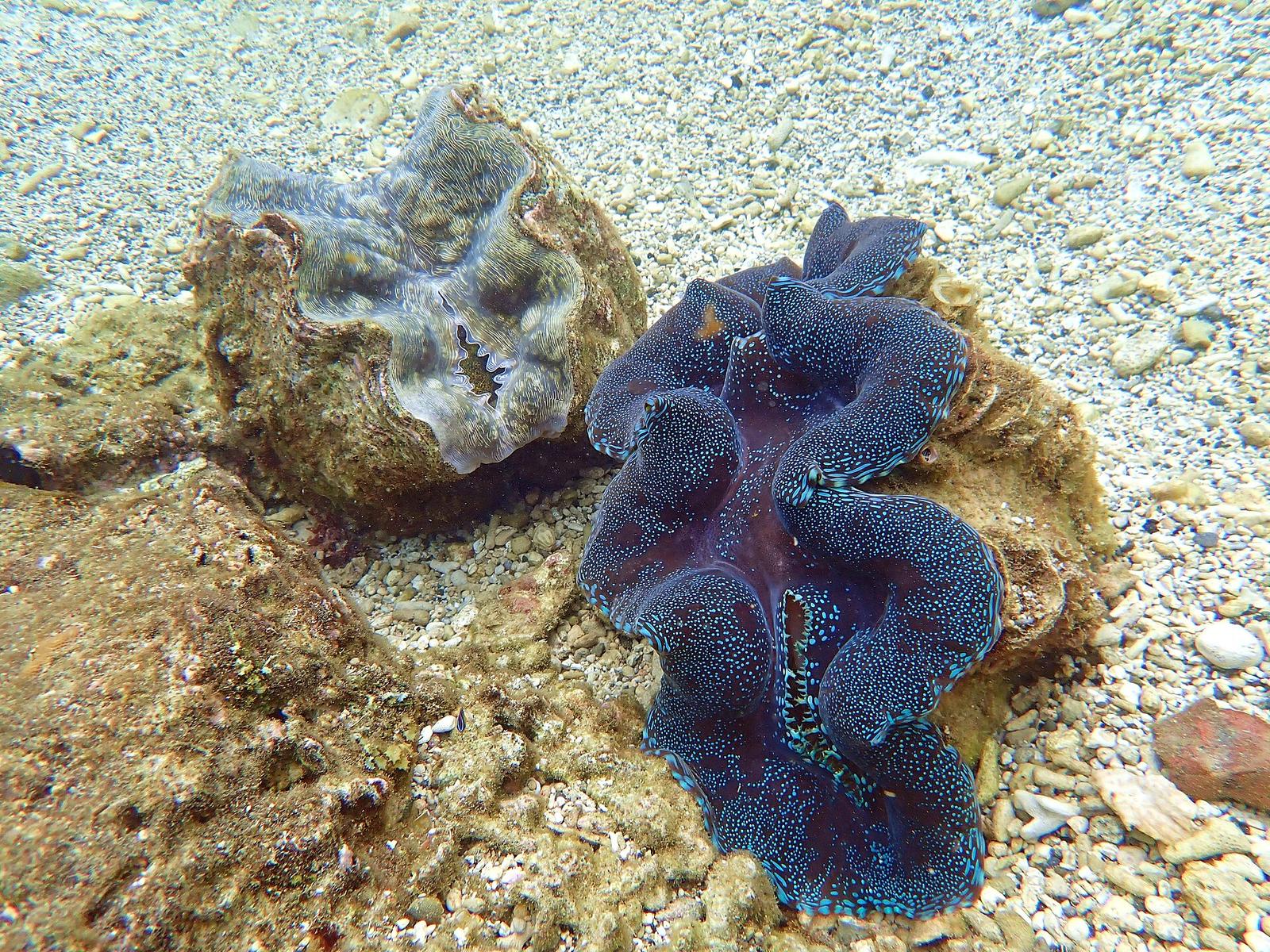 Frédéric Ducarme · CC BY-SA · Wikimedia Commons
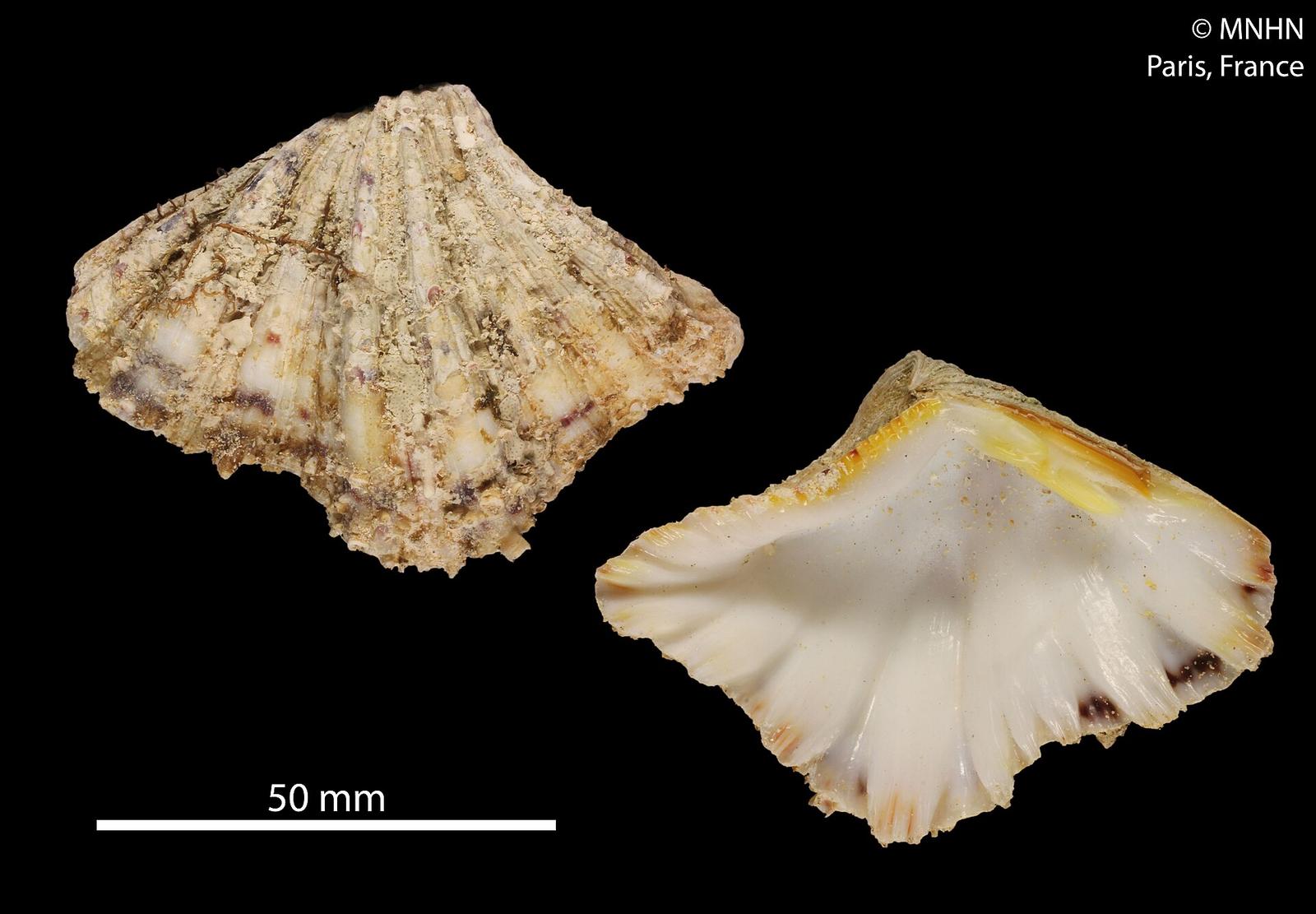 Marie HENNION · CC BY · Wikimedia Commons
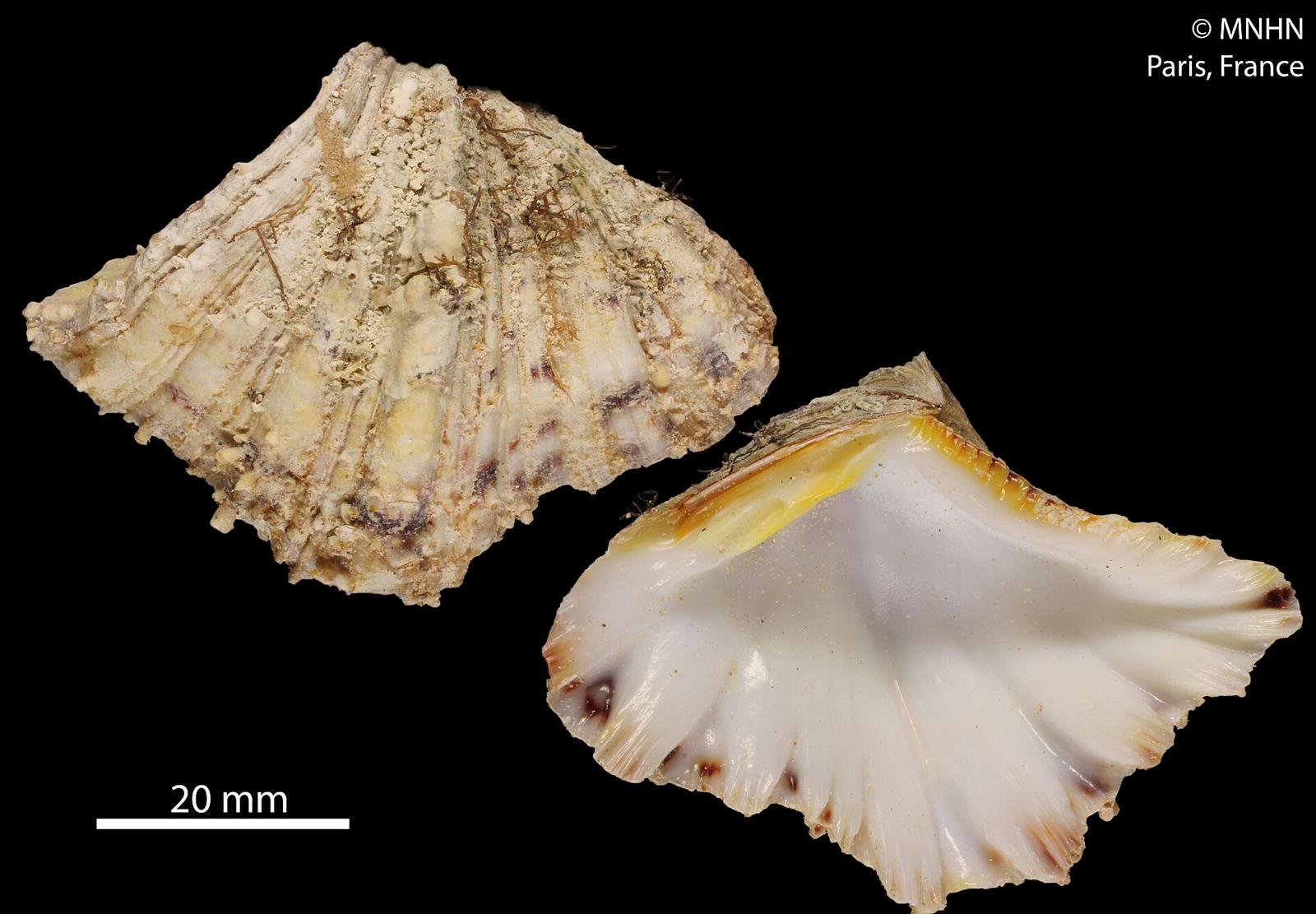 Marie HENNION · CC BY · Wikimedia Commons
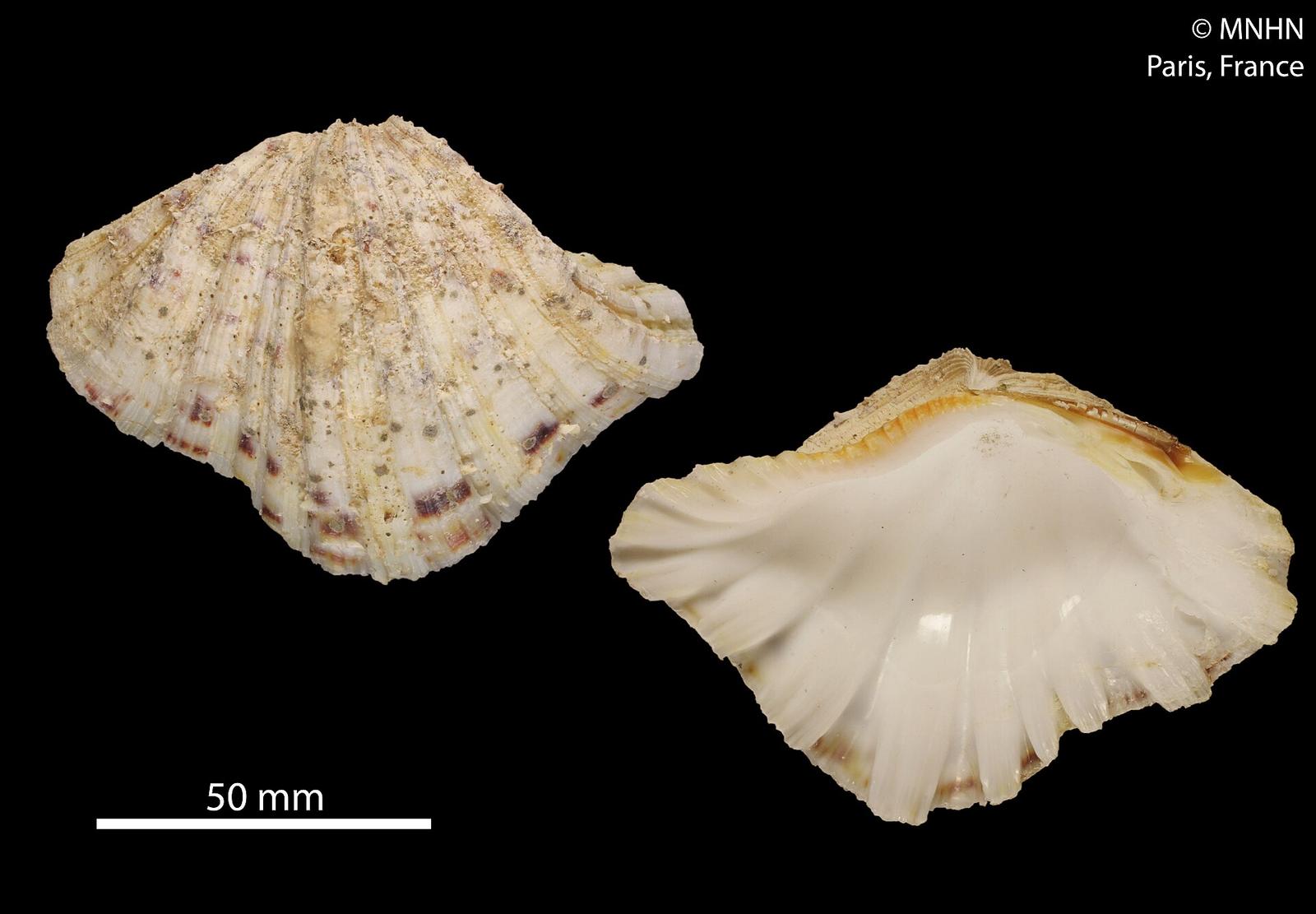 Marie HENNION · CC BY · Wikimedia Commons
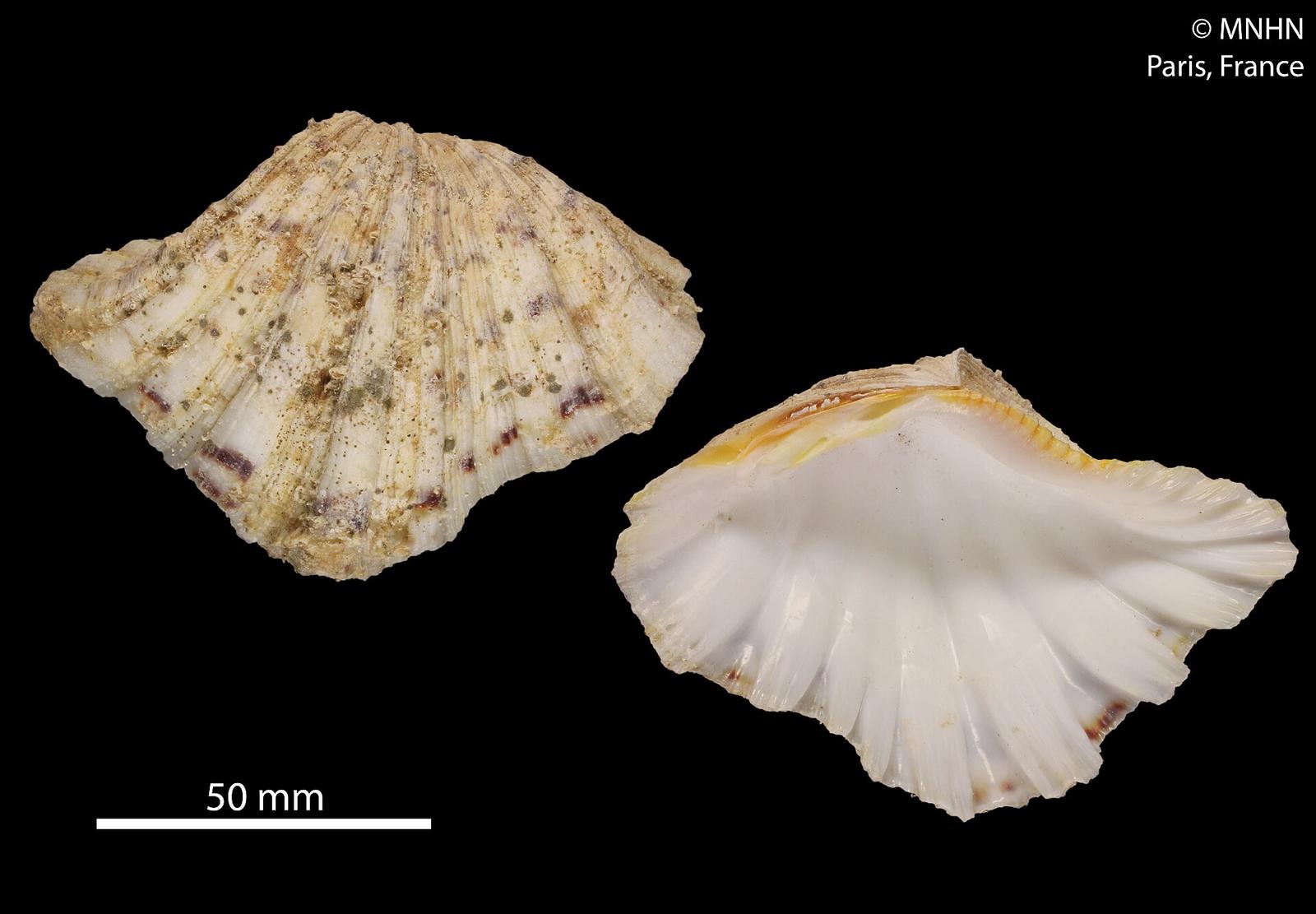 Marie HENNION · CC BY · Wikimedia Commons
Damselfishes · Least Concern
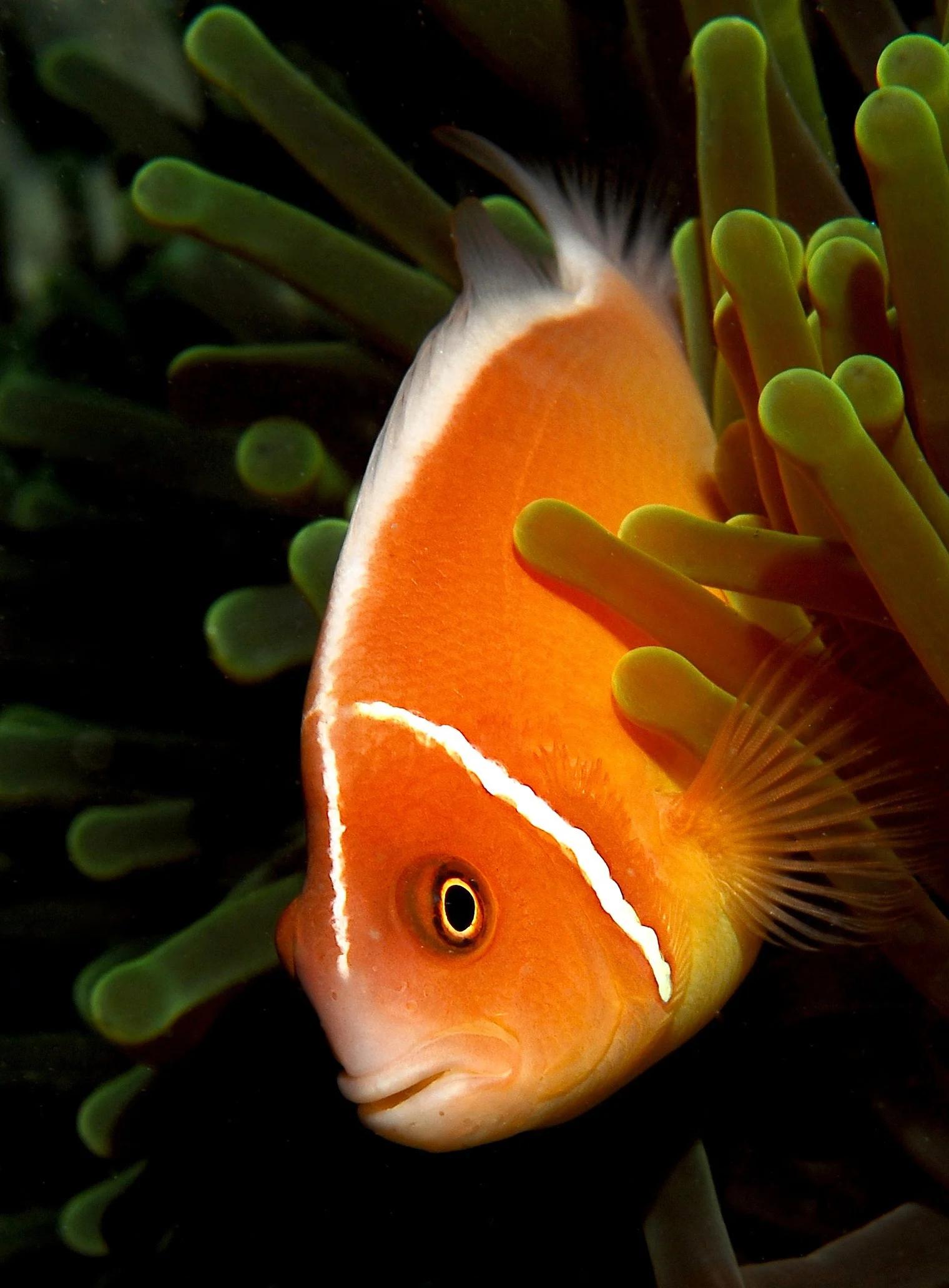
Jenny (JennyHuang) from Taipei · CC BY · Wikimedia Commons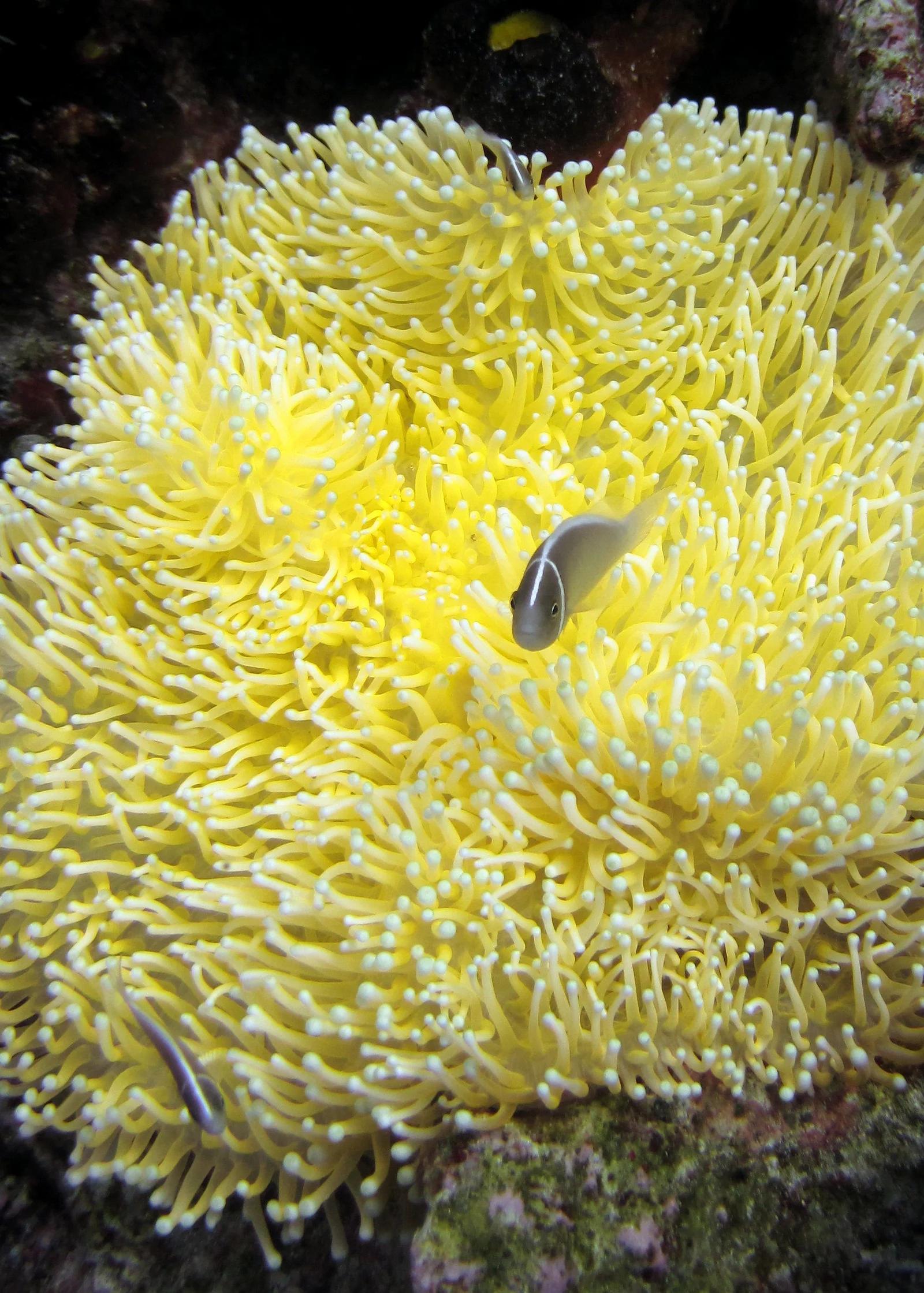 NOAA Photo Library · CC BY · Wikimedia Commons
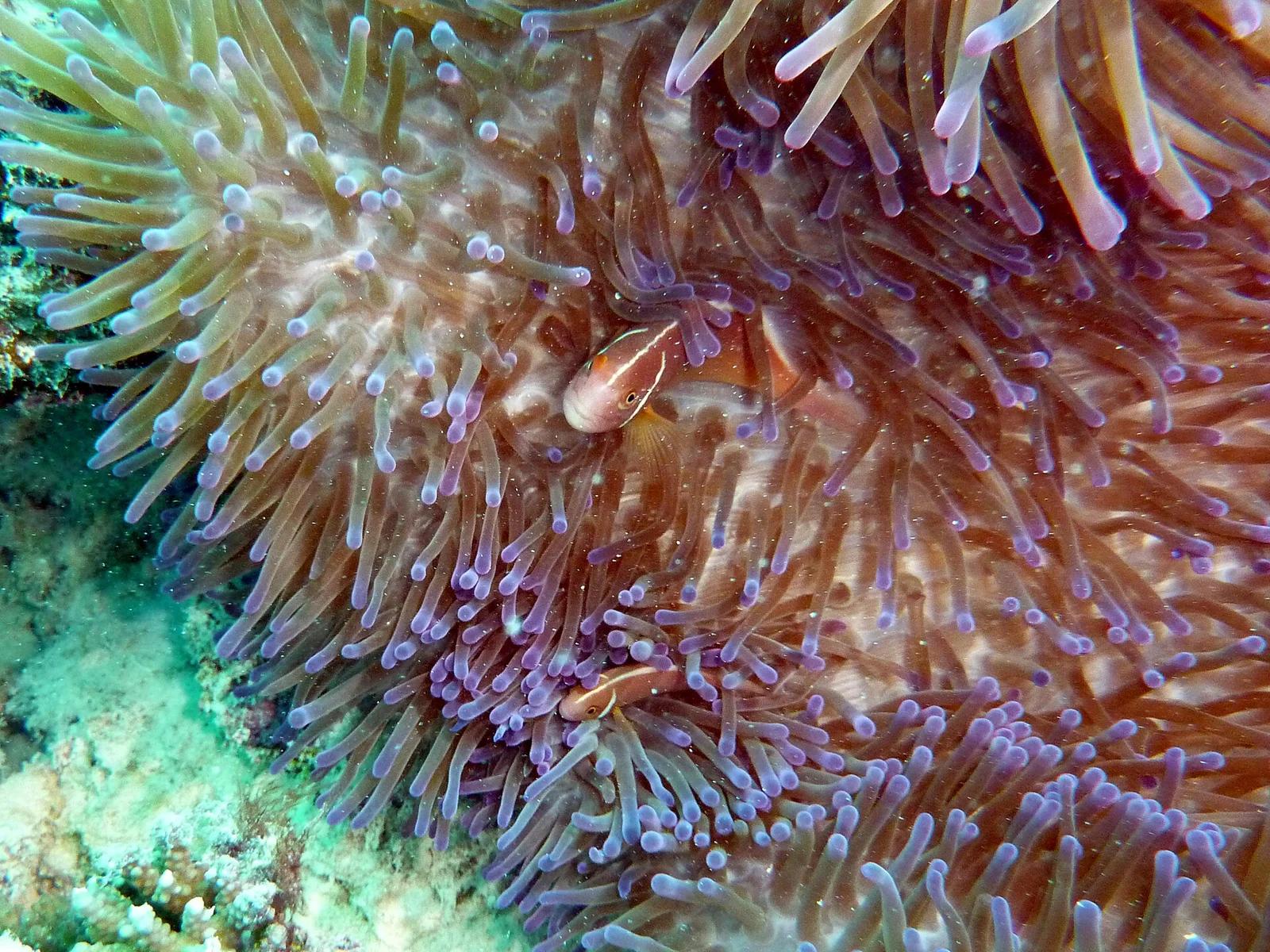 Sirrob01 · CC0 · Wikimedia Commons
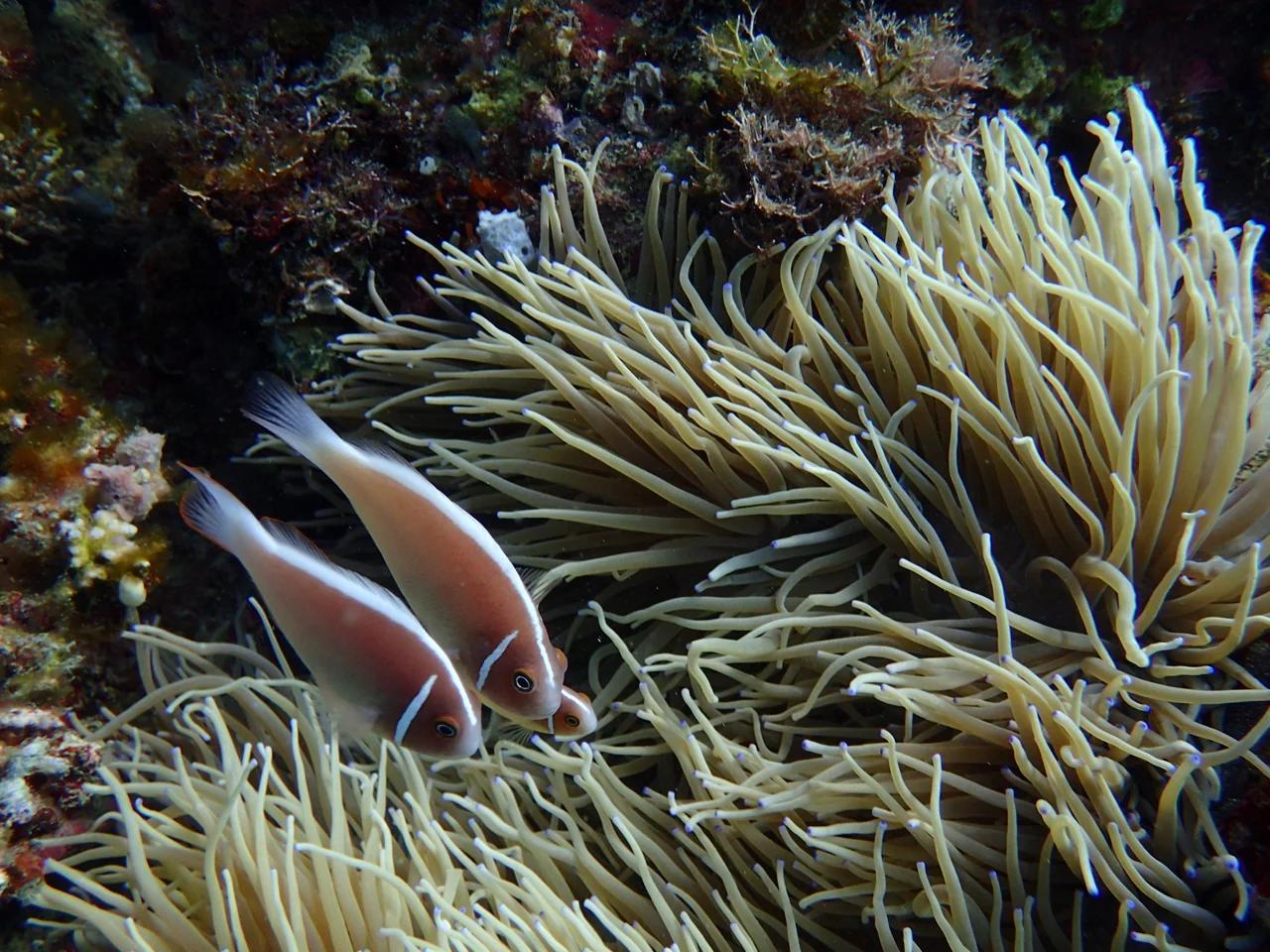 Firth m · CC BY-SA · Wikimedia Commons
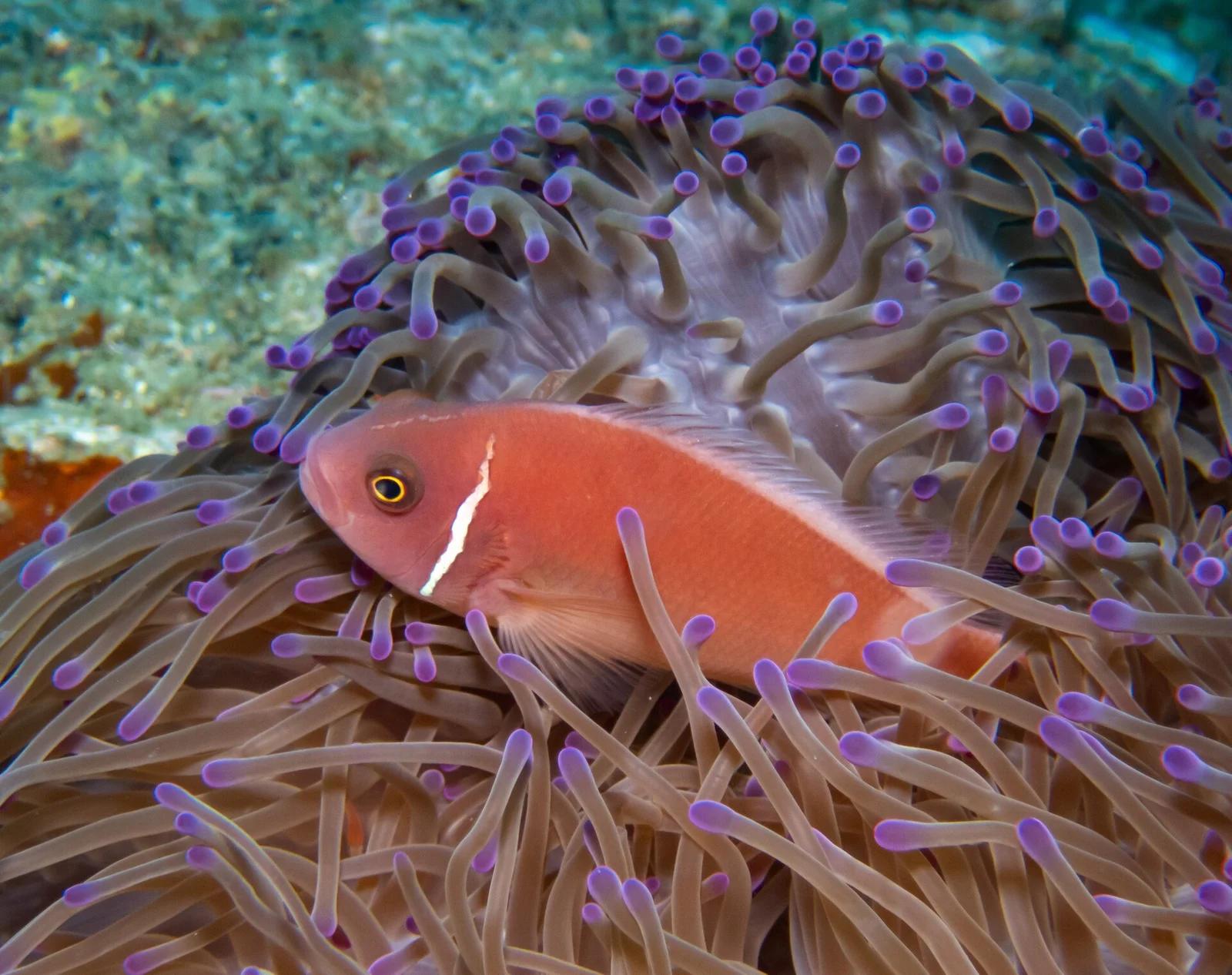 portioid · CC BY-SA · Wikimedia Commons
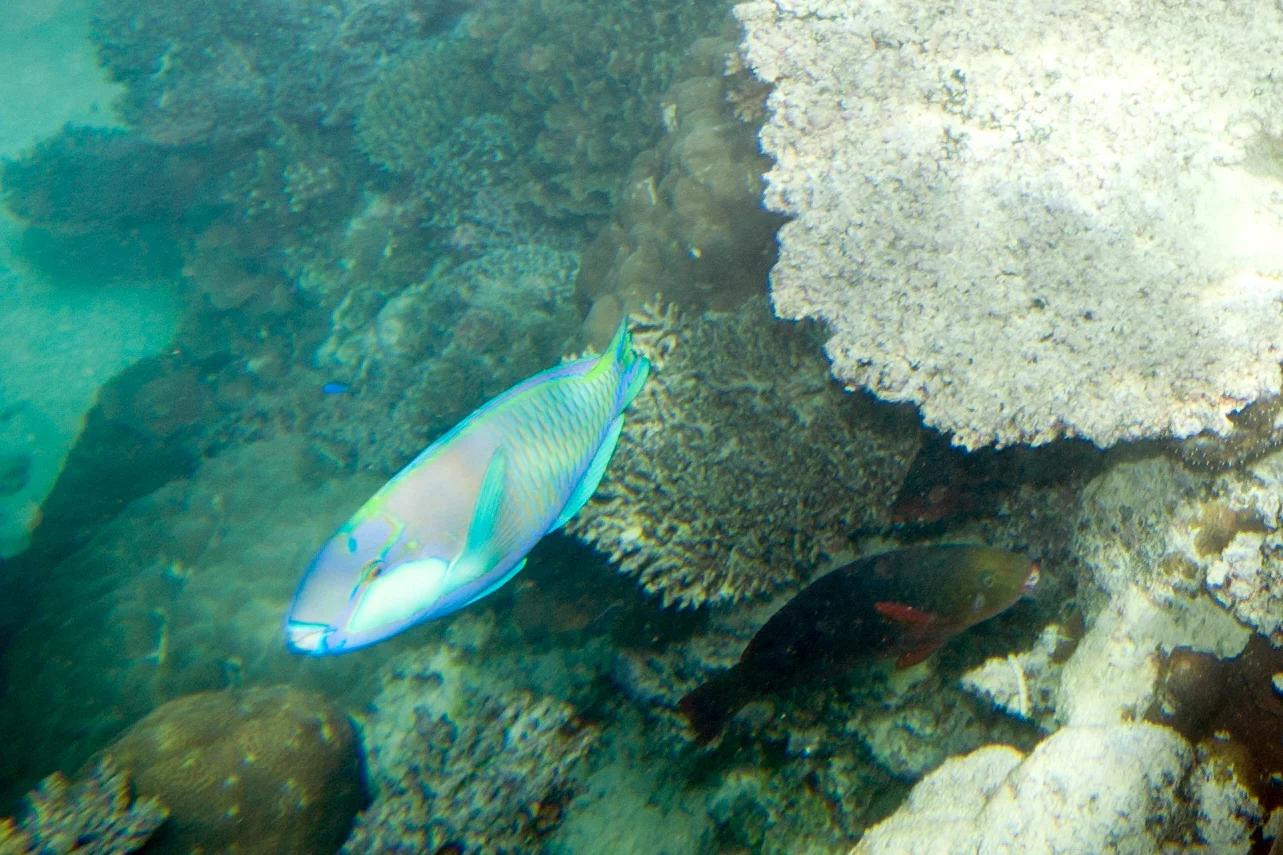
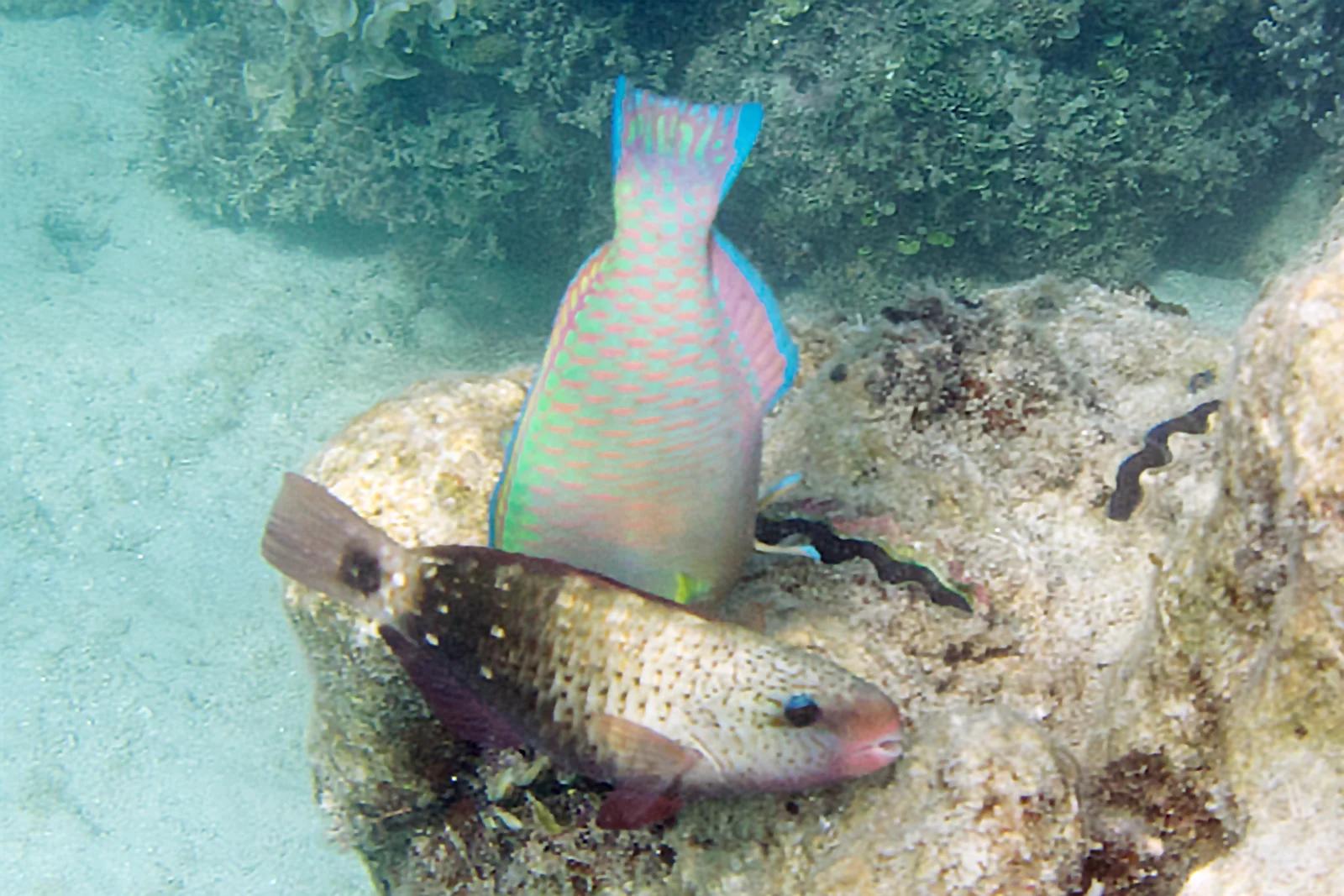
Wrasses & Parrotfishes · Least Concern
Paul Asman and Jill Lenoble · CC BY · Wikimedia Commons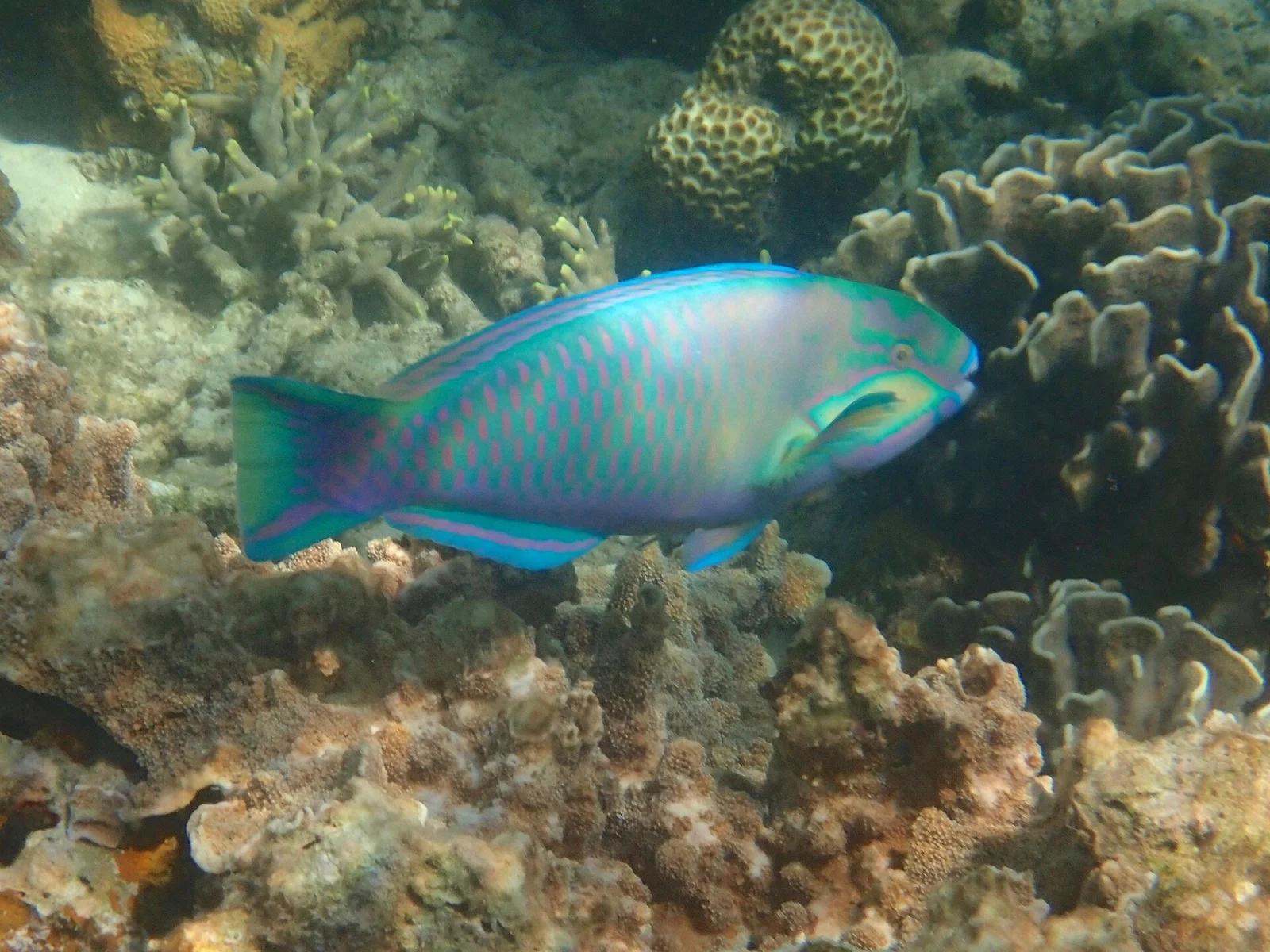 desertnaturalist · CC BY · Wikimedia Commons
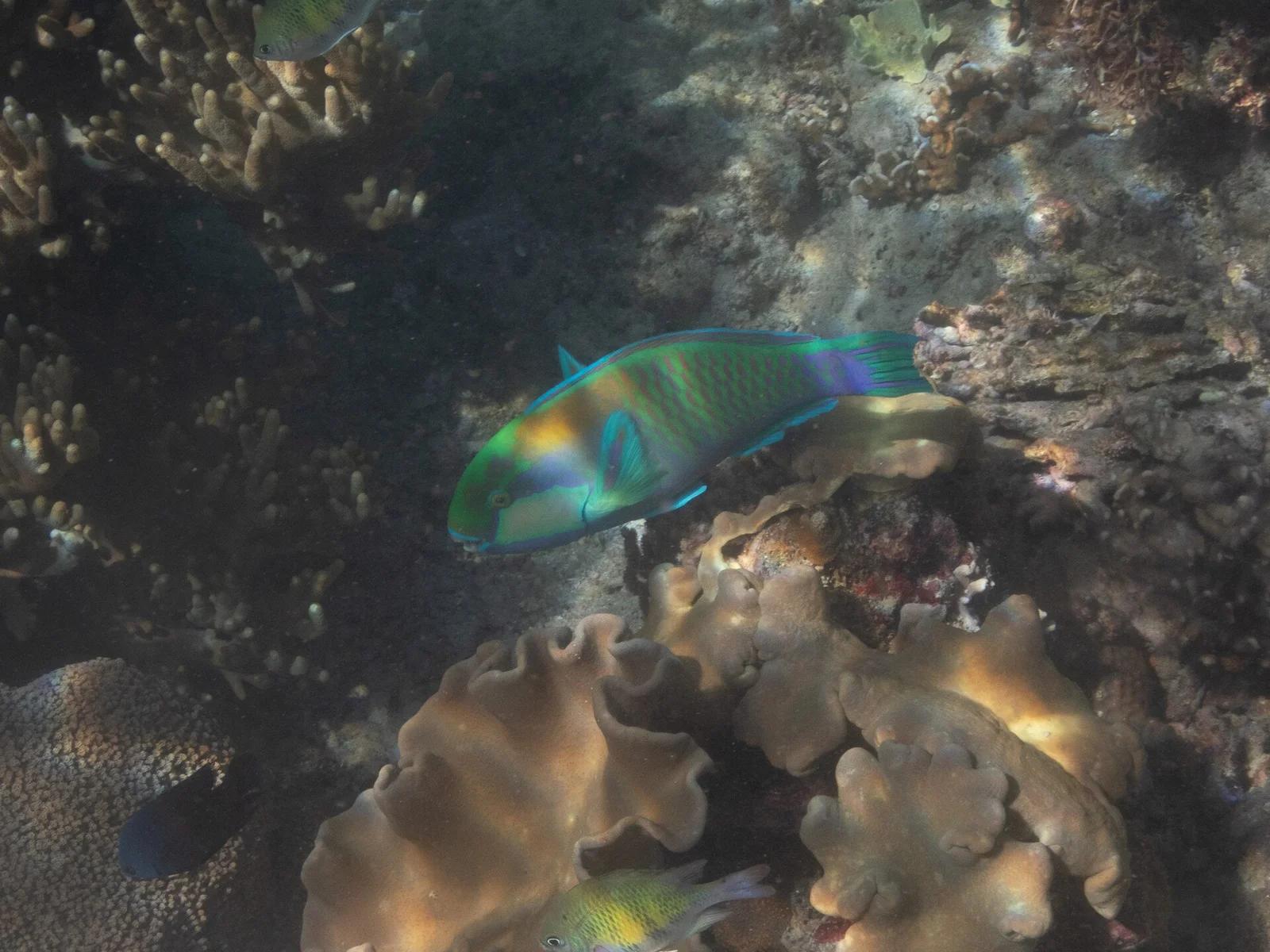 Justin Philbois · CC0 · Wikimedia Commons
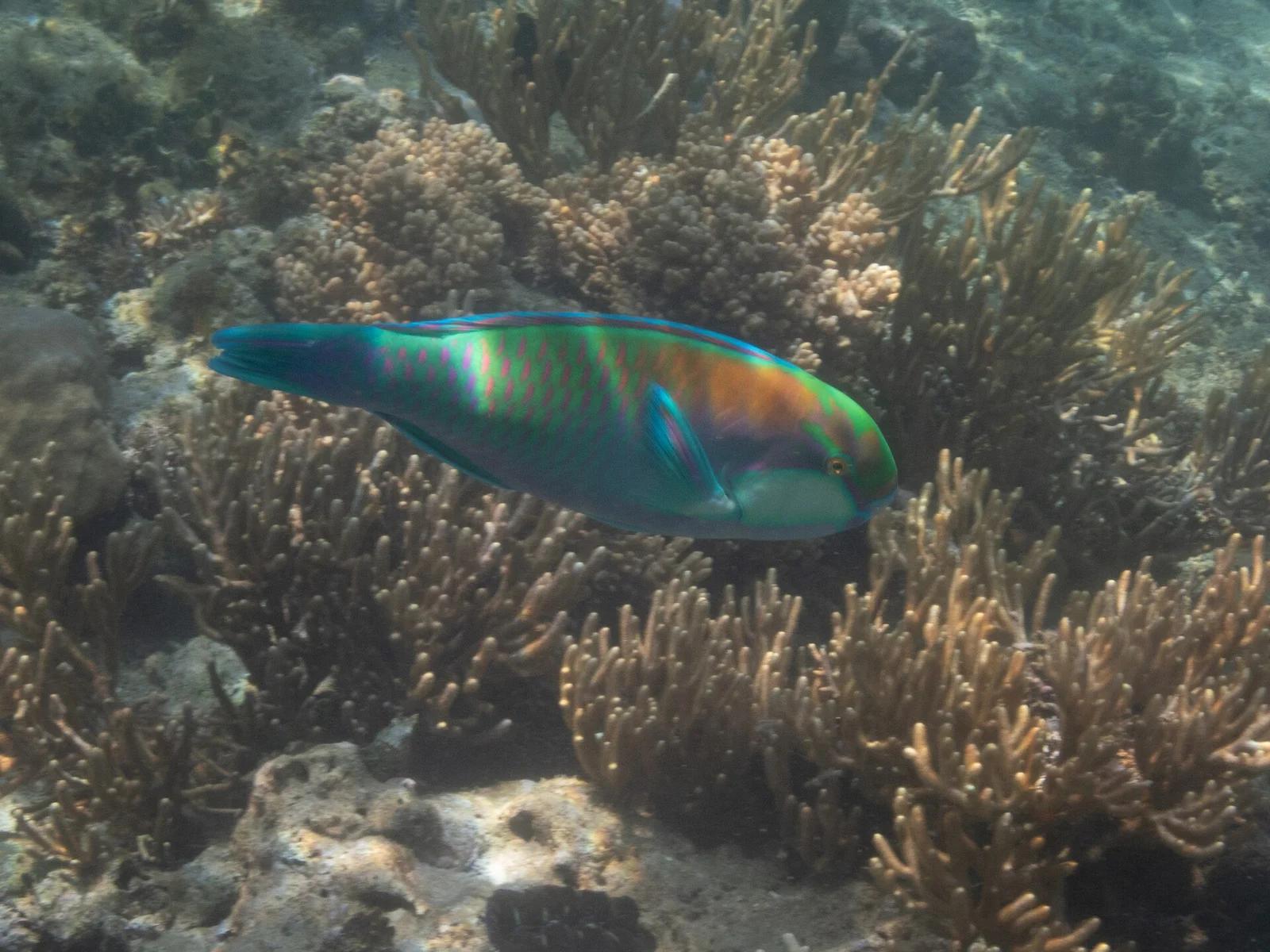 Justin Philbois · CC0 · Wikimedia Commons
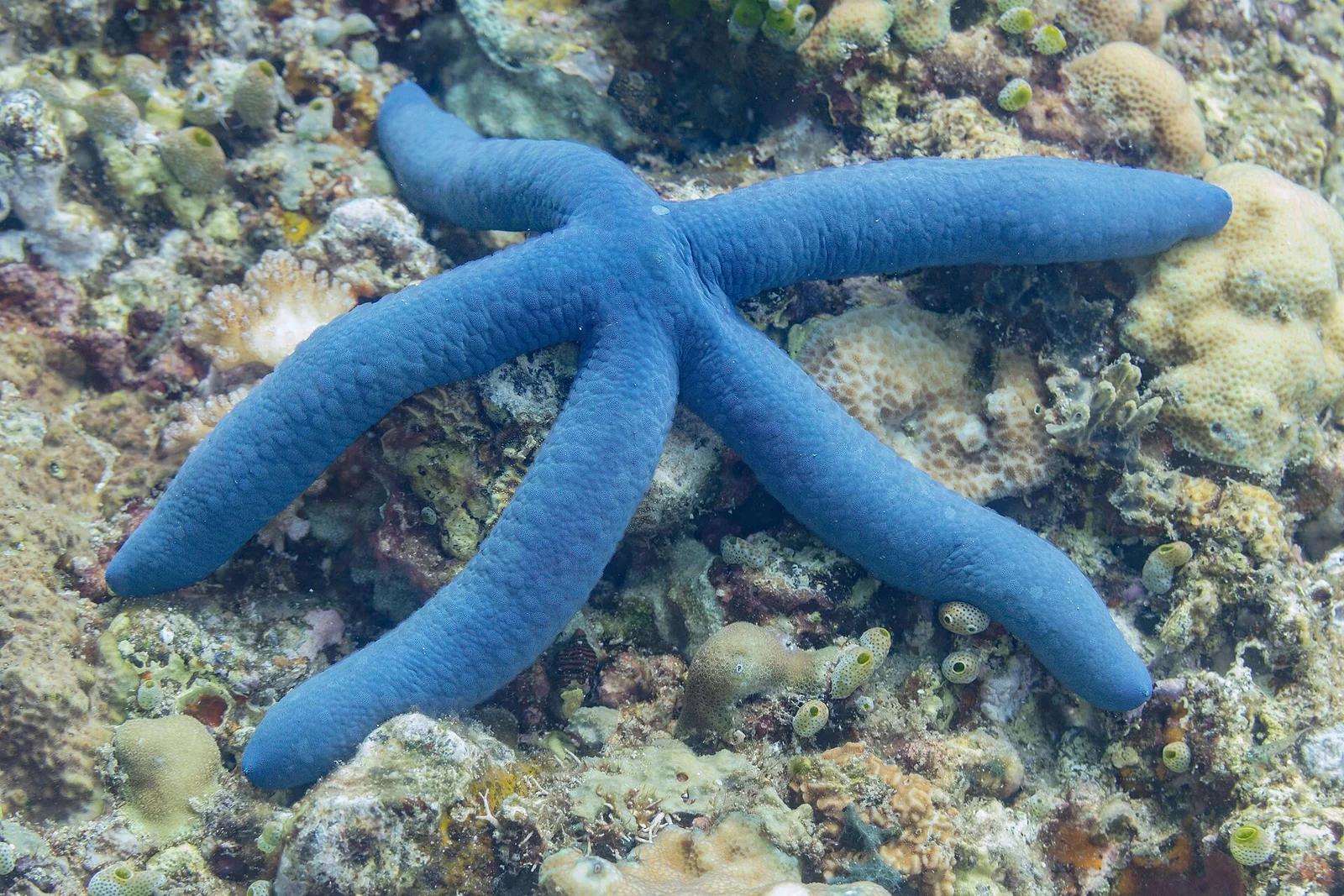
 Diego Delso · CC BY-SA · Wikimedia Commons
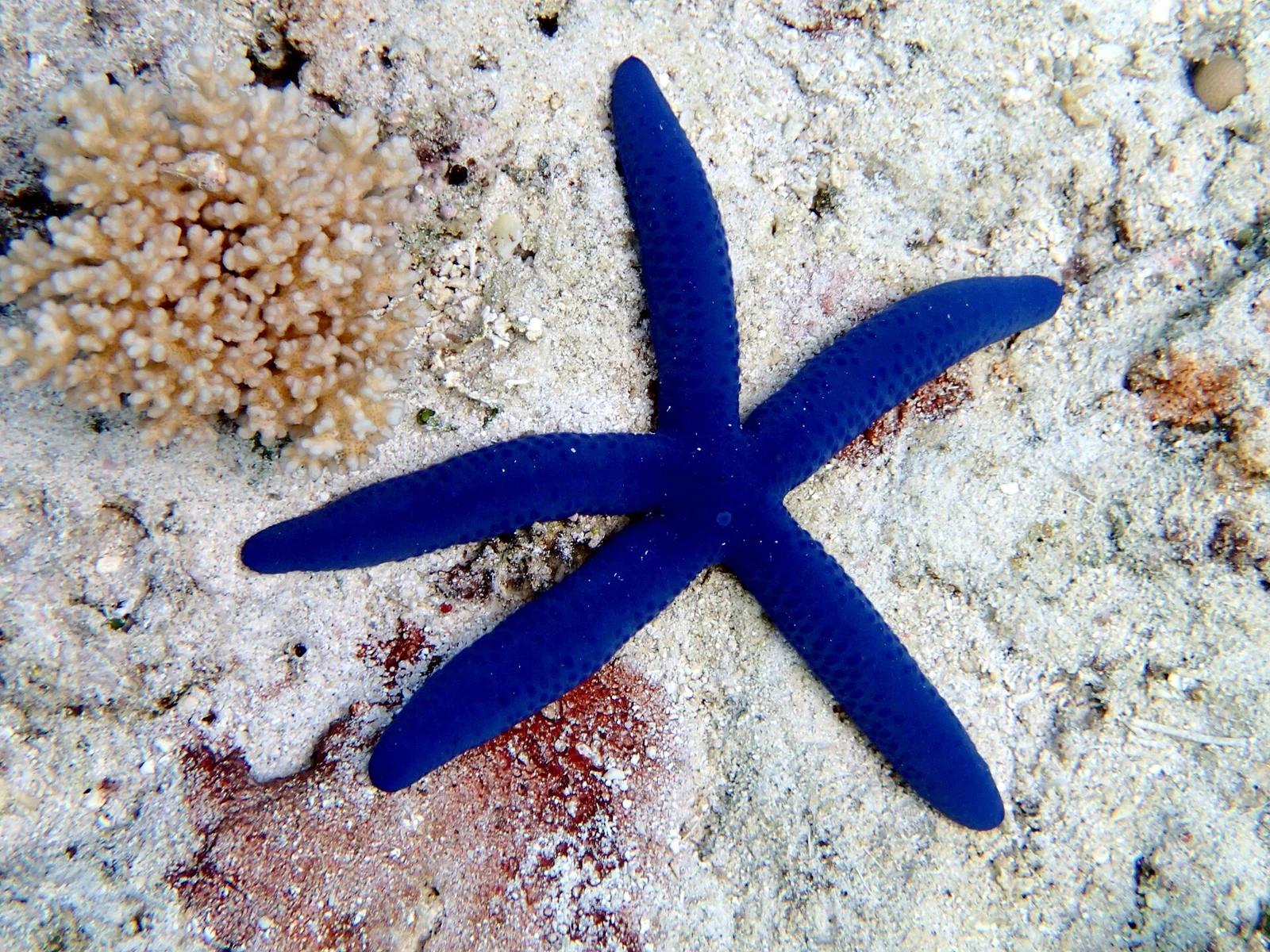
 Diego Delso · CC BY-SA · Wikimedia Commons
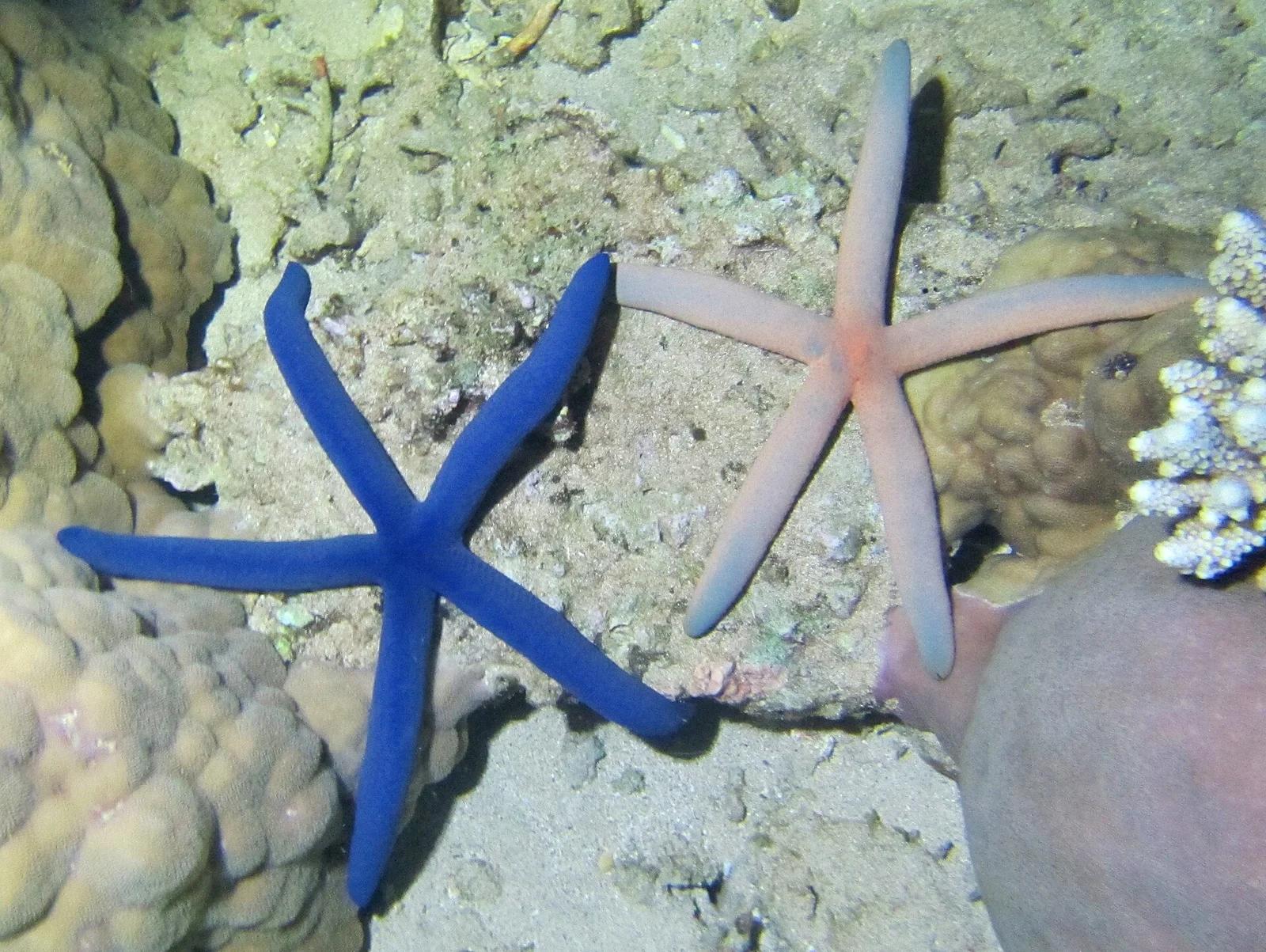
 dr.scott.mills · CC BY-SA · Wikimedia Commons
 Frédéric Ducarme · CC BY-SA · Wikimedia Commons
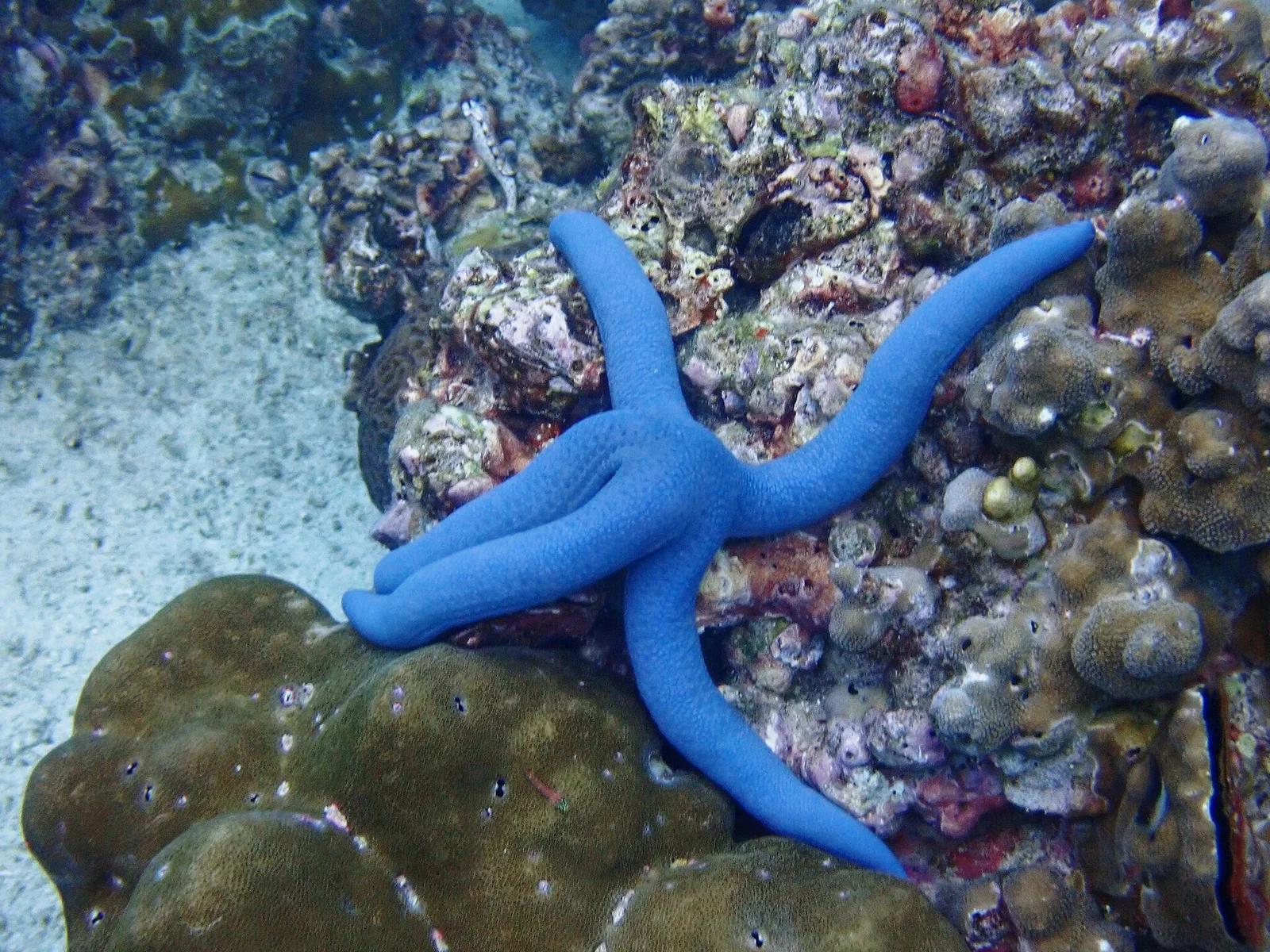 Donald Davesne · CC BY · Wikimedia Commons
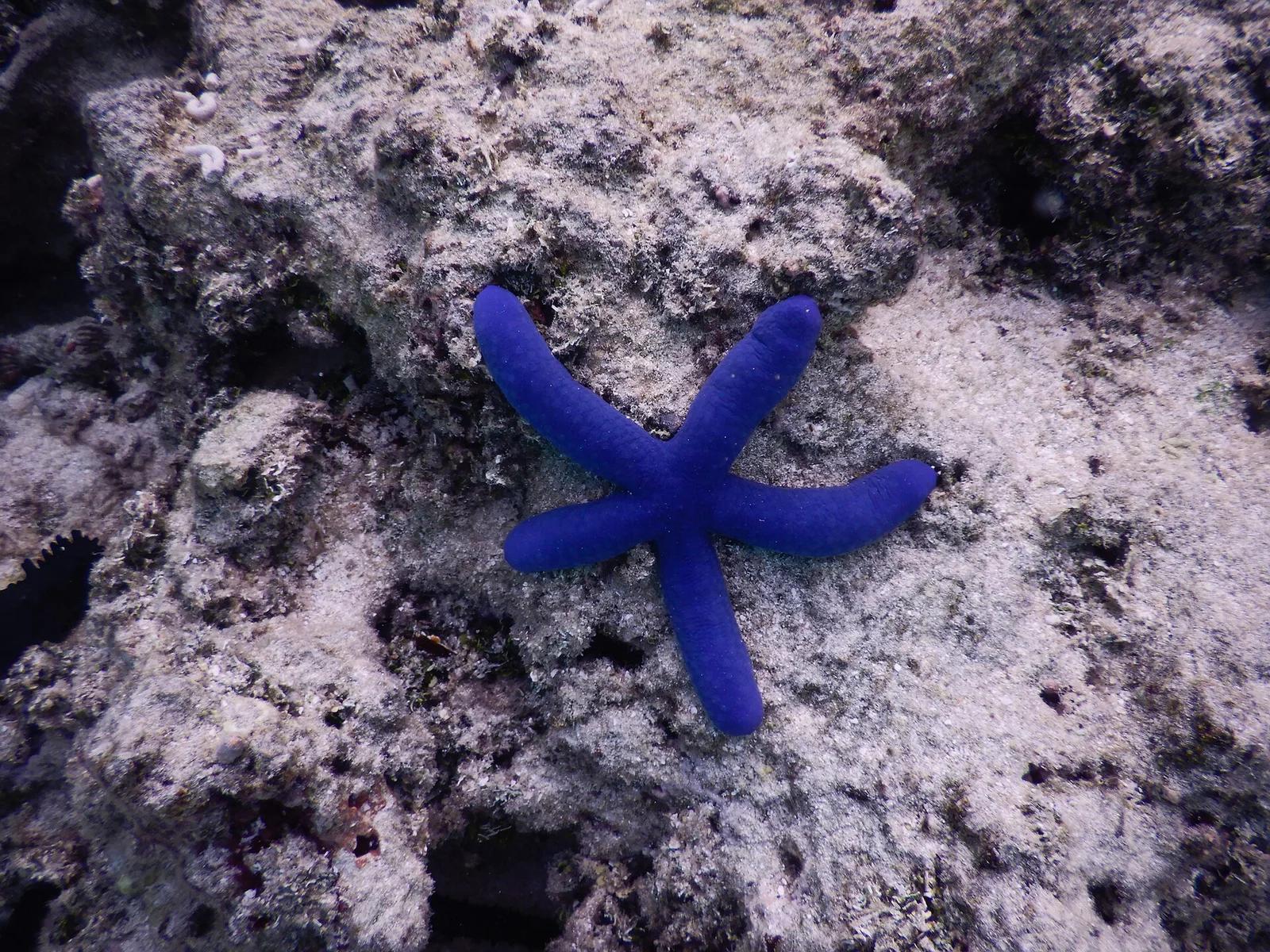 Jon Sullivan · CC BY · Wikimedia Commons
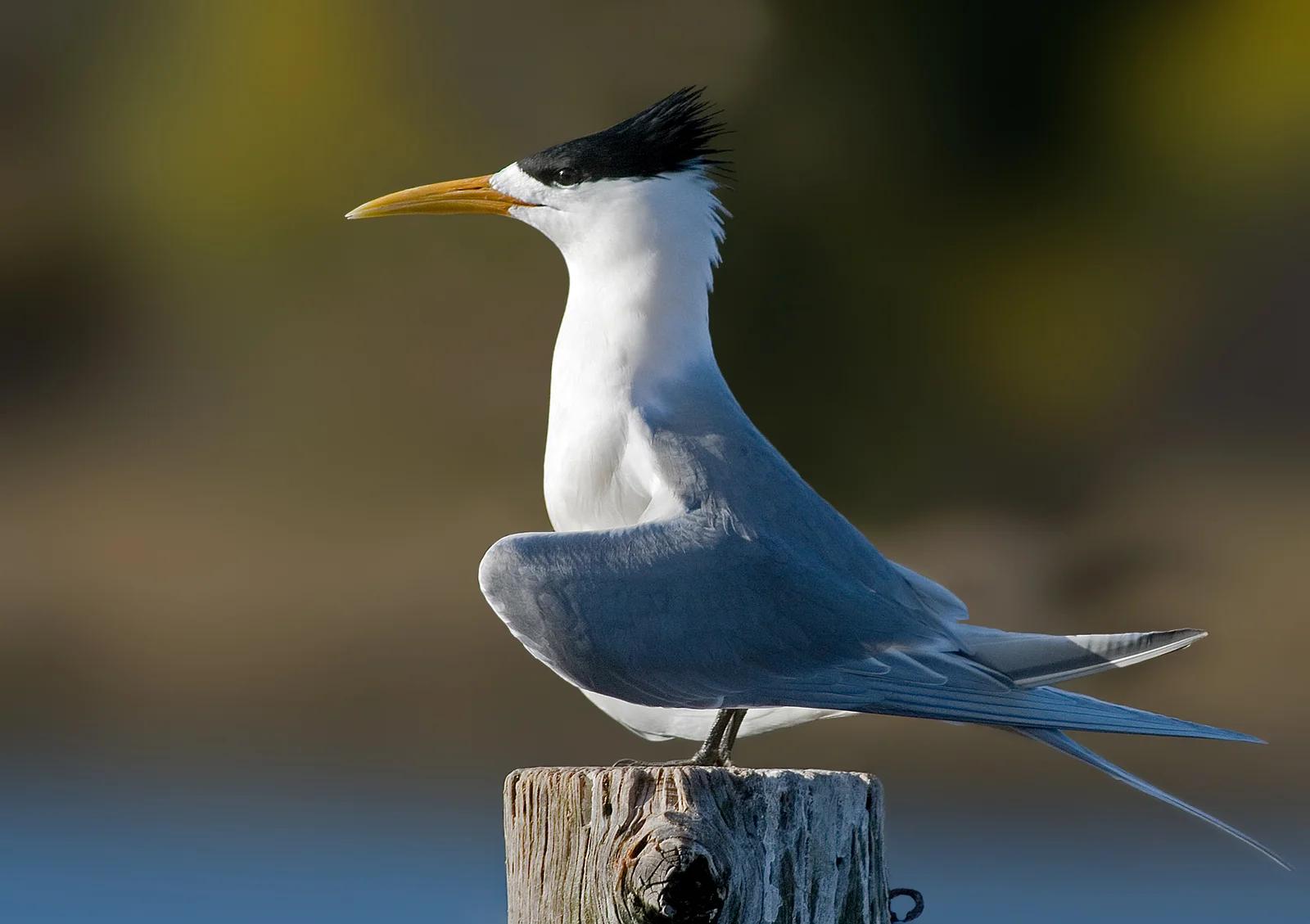
Shorebirds · Least Concern
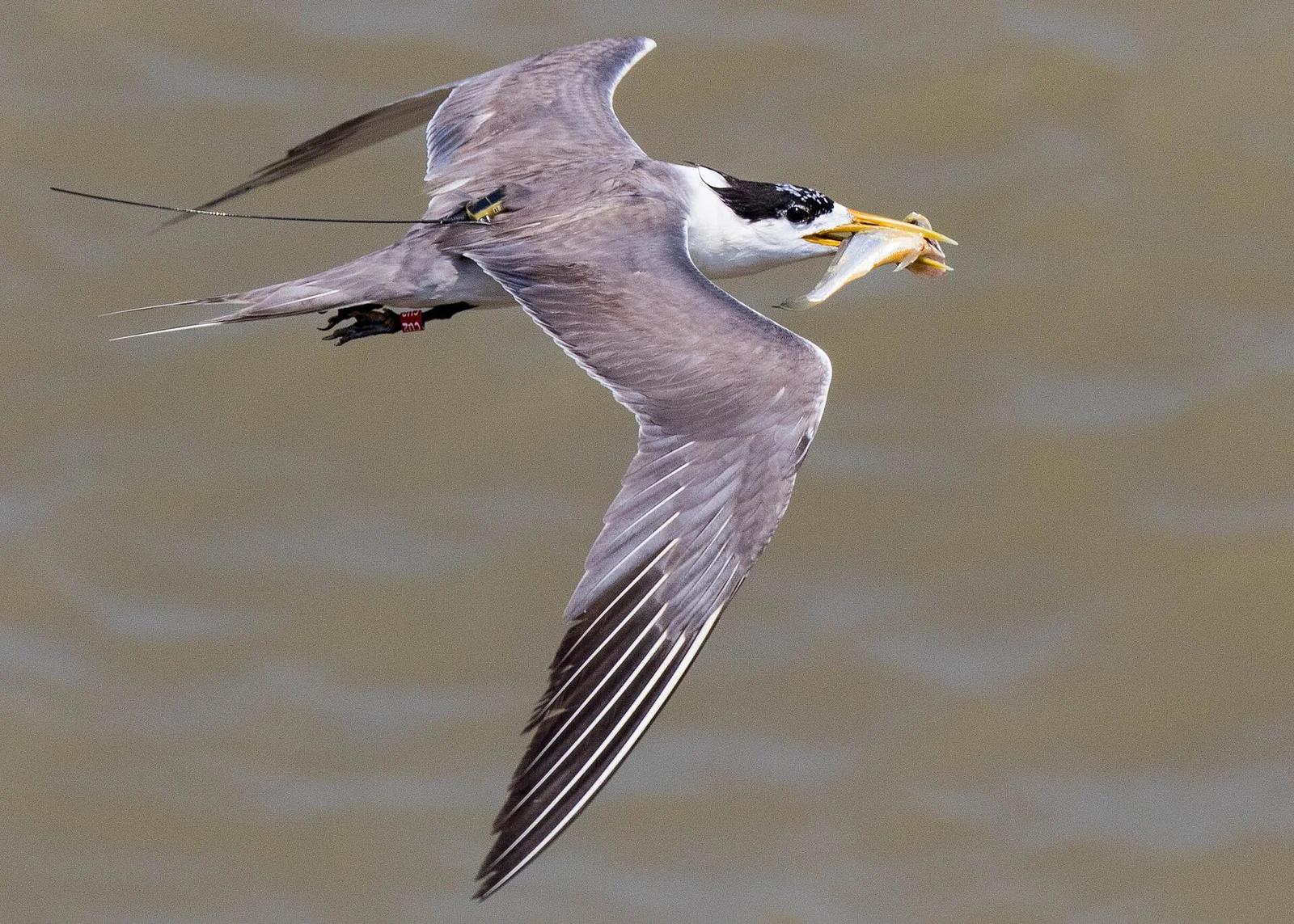
Noodle snacks · CC BY-SA · Wikimedia Commons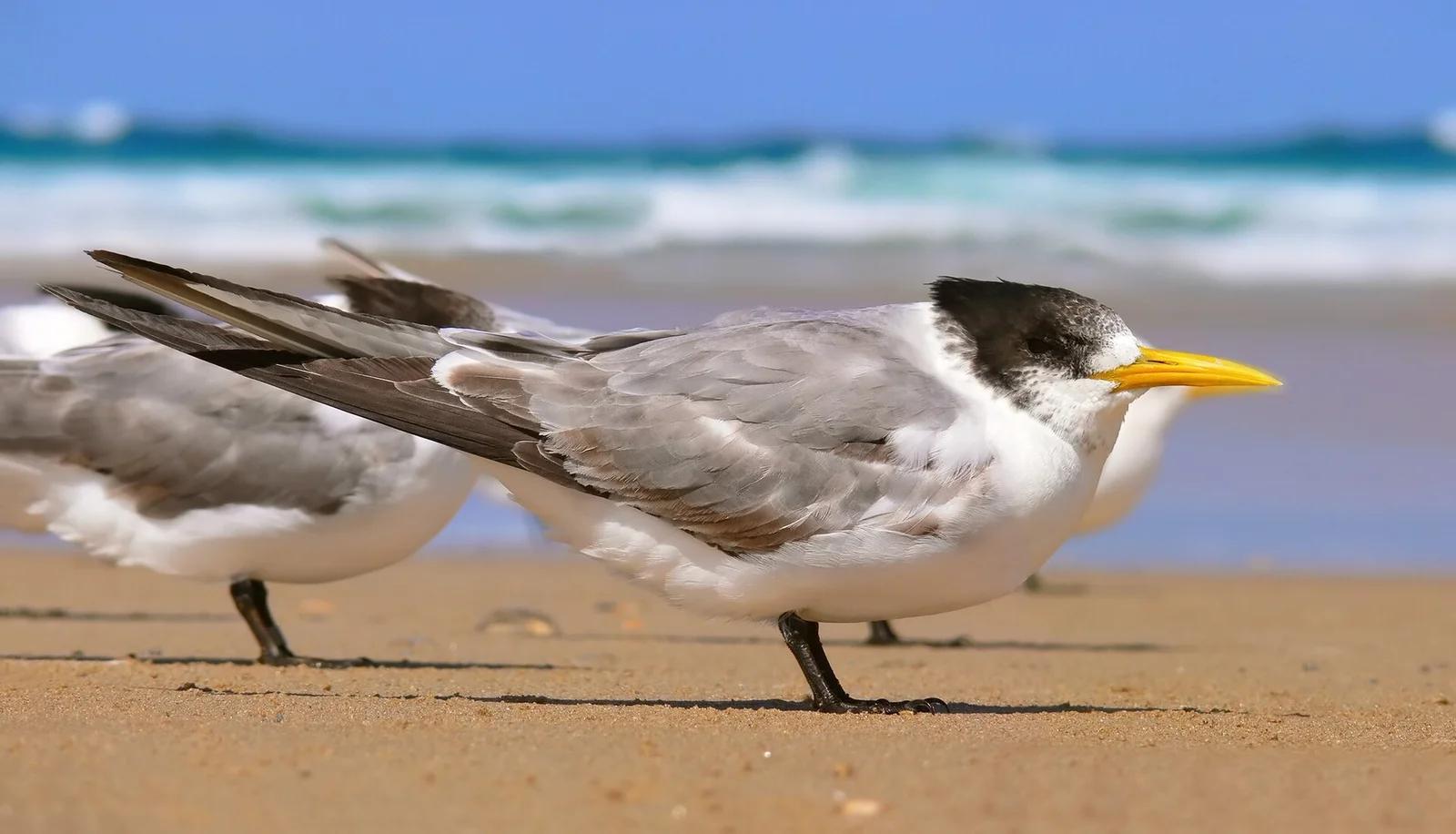 Benjamint ; edited by Fir0002 · CC BY-SA · Wikimedia Commons
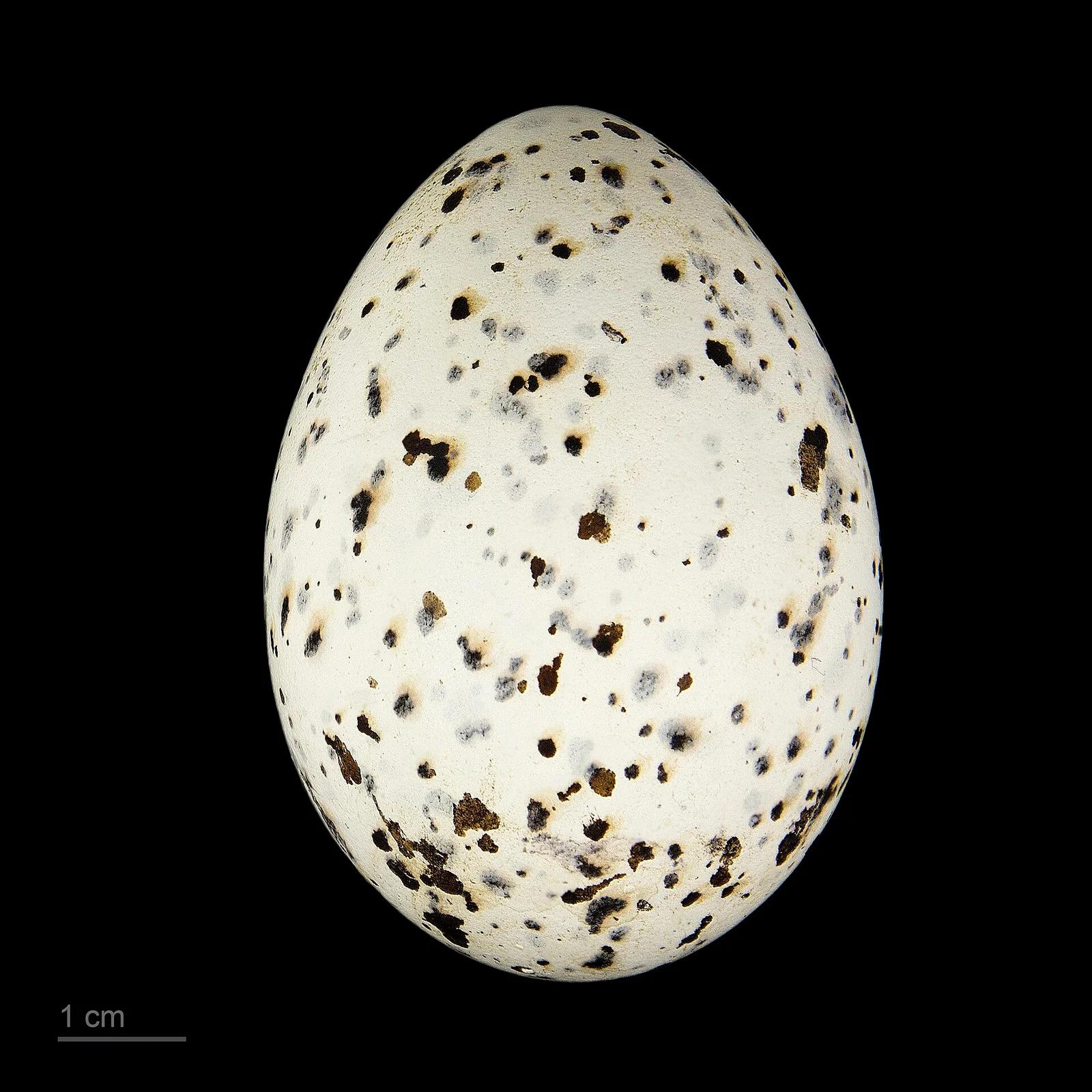 Roger Culos · CC BY-SA · Wikimedia Commons
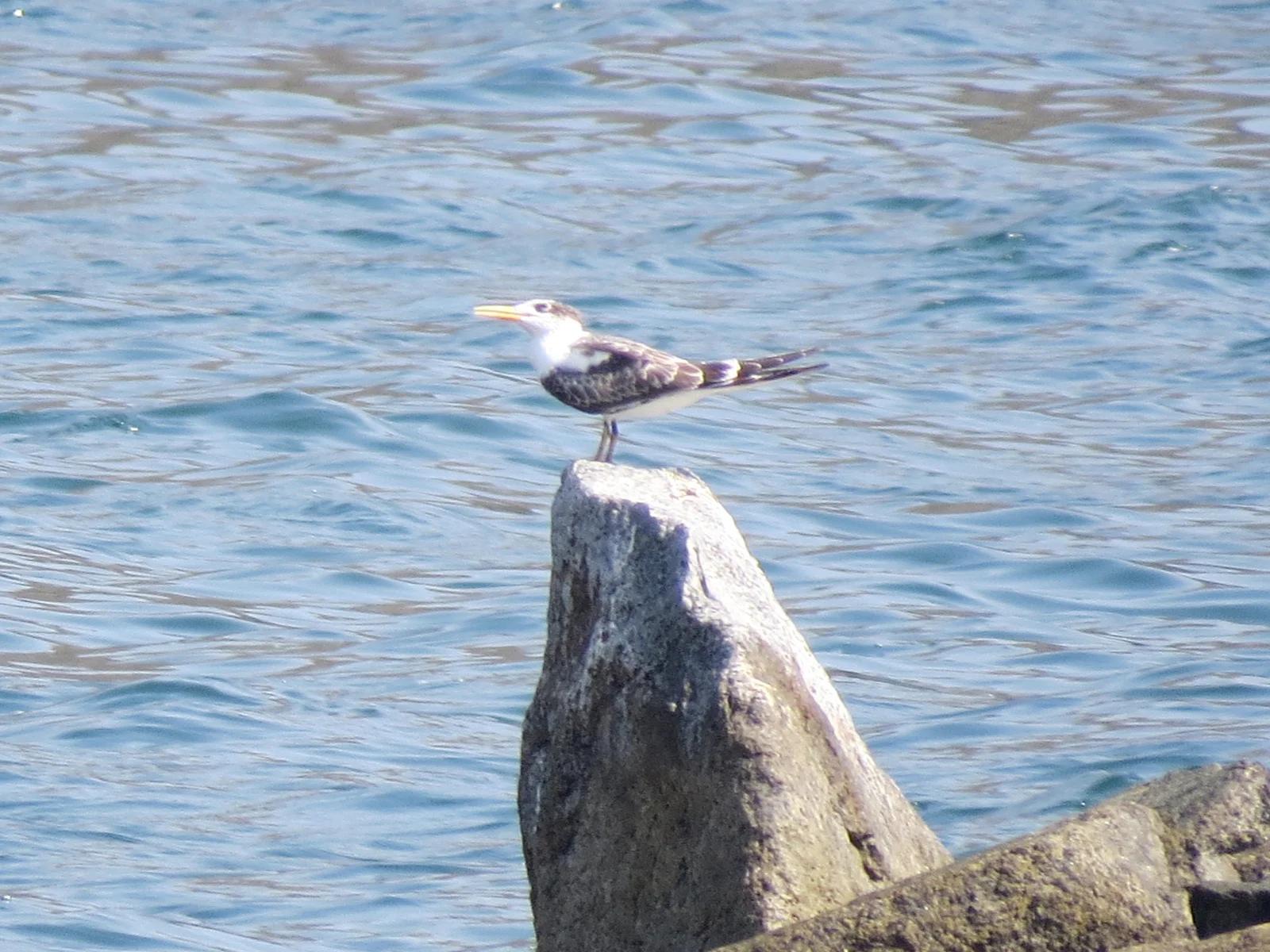 mondseeirrsee · CC BY · Wikimedia Commons
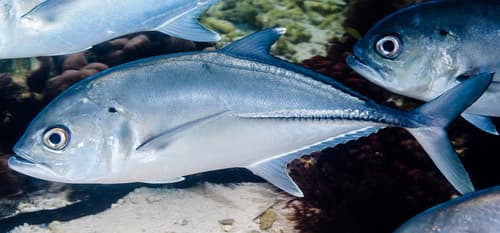
 Oregon State University · CC BY-SA · Wikimedia Commons
A science-led plan identifying the coral reefs most likely to survive climate change and reseed their neighbours, used to target global conservation funding.

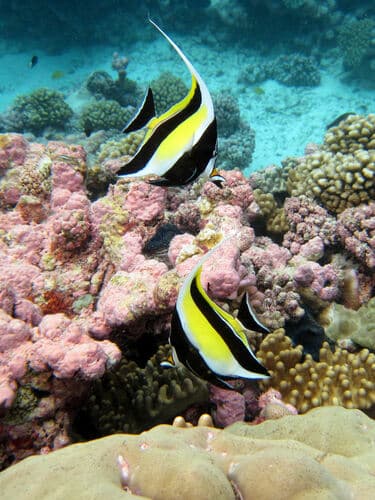
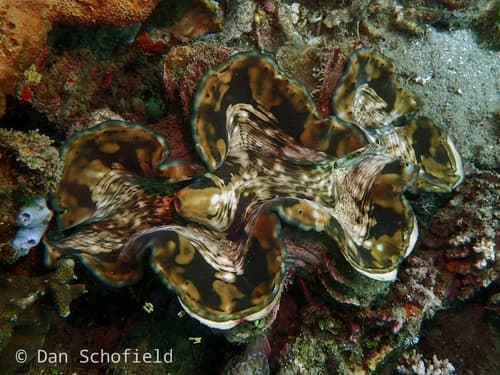
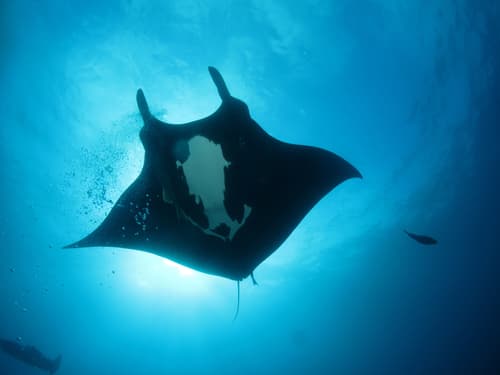 Blacktip reef sharkLeon Brocard · CC BY · iNaturalistBarrier reef anemonefishIan V. Shaw / Reef Life Survey · CC BY · iNaturalistBlackback anemonefishAndrew J. Green / Reef life Survey. · CC BY · iNaturalistBlack noddyThomas Mesaglio · CC BY · iNaturalistBlackspotted pufferDiego Delso · CC BY-SA · Wikimedia CommonsBleeker's parrotfishPaul Asman and Jill Lenoble · CC BY · Wikimedia CommonsBlueface angelfishLeonard Low from Australia · CC BY · Wikimedia CommonsBlue linckiaDiego Delso · CC BY-SA · Wikimedia CommonsBluespotted grouperRickard Zerpe · CC BY · Wikimedia CommonsBrown boobyBumphead parrotfishRickard Zerpe · CC BY · iNaturalistCoral rabbitfishCitron · CC BY-SA · Wikimedia CommonsFluted Giant ClamDan Schofield · CC BY · iNaturalistGigas Giant ClamNhobgood Nick Hobgood · CC BY-SA · Wikimedia CommonsGolden Sea SquirtNick Hobgood · CC BY-SA · Wikimedia CommonsGreat Crested TernNoodle snacks · CC BY-SA · Wikimedia CommonsHorned Ghost CrabAbu Hamas · CC BY-SA · iNaturalistMoon WrasseSusan Prior · CC BY · iNaturalistMoorish IdolNOAA Photo Library · CC BY · iNaturalistOrangestripe TriggerfishDerek Keats · CC BY · iNaturalist+10Blacktip reef sharkLeon Brocard · CC BY · iNaturalistBigeye trevallyFrancois Libert · CC BY-SA · iNaturalistBlack noddyThomas Mesaglio · CC BY · iNaturalistCoral rabbitfishCitron · CC BY-SA · Wikimedia CommonsGreen Sea TurtlePaul Asman and Jill Lenoble · CC BY · iNaturalistSmallspotted Combtooth BlennyNick Hobgood · CC BY-SA · Wikimedia CommonsWhitetip Reef SharkDaniel Benák · CC BY · iNaturalistReef Manta RayR Vasconcellos · CC BY · iNaturalistBlack noddyThomas Mesaglio · CC BY · iNaturalistCoral rabbitfishCitron · CC BY-SA · Wikimedia CommonsPacific Bullethead ParrotfishJaroslaw Barski · CC BY-SA · Wikimedia CommonsStrawberry Hermit CrabHenrik Kibak · CC BY · iNaturalistBlackfin barracudaAlexander Vasenin · CC BY-SA · Wikimedia CommonsCoral rabbitfishCitron · CC BY-SA · Wikimedia CommonsGolden Sea SquirtNick Hobgood · CC BY-SA · Wikimedia CommonsPotato Rockcoddesertnaturalist · CC BY · iNaturalistSmallspotted Combtooth BlennyNick Hobgood · CC BY-SA · Wikimedia CommonsBear paw clamRikaris · CC BY-SA · Wikimedia CommonsBluespotted grouperRickard Zerpe · CC BY · Wikimedia CommonsBoring giant clamNhobgood · CC BY-SA · iNaturalistPink Skunk AnemonefishJenny (JennyHuang) from Taipei · CC BY · Wikimedia CommonsSmallspotted Combtooth BlennyNick Hobgood · CC BY-SA · Wikimedia CommonsAgile wallabyGlen Fergus · CC BY-SA · Wikimedia CommonsBluespotted fantail rayJens Petersen · CC BY · Wikimedia CommonsMangrove WhiprayEgor Dyukarev · CC BY · Wikimedia Commons