
Wildlife in Great Barrier Reef
 Egor Dyukarev · CC BY · Wikimedia Commons
 Diego Delso · CC BY-SA · Wikimedia Commons
 Diego Delso · CC BY-SA · Wikimedia Commons
- In season · Jan, Apr, Jul, Nov
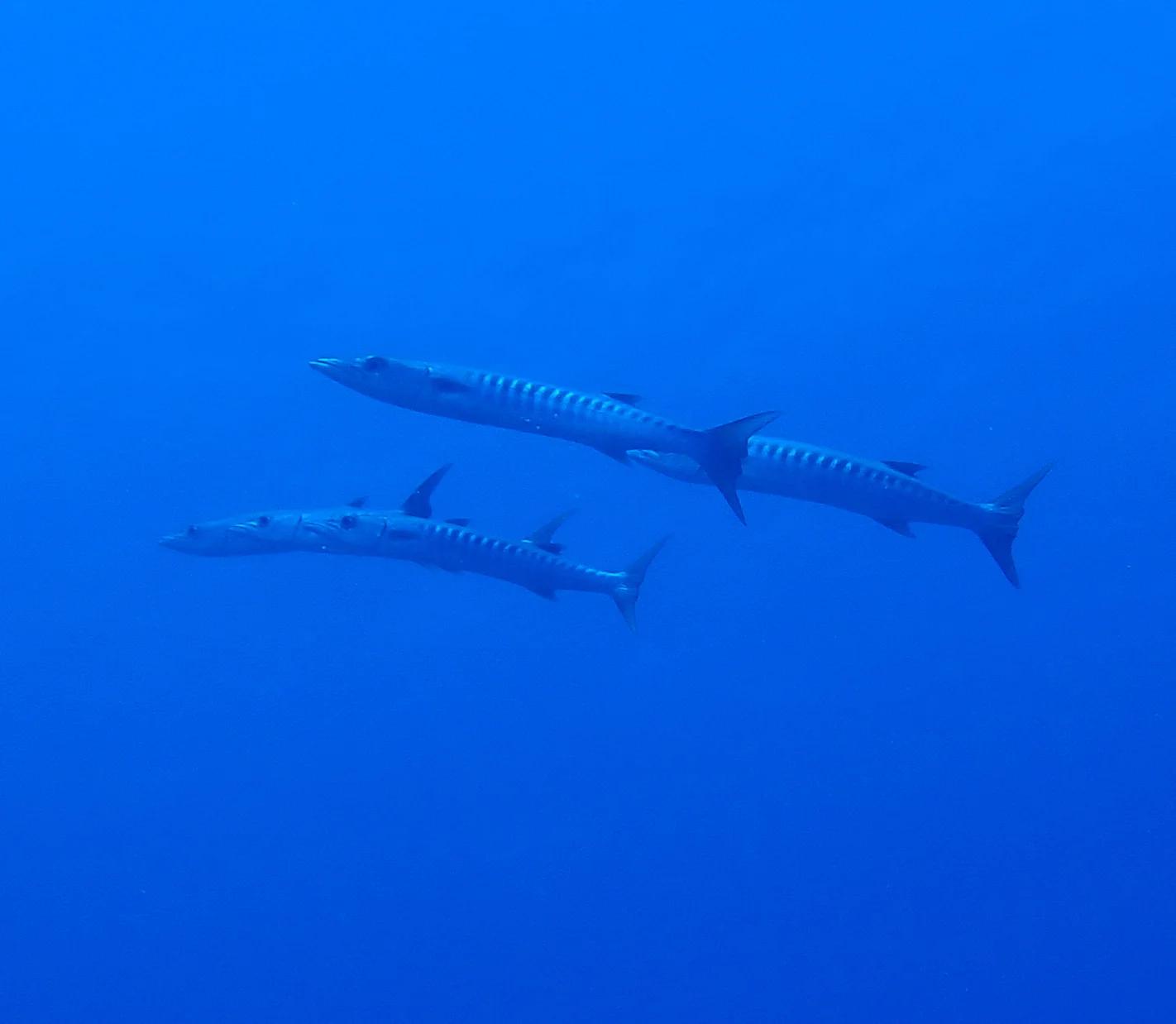
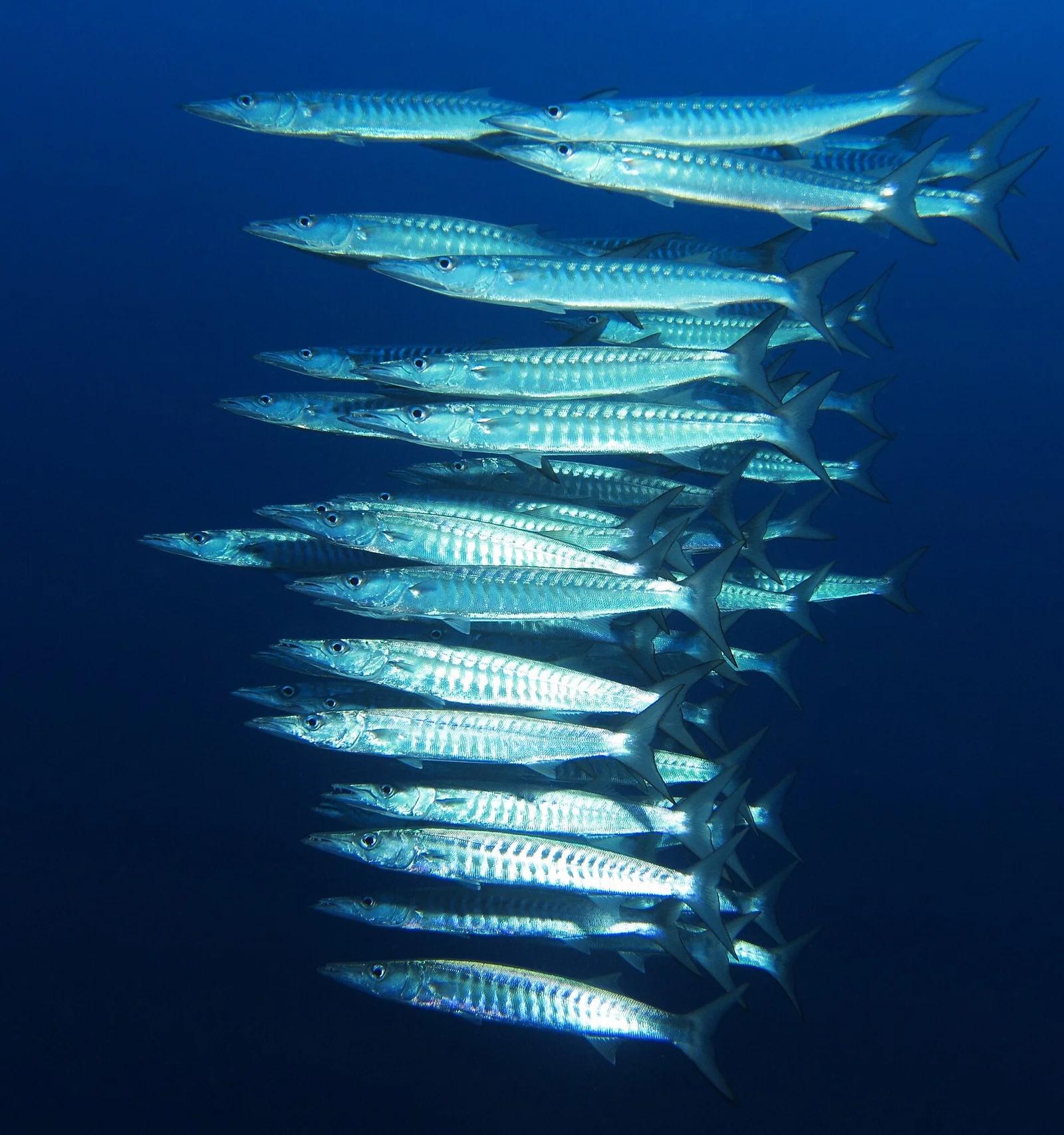
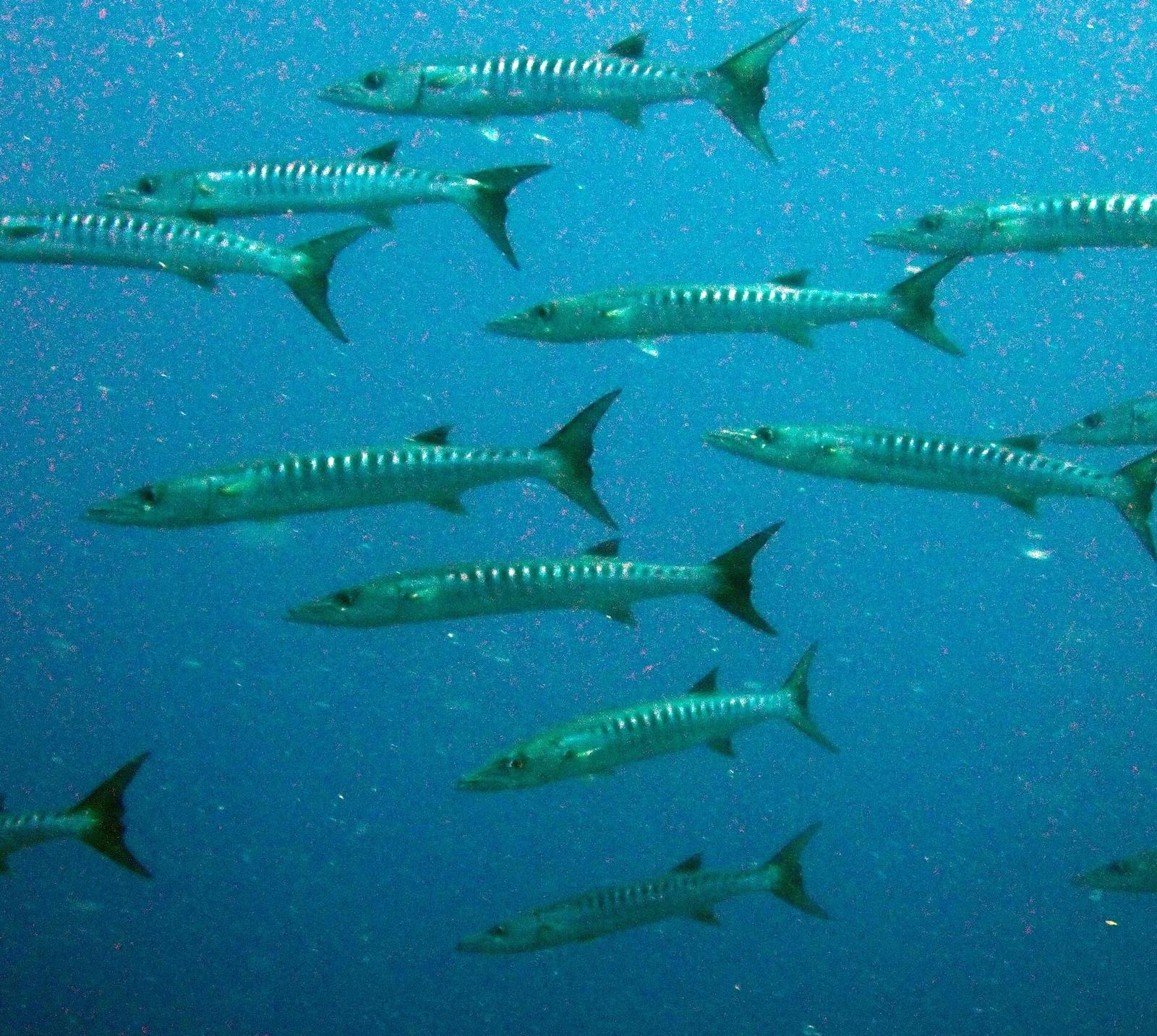
The blackfin barracuda (Sphyraena qenie), also known as the chevron barracuda, is a species of barracuda that ranges from the Red Sea and East Africa to the Indo and Western Pacific and as far as French Polynesia.
Wikipedia - In season · Apr–May, Jul, Sep–Feb·Vulnerable
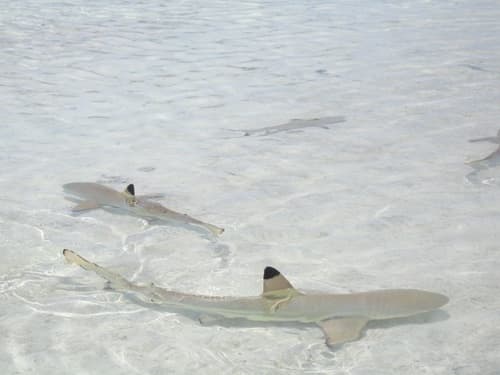
The blacktip reef shark (Carcharhinus melanopterus) is a species of requiem shark, in the family Carcharhinidae, easily identified by the prominent black tips on its fins (especially on the first dorsal fin and its caudal fin). Among the most abundant sharks inhabiting the tropical coral reefs of the Indian and Pacific Oceans, this species prefers shallow, inshore waters. Its exposed first dorsa
Wikipedia - Out of season · Best Jun–Aug·Vulnerable
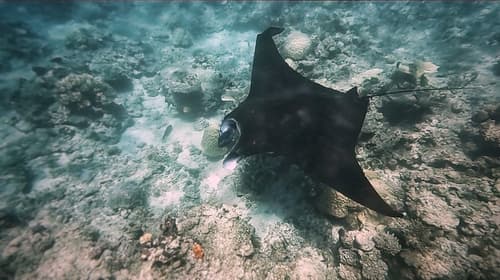
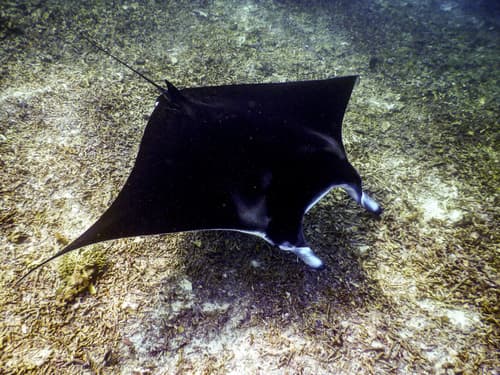
The reef manta ray (Mobula alfredi) is one of the largest and most iconic marine species. Because reef manta rays frequent relatively shallow waters along the coastal reefs of continents and oceanic islands, they are more commonly encountered by divers and snorkellers than their oceanic manta ray cousins. Reef manta rays are widely distributed throughout the tropical and subtropical regions of the
Wikipedia - In season · Apr–Dec·Least Concern
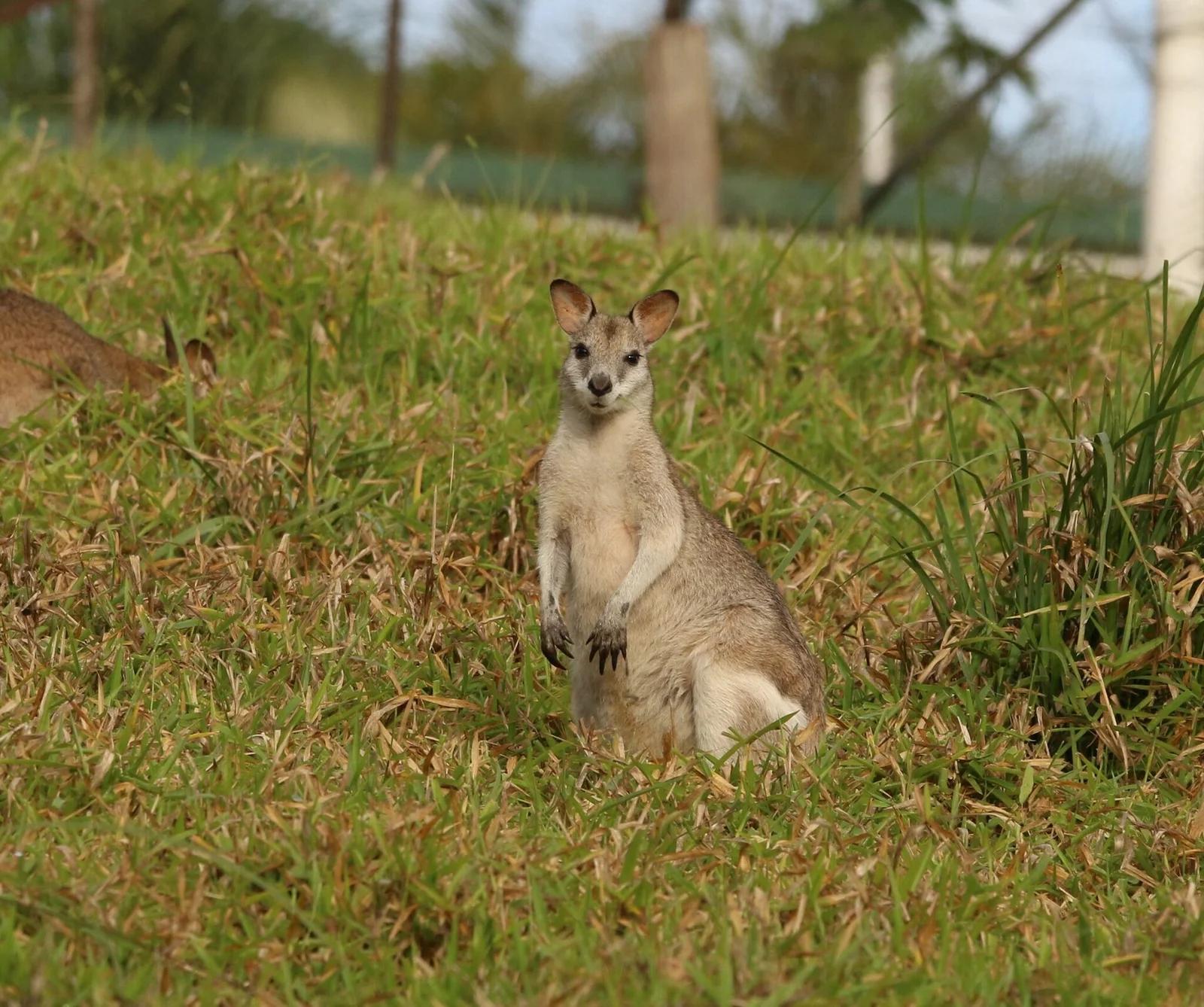
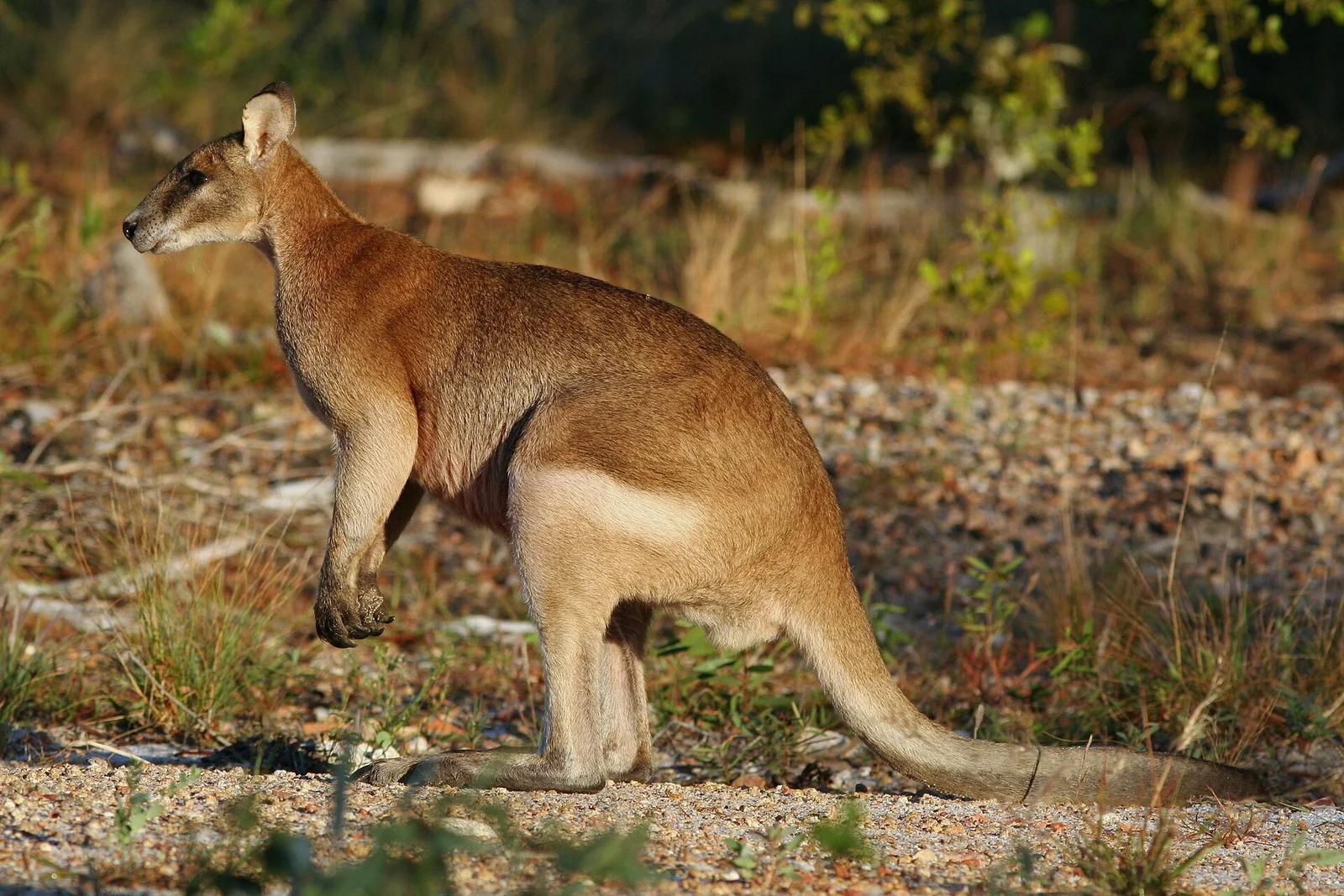
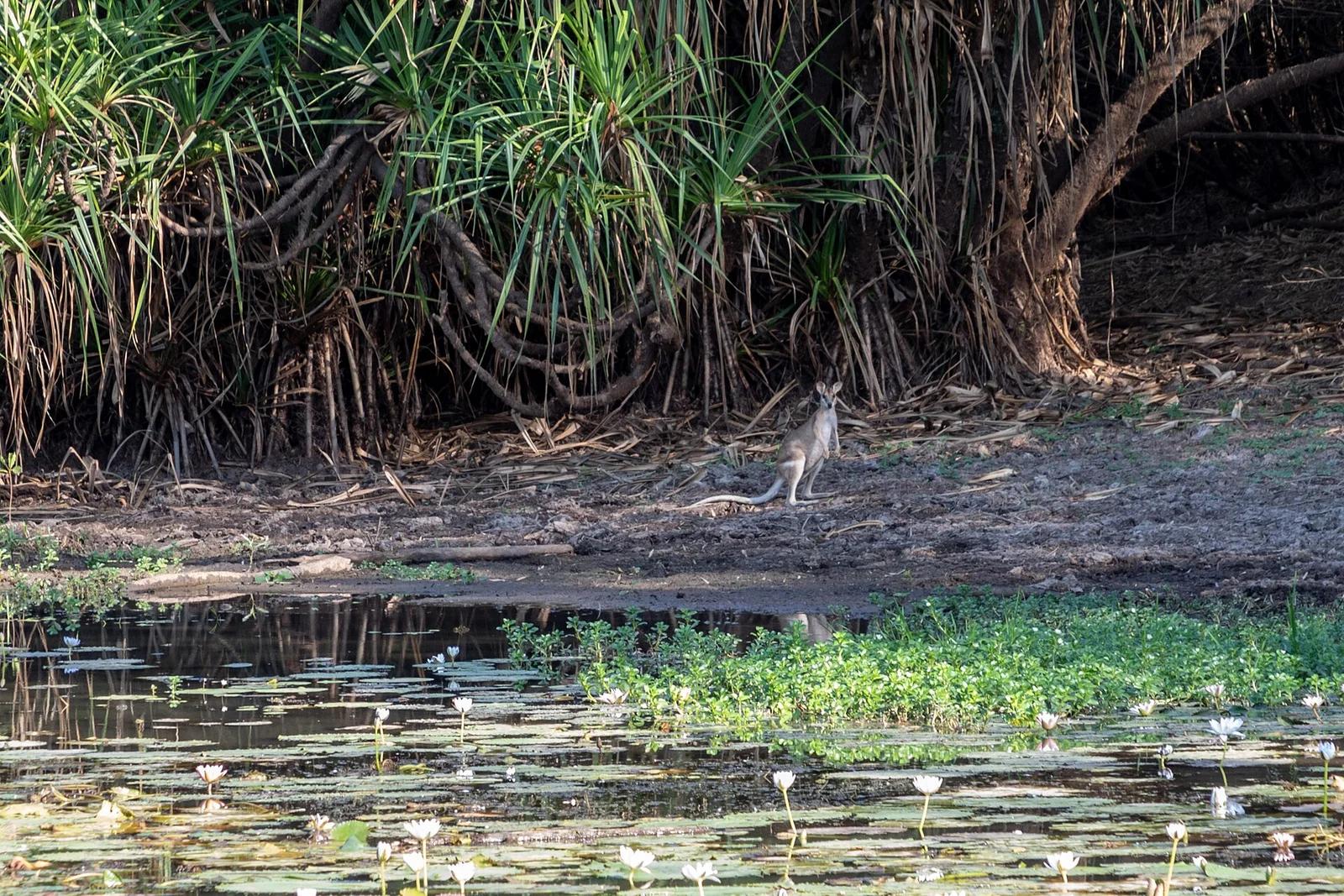
The agile wallaby (Notamacropus agilis), also known as the sandy wallaby, is a species of wallaby found in northern Australia and southern New Guinea. It is the most common wallaby in north Australia. The agile wallaby is a sandy colour, becoming paler below. It is sometimes solitary and at other times sociable and grazes on grasses and other plants. The agile wallaby is not considered threaten
Wikipedia - Out of season · Best Jul·Least Concern
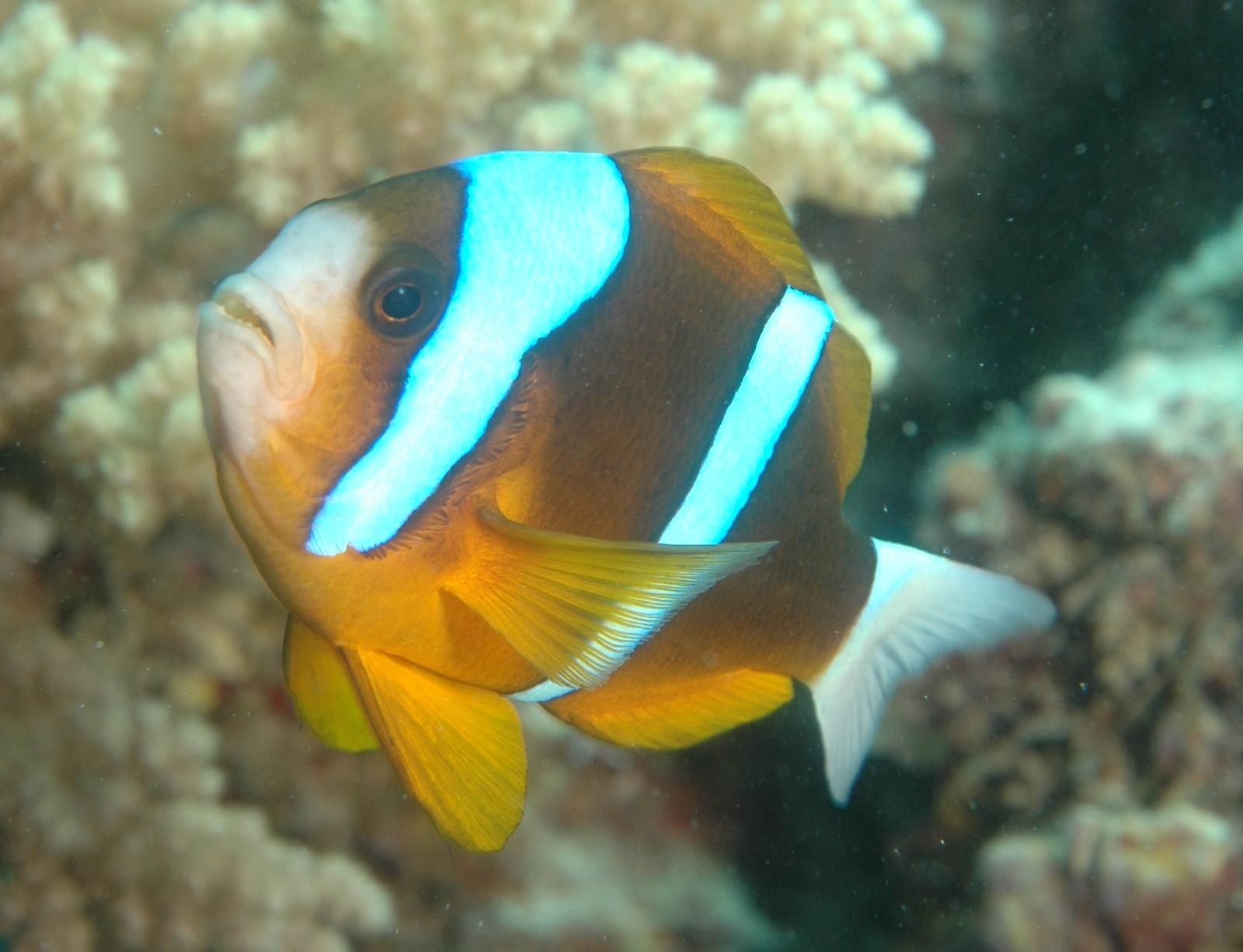
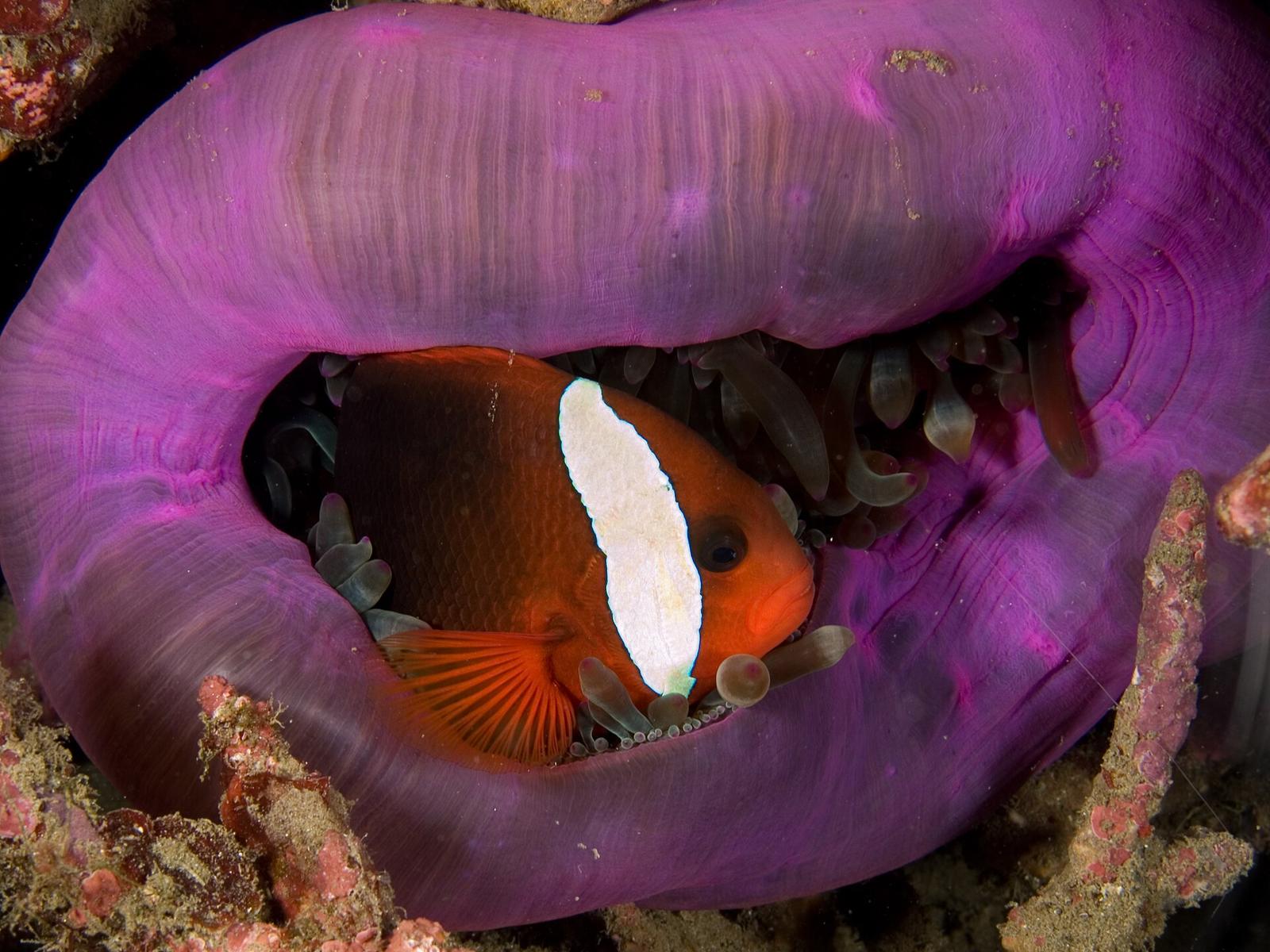
Amphiprion akindynos, the Barrier Reef anemonefish is a species of anemonefish that is principally found in the Great Barrier Reef of Australia, but also in nearby locations in the Western Pacific. The species name 'akindynos' is Greek, meaning 'safe' or 'without danger' in reference to the safety afforded amongst the tentacles of its host anemone. Like all anemonefishes it forms a symbiotic mutu
Wikipedia - Out of season · Best Jan, Apr, Jun–Aug·Vulnerable
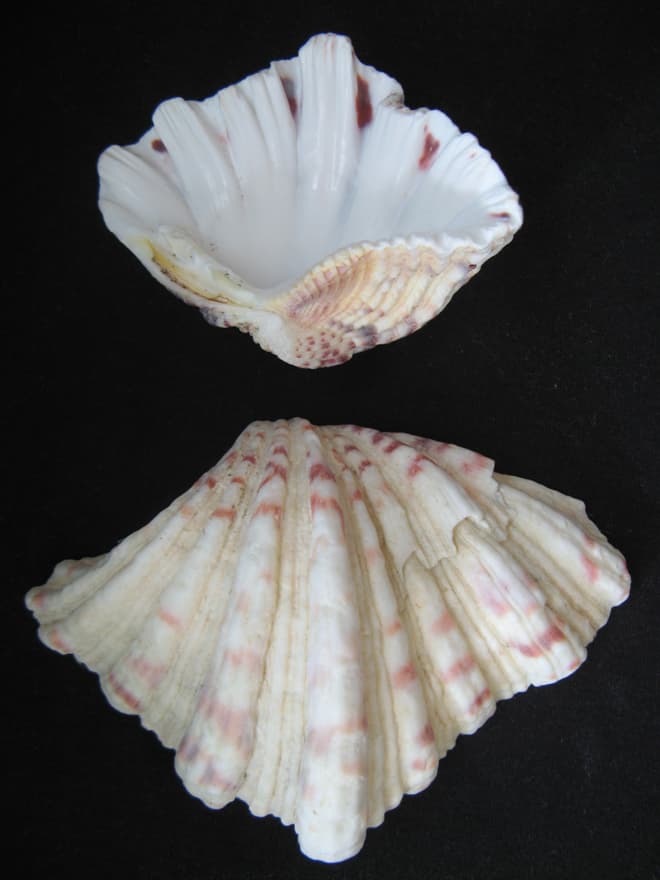
The bear paw clam, also known as the horse's hoof clam or strawberry clam, Hippopus hippopus, is a species of large saltwater clam, a tropical marine bivalve mollusk in the family Tridacnidae, the giant clam family.
Wikipedia - Out of season · Best Sep–Oct·Least Concern
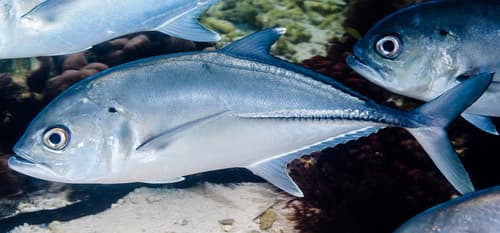
The bigeye trevally, Caranx sexfasciatus (also known as the bigeye jack, great trevally, six-banded trevally and dusky jack), is a species of widespread large marine fish classified in the jack family Carangidae. The bigeye trevally is distributed throughout the tropical waters of the Indian and Pacific Oceans, ranging from South Africa in the west to California and Ecuador in the east, includ
Wikipedia - Out of season · Best Jul–Aug·Least Concern
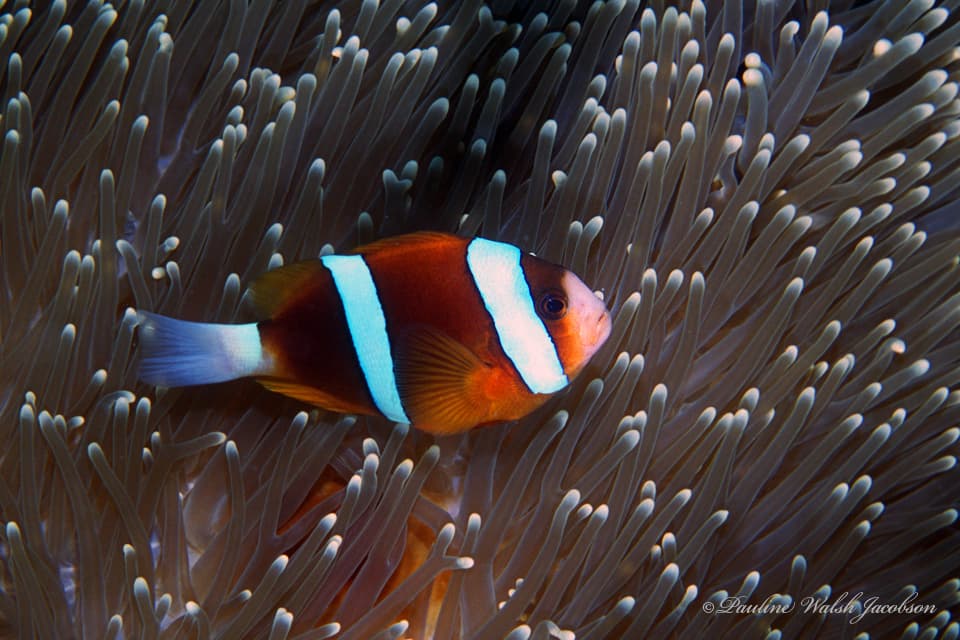
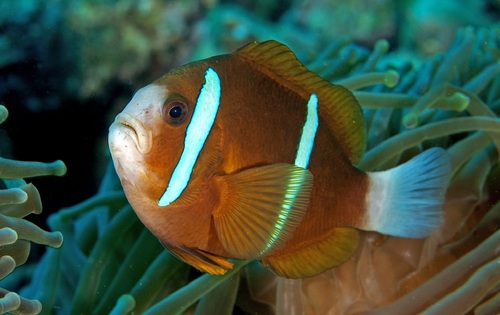
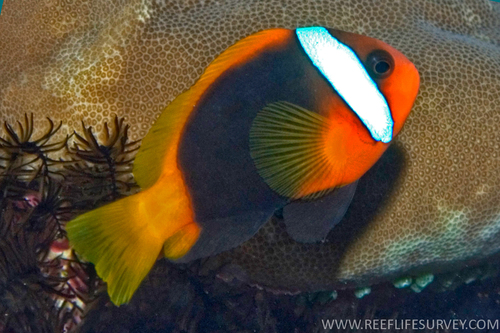
Amphiprion melanopus, also known as the cinnamon clownfish, red and black anemonefish, black-backed anemonefish or dusky anemonefish is a widely distributed anemonefish chiefly found in the western and southern parts of the Pacific Ocean.. The species scientific name 'melanopus' is Greek, meaning black feet in reference to the black pelvic fins. Like all anemonefishes it forms a symbiotic mutuali
Wikipedia - In season · Jul–Mar·Least Concern
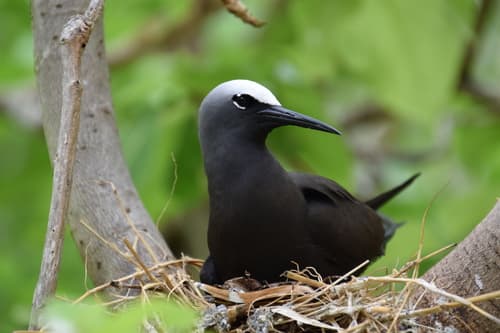
The black noddy or white-capped noddy (Anous minutus) is a seabird from the family Laridae. It is a medium-sized bird with black plumage and a white cap. It closely resembles the lesser noddy (Anous tenuirostris) with which it was at one time considered conspecific. The black noddy has slightly darker plumage and dark rather than pale lores.
Wikipedia - Out of season · Best Apr, Jul–Aug·Least Concern
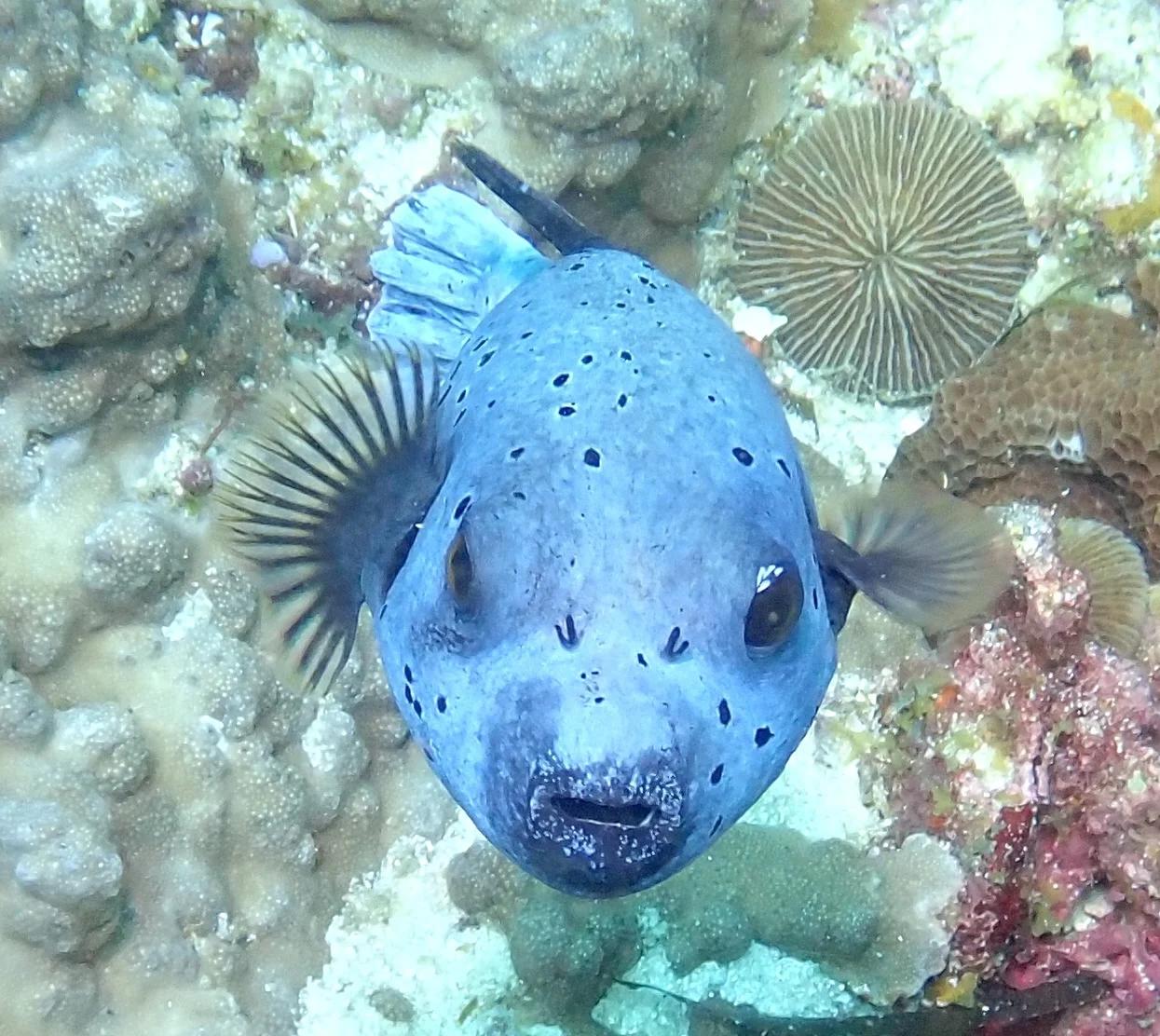
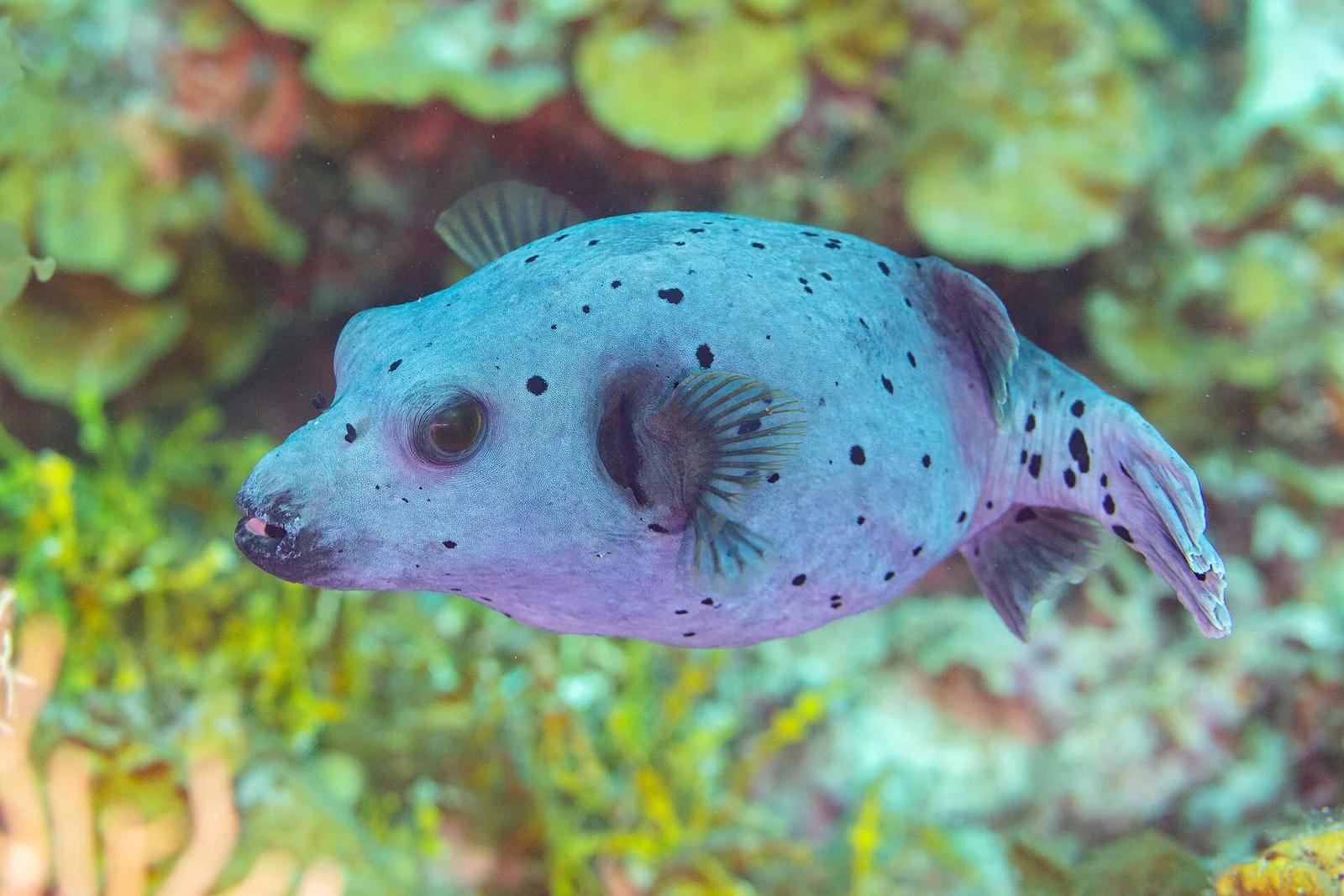
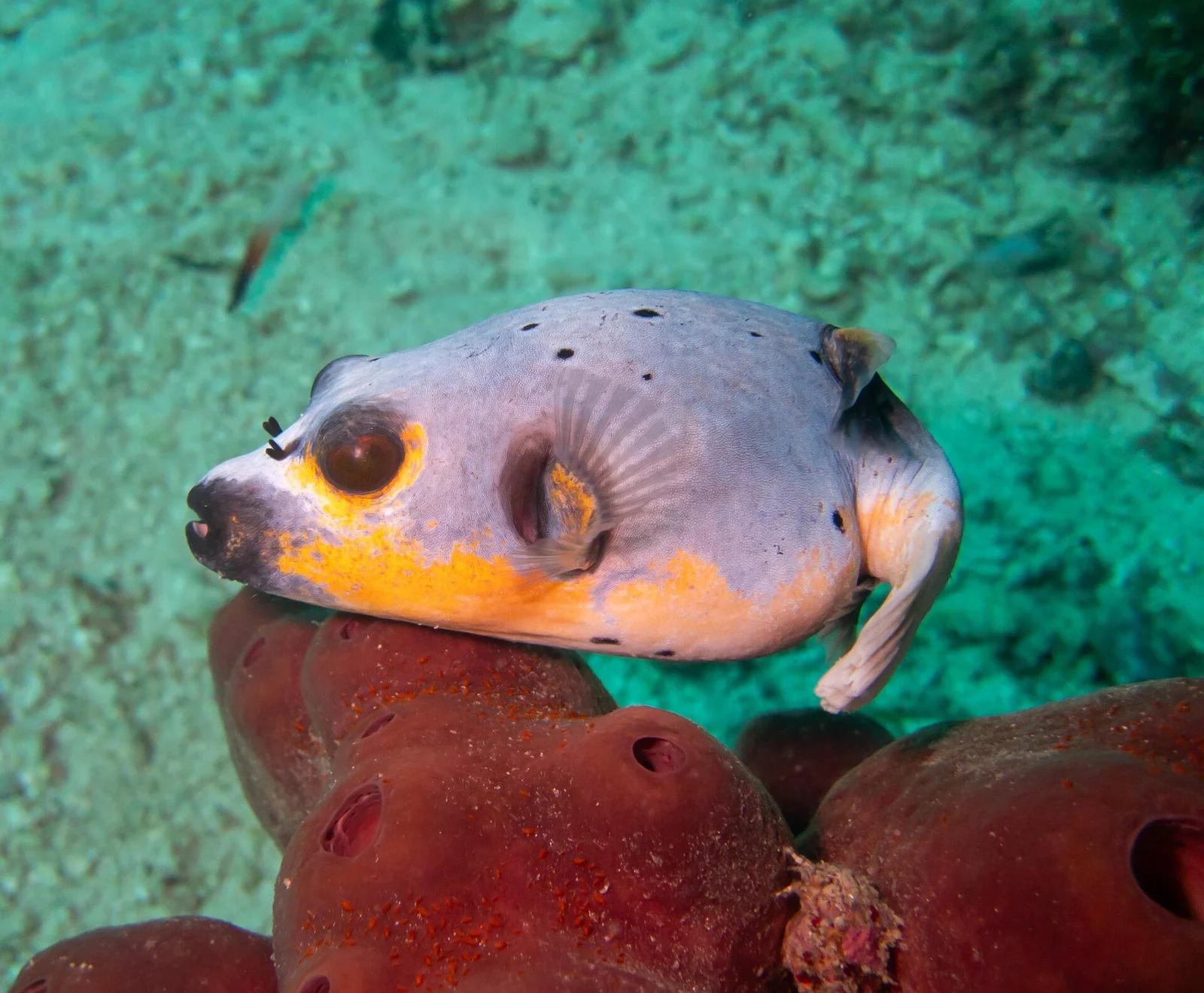
The blackspotted puffer (Arothron nigropunctatus), also known as the dog-faced puffer, is a tropical marine fish belonging to the family Tetraodontidae.
Wikipedia - Out of season · Best Feb, Apr–May, Aug, Oct·Least Concern
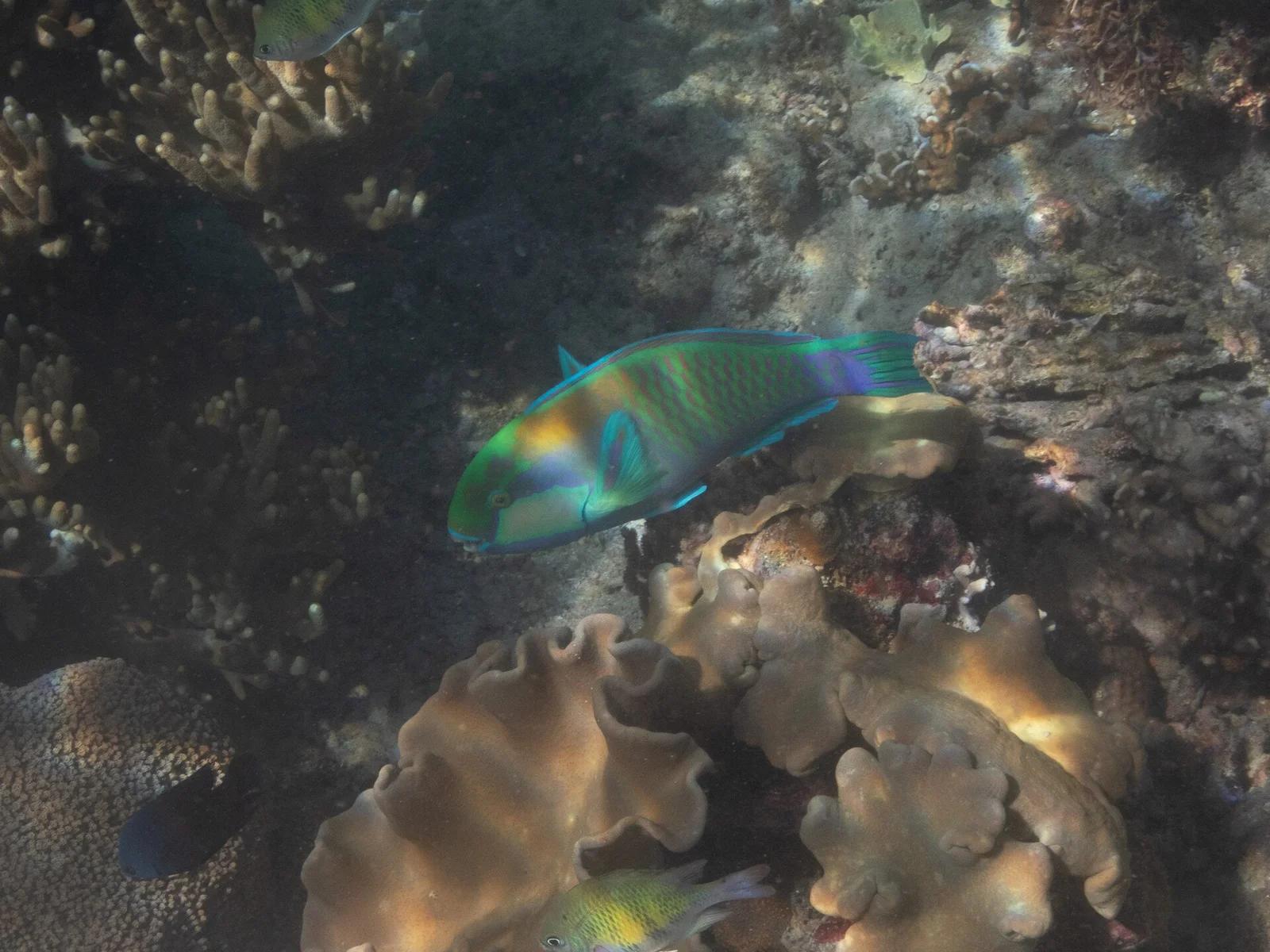
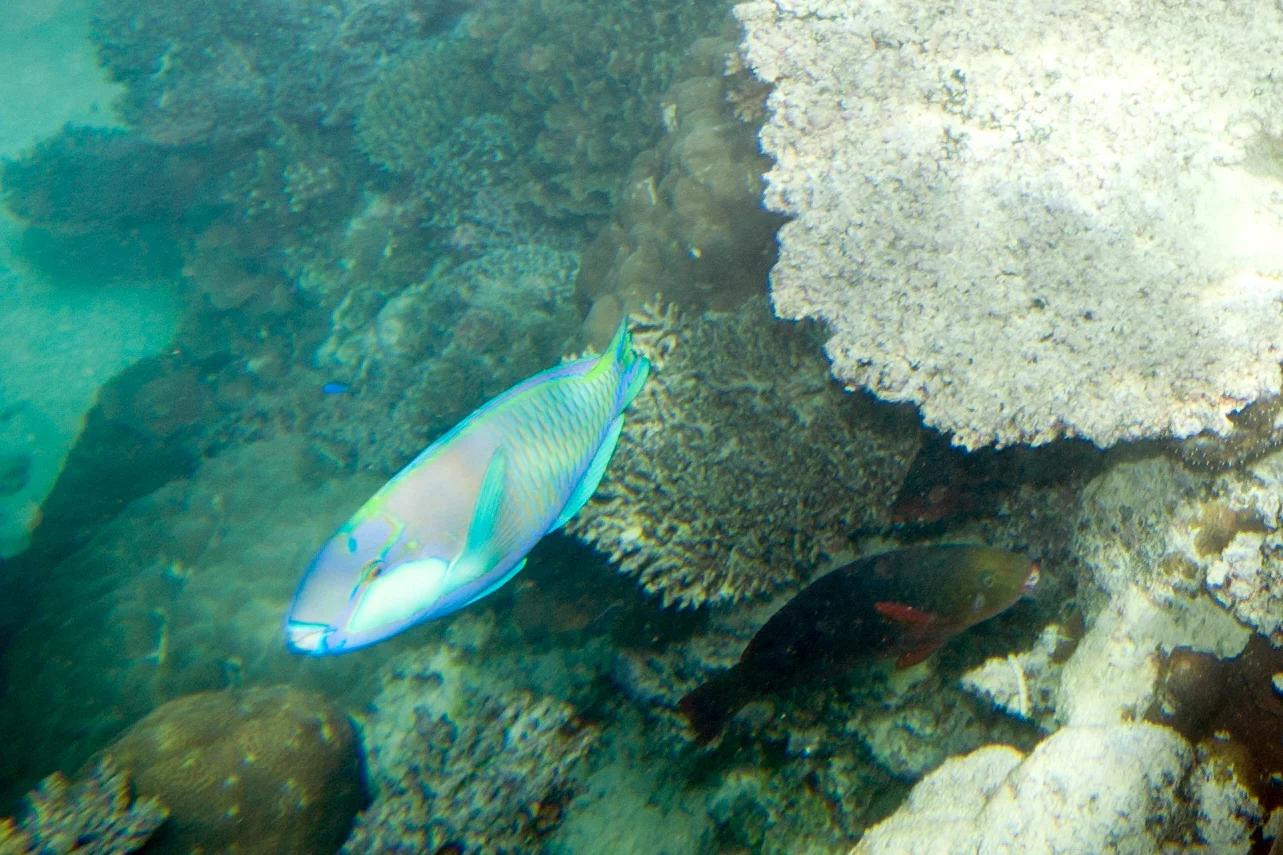
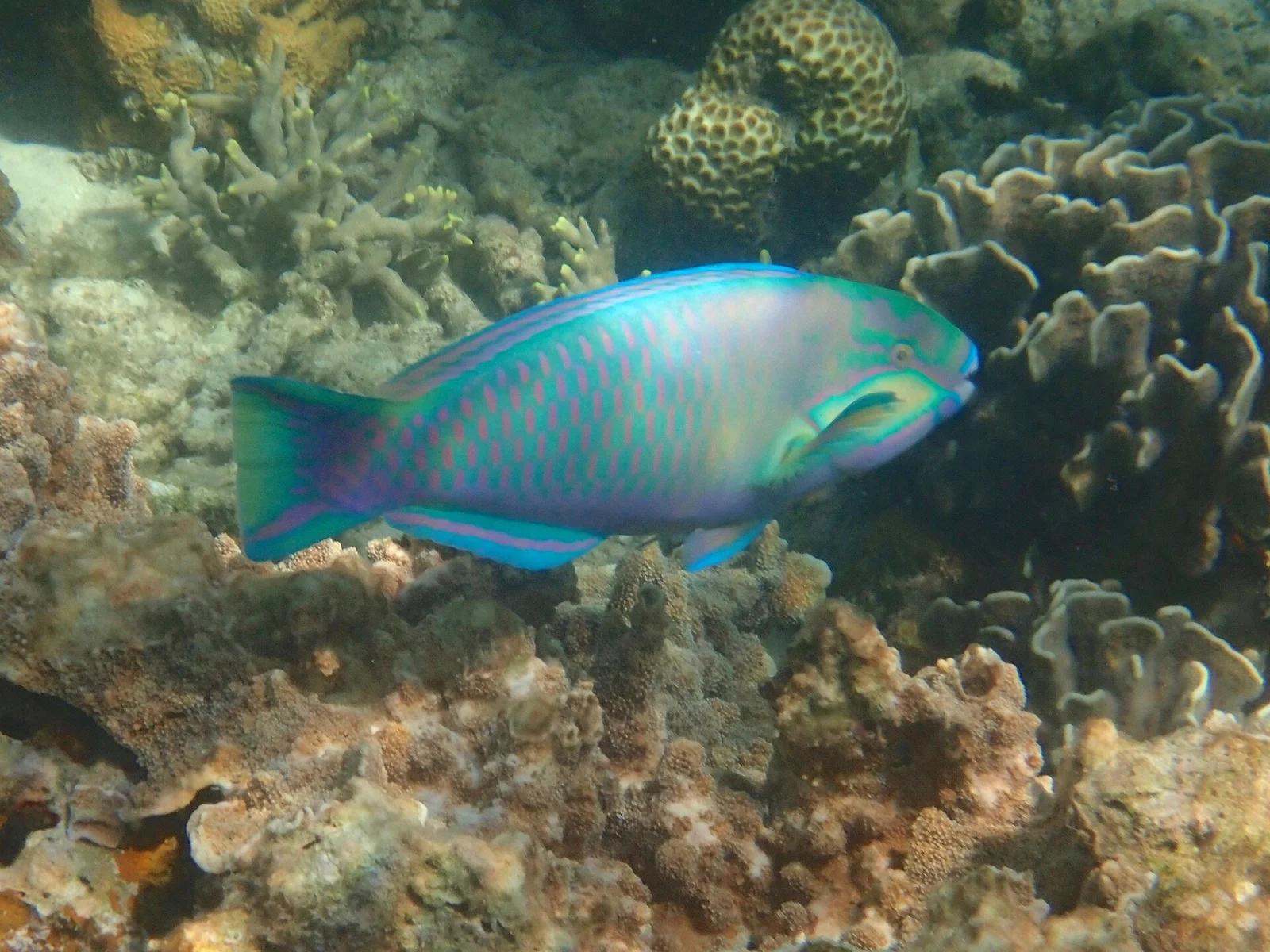
Chlorurus bleekeri, known commonly as Bleeker's parrotfish, is a species of marine fish in the family Scaridae.
Wikipedia - In season · May–Sep, Nov–Dec·Least Concern
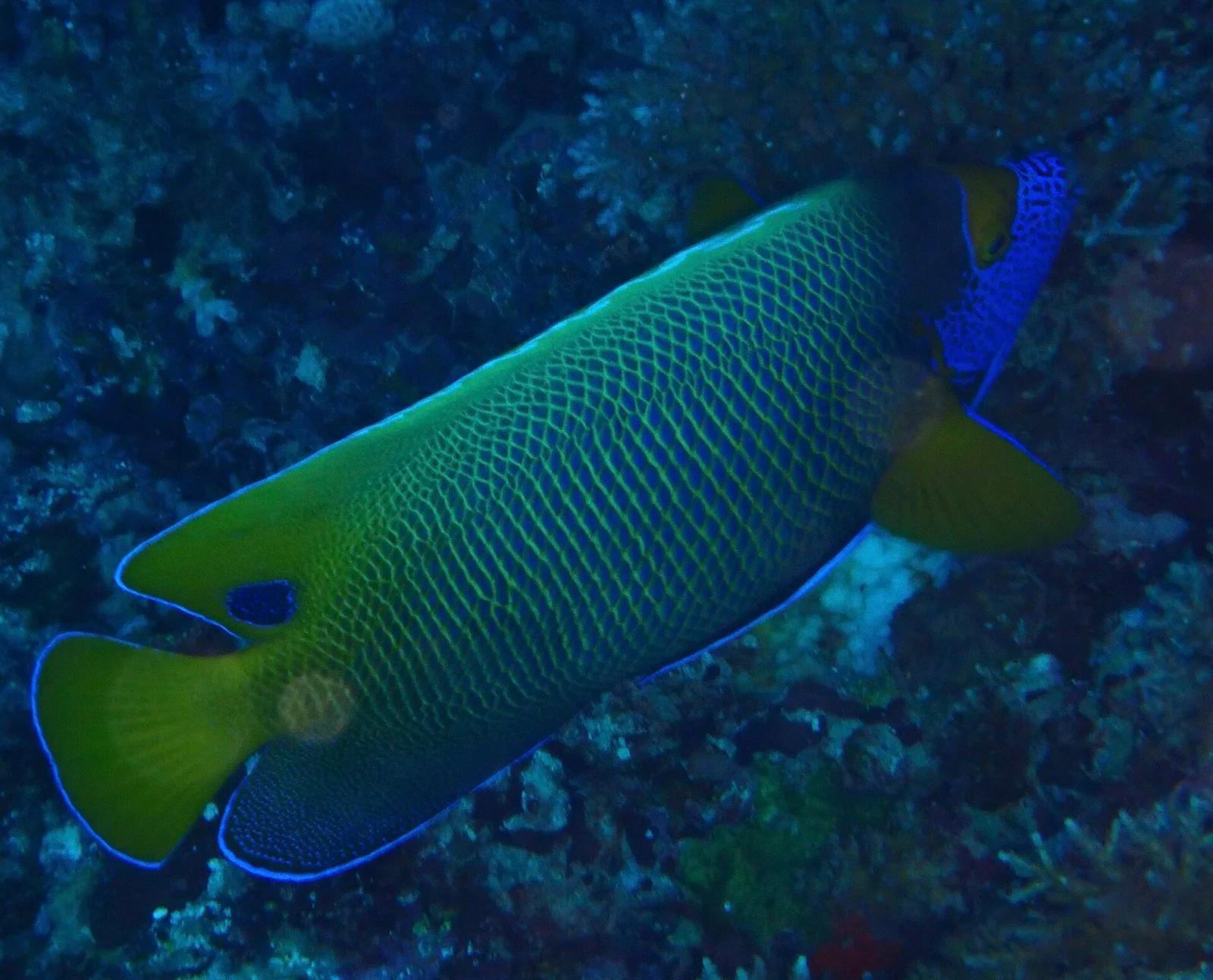
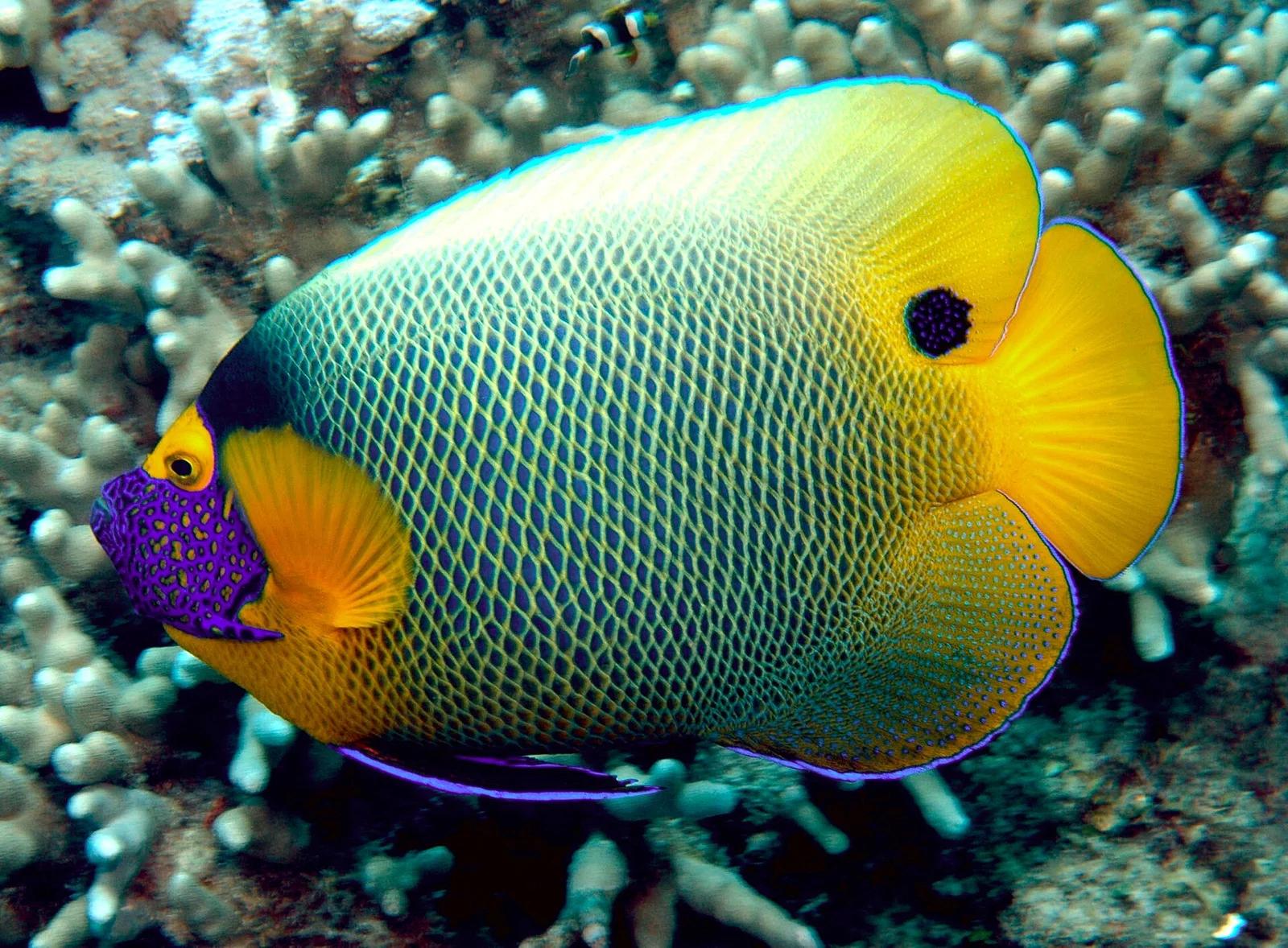
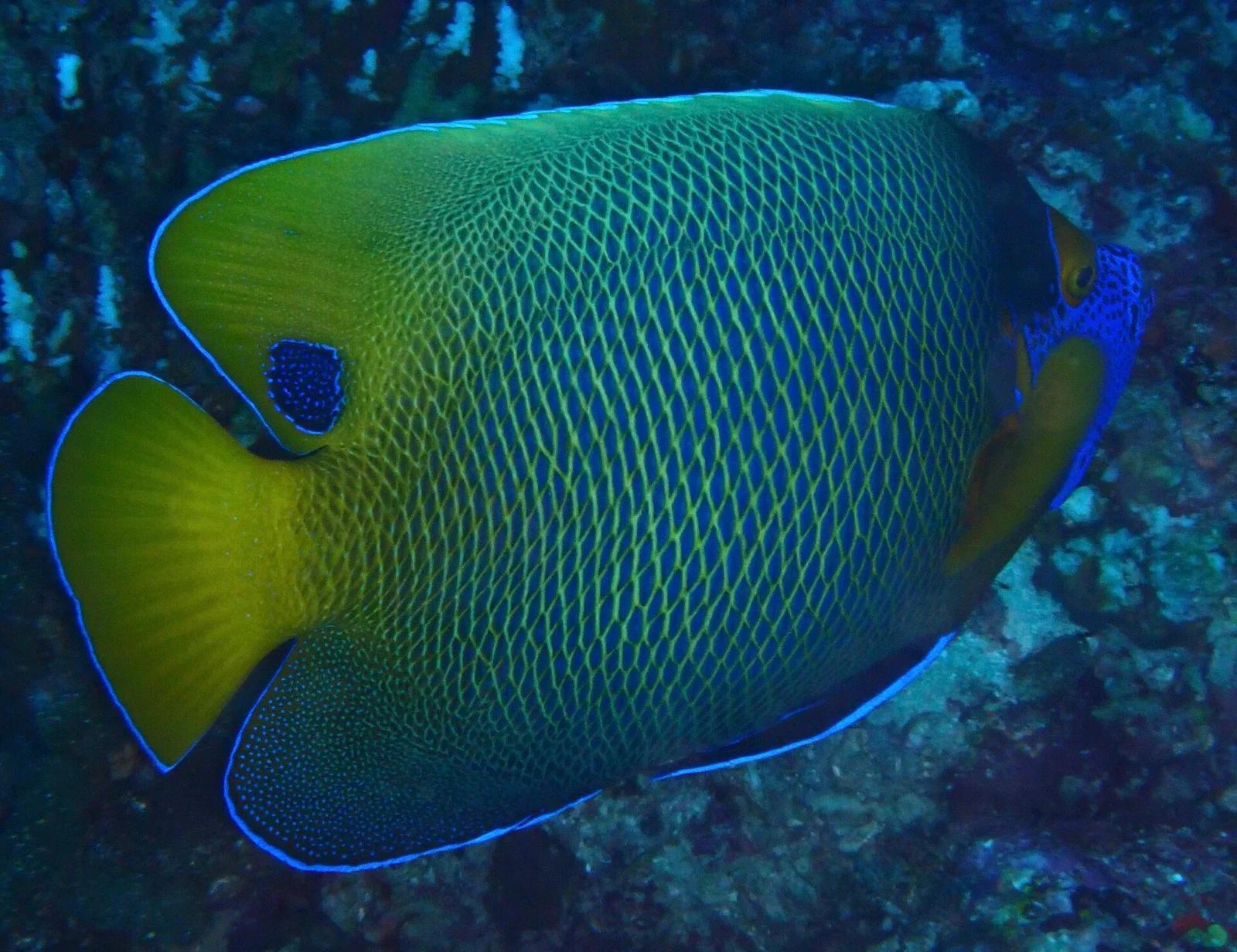
Pomacanthus xanthometopon is a ray-finned fish in the family Pomacanthidae found in shallow parts of the Indo-Pacific. It is commonly known as the blueface angelfish or the yellowface angelfish because of its striking facial colouration.
Wikipedia - Out of season · Best May, Sep–Oct
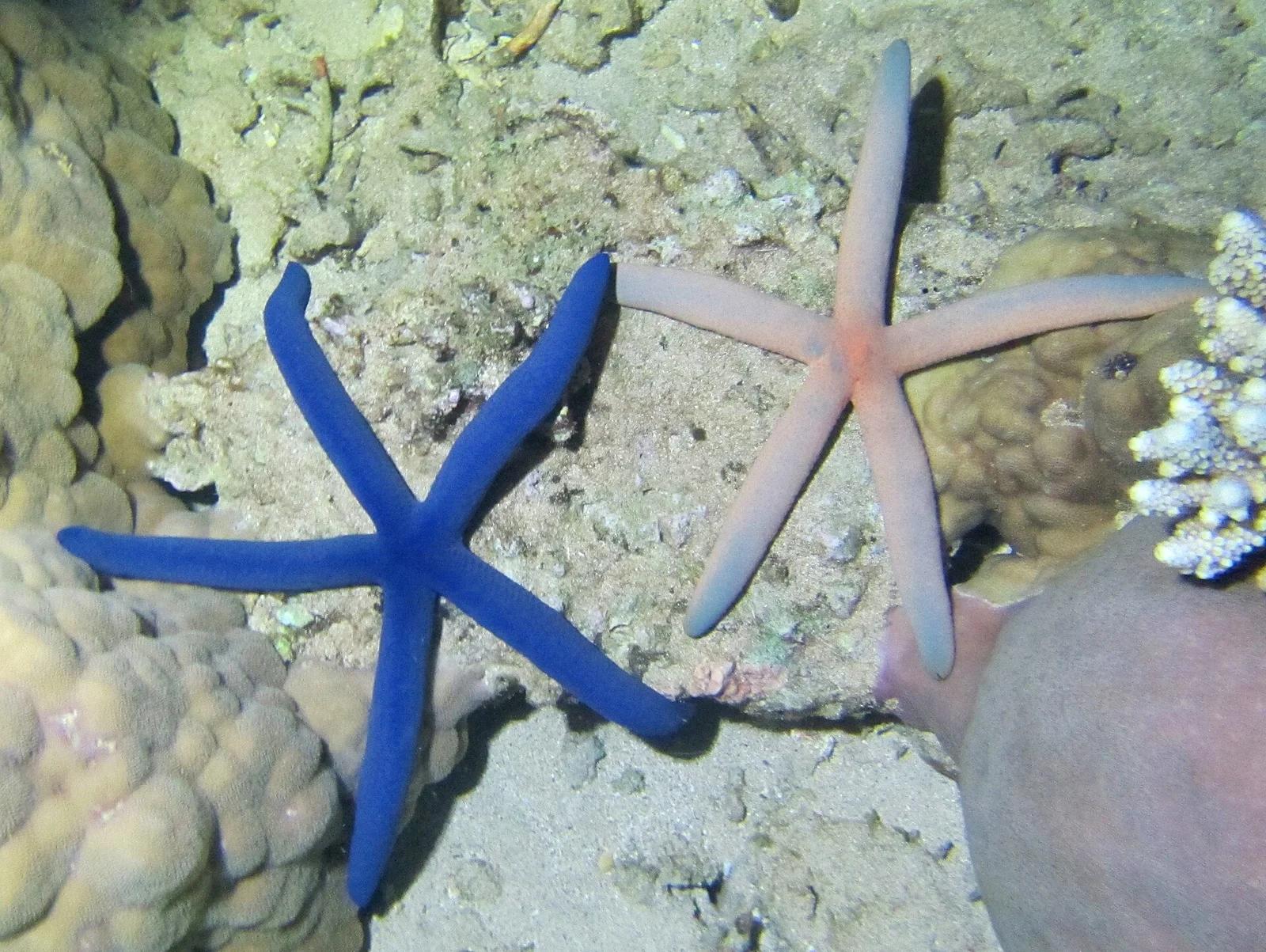
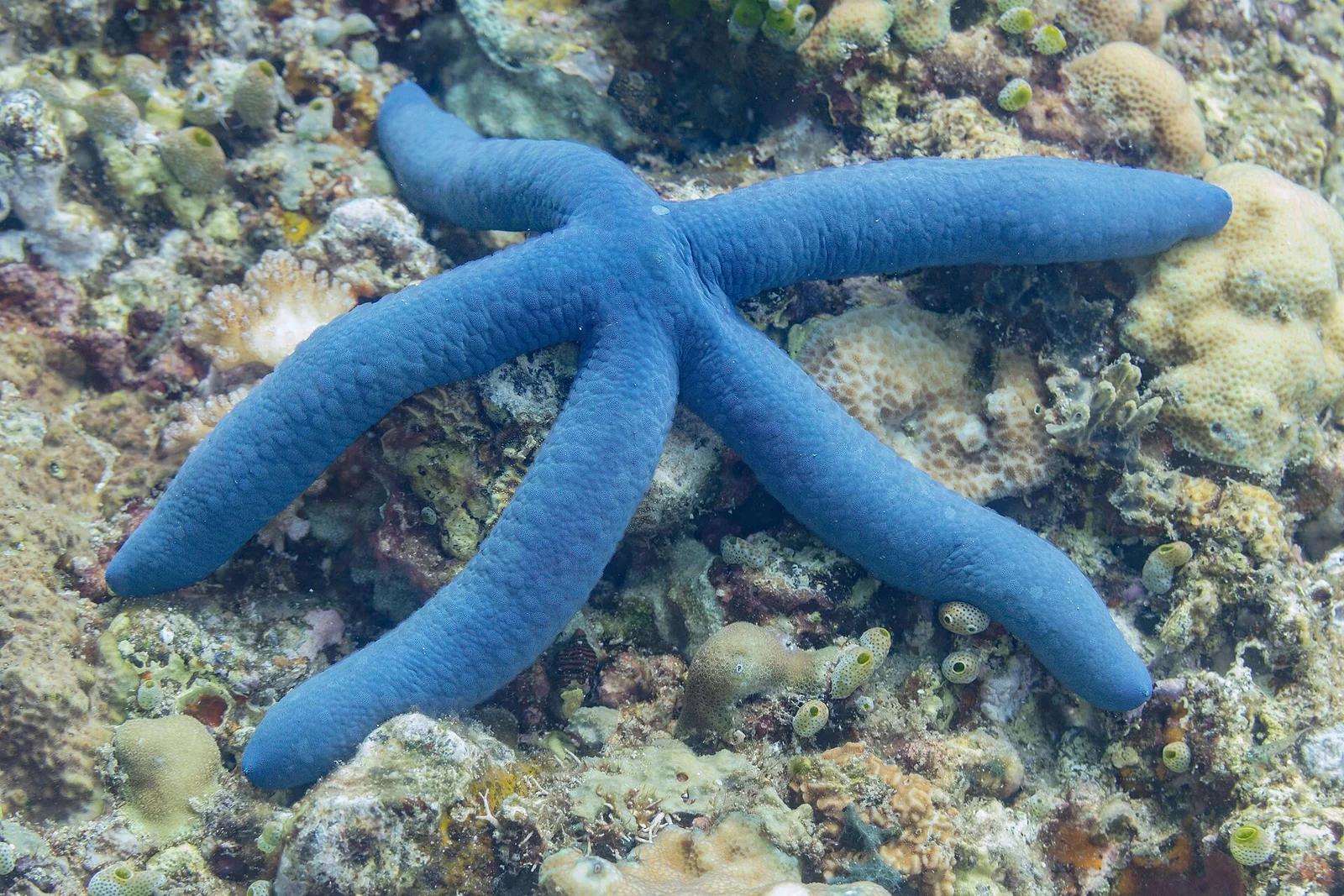
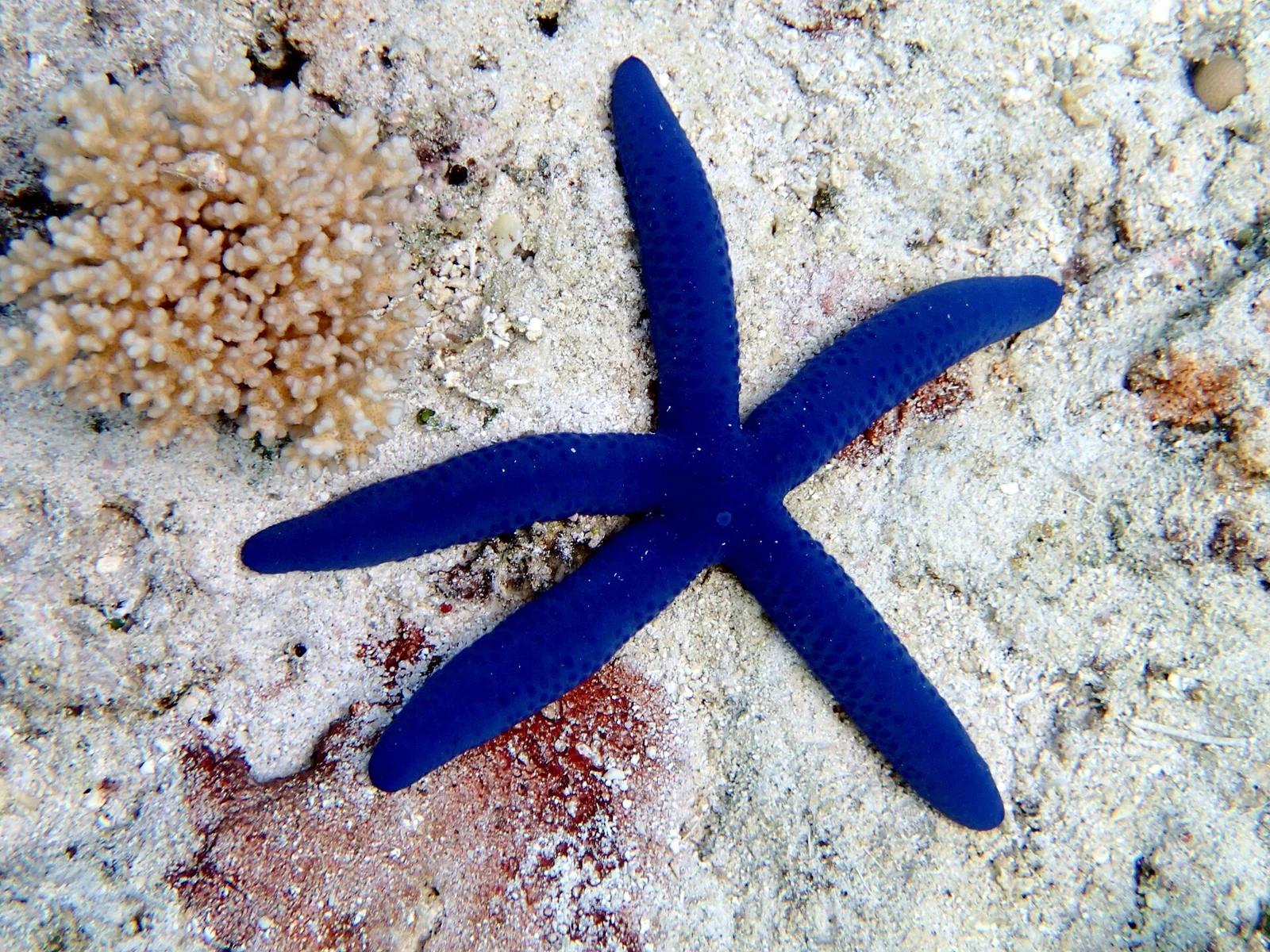
Linckia laevigata (sometimes called the "blue Linckia " or blue star) is a species of sea star (commonly known as a starfish) in the shallow waters of tropical Indo-Pacific (a biogeographic region of the Earth's seas, comprising the tropical waters of the Indian Ocean, the western and central Pacific Ocean, and the seas connecting the two in the general area of Indonesia.
Wikipedia - Out of season · Best May–Jul, Sep–Oct·Least Concern
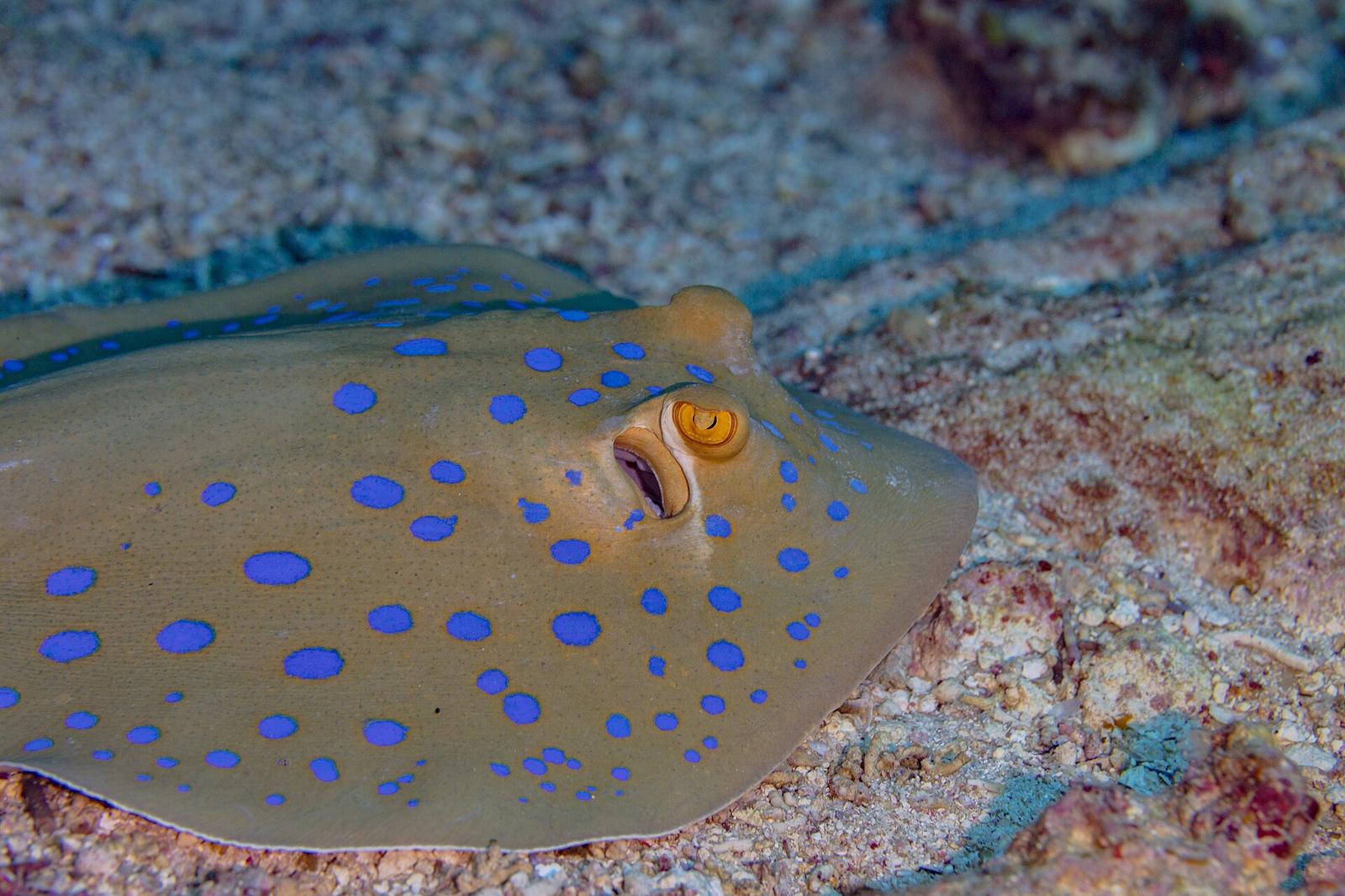
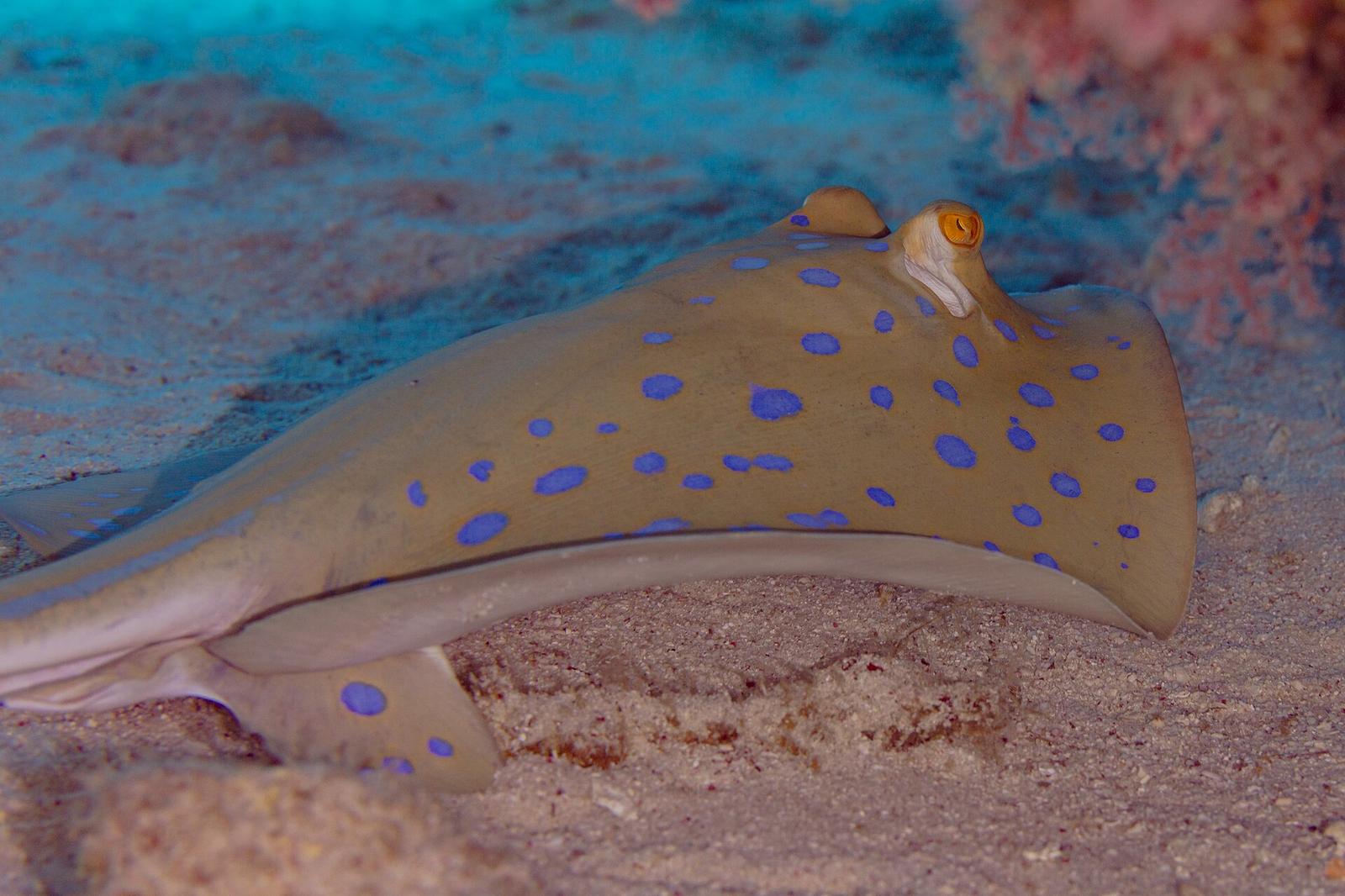
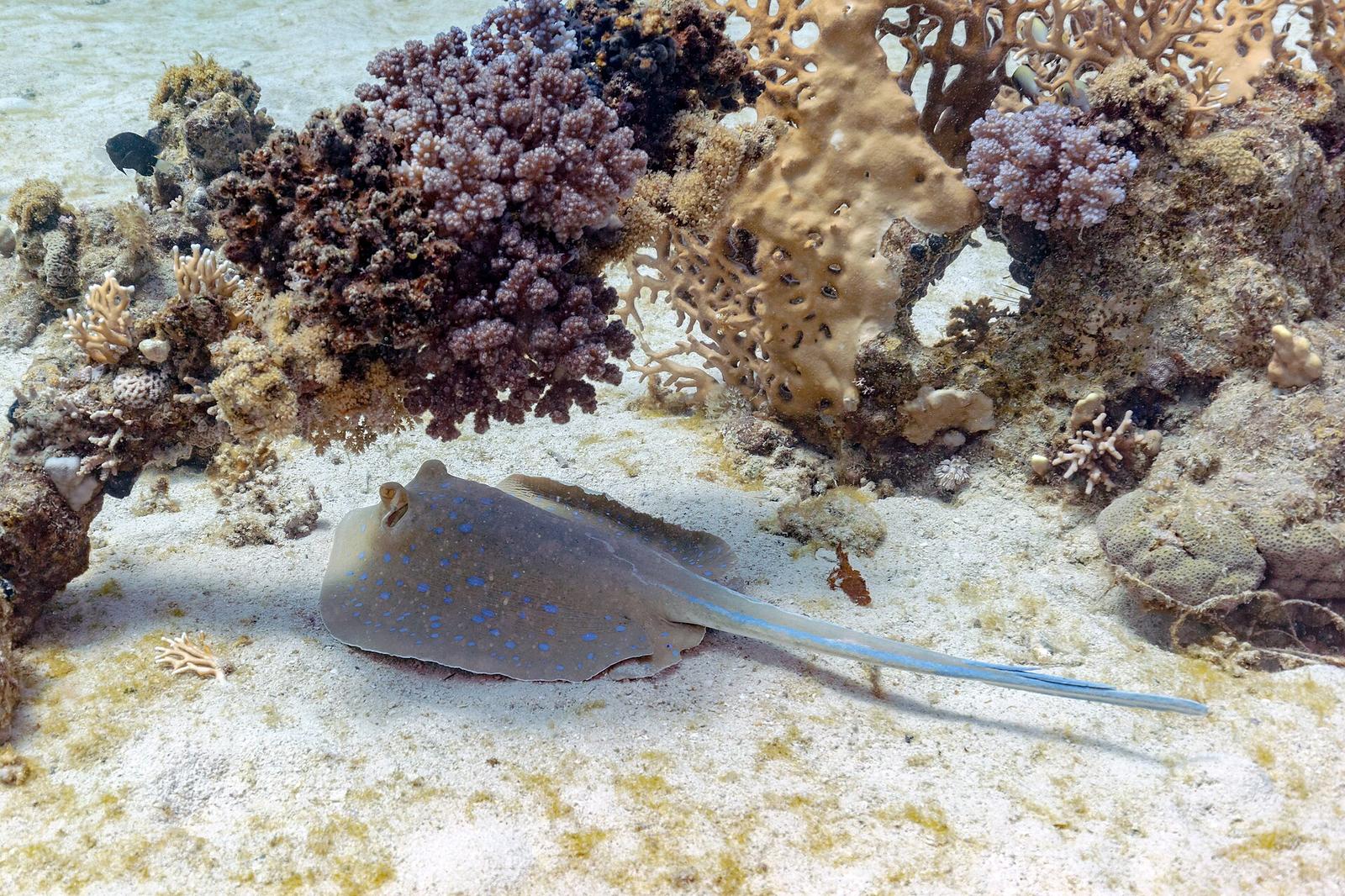
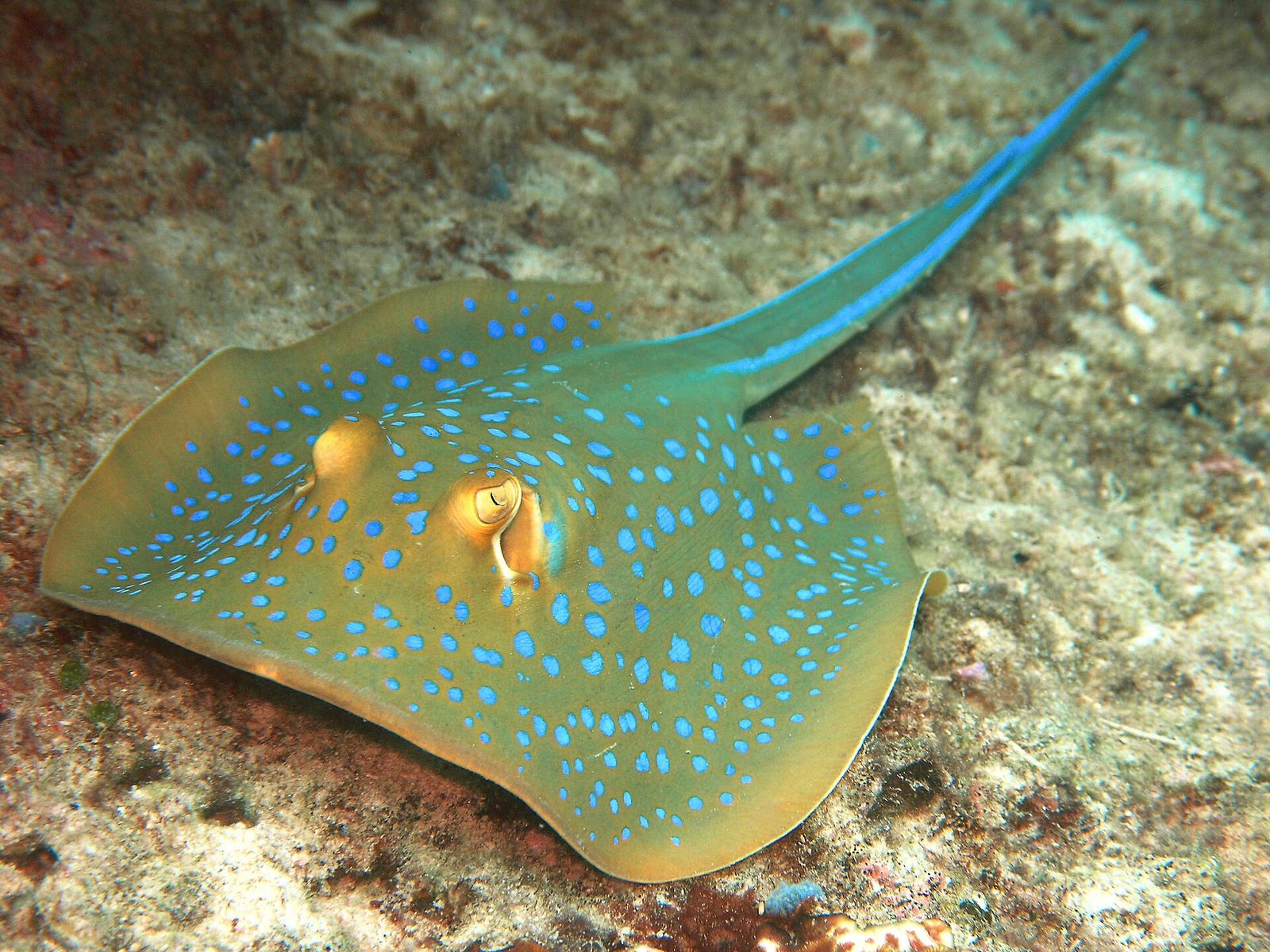
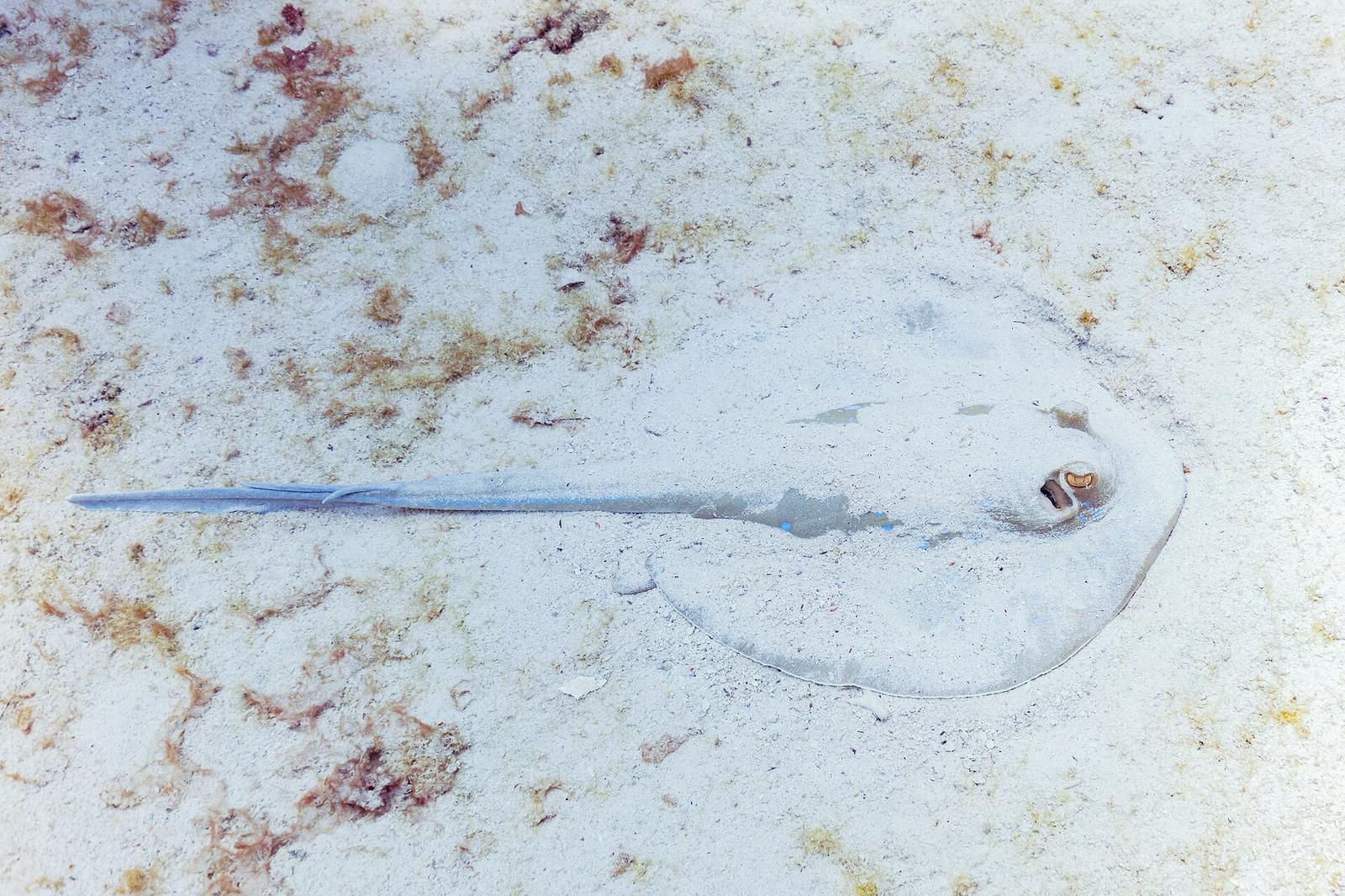
The bluespotted ribbontail ray (Taeniura lymma) is a species of stingray in the family Dasyatidae. Found from the intertidal zone to a depth of 30 m (100 ft), this species is common throughout the tropical Indian and western Pacific Oceans in nearshore, coral reef-associated habitats. It is a fairly small ray, not exceeding 35 cm (14 in) in width, with a mostly smooth, oval pectoral fin disc, la
Wikipedia - In season · Mar–May, Jul–Dec·Least Concern
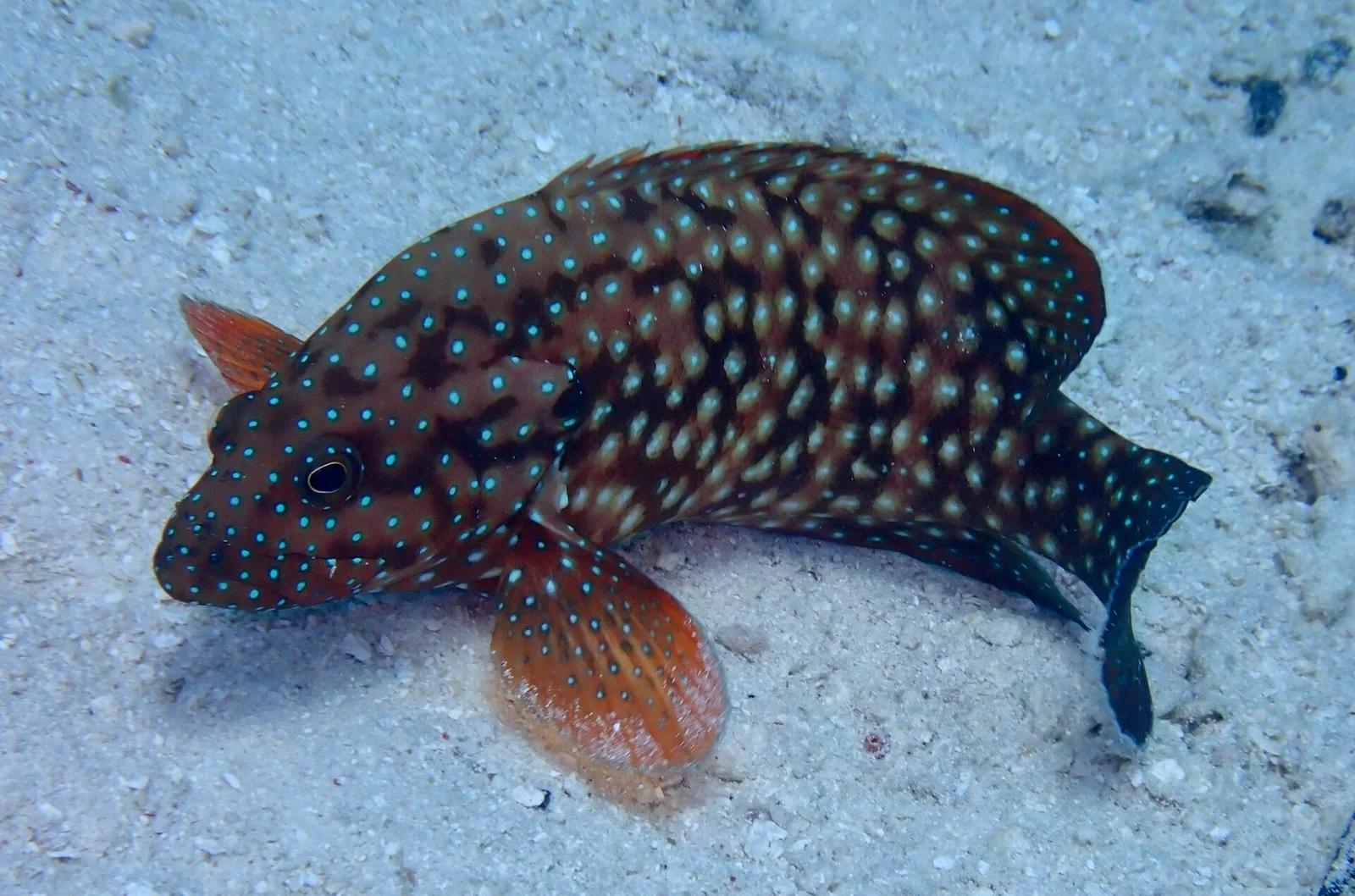
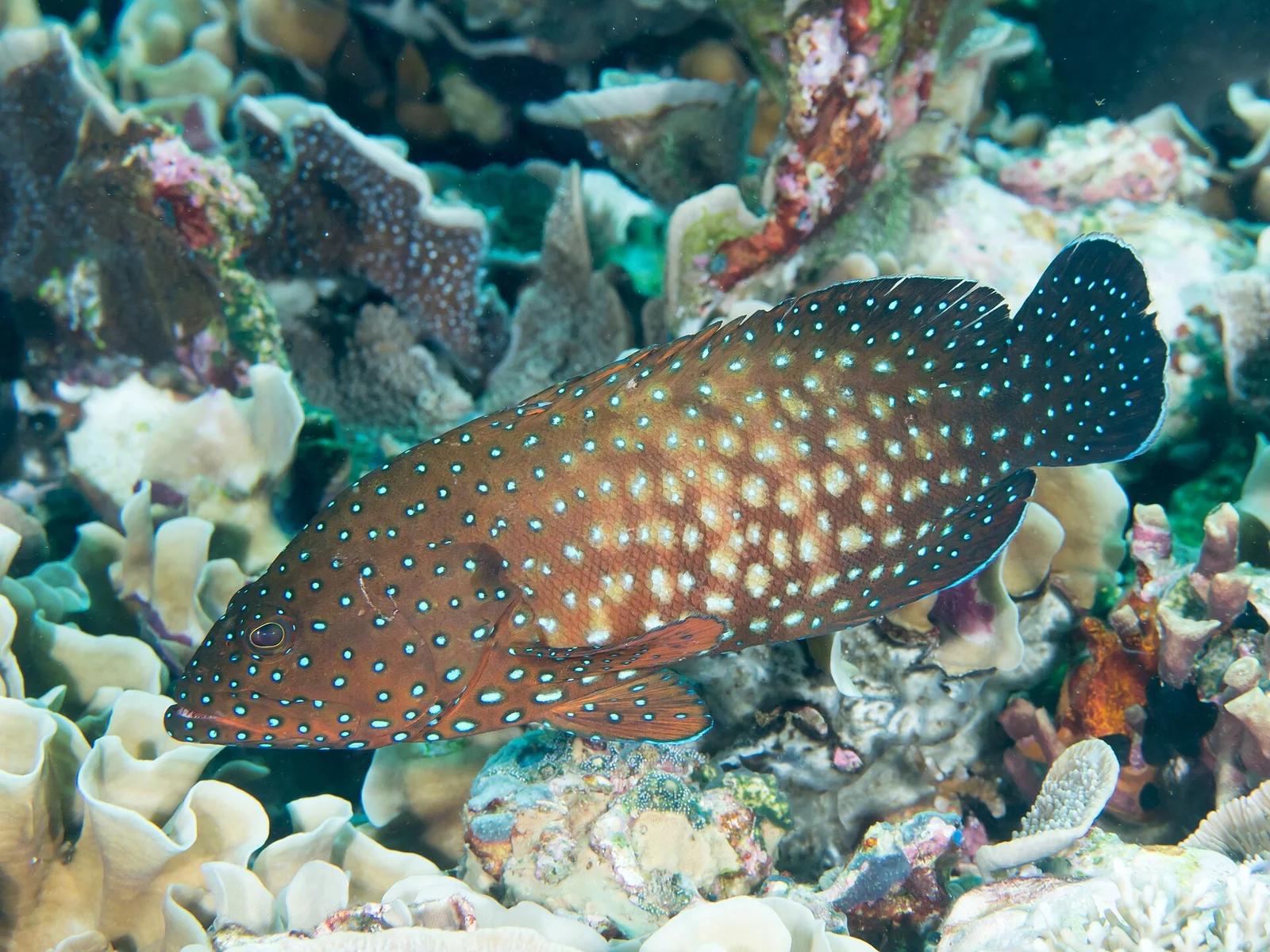
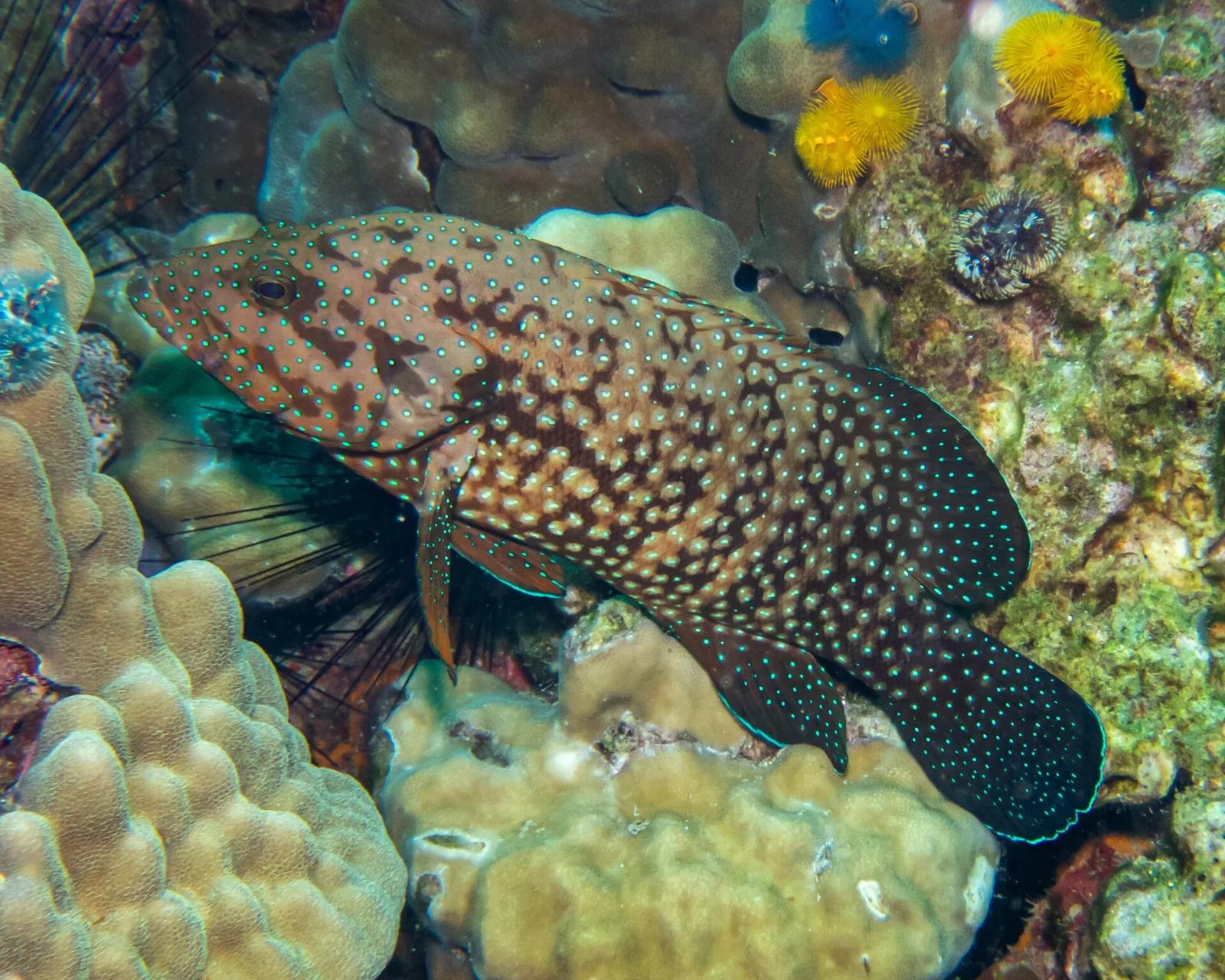
Bluespotted groupers are seen here in March to May and July to December.
- Out of season · Best May, Jul–Aug, Oct·Least Concern
The boring clam, crocus clam, crocea clam or saffron-coloured clam (Tridacna crocea) is a species of bivalve in the family Cardiidae. It is native to the Indo-Pacific region. It is occasionally found in the aquarium trade where it is often simply referred to as crocea.
Wikipedia 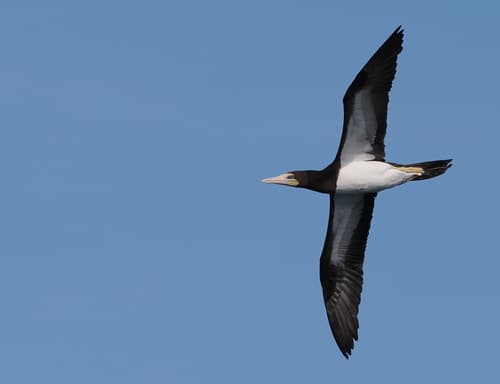
 Out of season · Best Jul–Aug, Oct·Least Concern
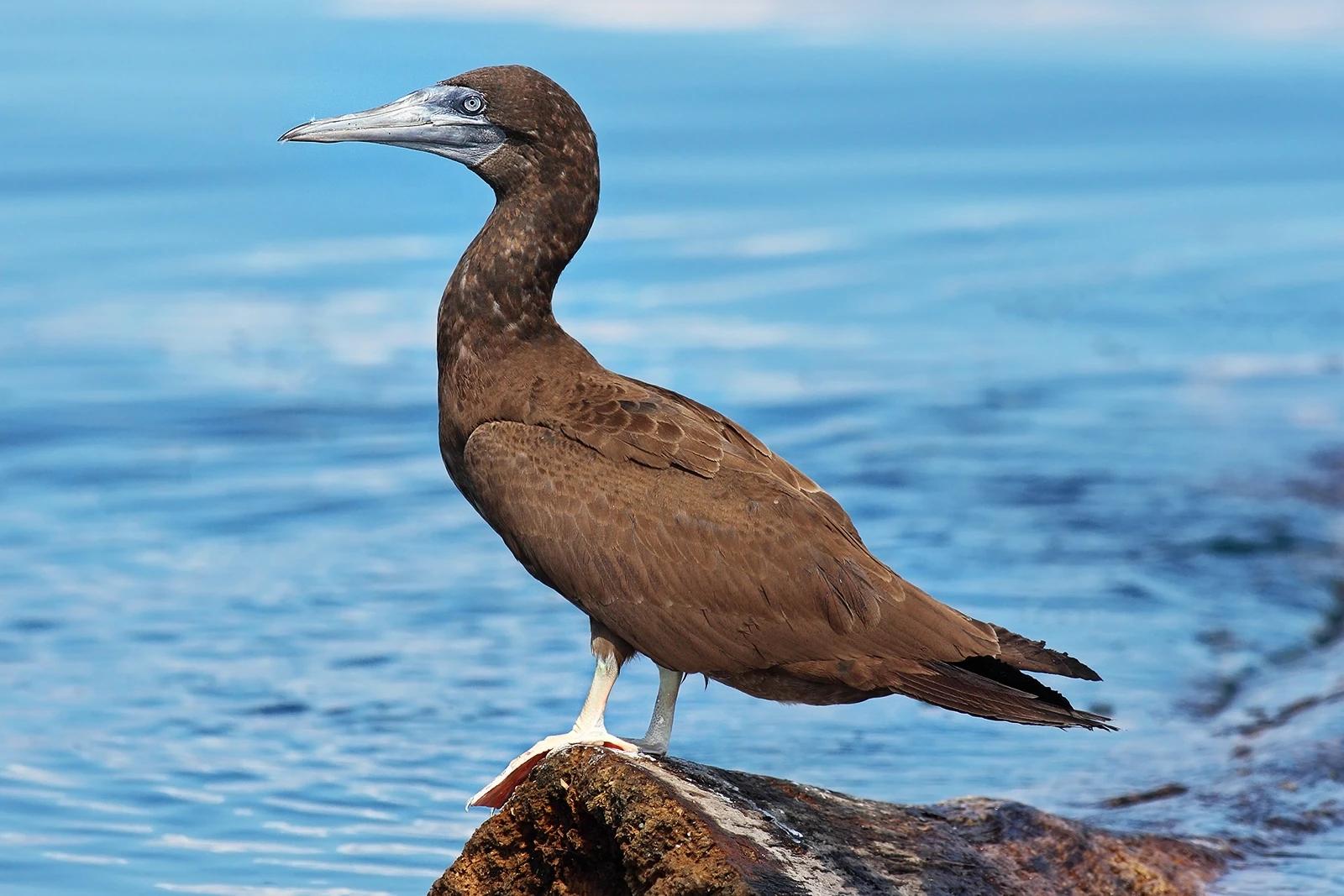
The brown booby (Sula leucogaster) is a large seabird of the booby family, Sulidae. They present sexual dimorphism. The female booby reaches about 80 centimetres (31 in) in length, its wingspan measures up to 150 cm (4.9 ft), and they can weigh up to 1,300 g (2.9 lb). The male booby reaches about 75 centimetres (30 in) in length, its wingspan measures up to 140 cm (4.6 ft), and they can weigh up
Wikipedia- In season · May–Sep, Nov–Dec·Vulnerable
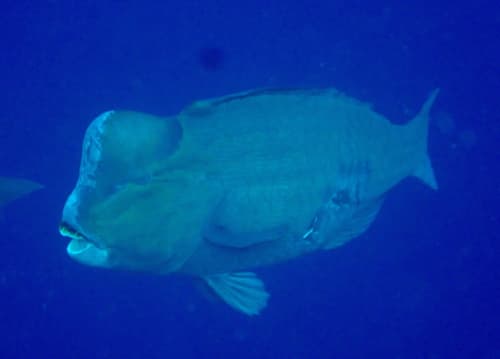
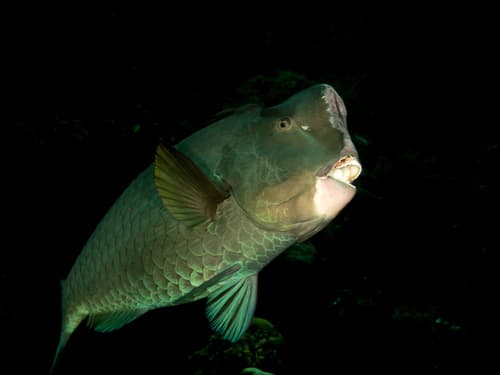
The green humphead parrotfish (Bolbometopon muricatum) is the largest species of parrotfish, growing to lengths of 1.3 m (4.3 ft) and weighing up to 46 kg (101 lb).
Wikipedia - In season · Year-round·Least Concern
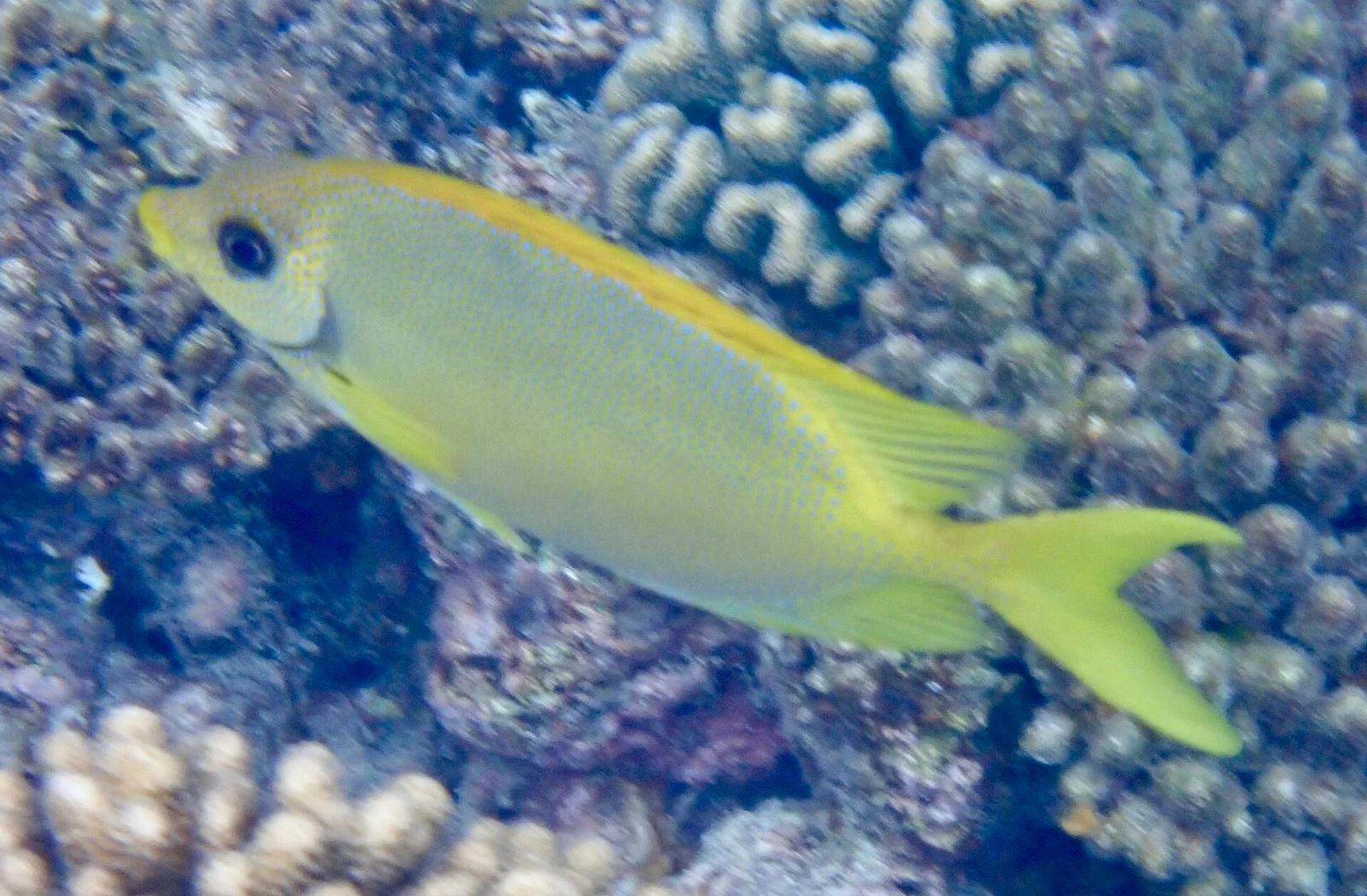
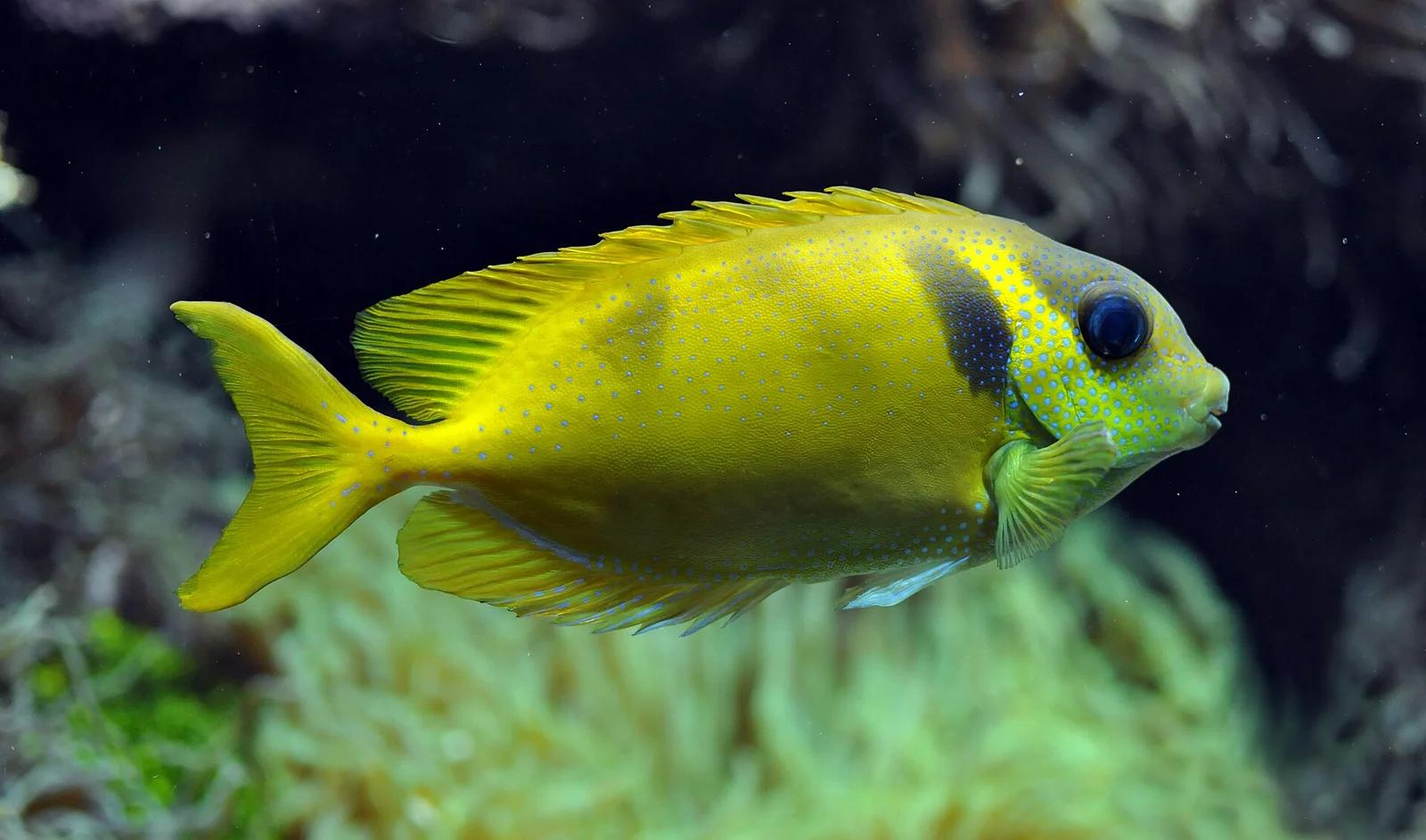
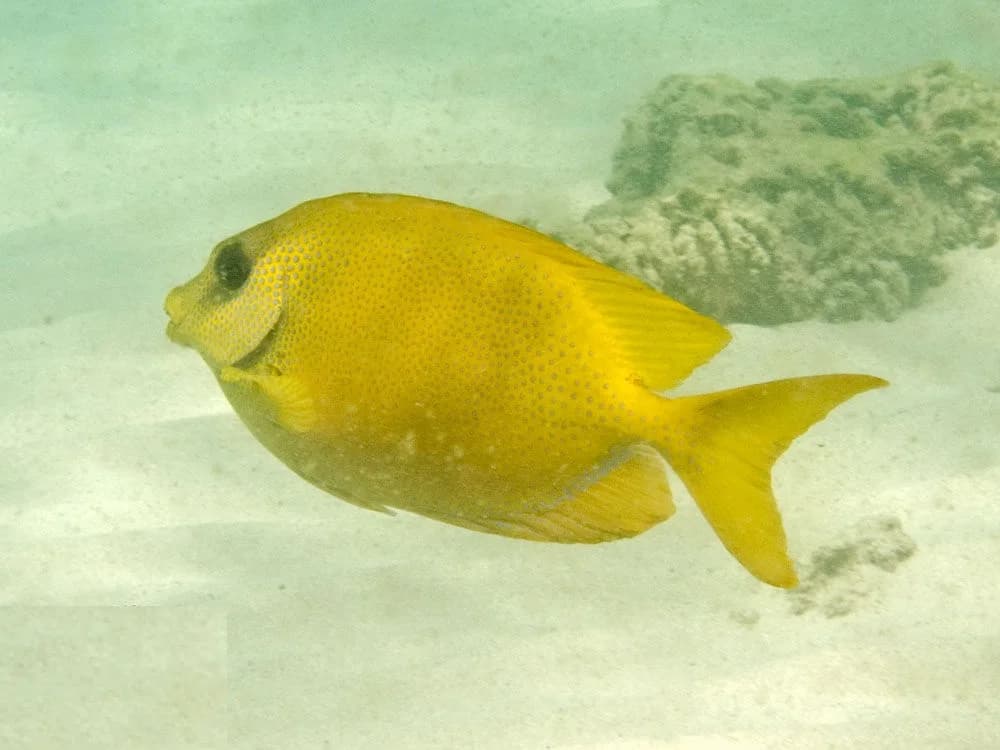
The blue-spotted spinefoot (Siganus corallinus) is a species of rabbitfish.
Wikipedia - Out of season · Best Mar, May–Jun, Oct·Least Concern
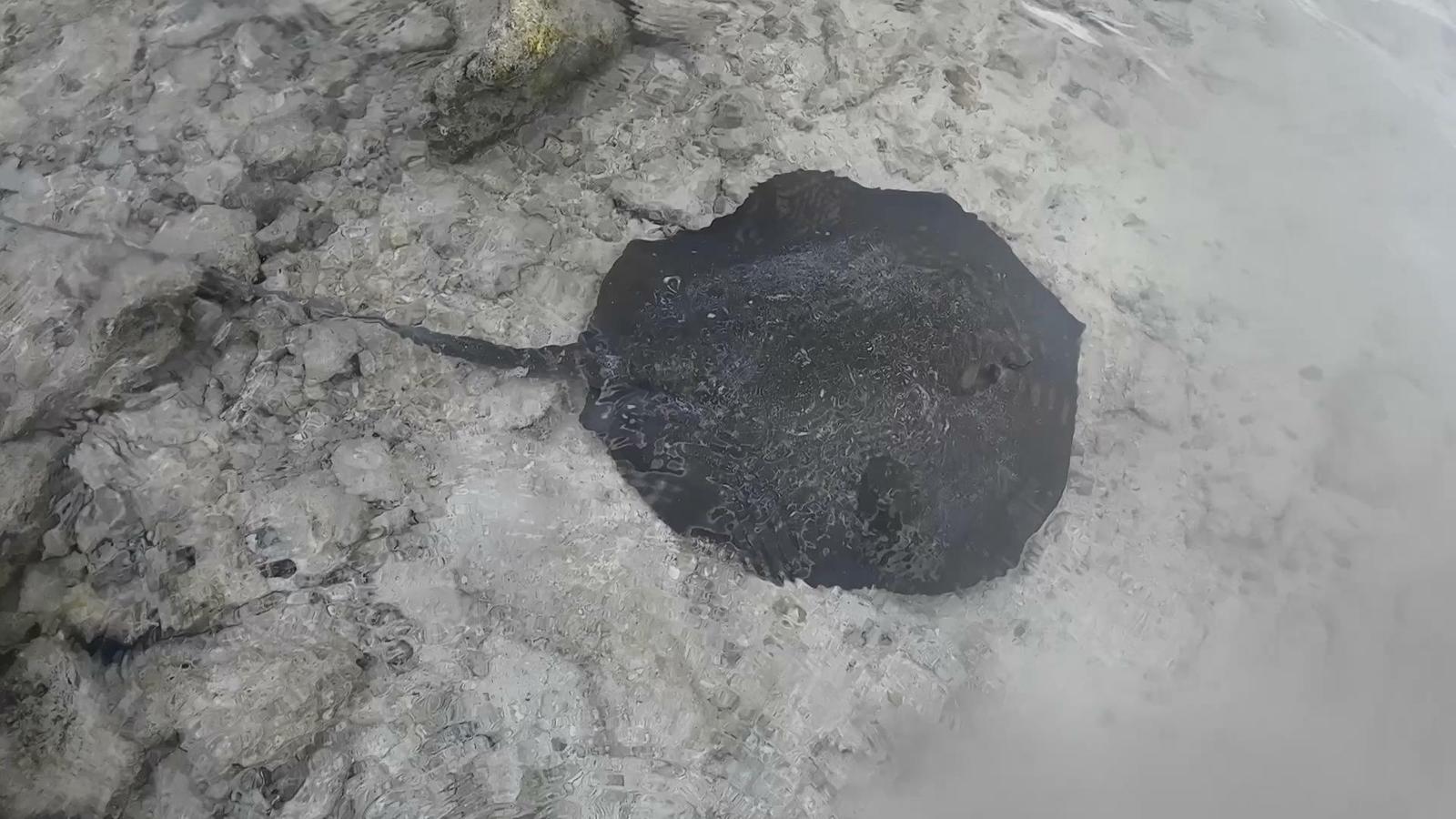
Neotrygon trigonoides, the Caledonian maskray, is a type of whiptail stingray found exclusively in Australia and New Caledonia.
Wikipedia - Out of season · From December·Near Threatened
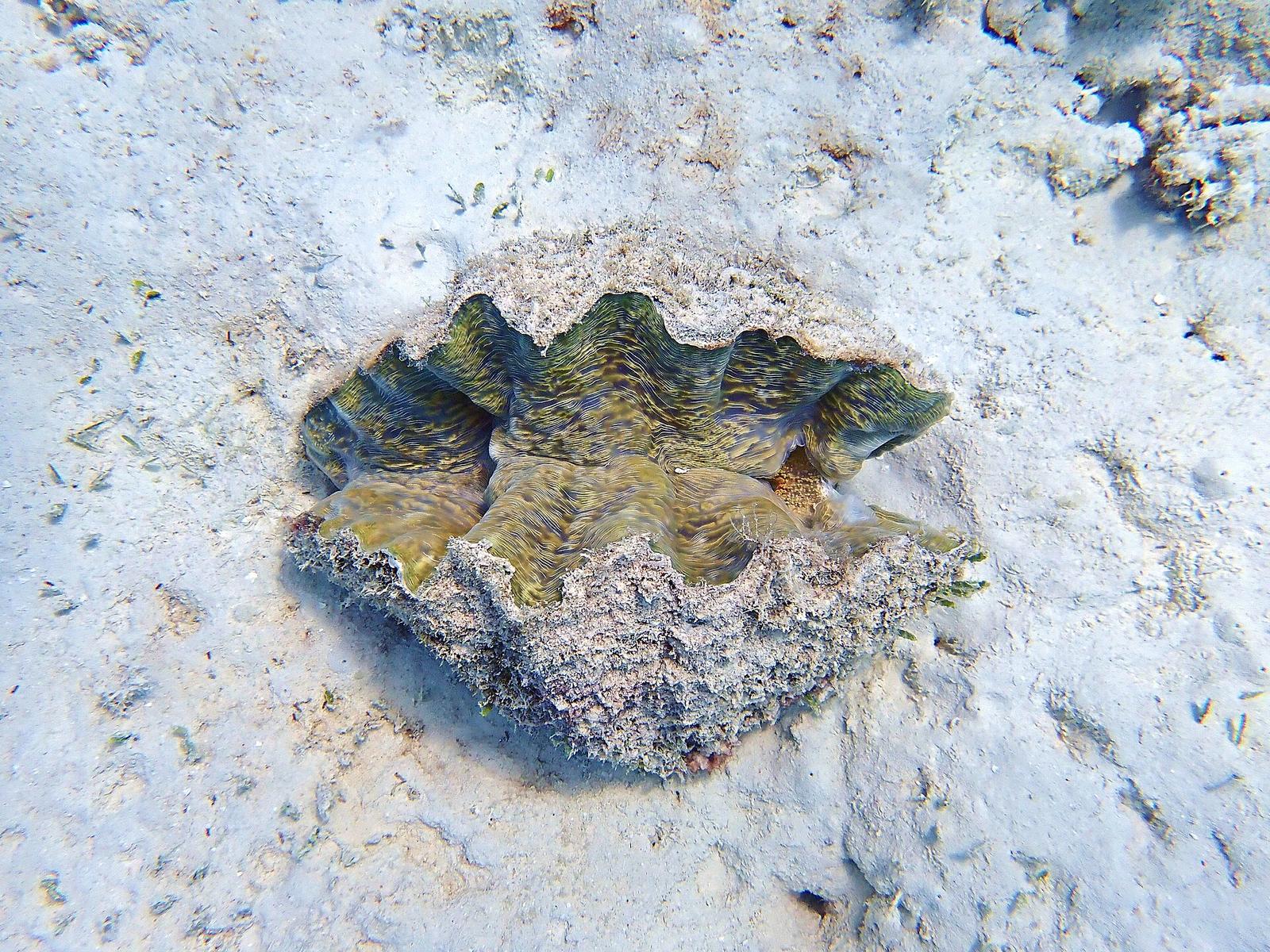
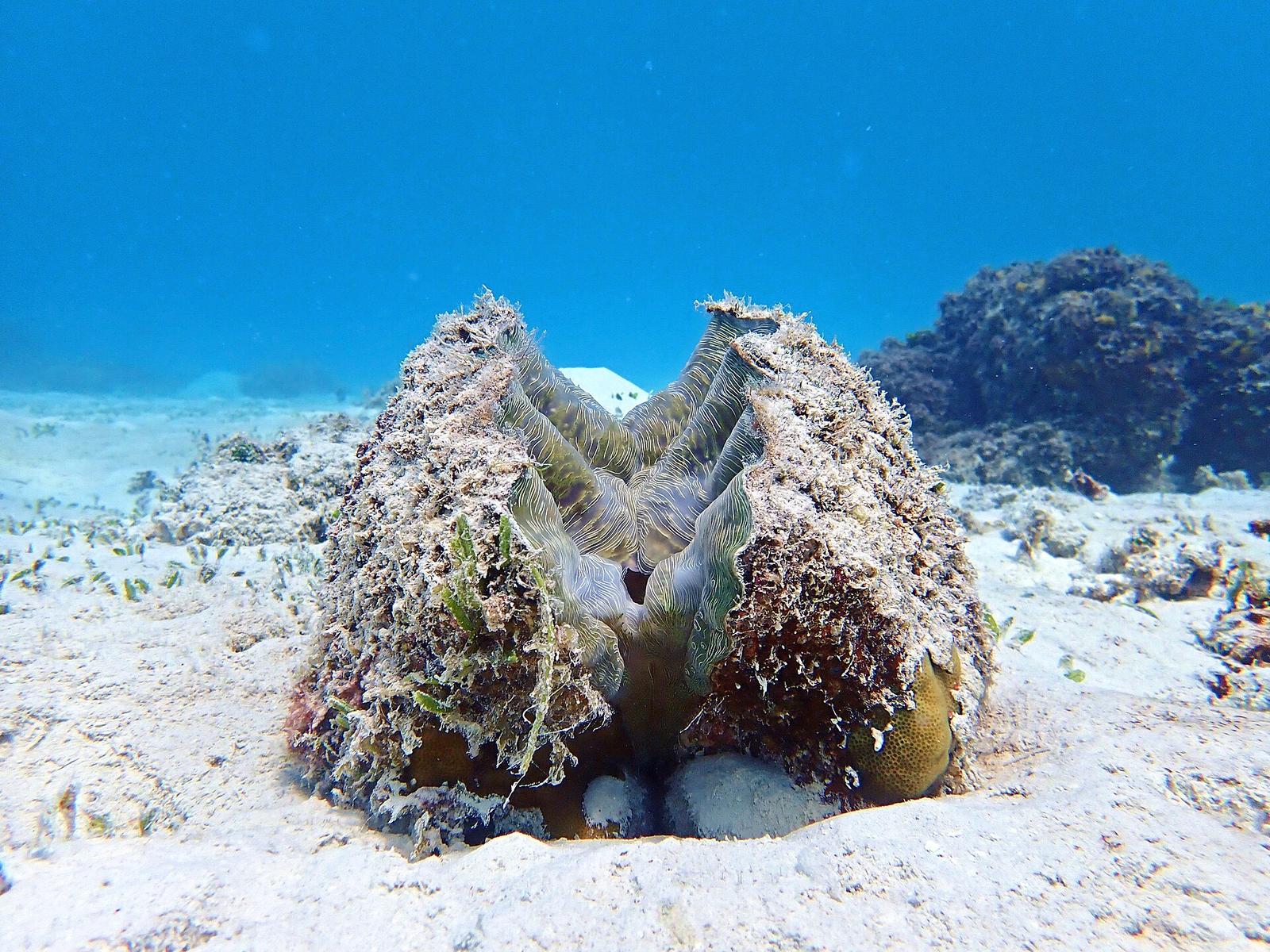
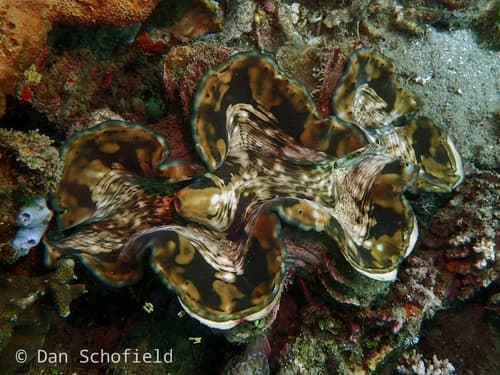
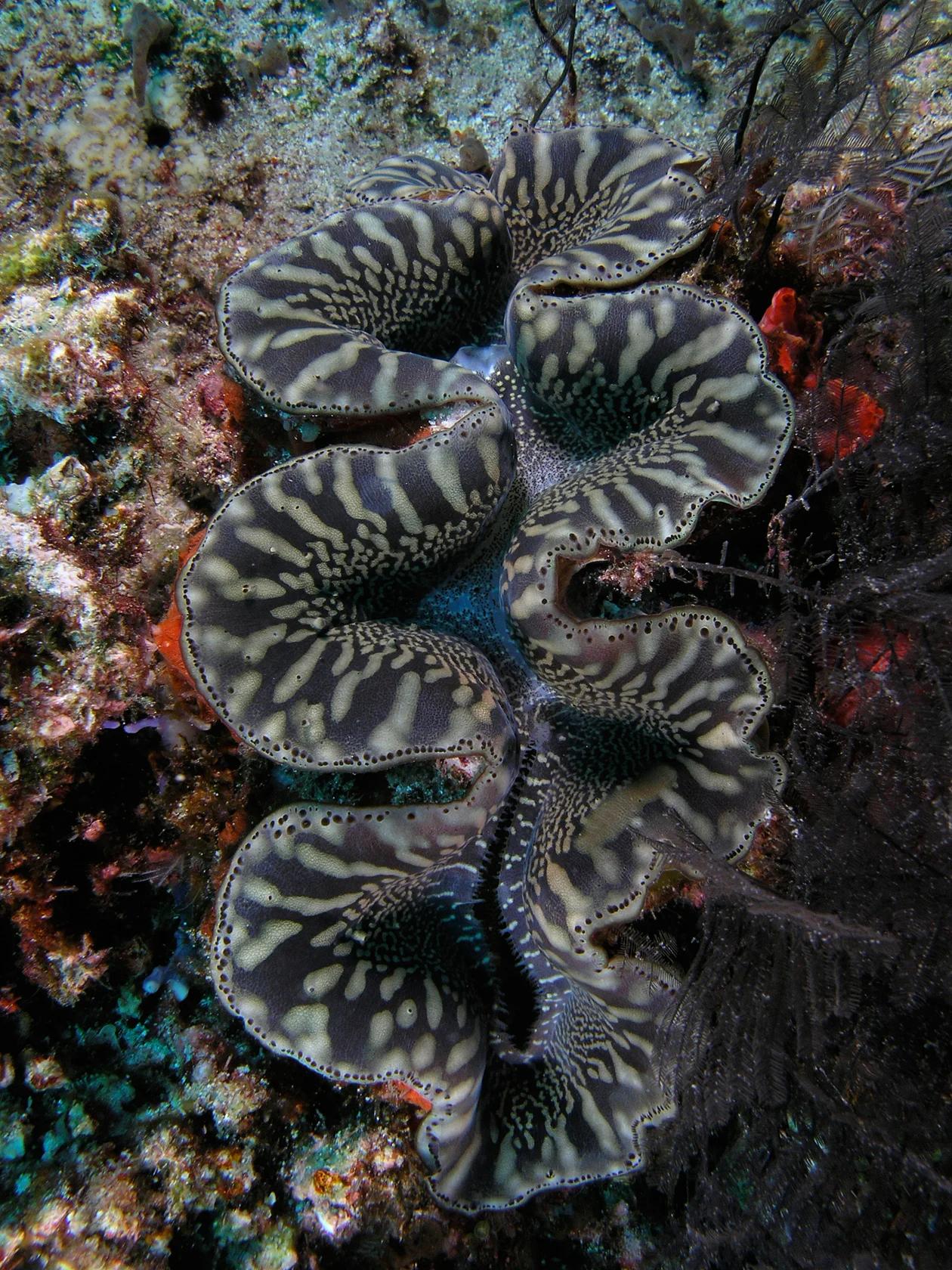
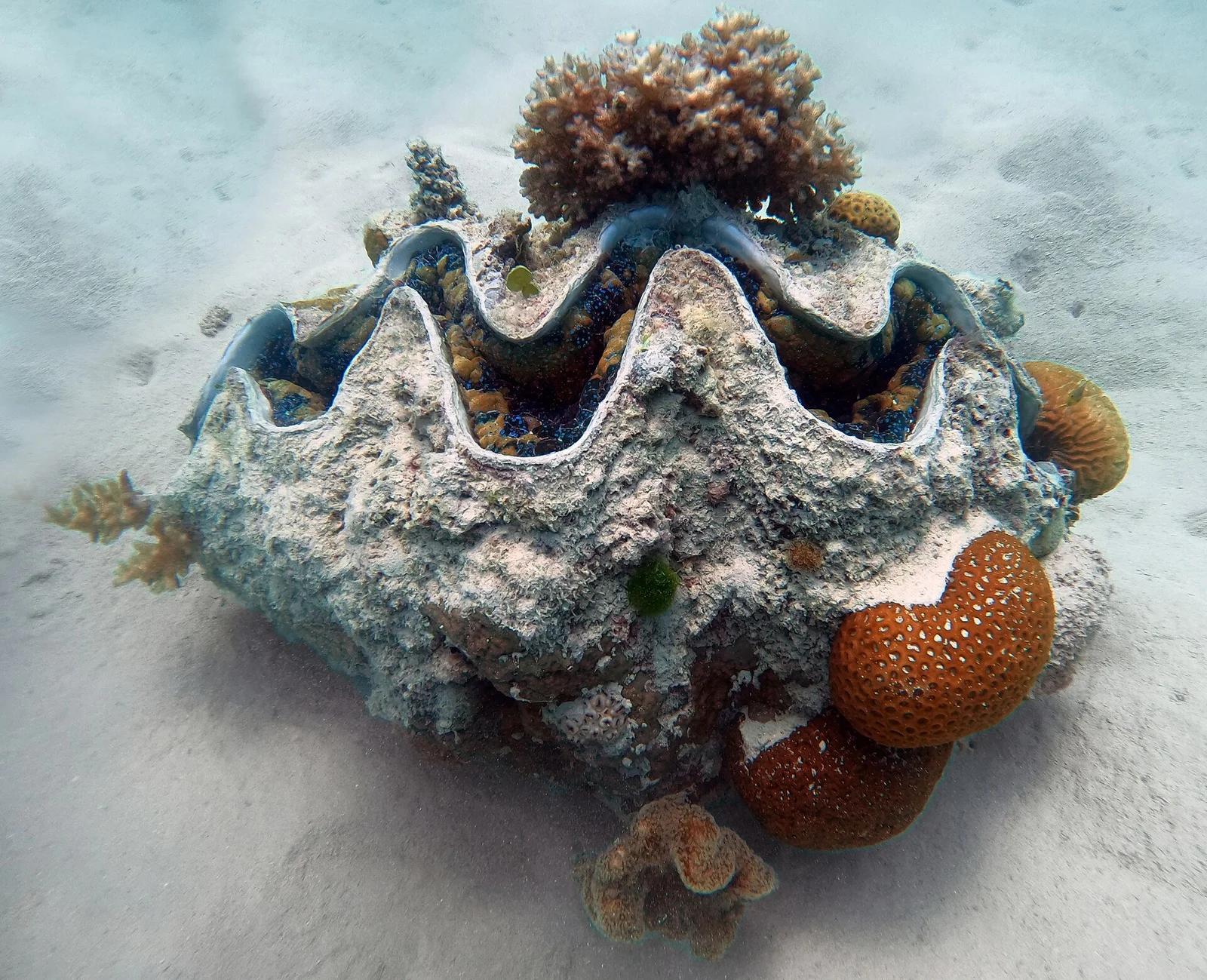
Tridacna squamosa, known commonly as the fluted giant clam and scaly clam, is one of a number of large clam species native to the shallow coral reefs of the South Pacific and Indian Oceans. It is distinguished by the large, leaf-like fluted edges on its shell called 'scutes' and a byssal opening that is small compared to those of other members of the family Tridacnidae. Normal coloration of the
Wikipedia - In season · Apr–Dec·Critically Endangered
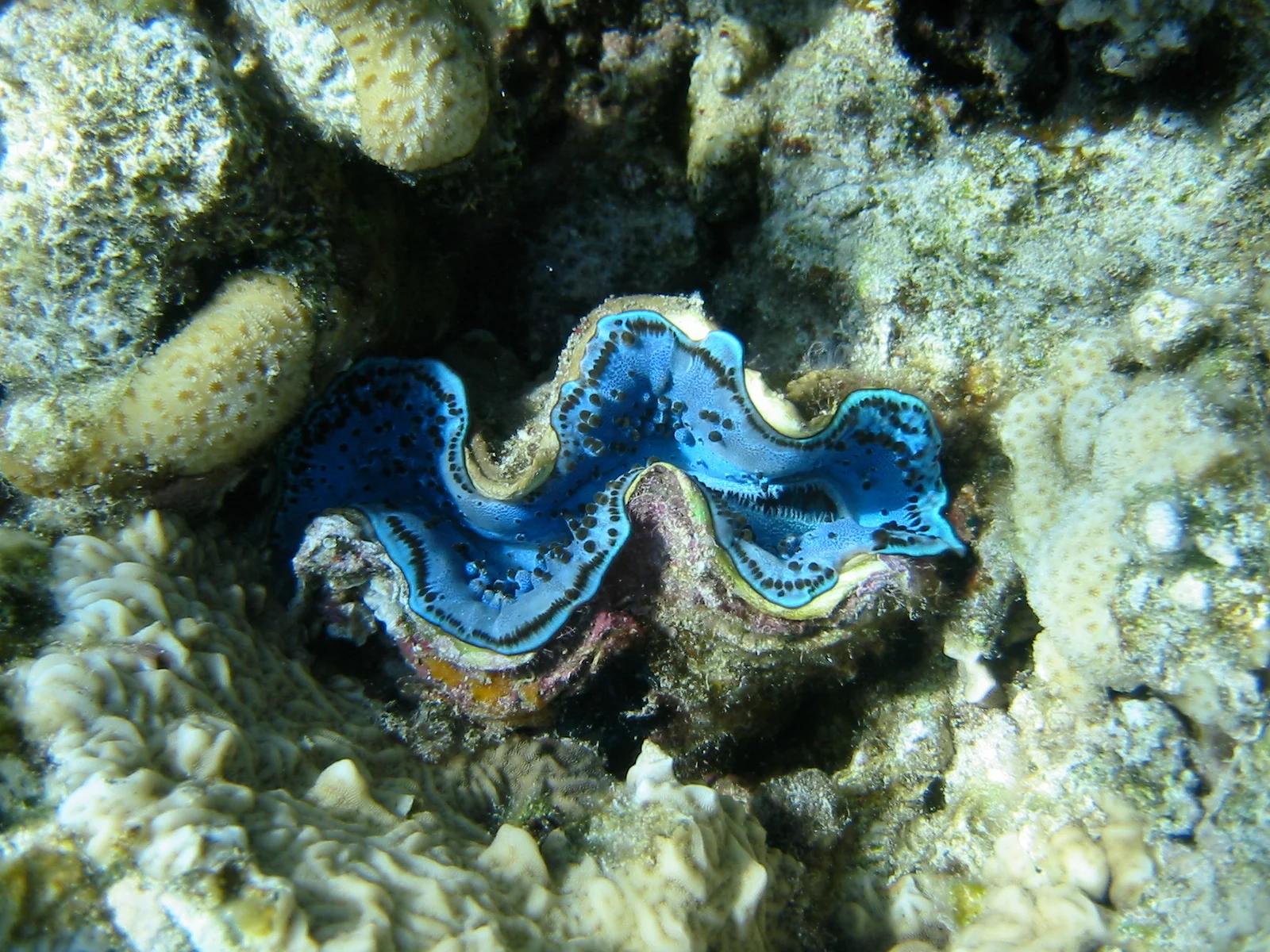
The giant clam (Tridacna gigas), known as pā’ua in Cook Islands Māori, is a clam that is the largest living bivalve mollusk.
Wikipedia - Out of season · From December
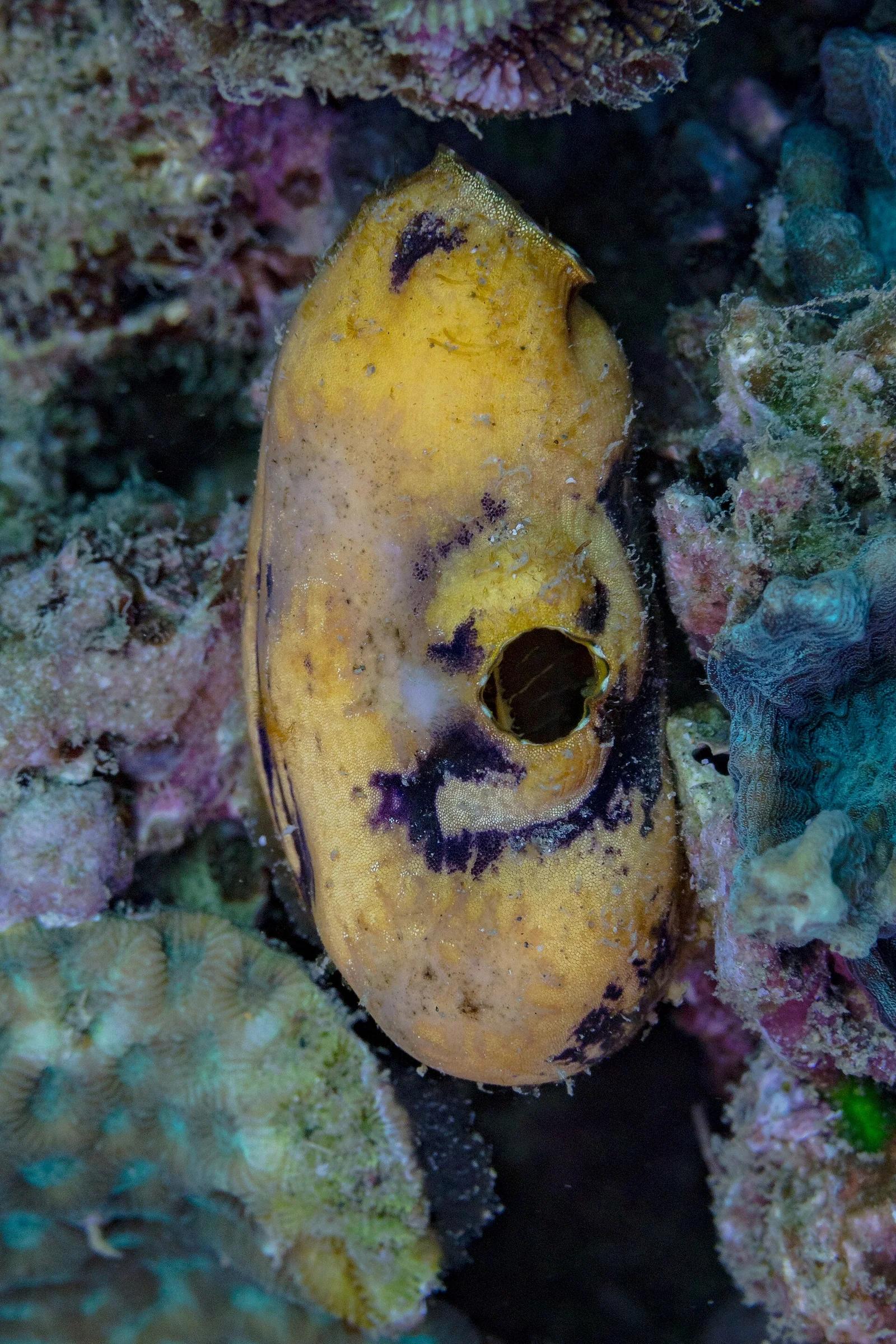
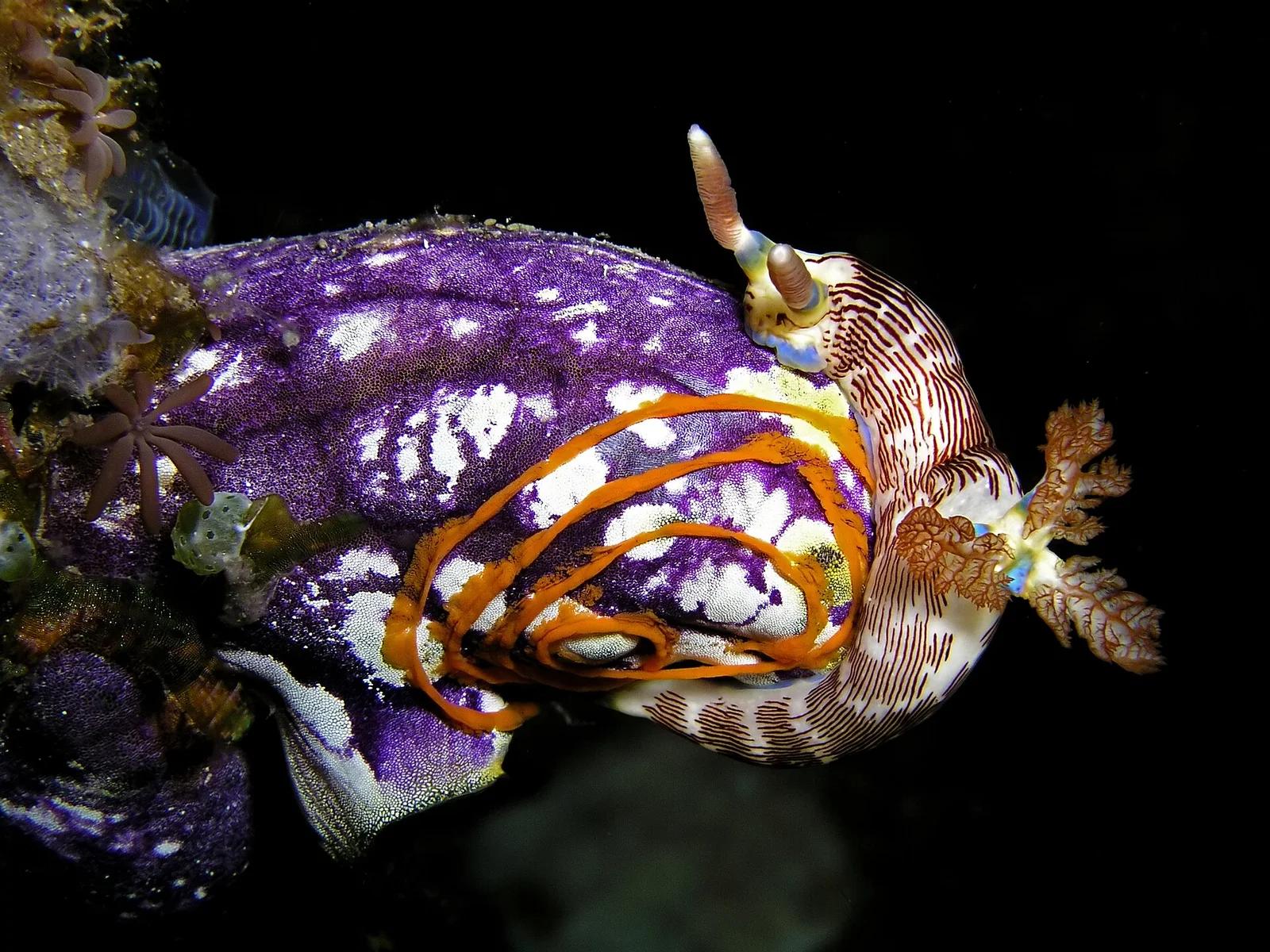
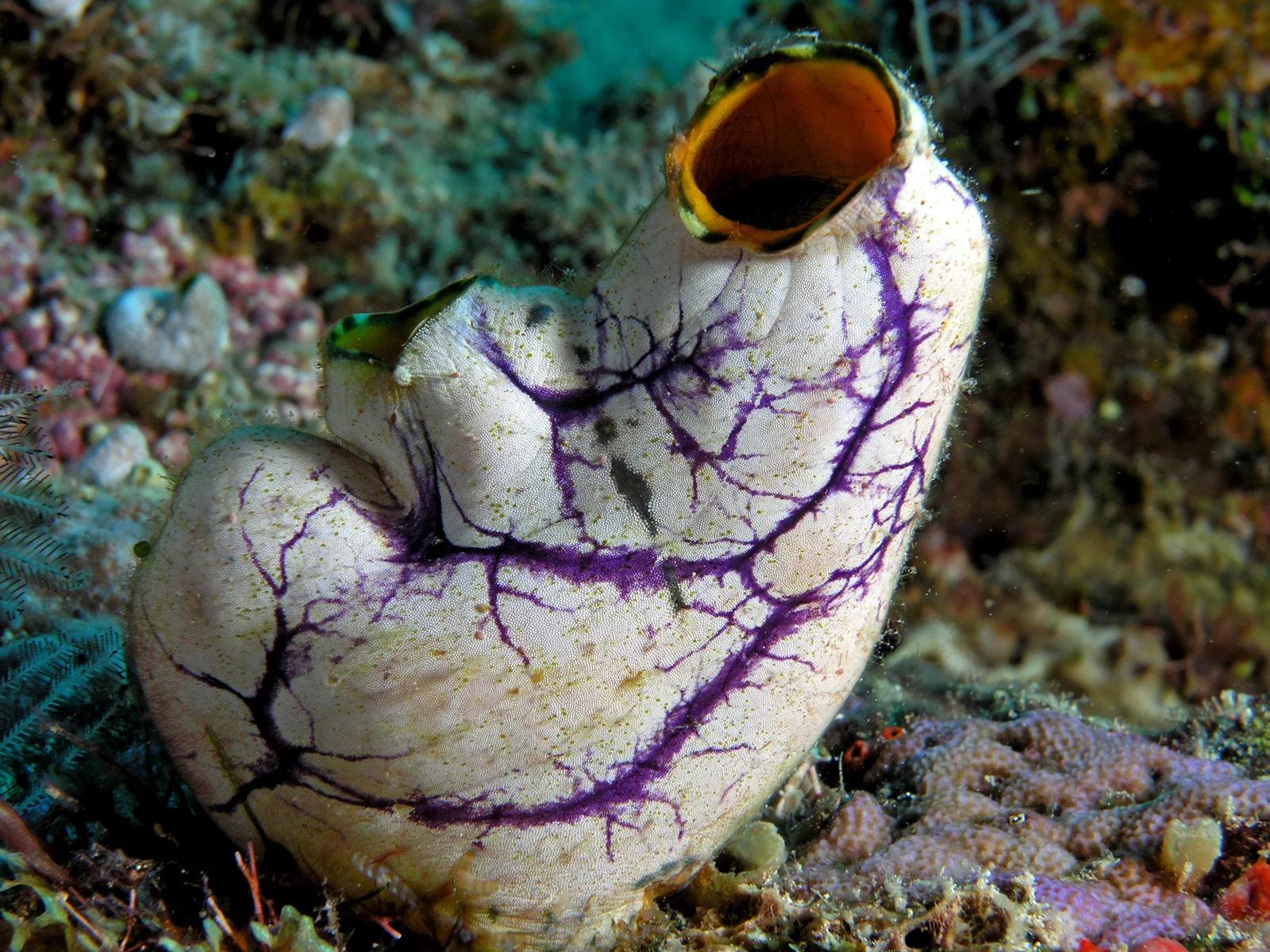
Polycarpa aurata, also known as the ox heart ascidian, the gold-mouth sea squirt or the ink-spot sea squirt, is a species of tunicate in the family Styelidae.
Wikipedia - Out of season · Best Apr–May, Aug, Oct·Least Concern
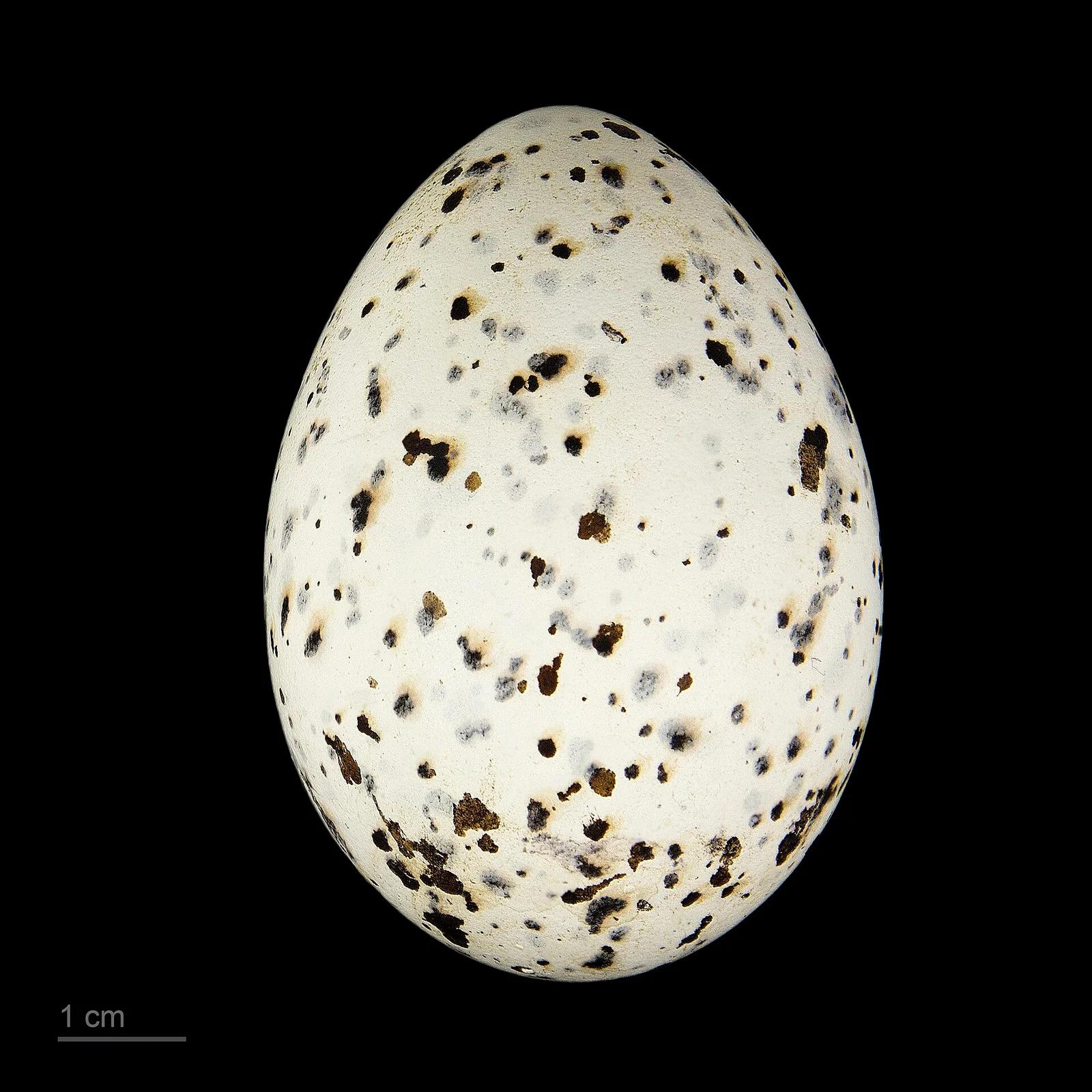
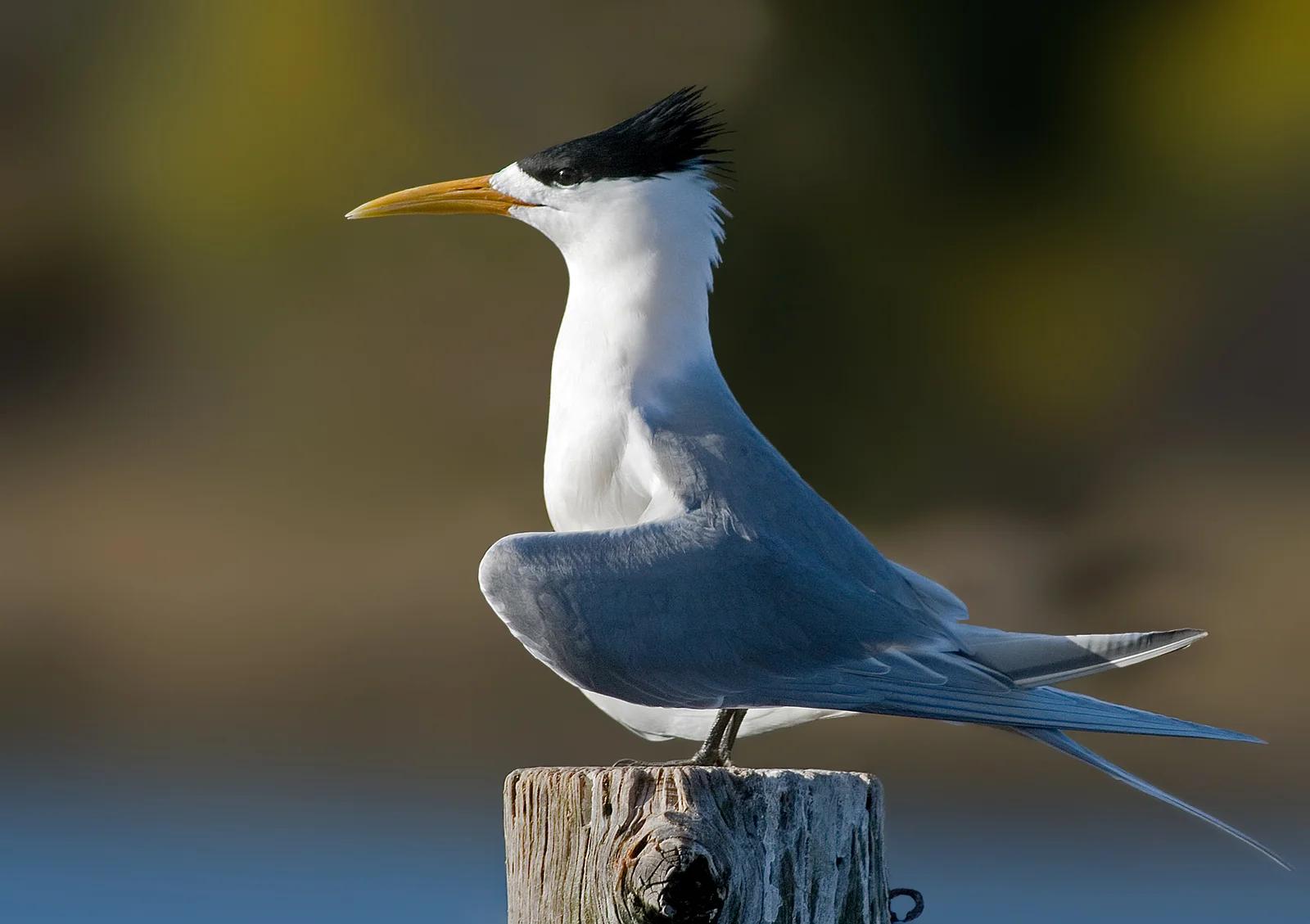
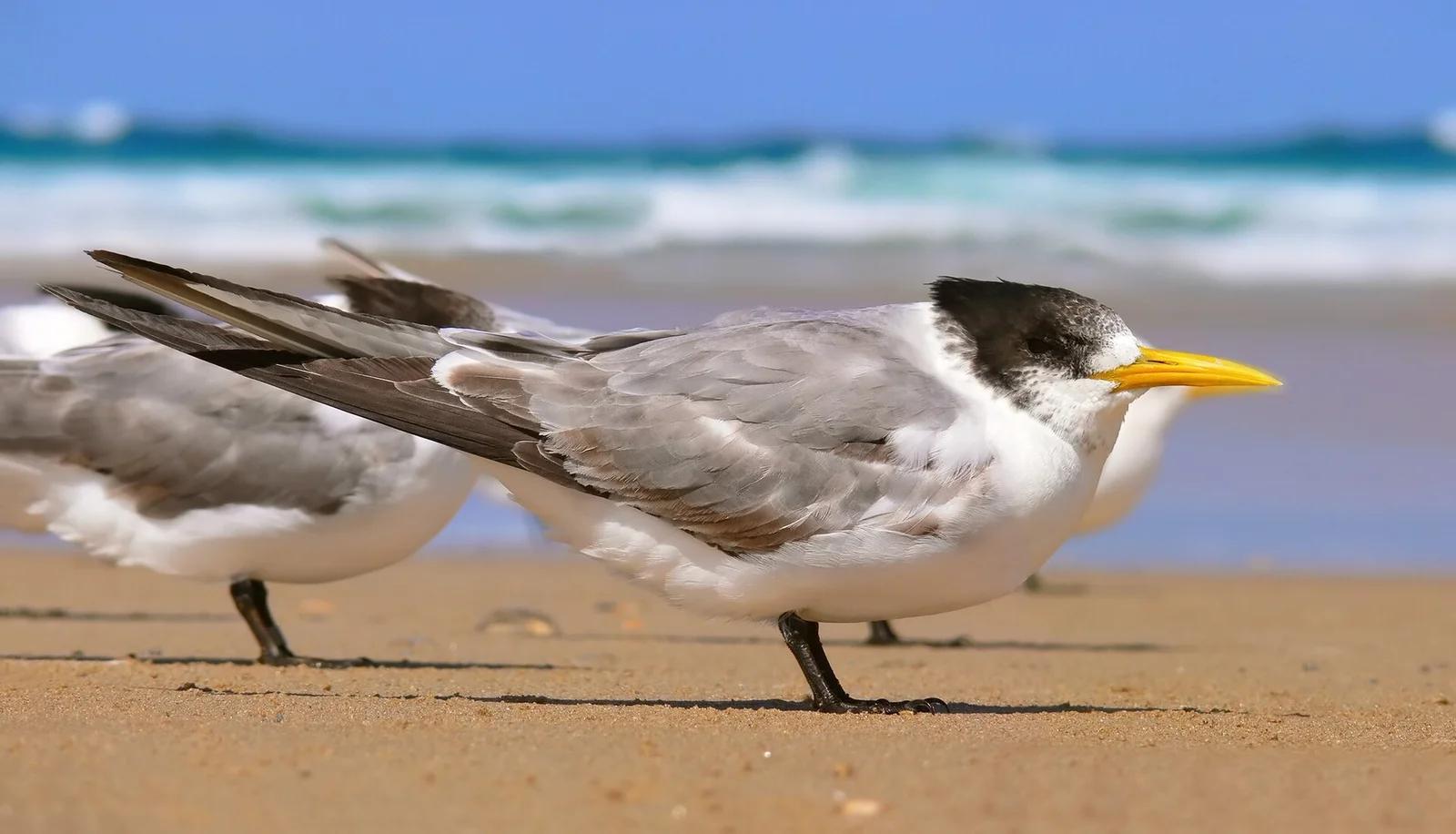
The greater crested tern (Thalasseus bergii), also called crested tern or swift tern, is a tern in the family Laridae that nests in dense colonies on coastlines and islands in the tropical and subtropical Old World. Its five subspecies breed in the area from South Africa around the Indian Ocean to the central Pacific and Australia, all populations dispersing widely from the breeding range after
Wikipedia


Area outline: © Commonwealth of Australia (Department of the Environment) 2013, CC BY 3.0 AU · Licence