Wildlife in South America
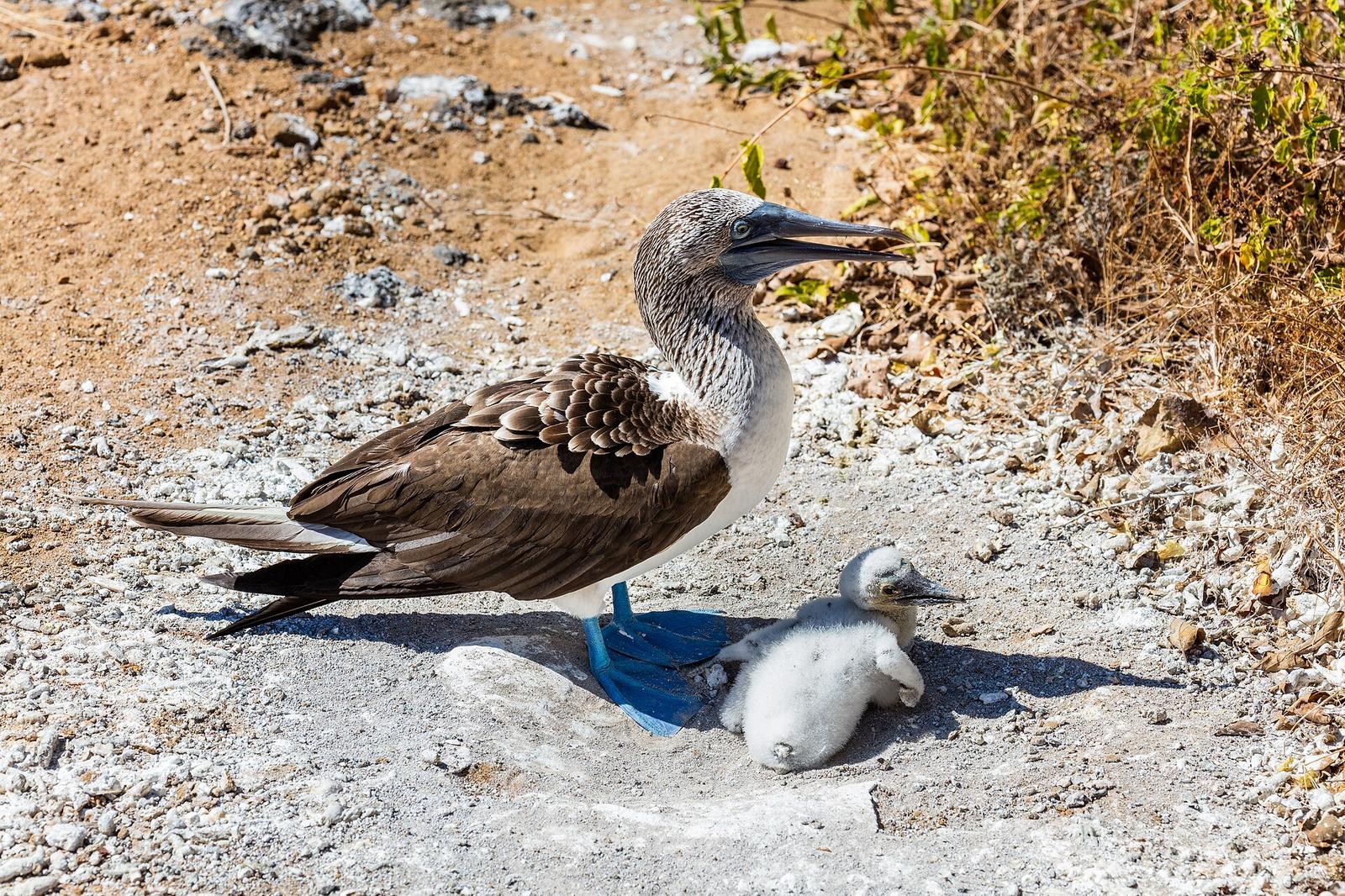
 Christoph Moning · CC BY · iNaturalist
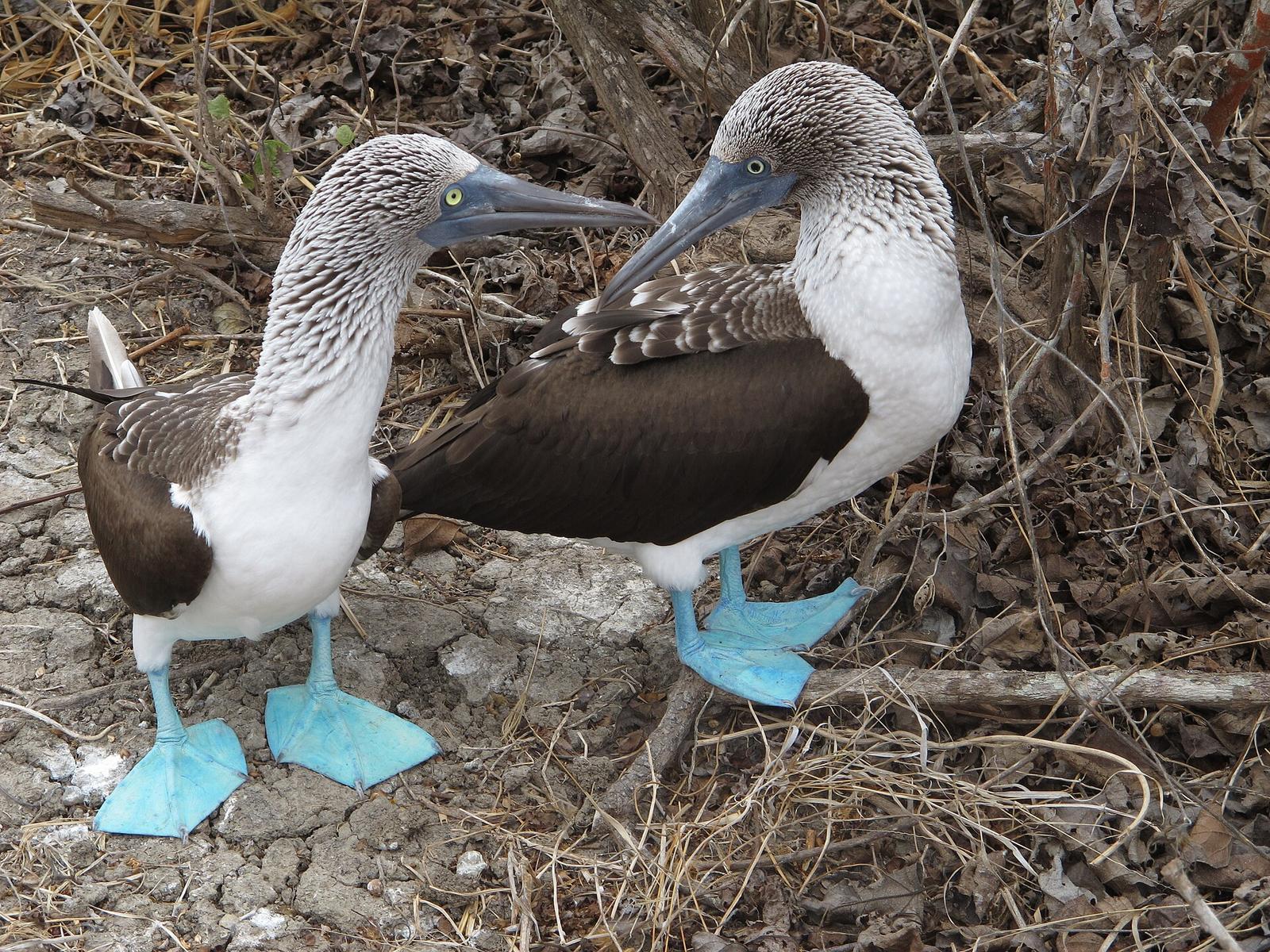
 Barry Peters · CC BY · Wikimedia Commons
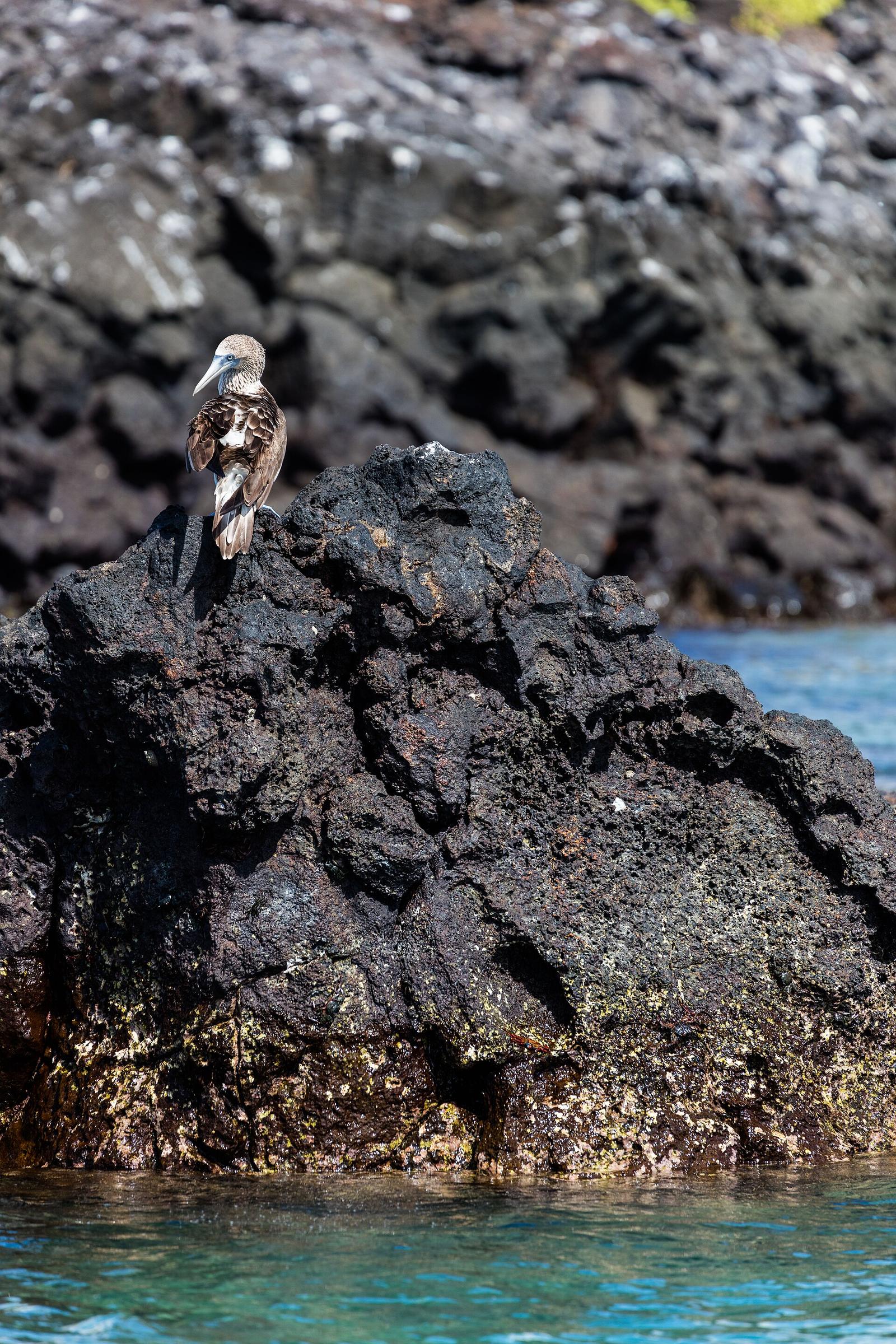
 Kris-Mikael Krister · CC BY · Wikimedia Commons
- Least Concern
The blue-footed booby (Sula nebouxii) is a marine bird native to subtropical and tropical regions of the eastern Pacific Ocean. It is one of six species of the genus Sula – known as boobies. It is easily recognizable by its distinctive bright blue feet, which is a sexually selected trait. Males display their feet in an elaborate mating ritual by lifting them up and down while strutting before th
Wikipedia - Least Concern
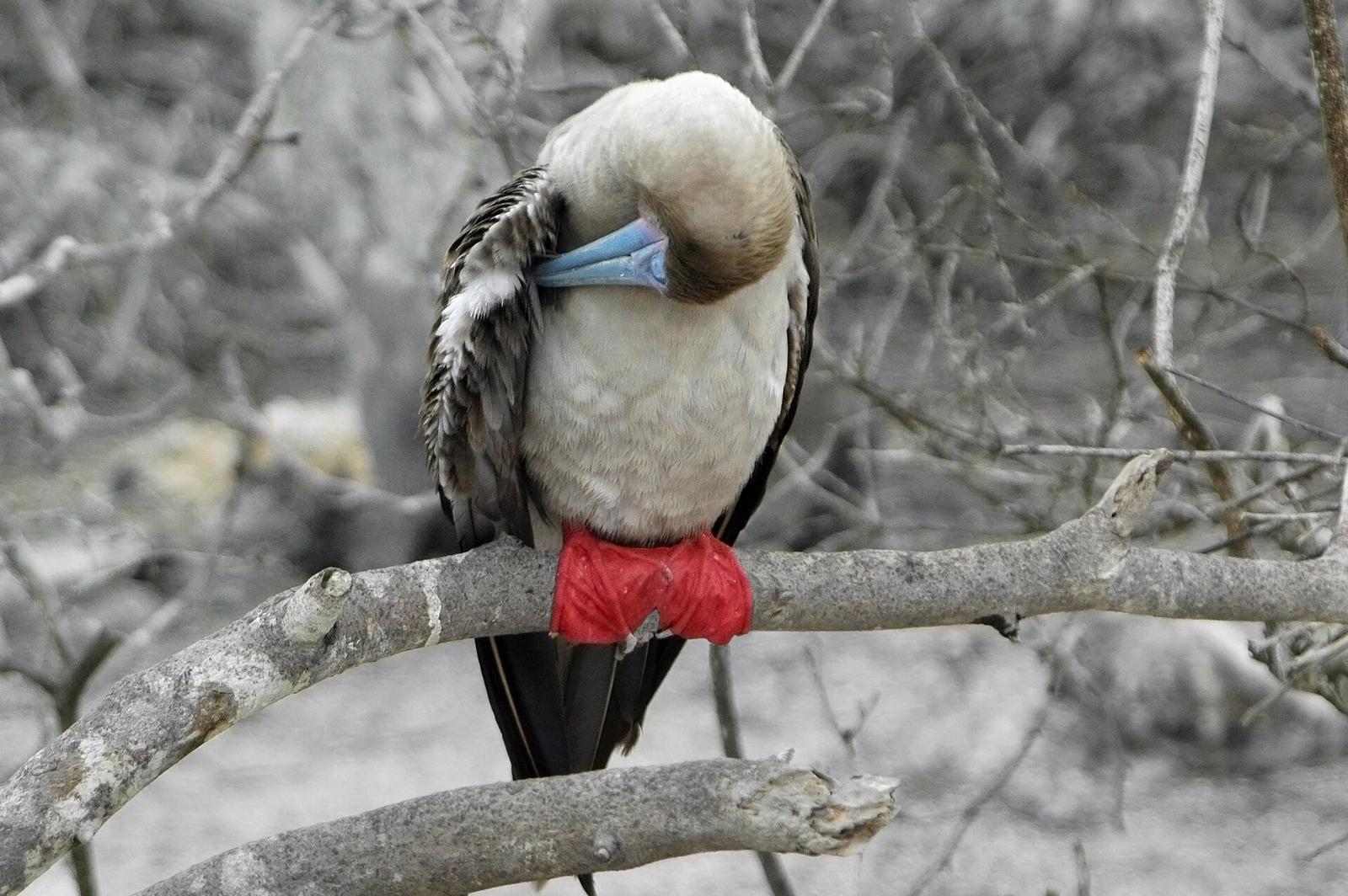
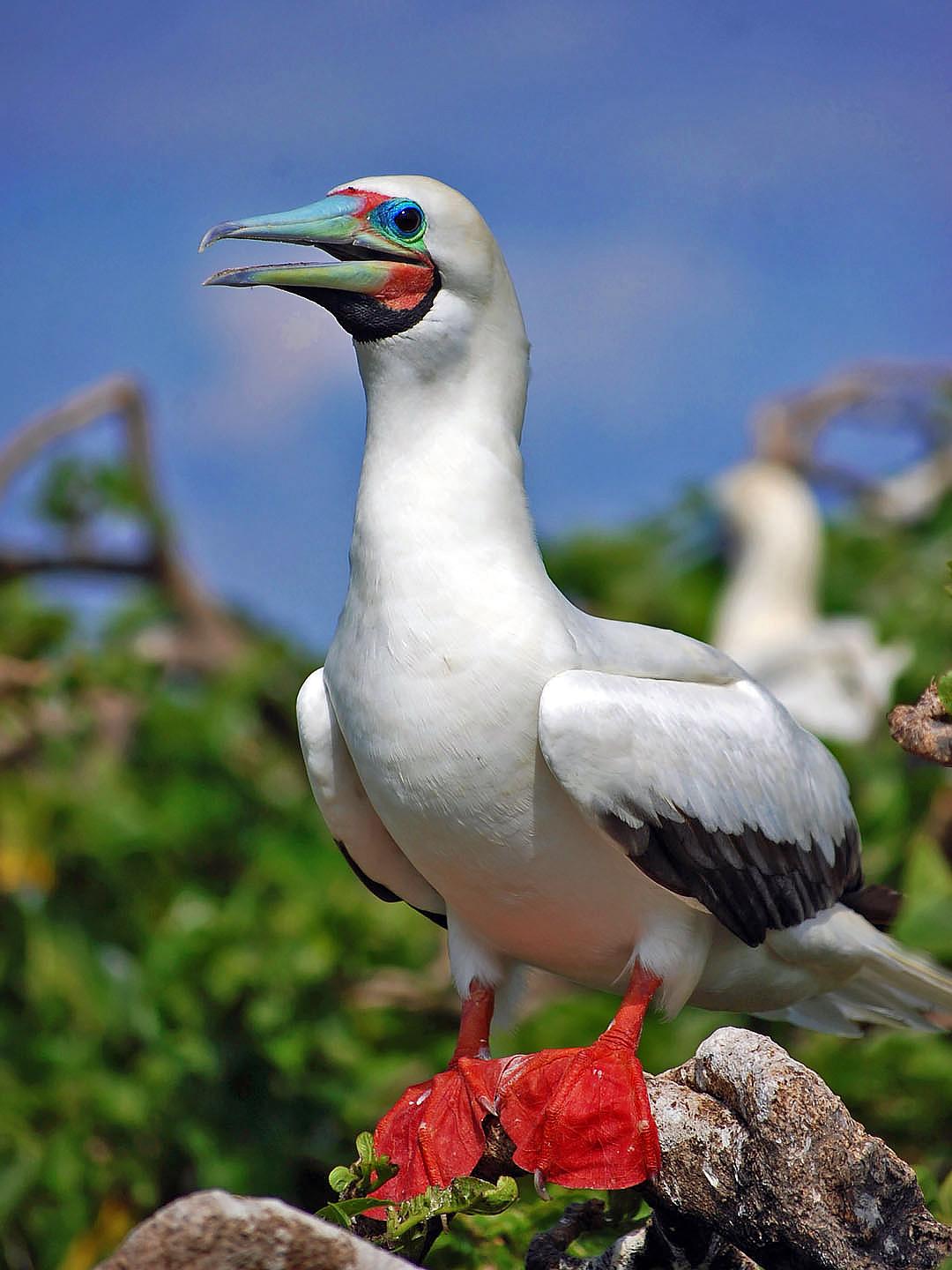
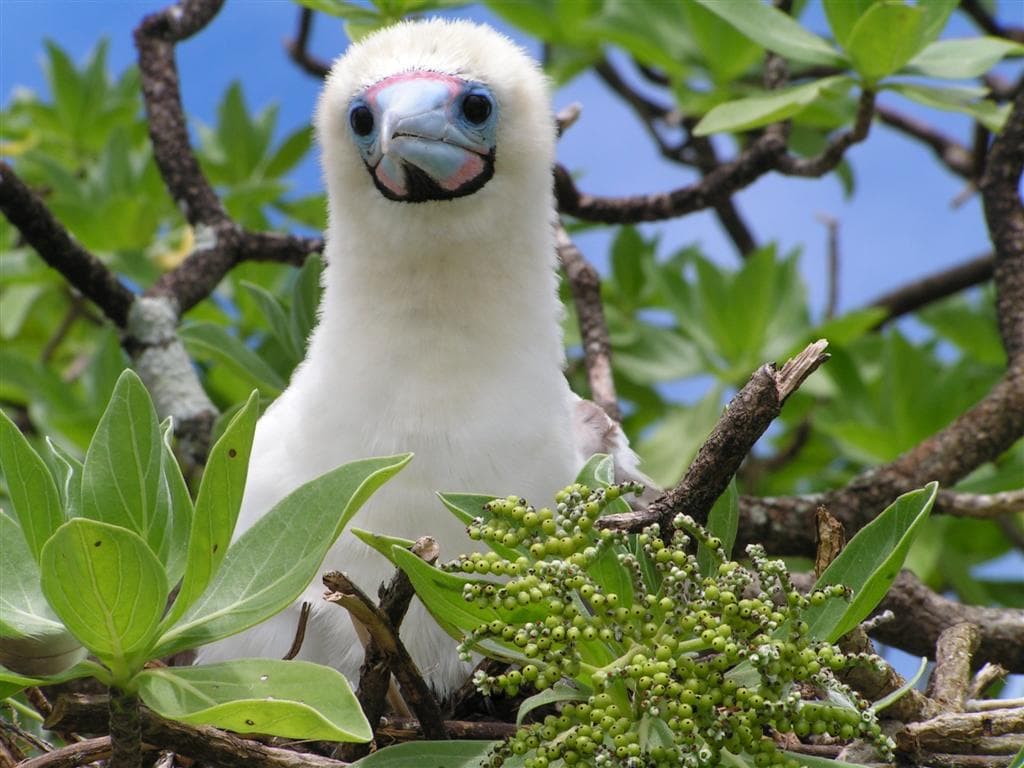
The red-footed booby (Sula sula) is a large seabird of the booby family, Sulidae. As suggested by the name, adults always have red feet, but the colour of the plumage varies. They are powerful and agile fliers, but they are clumsy in takeoffs and landings. They are found widely in the tropics, and breed colonially in coastal regions, especially islands.
Wikipedia - Least Concern
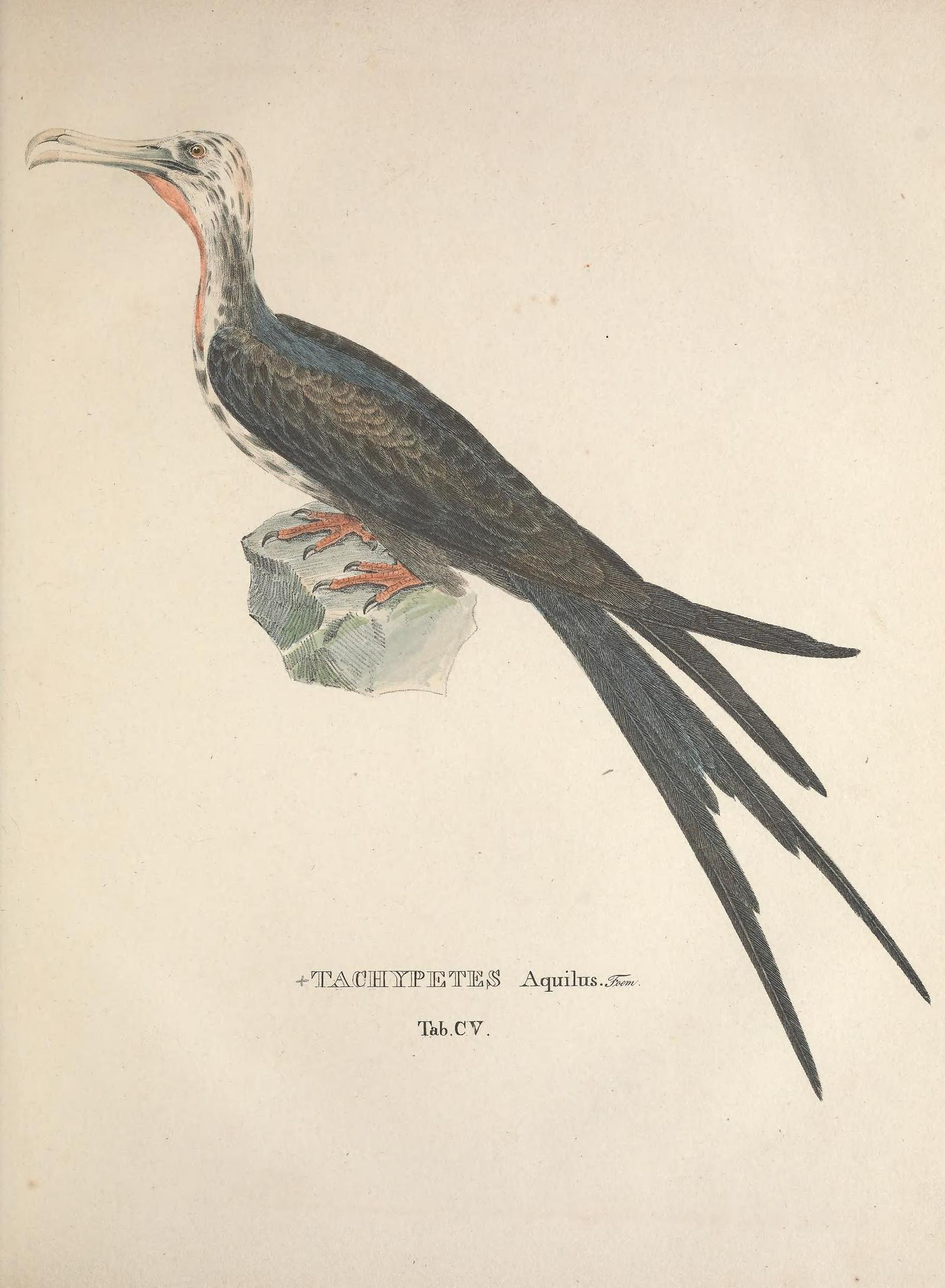
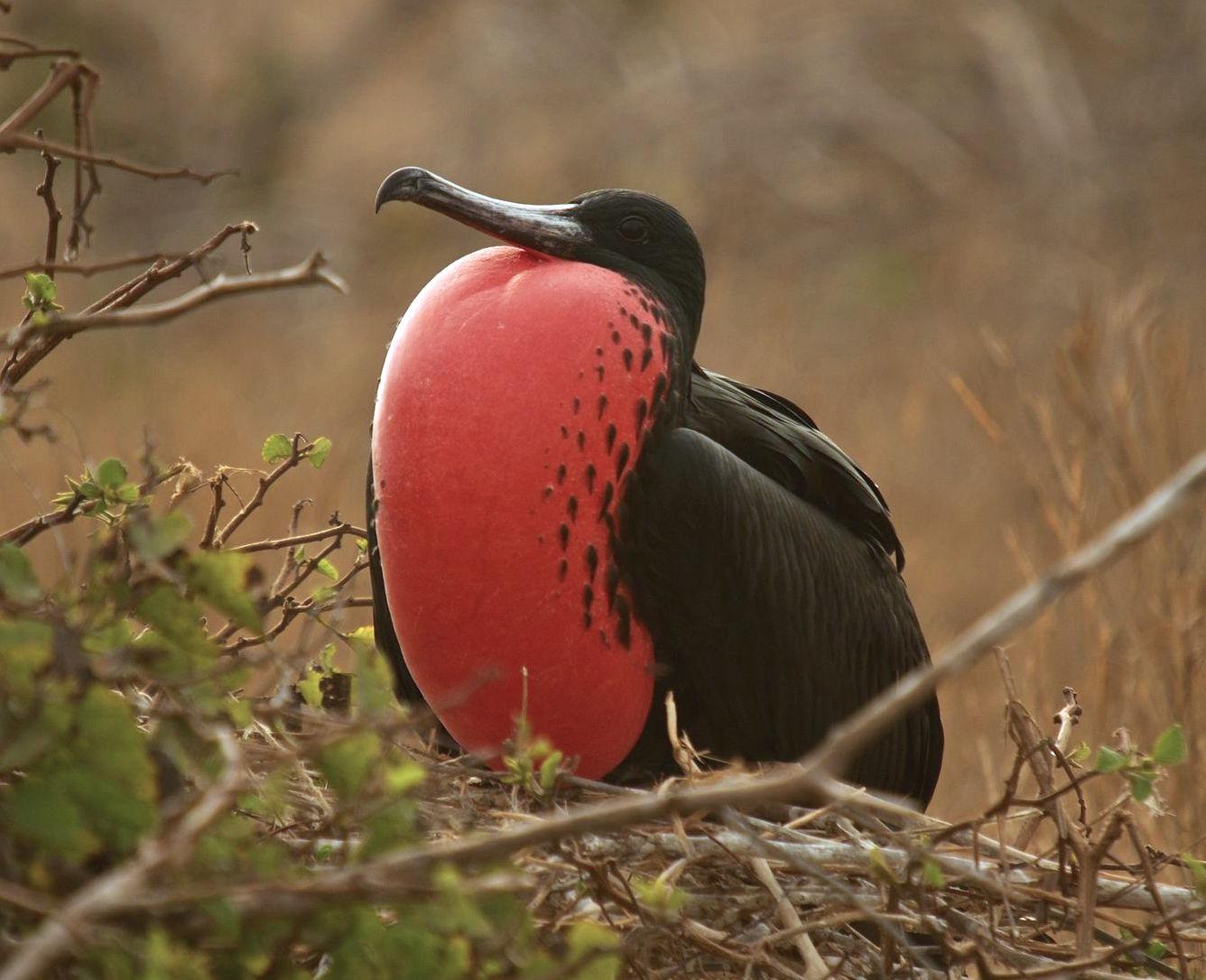
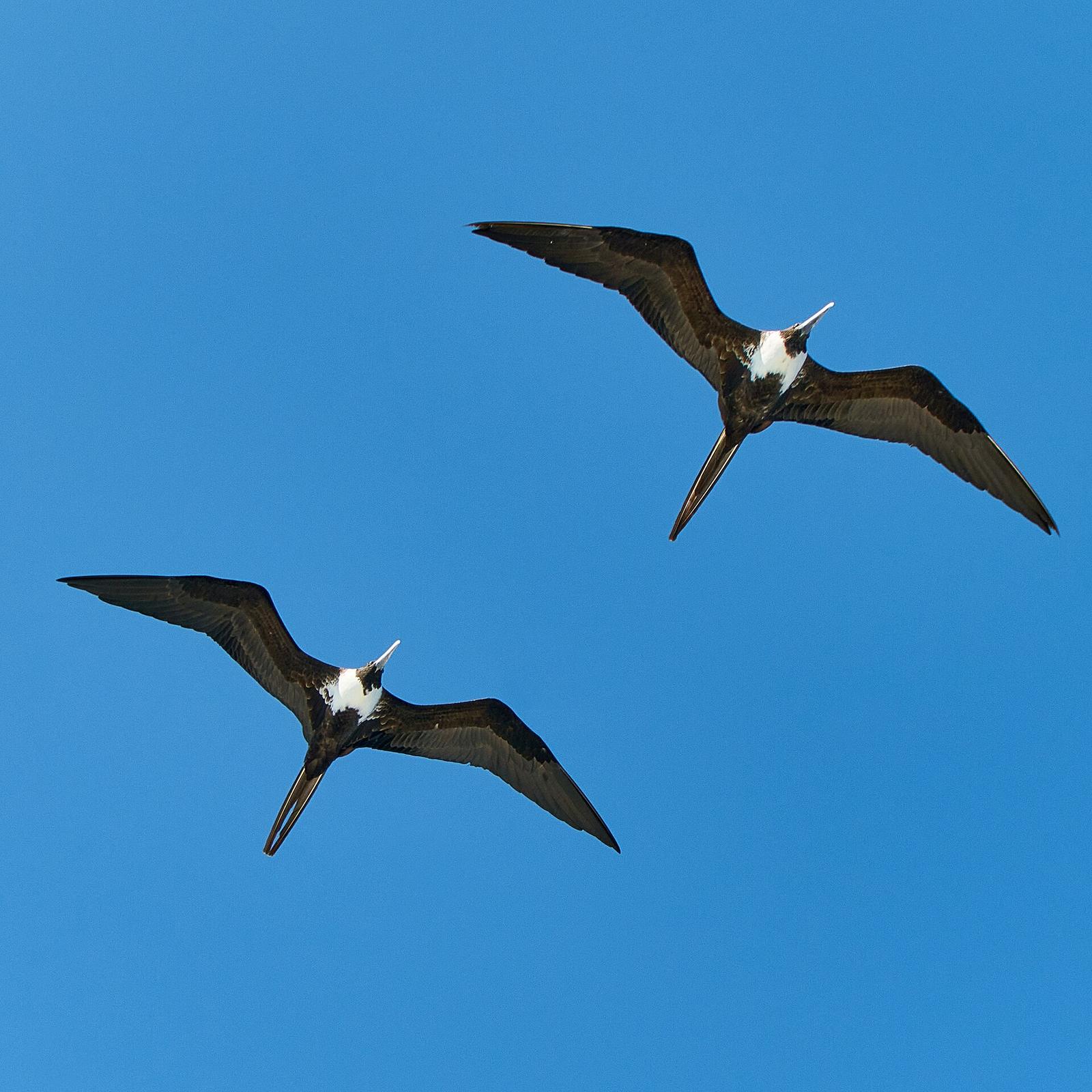
The great frigatebird (Fregata minor) is a large seabird in the frigatebird family. Major nesting populations are found in the Pacific (including the Galapagos Islands) and Indian Oceans, as well as a population in the South Atlantic.
Wikipedia - Least Concern
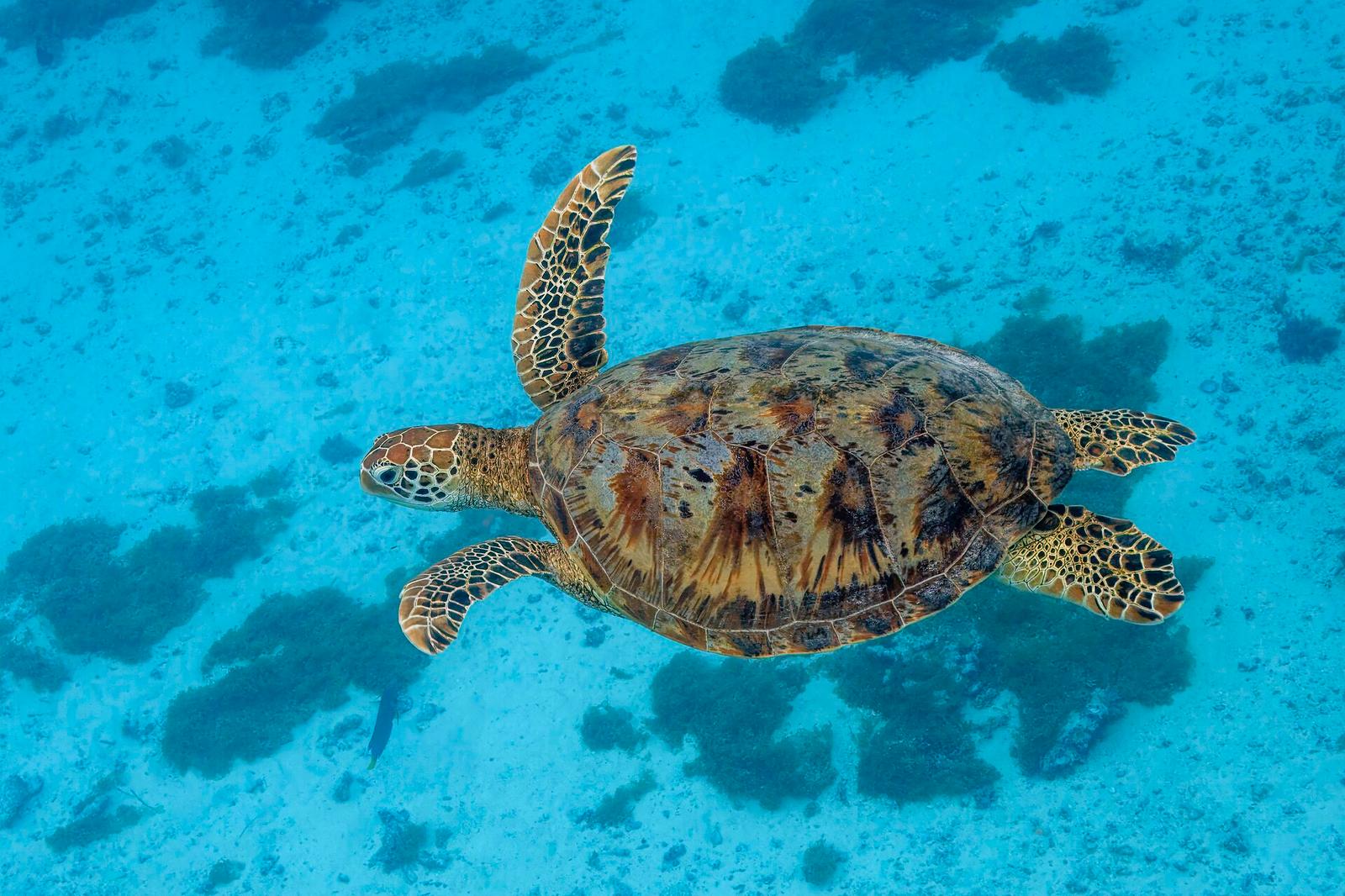
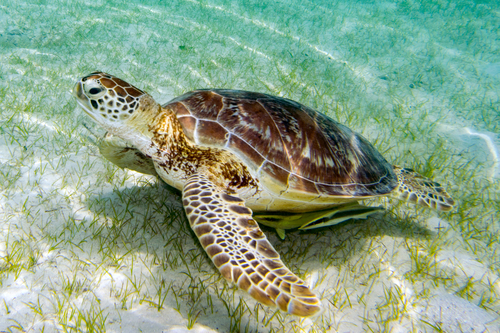
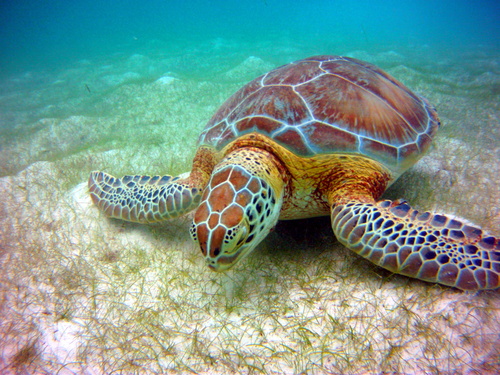
The green sea turtle (Chelonia mydas), also known as the green turtle, black (sea) turtle or Pacific green turtle, is a large sea turtle of the family Cheloniidae. It is the only species in the genus Chelonia. Its range extends throughout tropical and subtropical seas around the world, with two distinct populations in the Atlantic and Pacific Oceans, but it is also found in the Indian Ocean.
Wikipedia - Critically Endangered
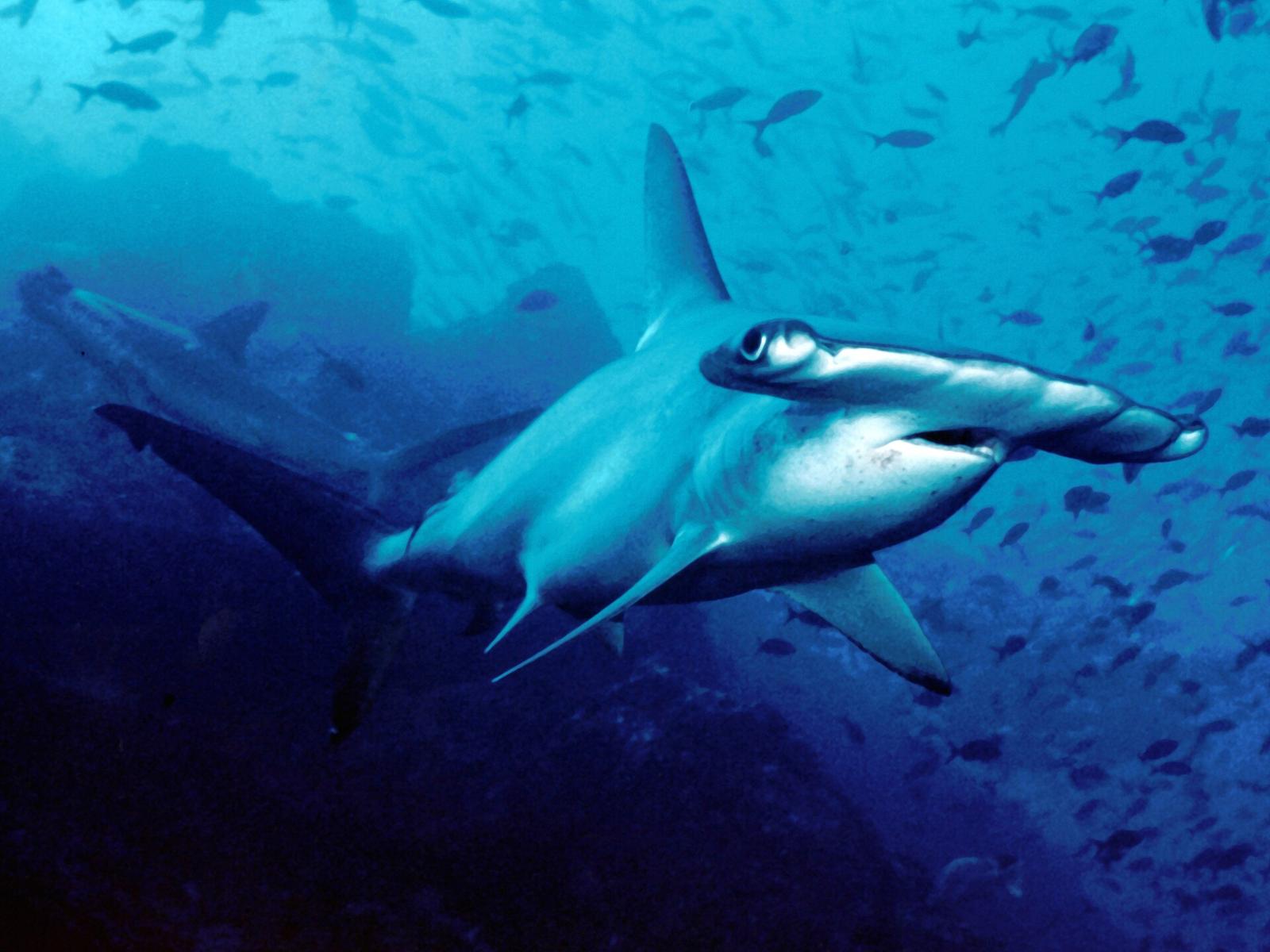
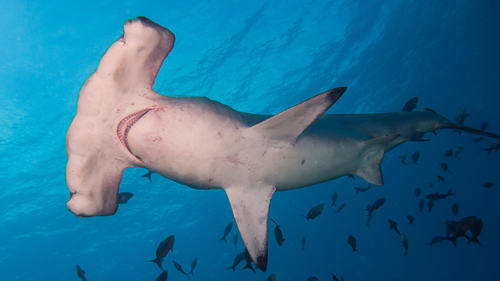
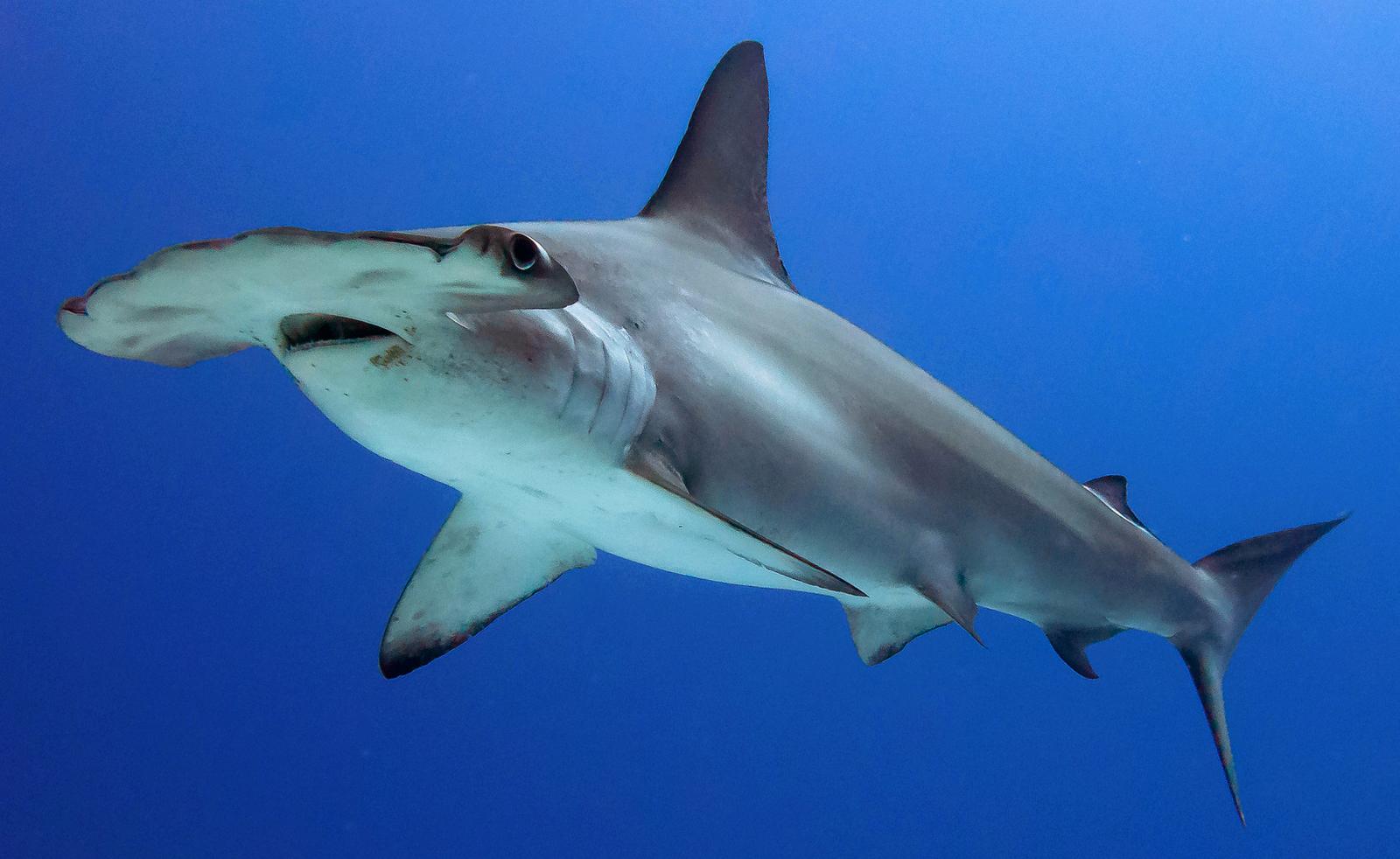
The scalloped hammerhead (Sphyrna lewini) is a species of hammerhead shark, and part of the family Sphyrnidae. Originally known as Zygaena lewini, its genus name was later changed to its current name. The Greek word sphyrna translates into "hammer" in English, referring to the shape of this shark's head. The most distinguishing characteristic of this shark, as in all hammerheads, is the 'hammer
Wikipedia - Vulnerable
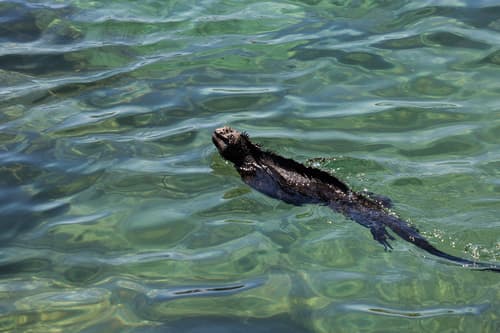
The marine iguana (Amblyrhynchus cristatus), also known as the Galápagos marine iguana, is a species of iguana found only on the Galápagos Islands (Ecuador) that has the ability, unique among modern lizards, to forage in the sea, making it a marine reptile. This iguana feeds almost exclusively on algae and large males dive to find this food source, while females and smaller males feed during lo
Wikipedia - Least Concern
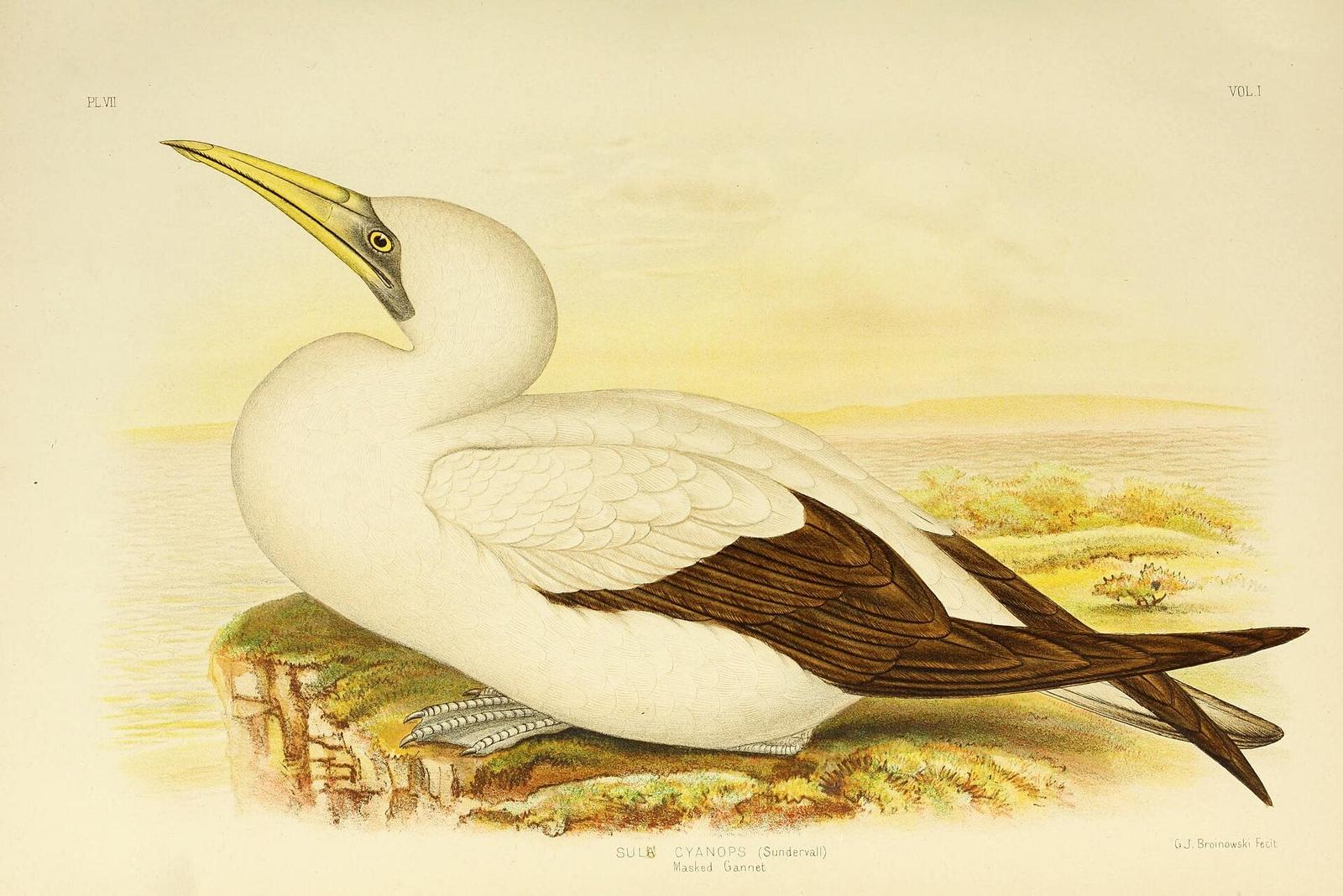
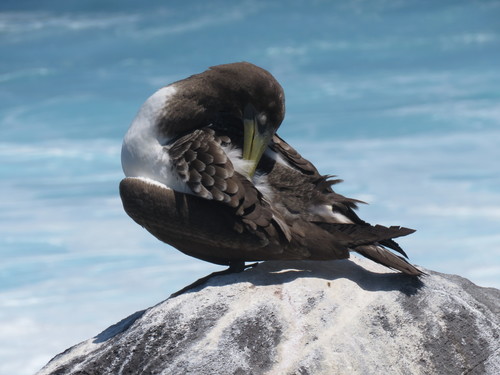
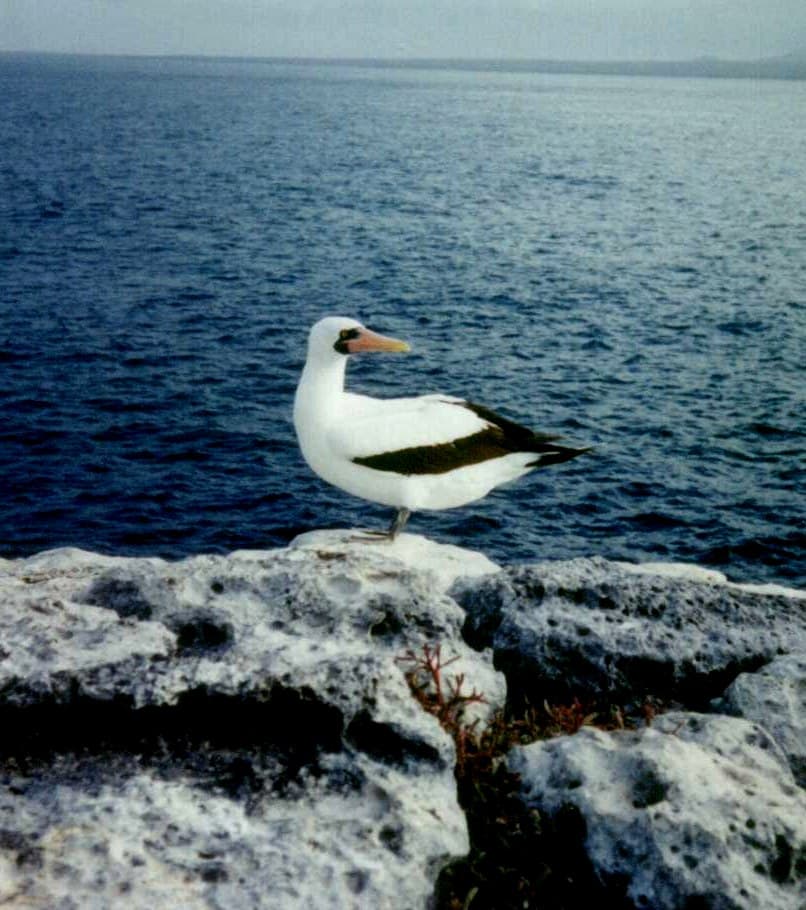
The Nazca booby (Sula granti) is a colonial seabird in the family Sulidae, native to the eastern Pacific.
Wikipedia - Least Concern
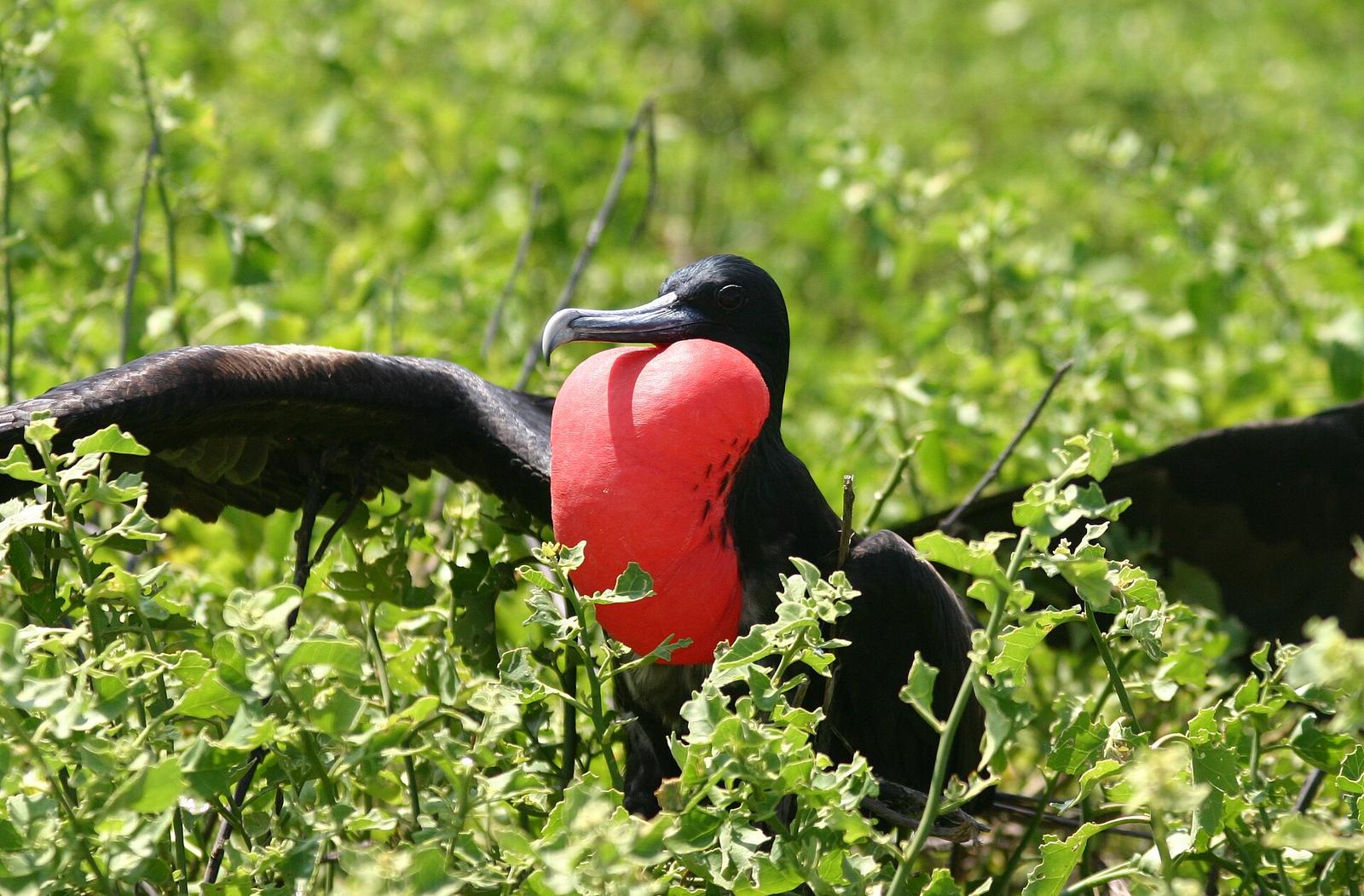
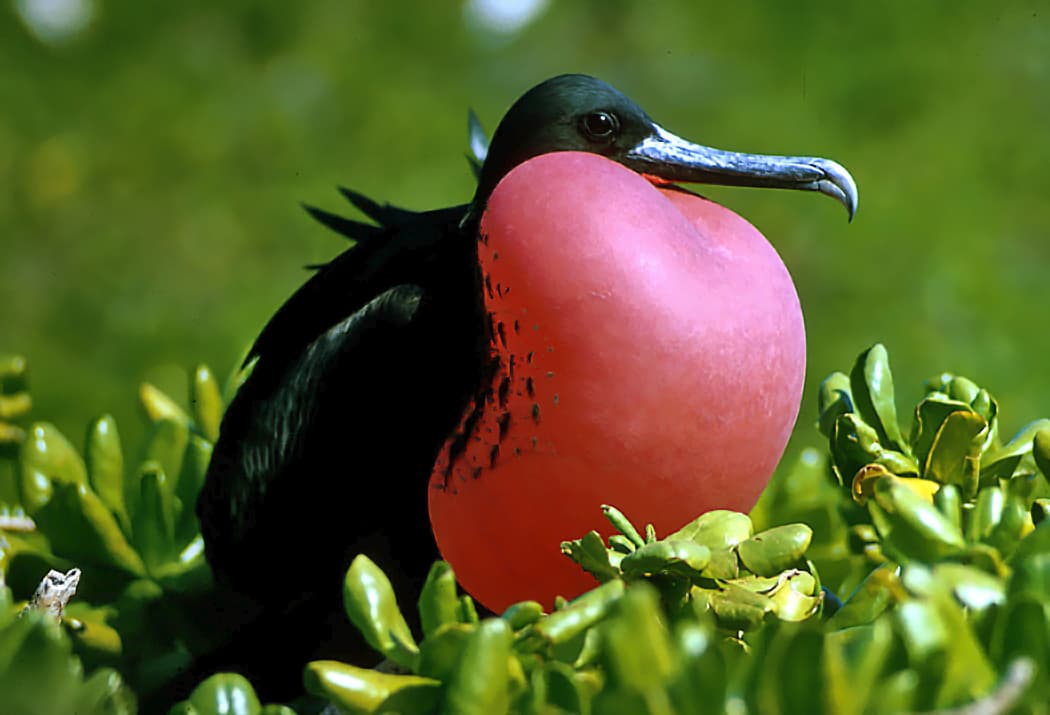
The magnificent frigatebird (Fregata magnificens) is a seabird of the frigatebird family Fregatidae. With a length of 89–114 centimetres (35–45 in) and wingspan of 2.17–2.44 m (7.1–8.0 ft) it is the largest species of frigatebird. It occurs over tropical and subtropical waters off America, between northern Mexico and Ecuador on the Pacific coast and between Florida and southern Brazil along the
Wikipedia - Vulnerable
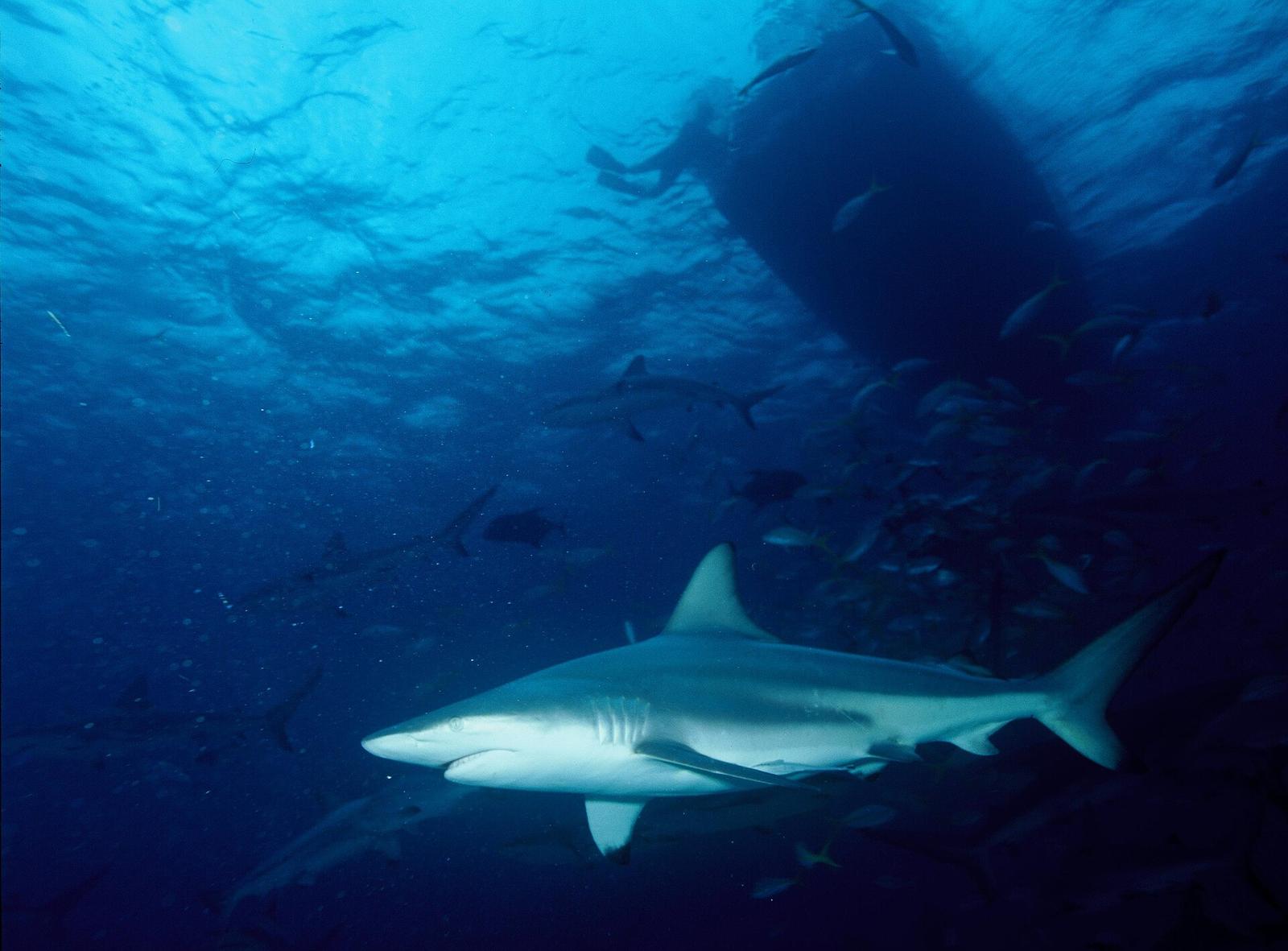
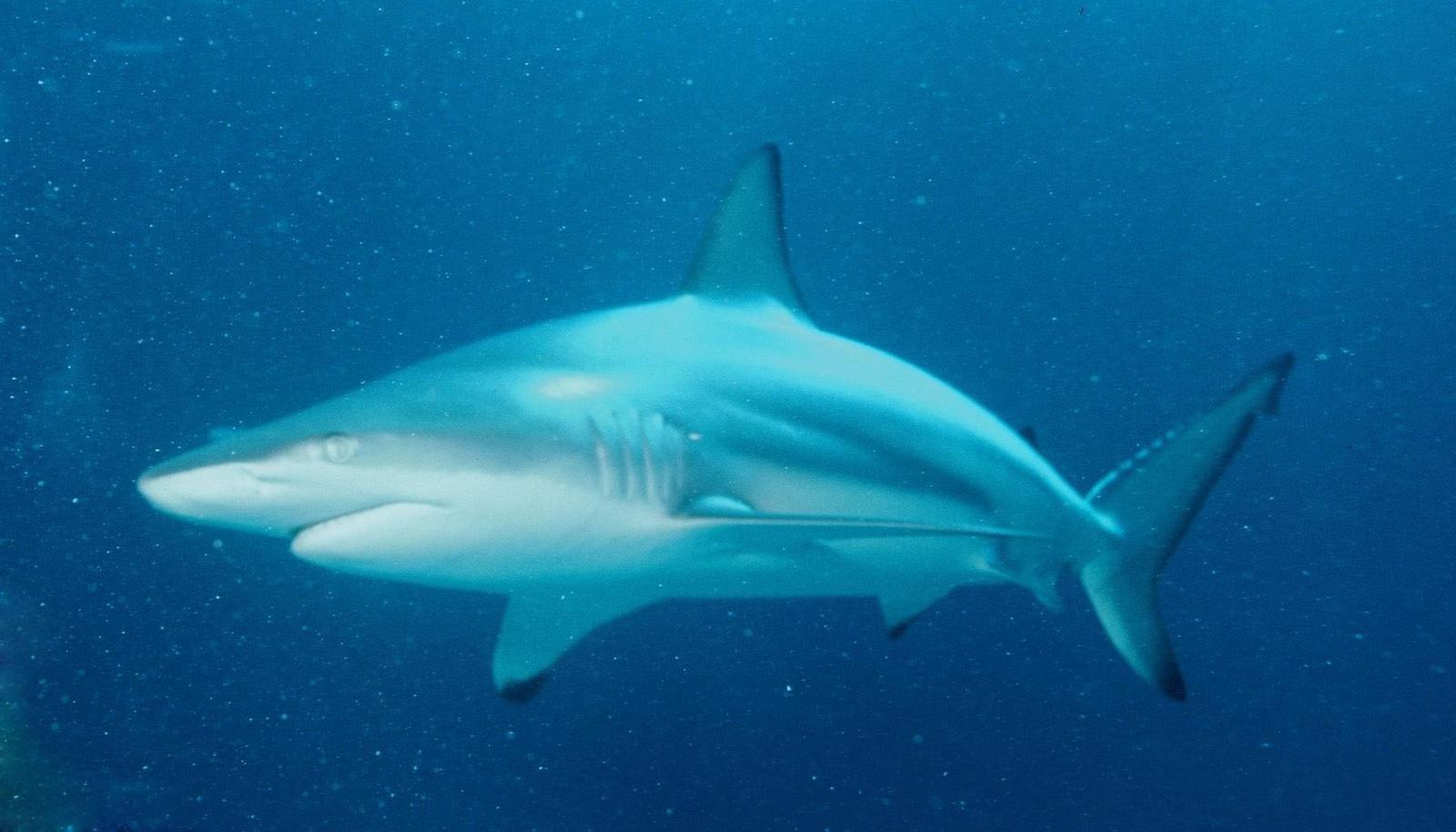
The blacktip shark (Carcharhinus limbatus) is a species of requiem shark, and part of the family Carcharhinidae. It is common to coastal tropical and subtropical waters around the world, including brackish habitats. Genetic analyses have revealed substantial variation within this species, with populations from the western Atlantic Ocean isolated and distinct from those in the rest of its range.
Wikipedia - Least Concern
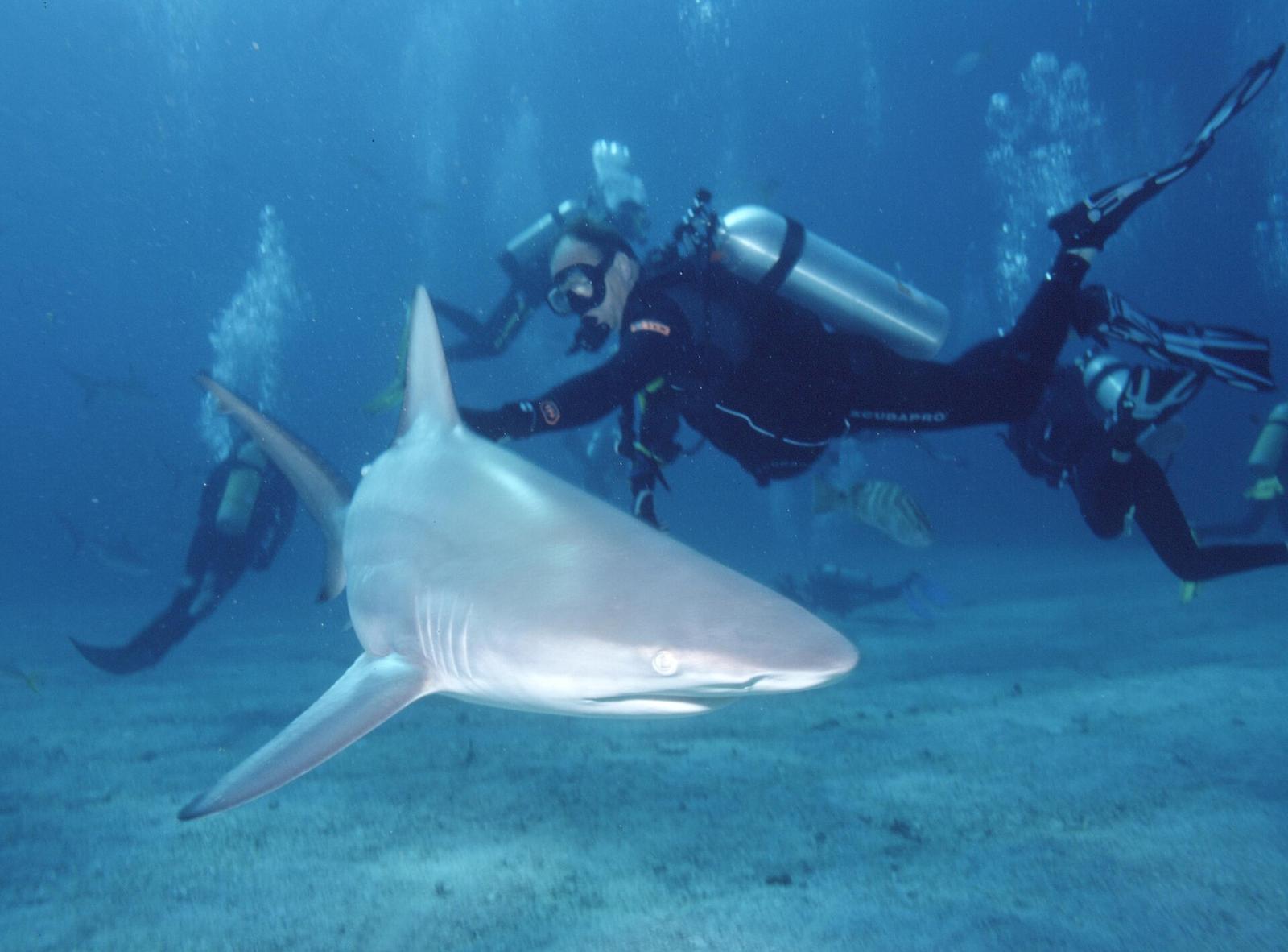
The Galapagos shark (Carcharhinus galapagensis) is a species of requiem shark, in the family Carcharhinidae, found worldwide. This species favors clear reef environments around oceanic islands, where it is often the most abundant shark species. A large species that often reaches 3.0 m (9.8 ft), the Galapagos reef shark has a typical fusiform "reef shark" shape and is very difficult to distinguis
Wikipedia - Least Concern
- Least Concern
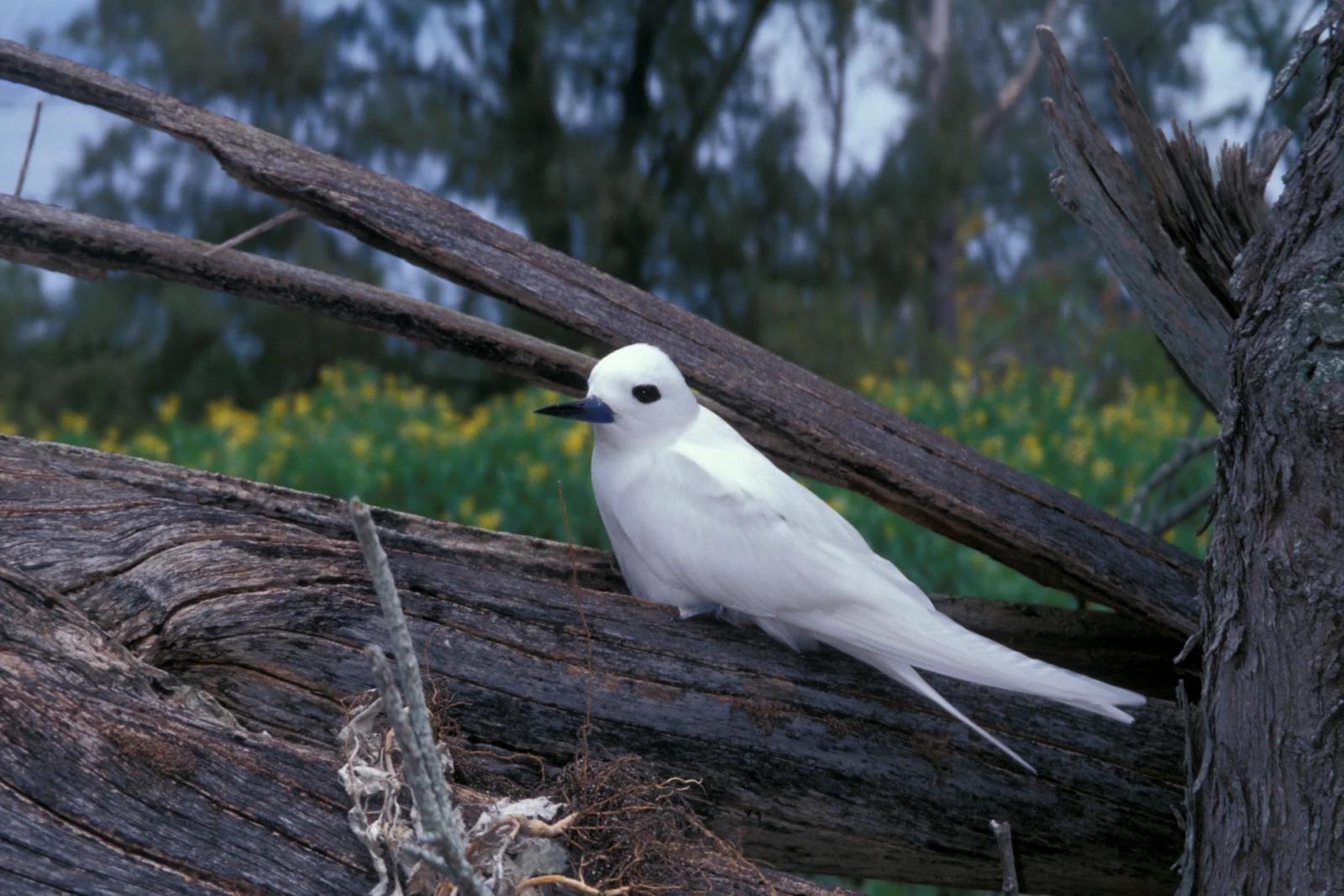
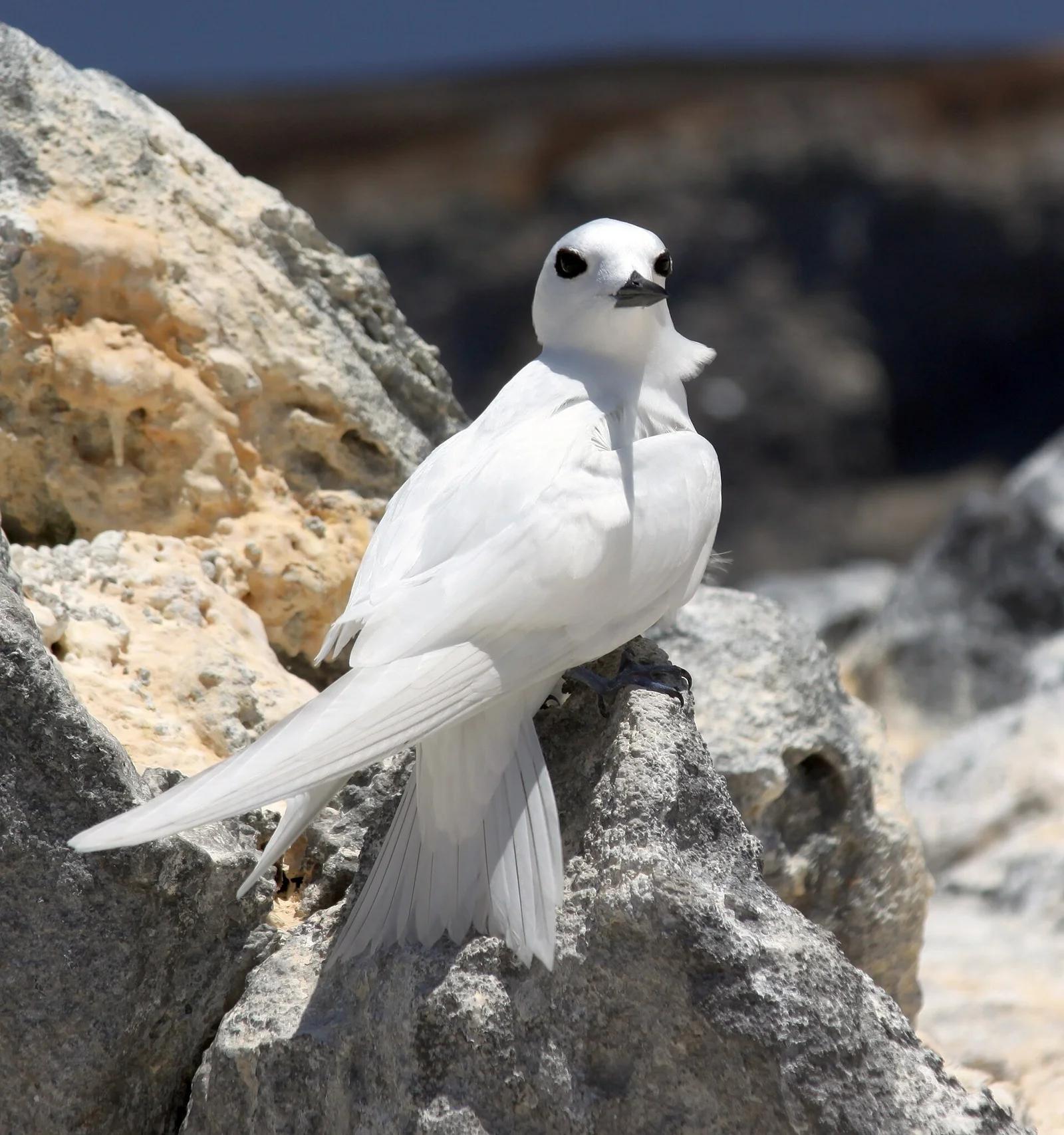
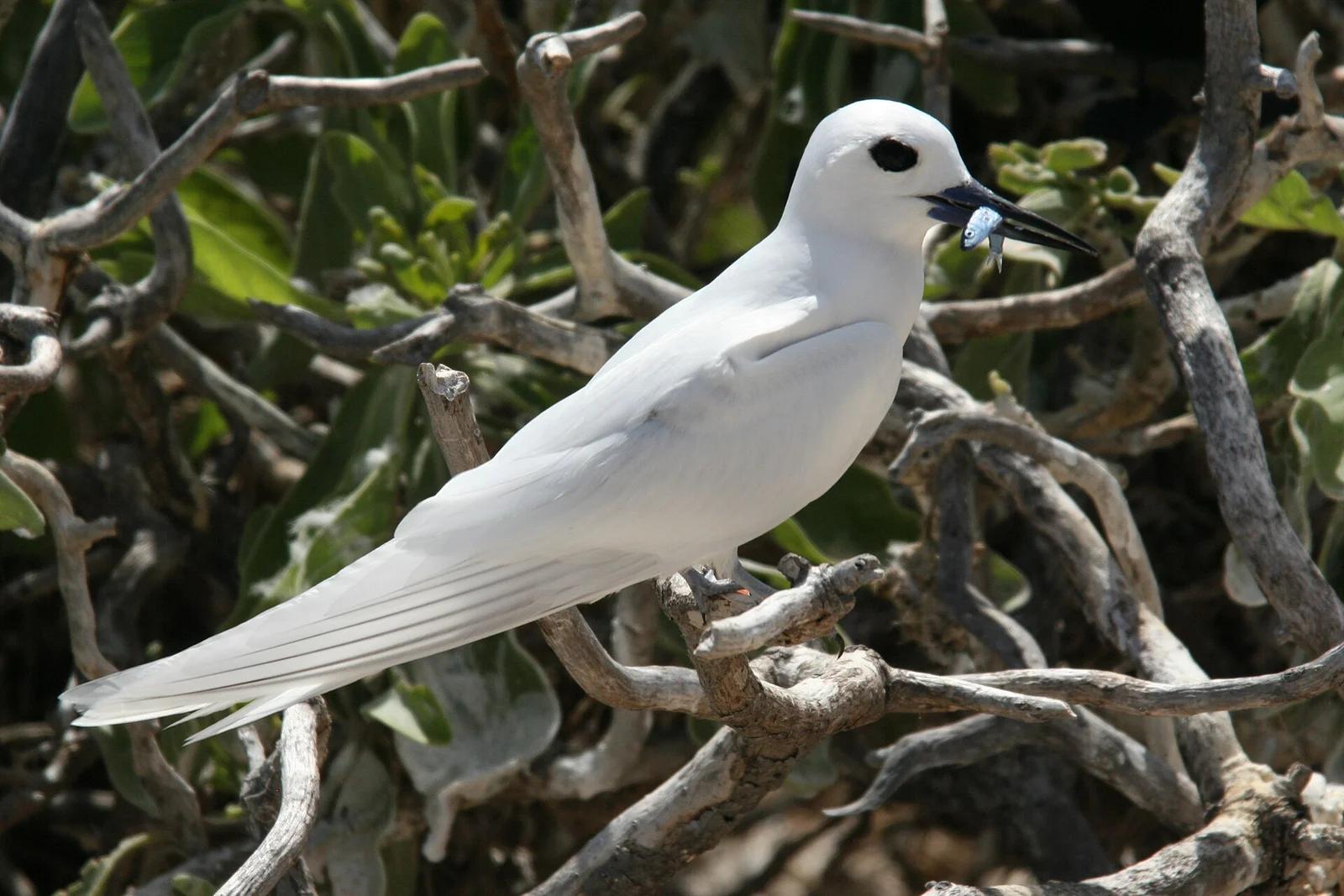
The white tern (Gygis alba) is a small seabird found across the tropical oceans of the world. It is sometimes known as the fairy tern although this name is potentially confusing as it is the common name of the fairy tern (Sternula nereis). Other names for the species include angel tern and white noddy.
Wikipedia - Vulnerable
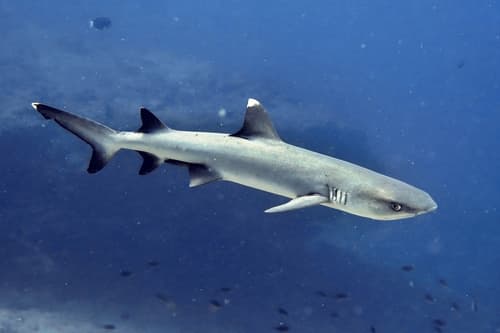
The whitetip reef shark (Triaenodon obesus) is a species of requiem shark, in the family Carcharhinidae, and the only member of its genus. A small shark usually not exceeding 1.6 m (5.2 ft) in length, this species is easily recognizable by its slender body and short but broad head, as well as tubular skin flaps beside the nostrils, oval eyes with vertical pupils, and white-tipped dorsal and caud
Wikipedia 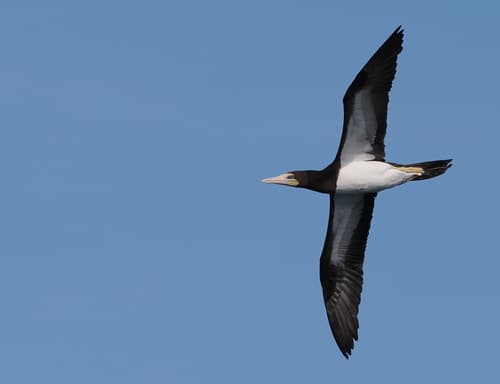
 Least Concern
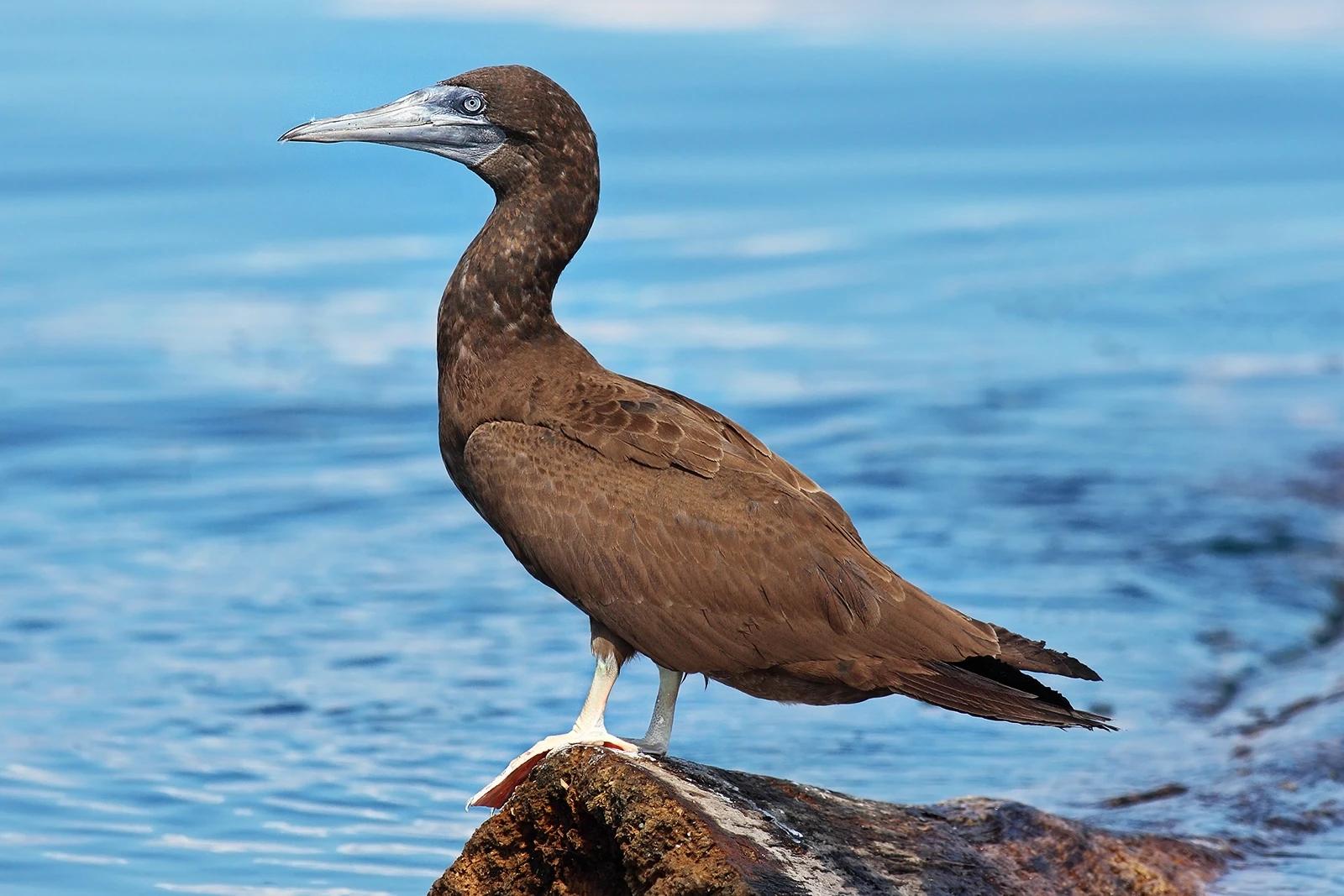
The brown booby (Sula leucogaster) is a large seabird of the booby family, Sulidae. They present sexual dimorphism. The female booby reaches about 80 centimetres (31 in) in length, its wingspan measures up to 150 cm (4.9 ft), and they can weigh up to 1,300 g (2.9 lb). The male booby reaches about 75 centimetres (30 in) in length, its wingspan measures up to 140 cm (4.6 ft), and they can weigh up
Wikipedia- Least Concern
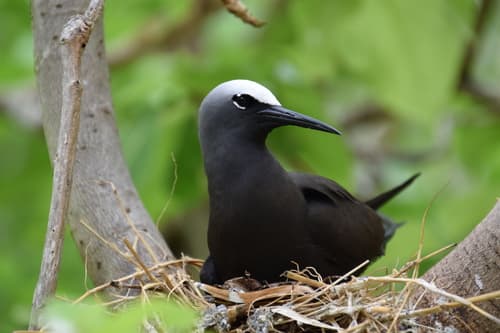
The black noddy or white-capped noddy (Anous minutus) is a seabird from the family Laridae. It is a medium-sized bird with black plumage and a white cap. It closely resembles the lesser noddy (Anous tenuirostris) with which it was at one time considered conspecific. The black noddy has slightly darker plumage and dark rather than pale lores.
Wikipedia