Wildlife in New Zealand
 Australocetus · CC BY-SA · Wikimedia Commons
 Tony Wills · CC BY-SA · Wikimedia Commons
 Tony Wills · CC BY-SA · Wikimedia Commons
- Endangered
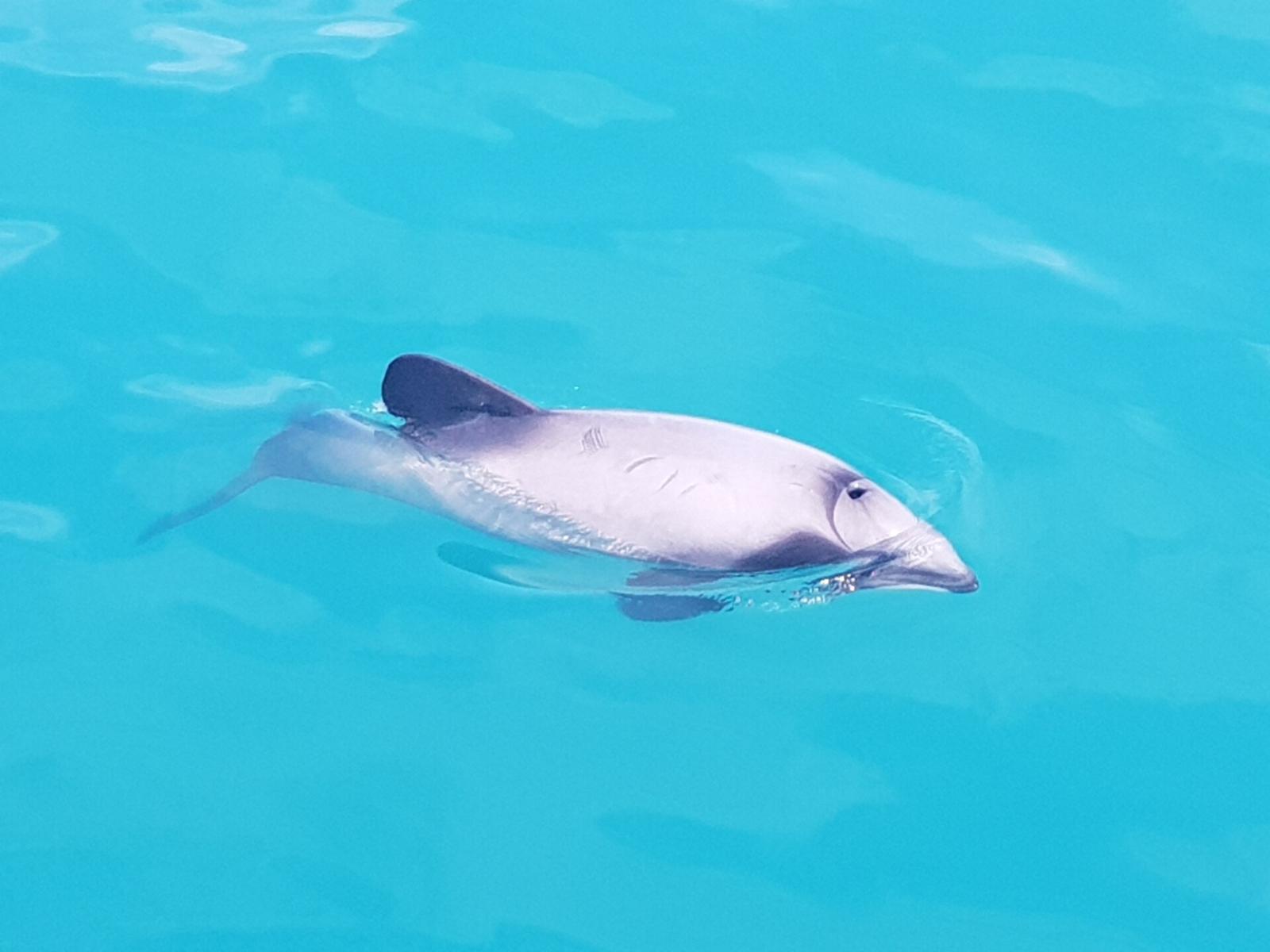
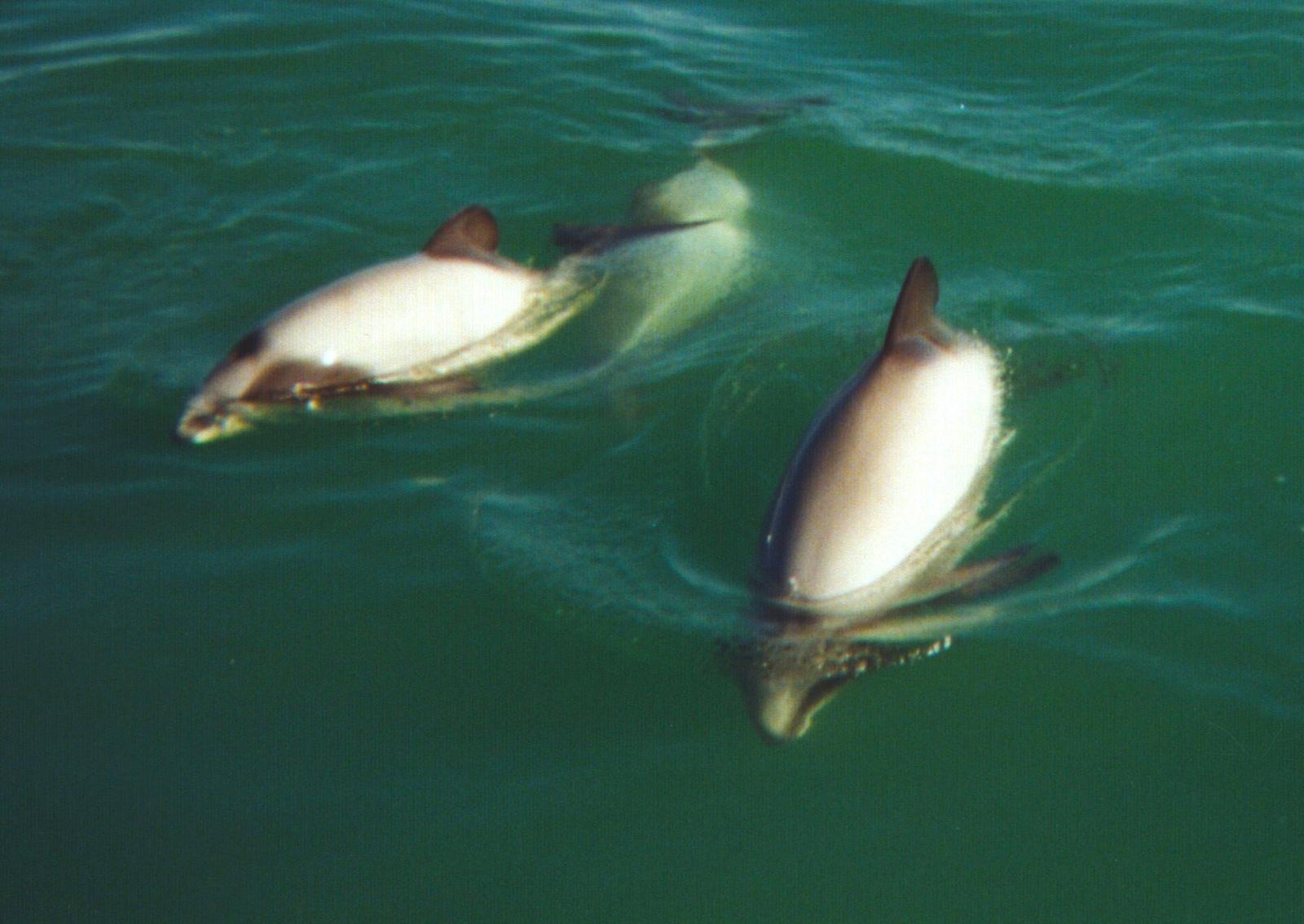
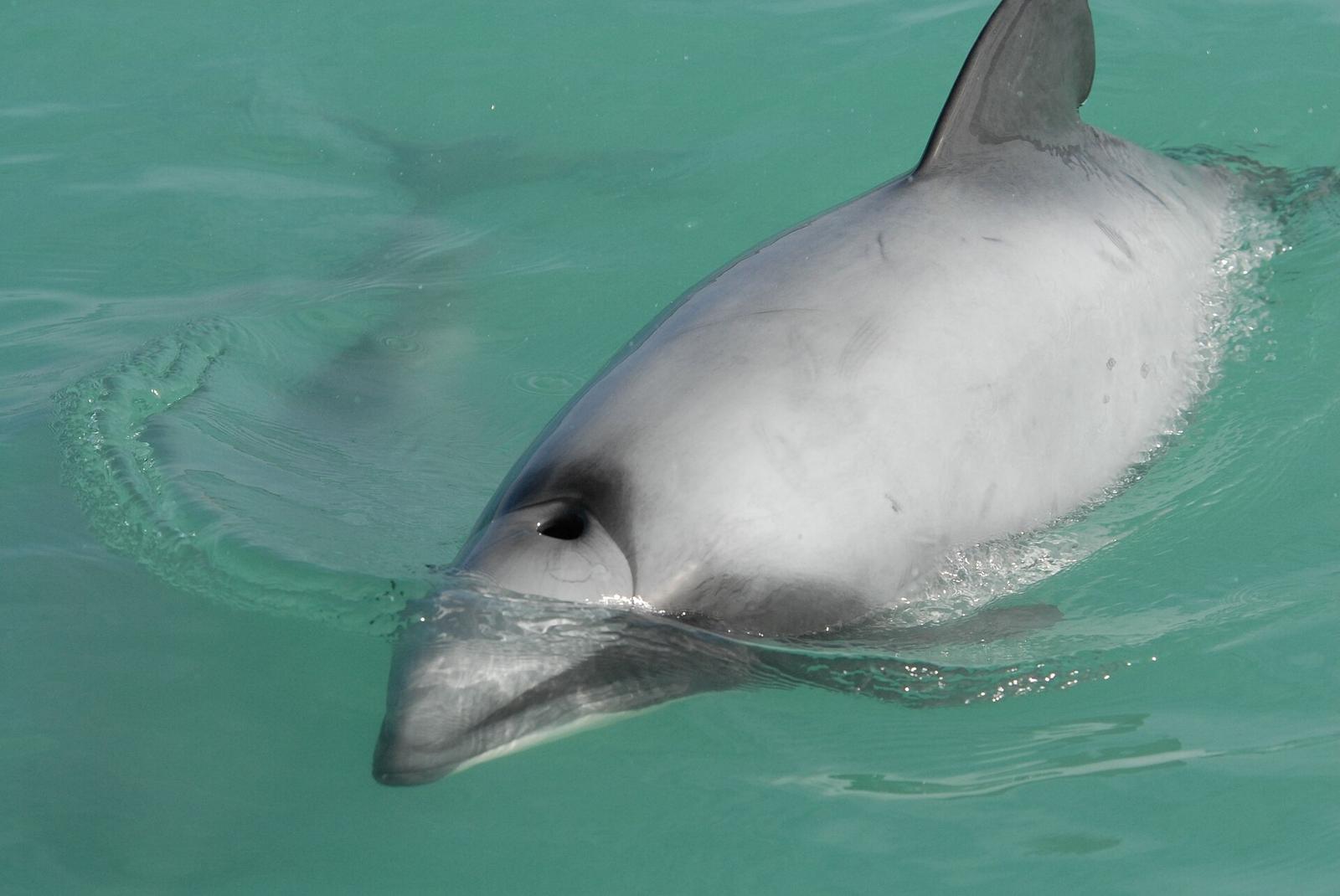
Hector's dolphin (Cephalorhynchus hectori) is the best-known of the four dolphins in the genus Cephalorhynchus and, along with its subspecies Maui's dolphin, is the only cetacean endemic to New Zealand. At approximately 1.4 m (4.6 ft) in length, it is one of the smallest cetaceans.
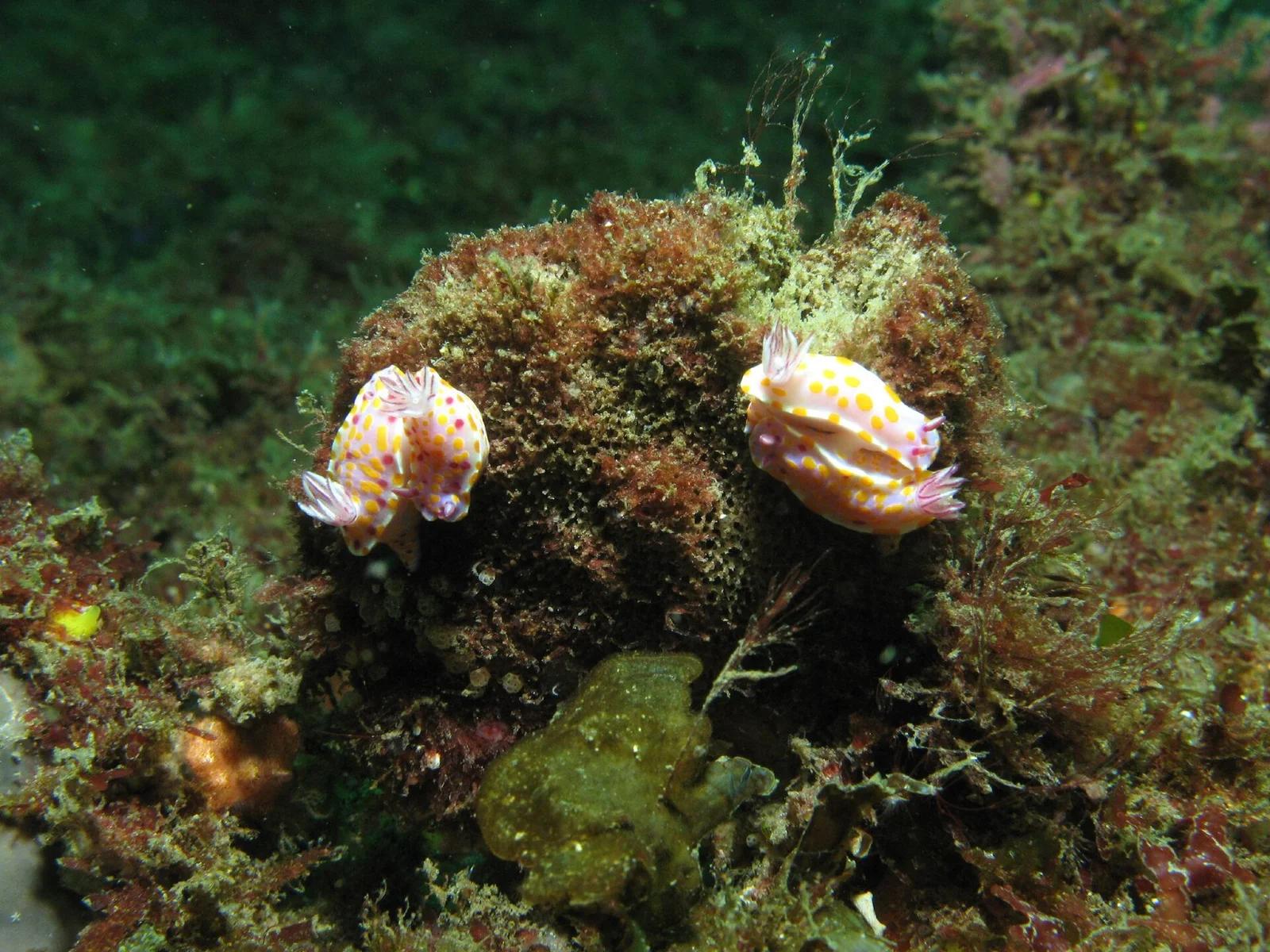
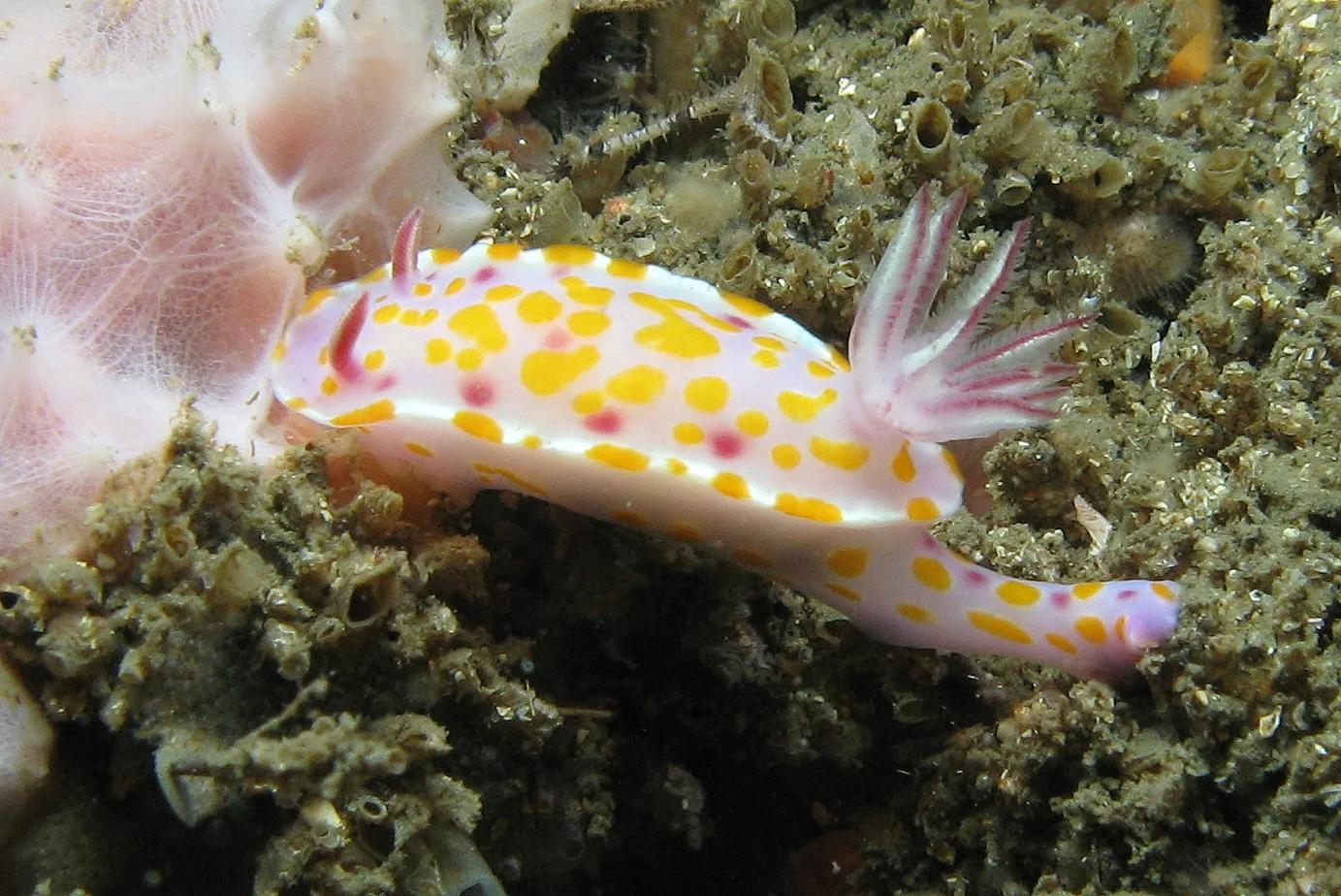
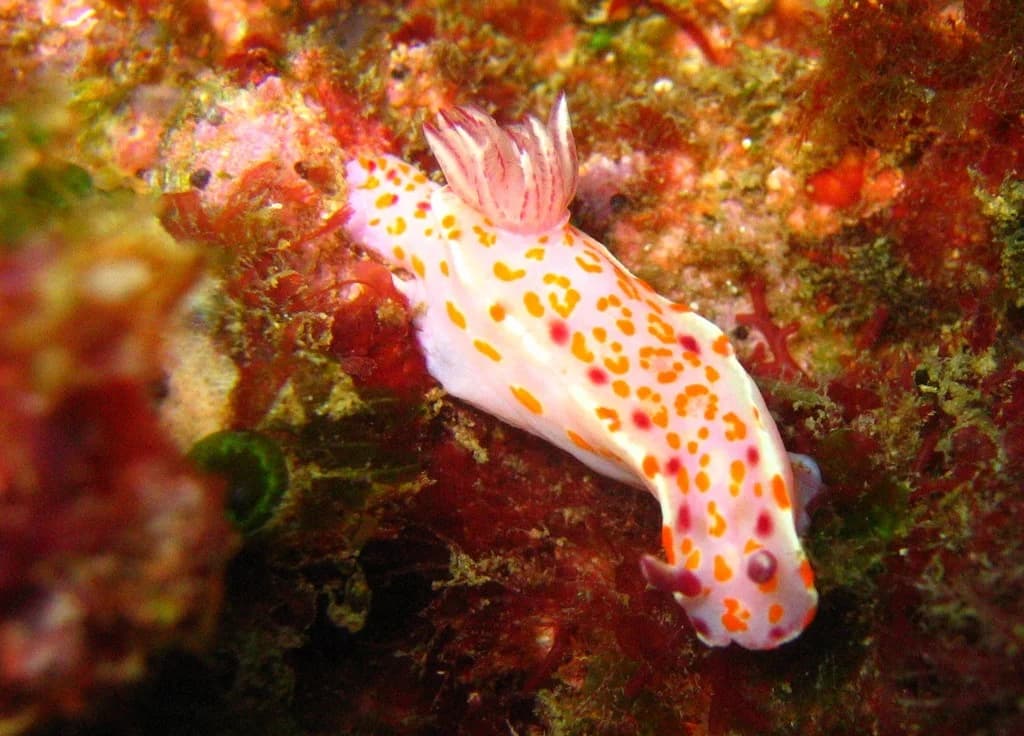
Wikipedia Ceratosoma amoenum, or the clown nudibranch, is a species of colorful dorid nudibranch, a sea slug, a shell-less marine gastropod mollusk in the family Chromodorididae.
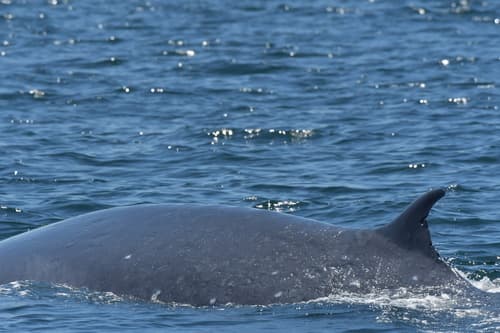
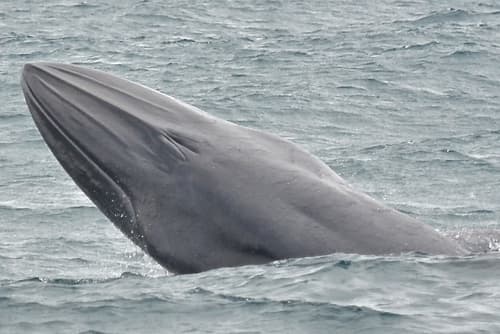
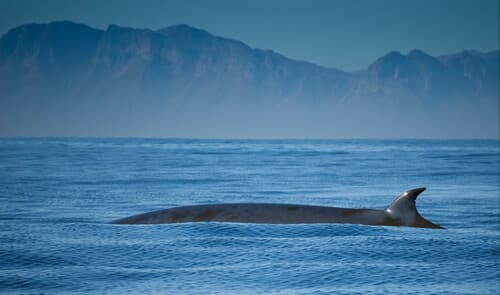
WikipediaBryde's whale (/ˈbrʊdəz/ BRUU-dəz), or the Bryde's whale complex, putatively comprises three species of rorqual and maybe four. The "complex" means the number and classification remains unclear because of a lack of definitive information and research. The common Bryde's whale (Balaenoptera brydei, Olsen, 1913) is a larger form that occurs worldwide in warm temperate and tropical waters, and th
Wikipedia- Least Concern
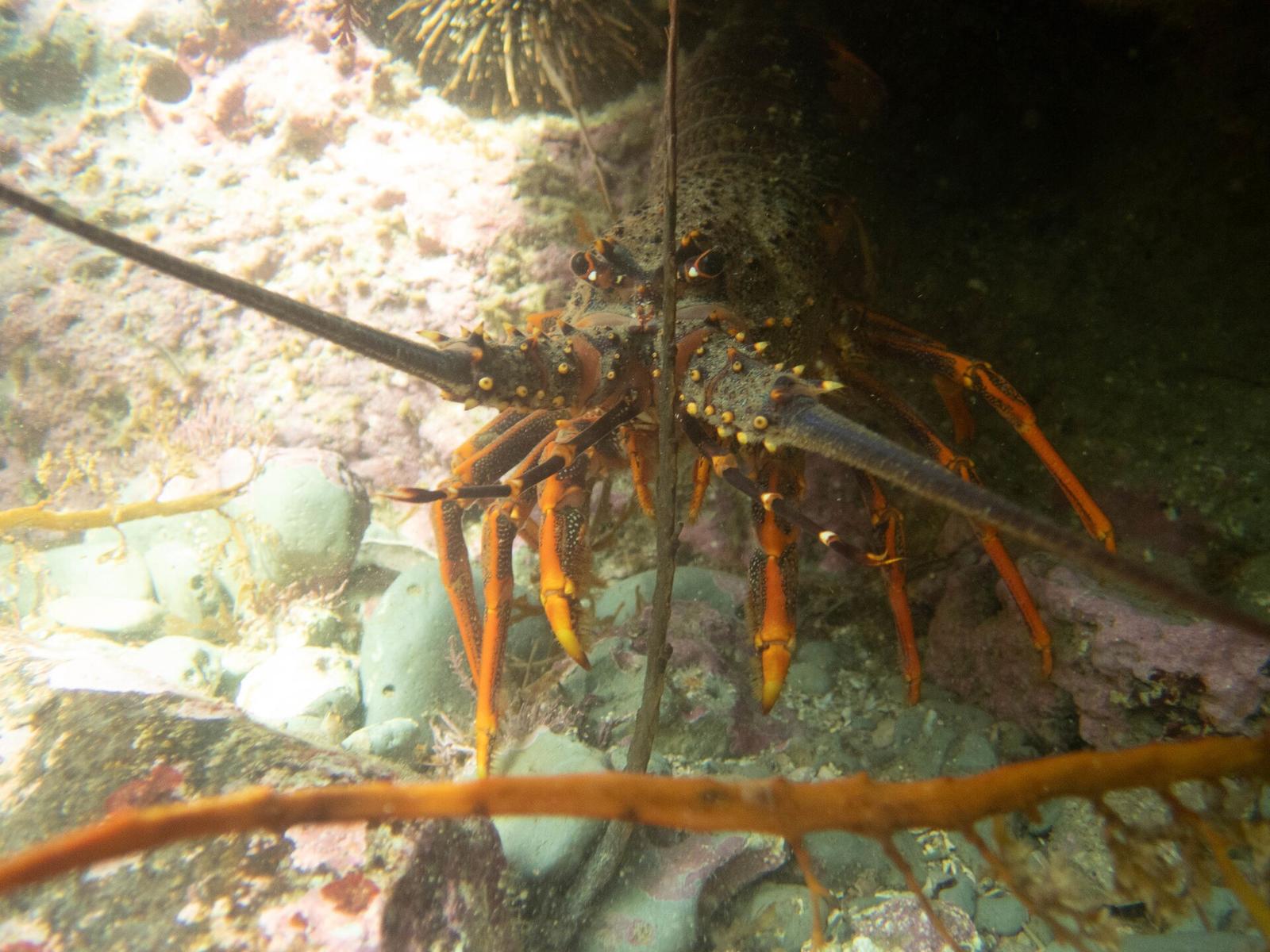
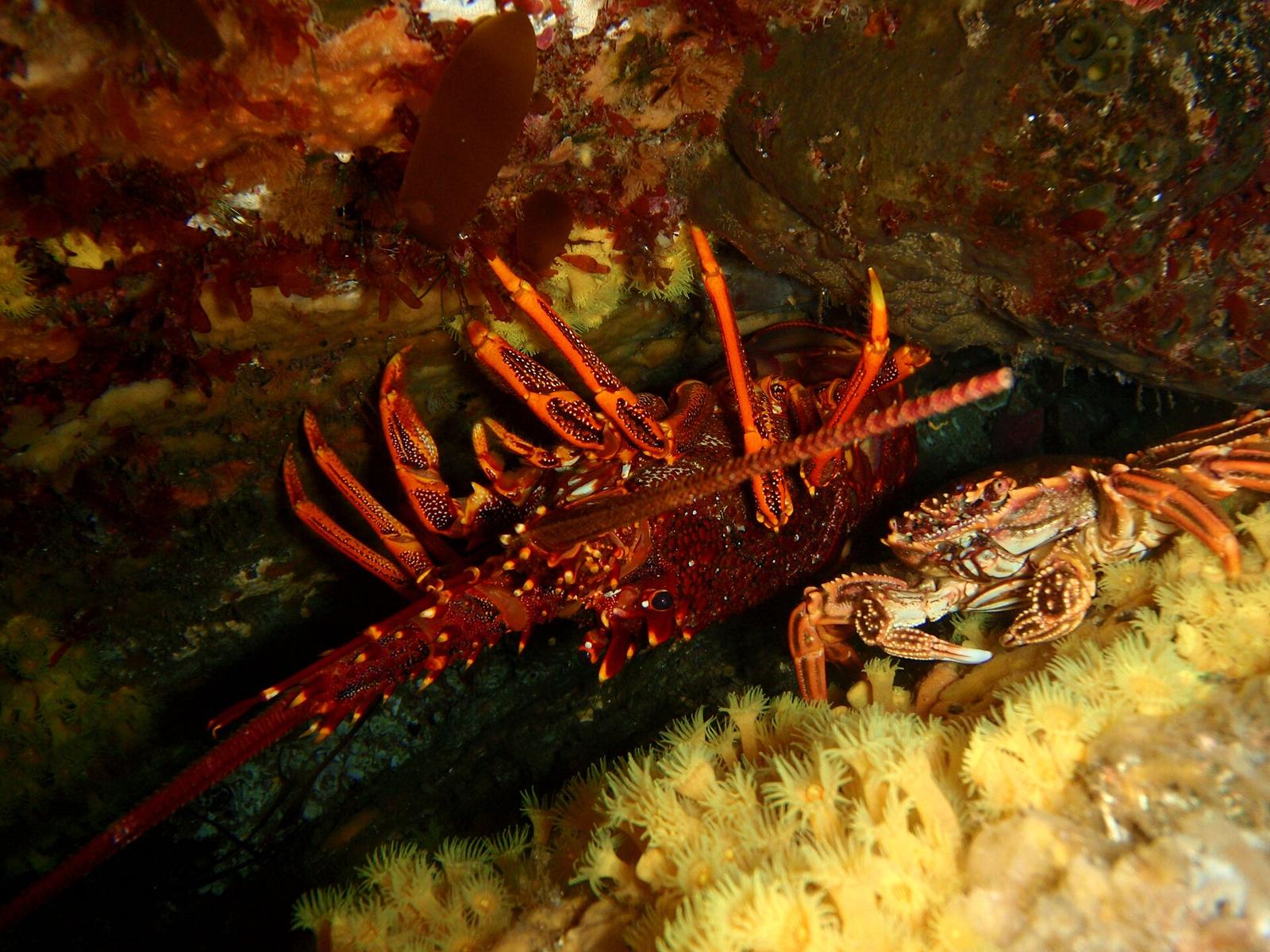
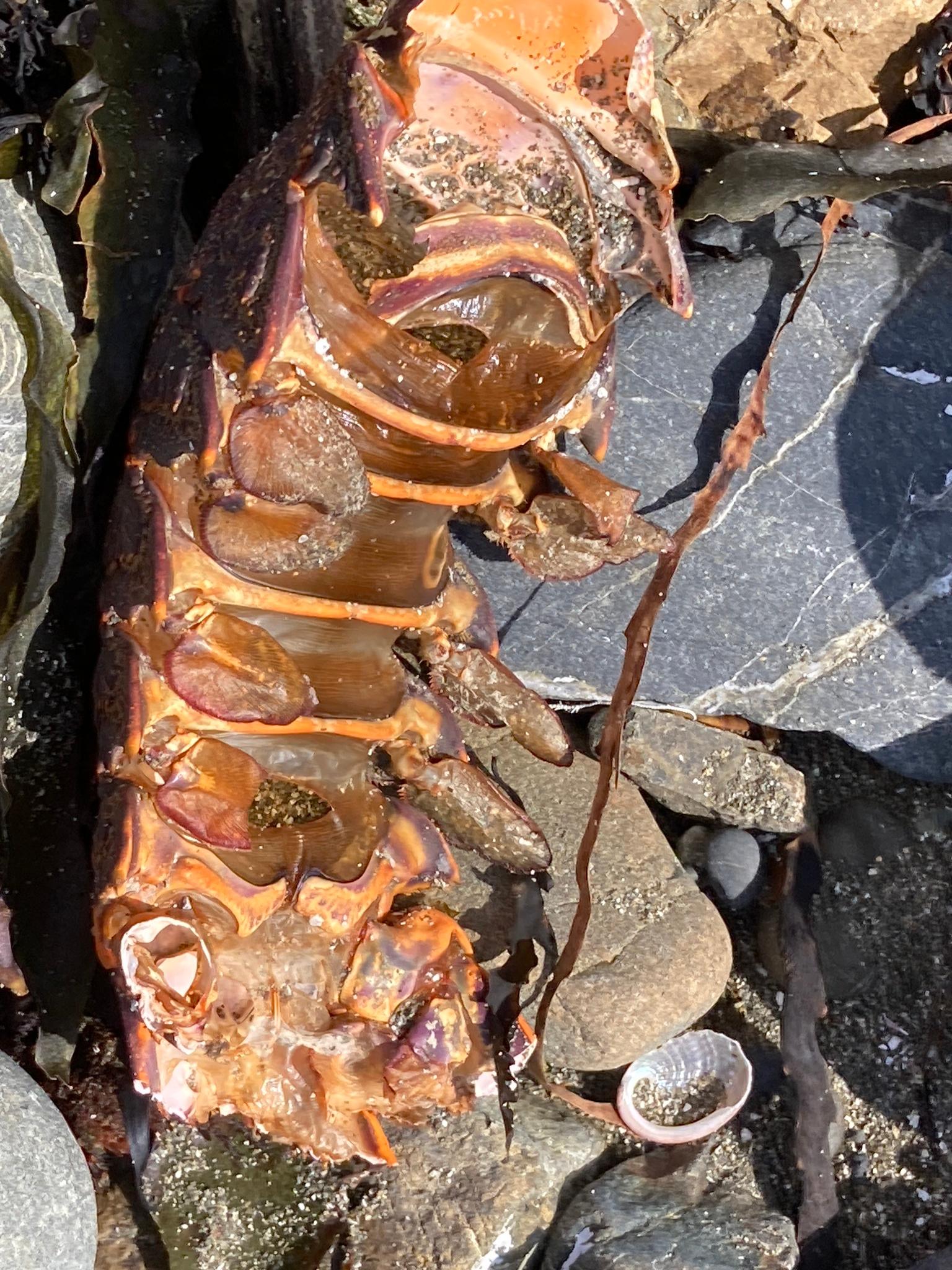
Jasus edwardsii, the southern rock lobster, red rock lobster, or spiny rock lobster, is a species of spiny lobster found throughout coastal waters of southern Australia and New Zealand including the Chatham Islands. This species is commonly called crayfish or crays in New Zealand and kōura in Māori. They resemble lobsters, but lack the large characteristic pincers on the first pair of walking
Wikipedia - Least Concern
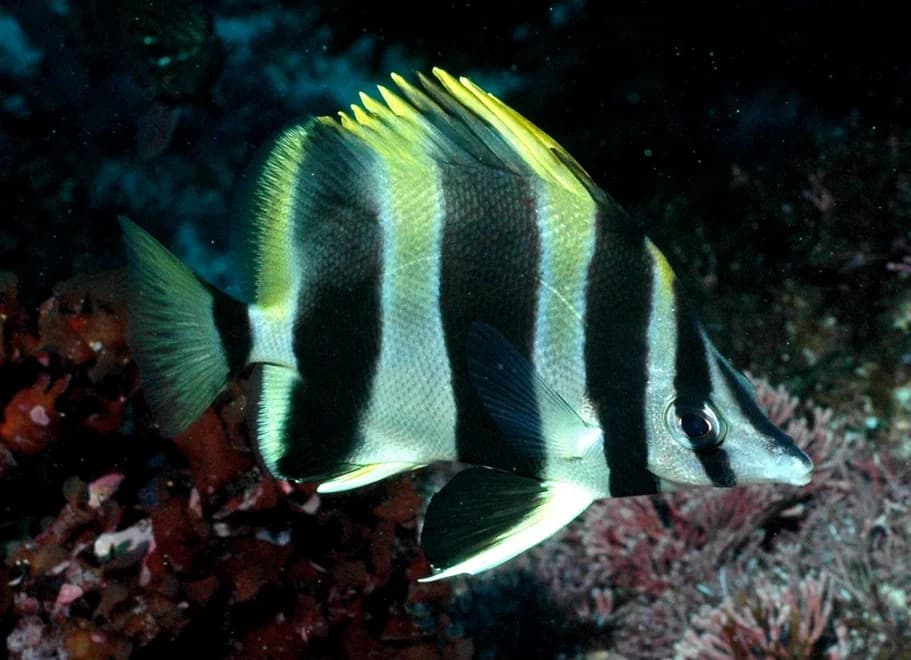
The Lord Howe Island butterflyfish (Amphichaetodon howensis) is a butterflyfish of the family Chaetodontidae, found along the east coast of Australia, around Lord Howe Island, and down the east coast of Northland in New Zealand, at depths of between 10 and 150 m. They are up to 20 cm long with black and yellow/white vertical stripes.
Wikipedia