Wildlife in Low Island
 Marie HENNION · CC BY · Wikimedia Commons
 Marie HENNION · CC BY · Wikimedia Commons
 Marie HENNION · CC BY · Wikimedia Commons
- Out of season · Best Feb, Apr, Jun–Aug·Least Concern
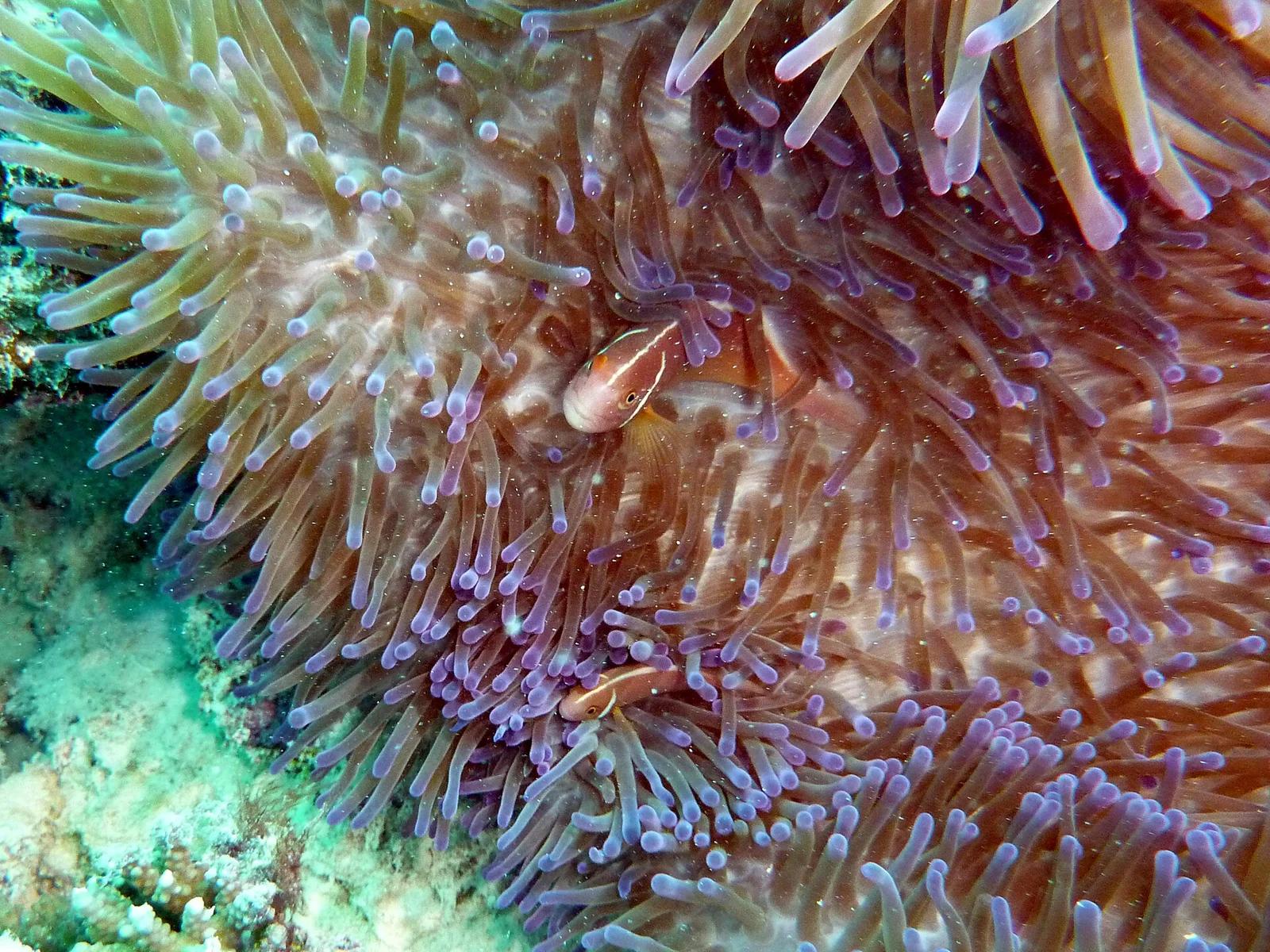
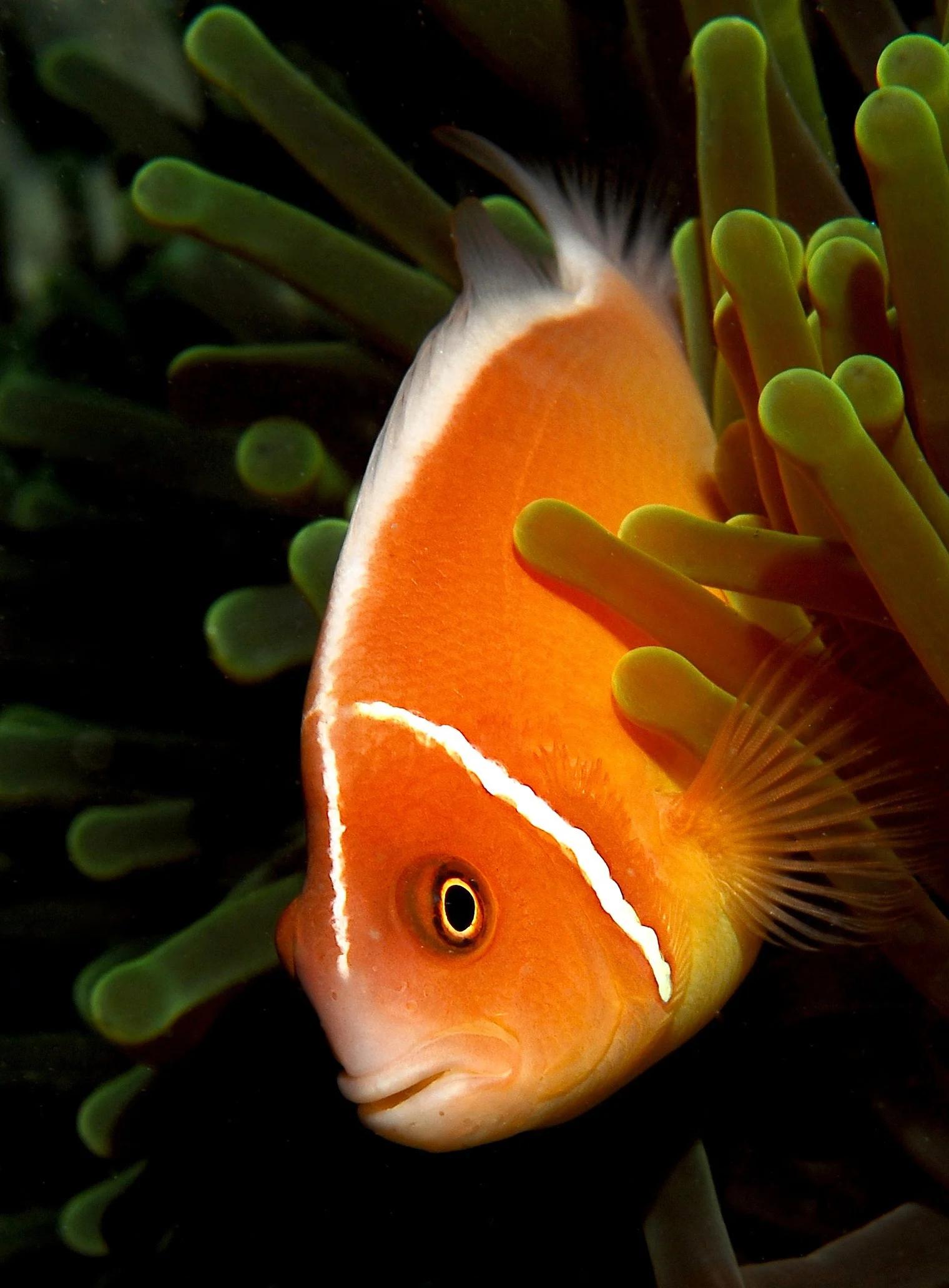
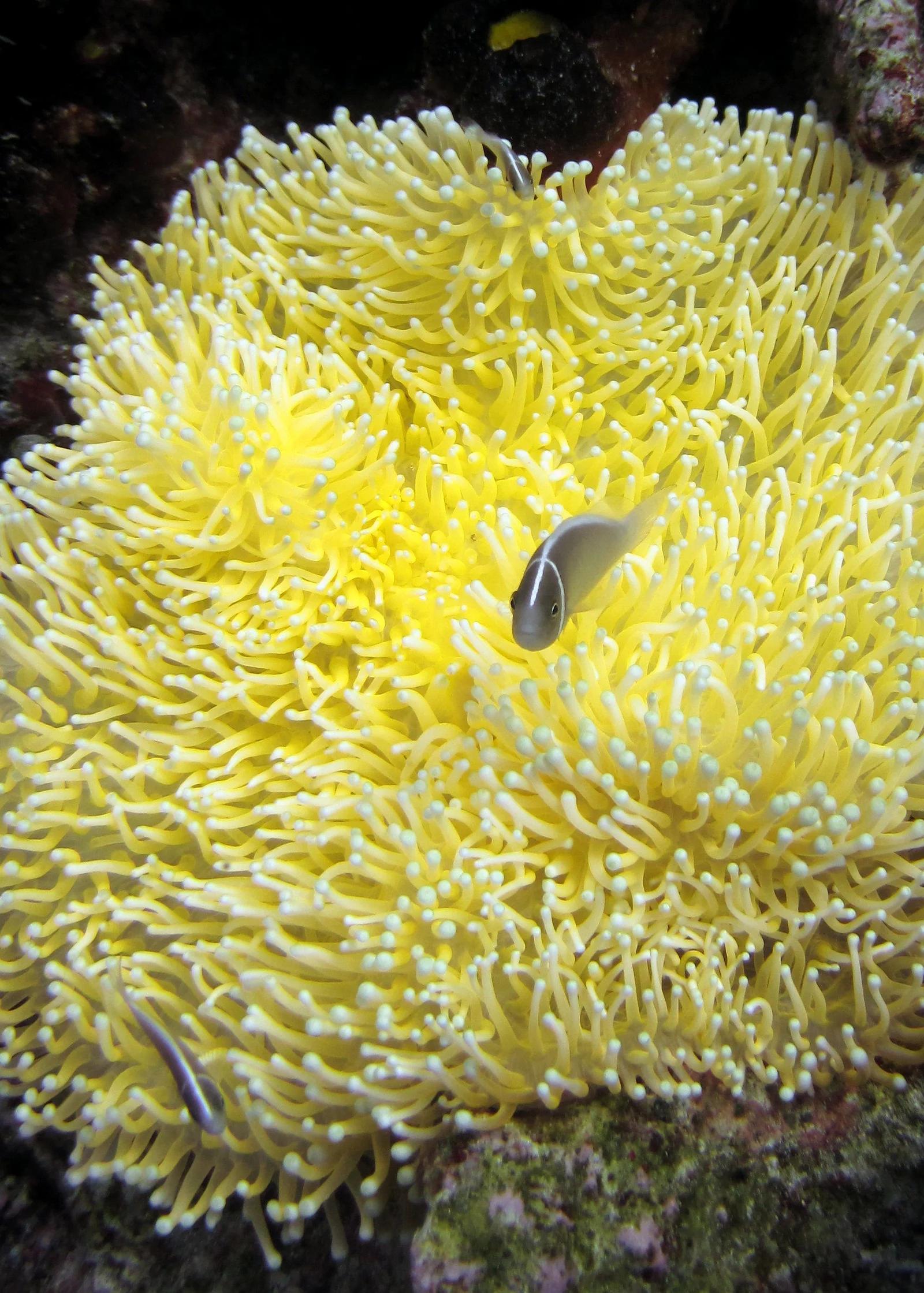
Amphiprion perideraion also known as the pink skunk clownfish or pink anemonefish, is a species of anemonefish from the skunk complex that is widespread from northern Australia through the Malay Archipelago and Melanesia. Like all anemonefishes, it forms a symbiotic mutualism with sea anemones and is unaffected by the stinging tentacles of the host. It is a sequential hermaphrodite with a strict s
Wikipedia - Out of season · Best May, Jul–Aug, Oct·Least Concern
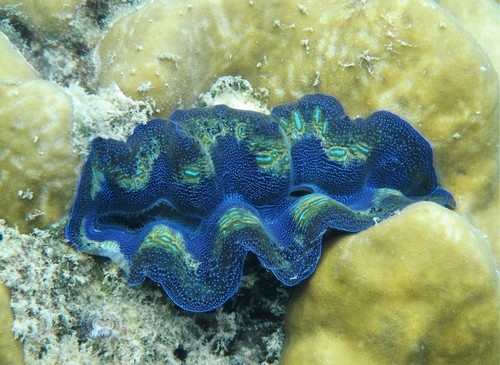
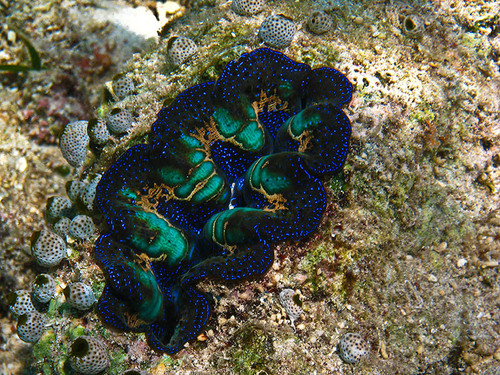
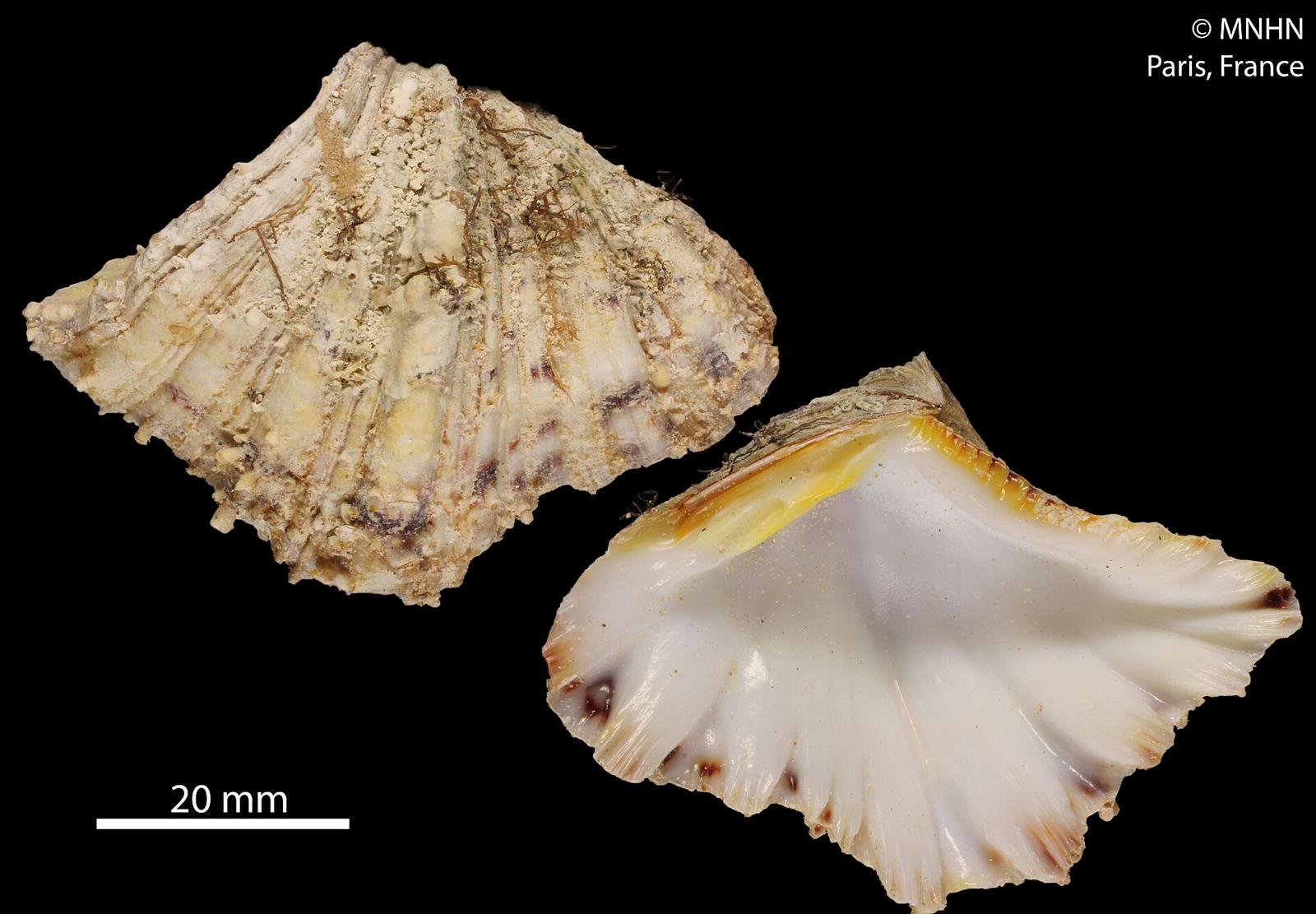
The boring clam, crocus clam, crocea clam or saffron-coloured clam (Tridacna crocea) is a species of bivalve in the family Cardiidae. It is native to the Indo-Pacific region. It is occasionally found in the aquarium trade where it is often simply referred to as crocea.
Wikipedia - Out of season · Best Jan, Apr, Jun–Aug·Vulnerable
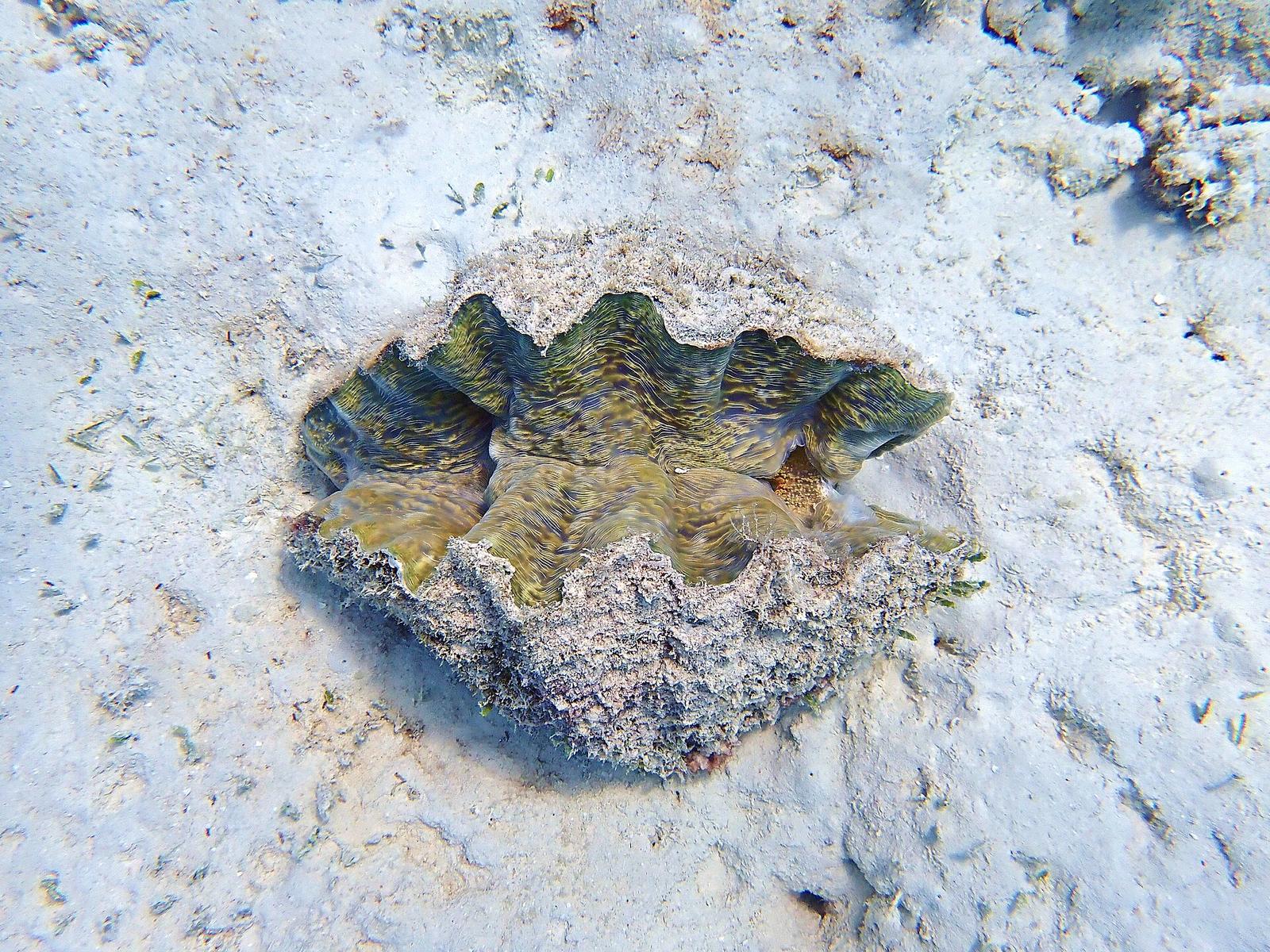
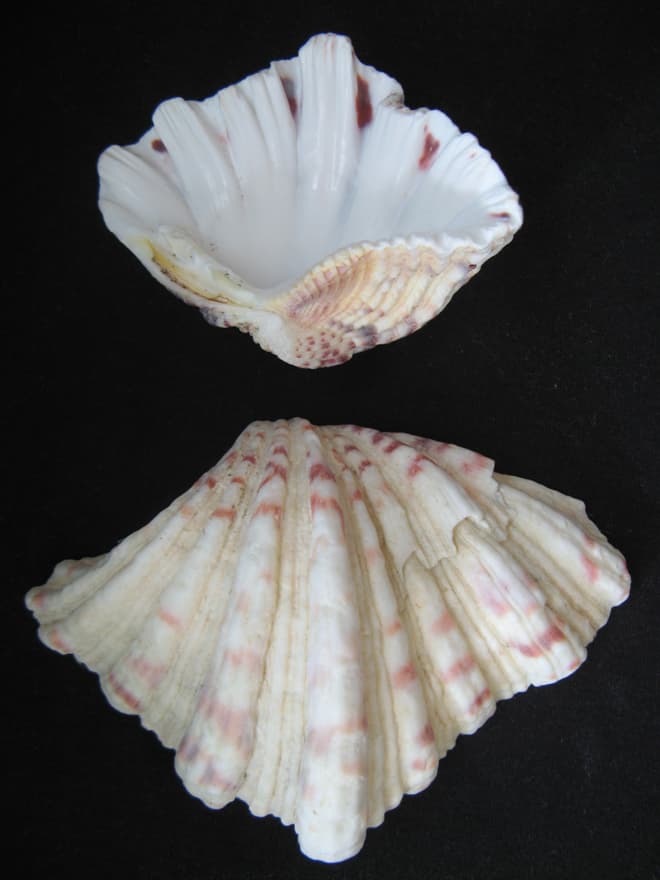
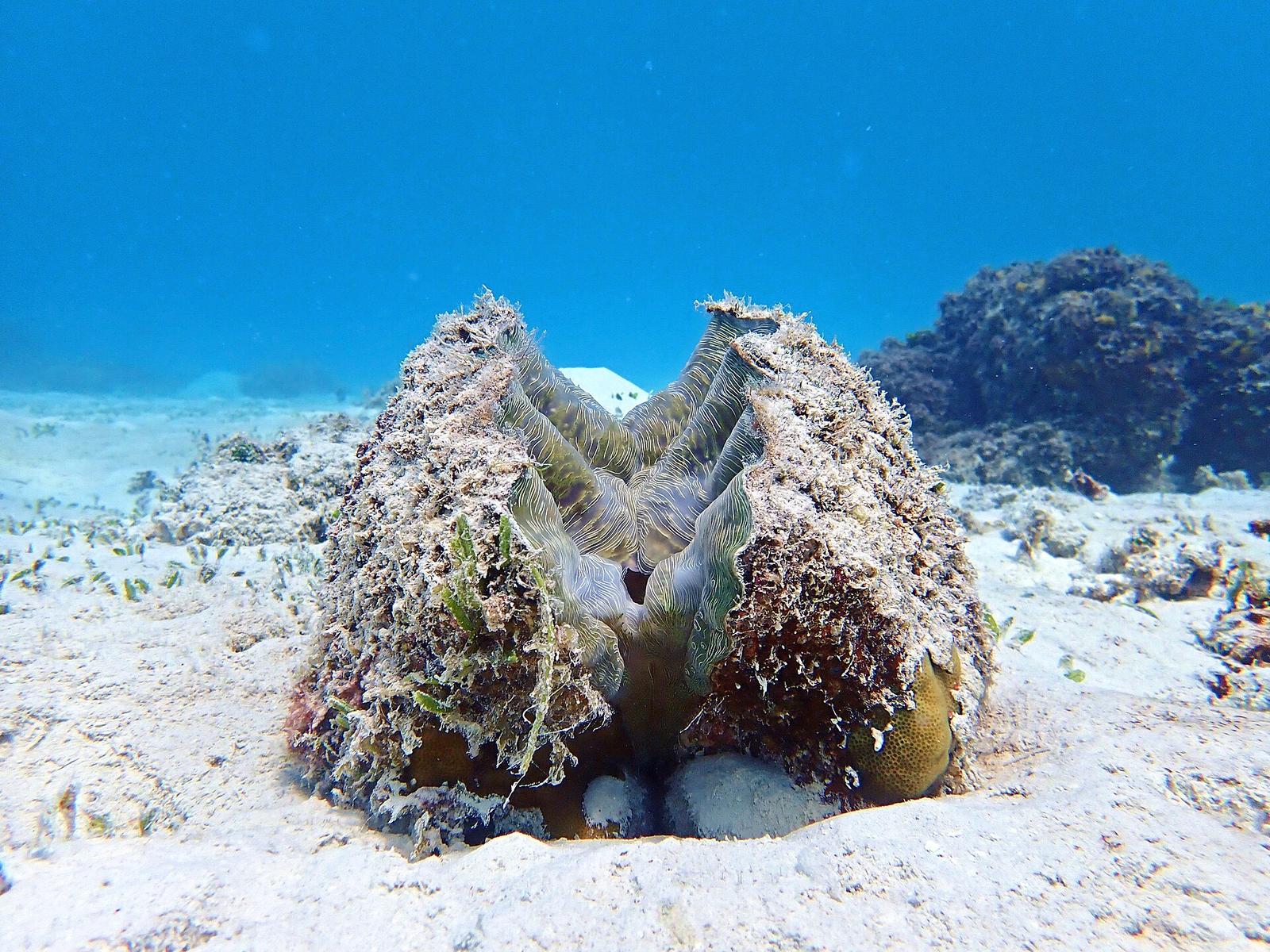
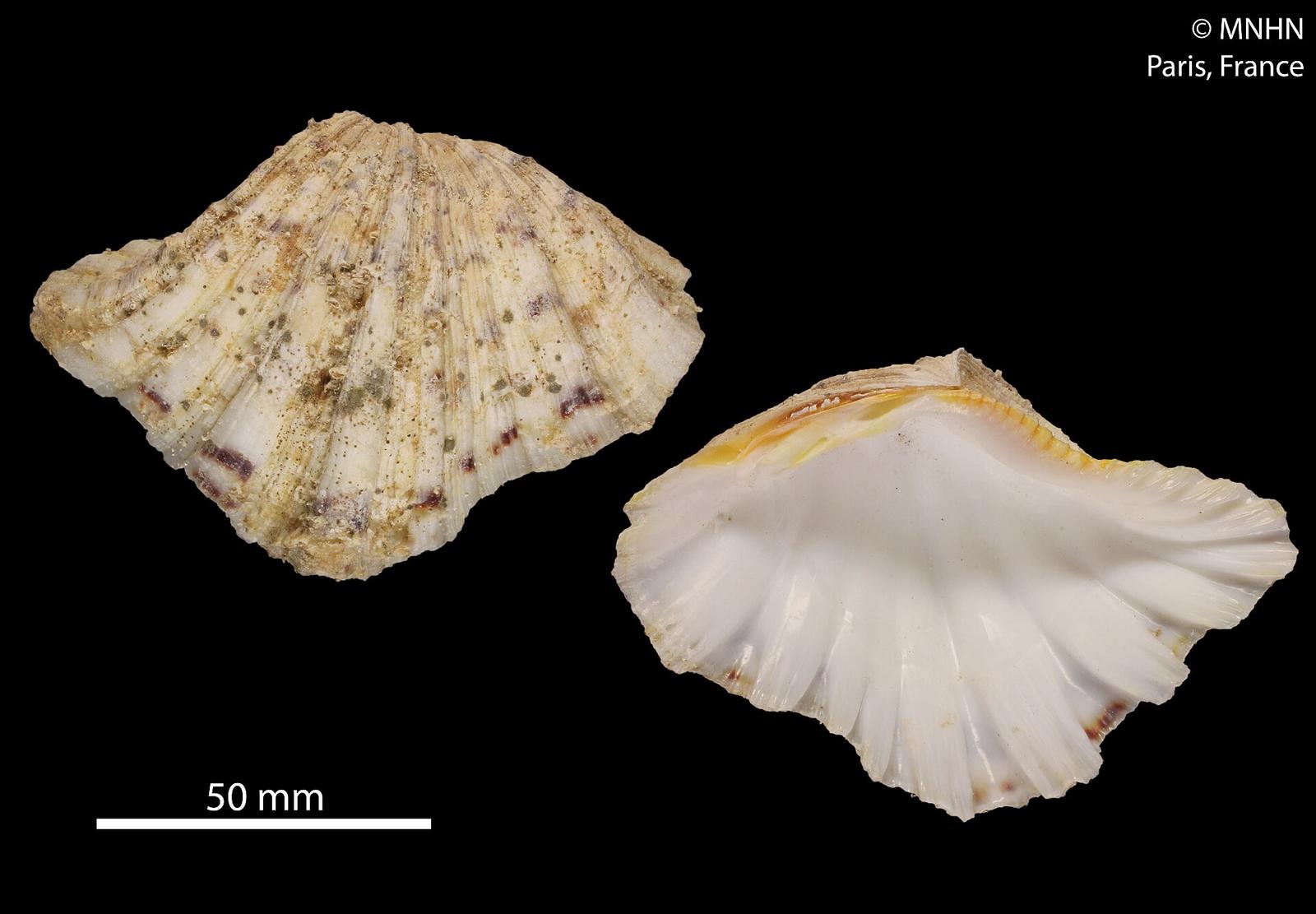
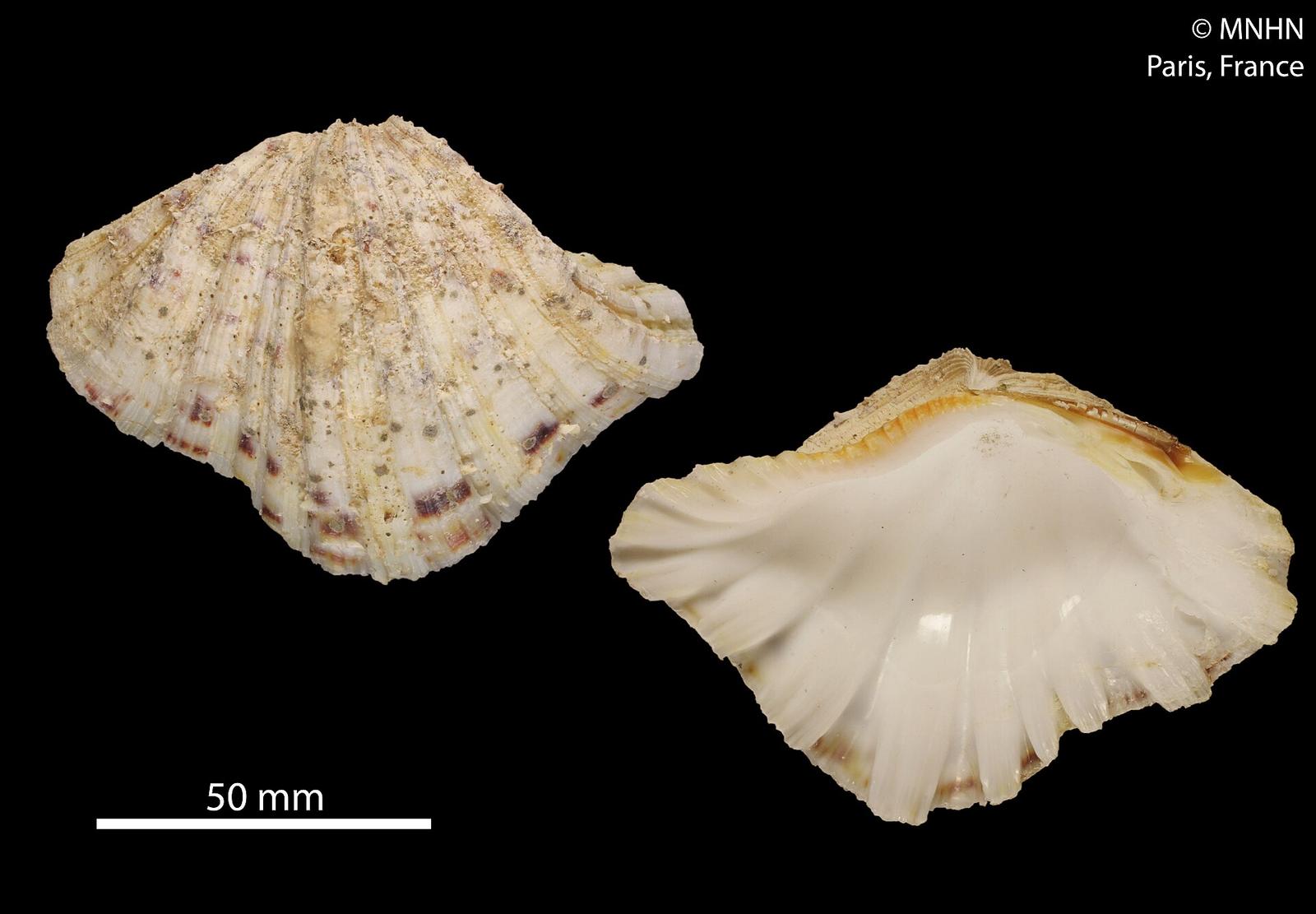
The bear paw clam, also known as the horse's hoof clam or strawberry clam, Hippopus hippopus, is a species of large saltwater clam, a tropical marine bivalve mollusk in the family Tridacnidae, the giant clam family.
Wikipedia - Out of season · Best Sep·Least Concern
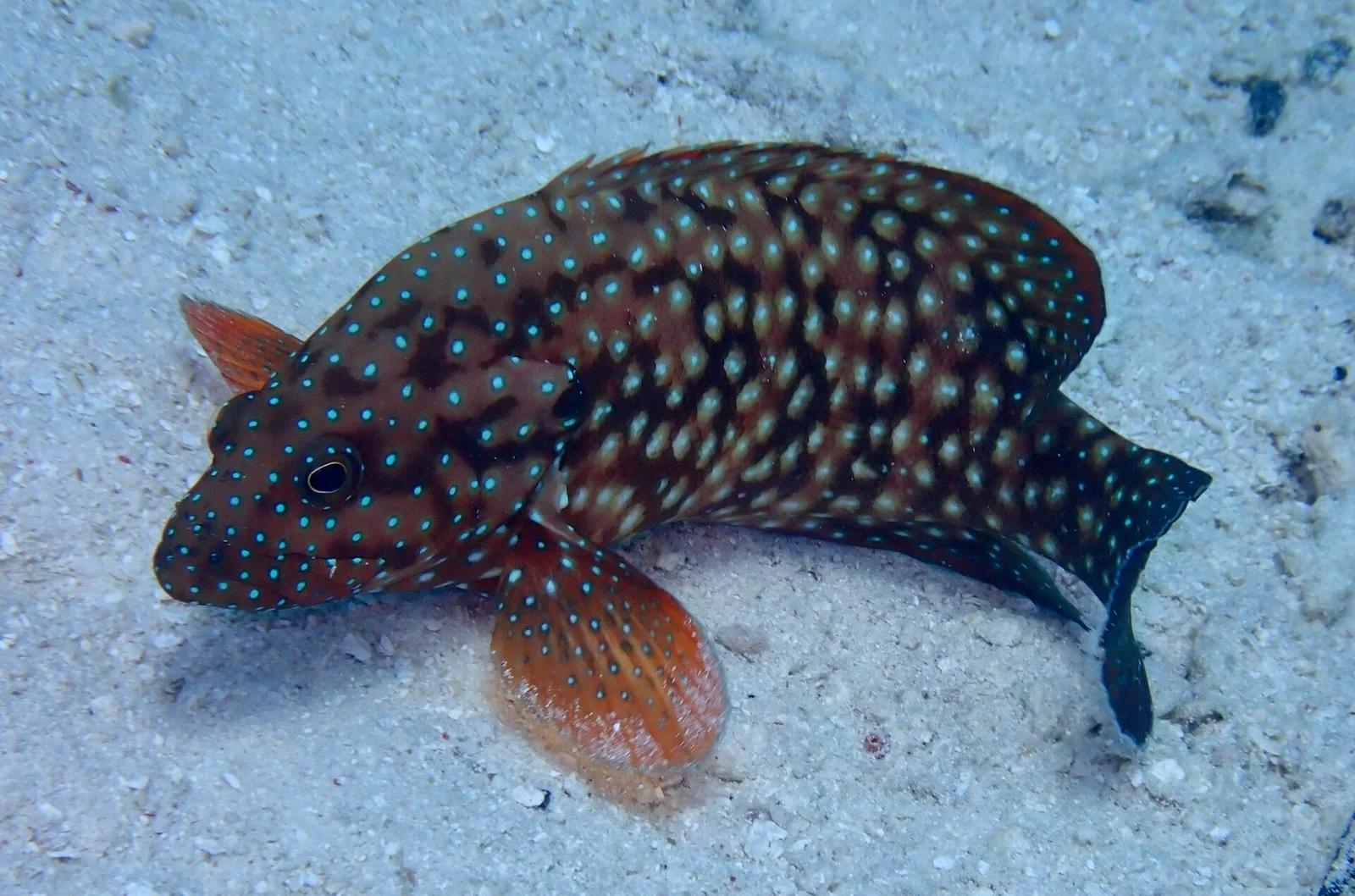
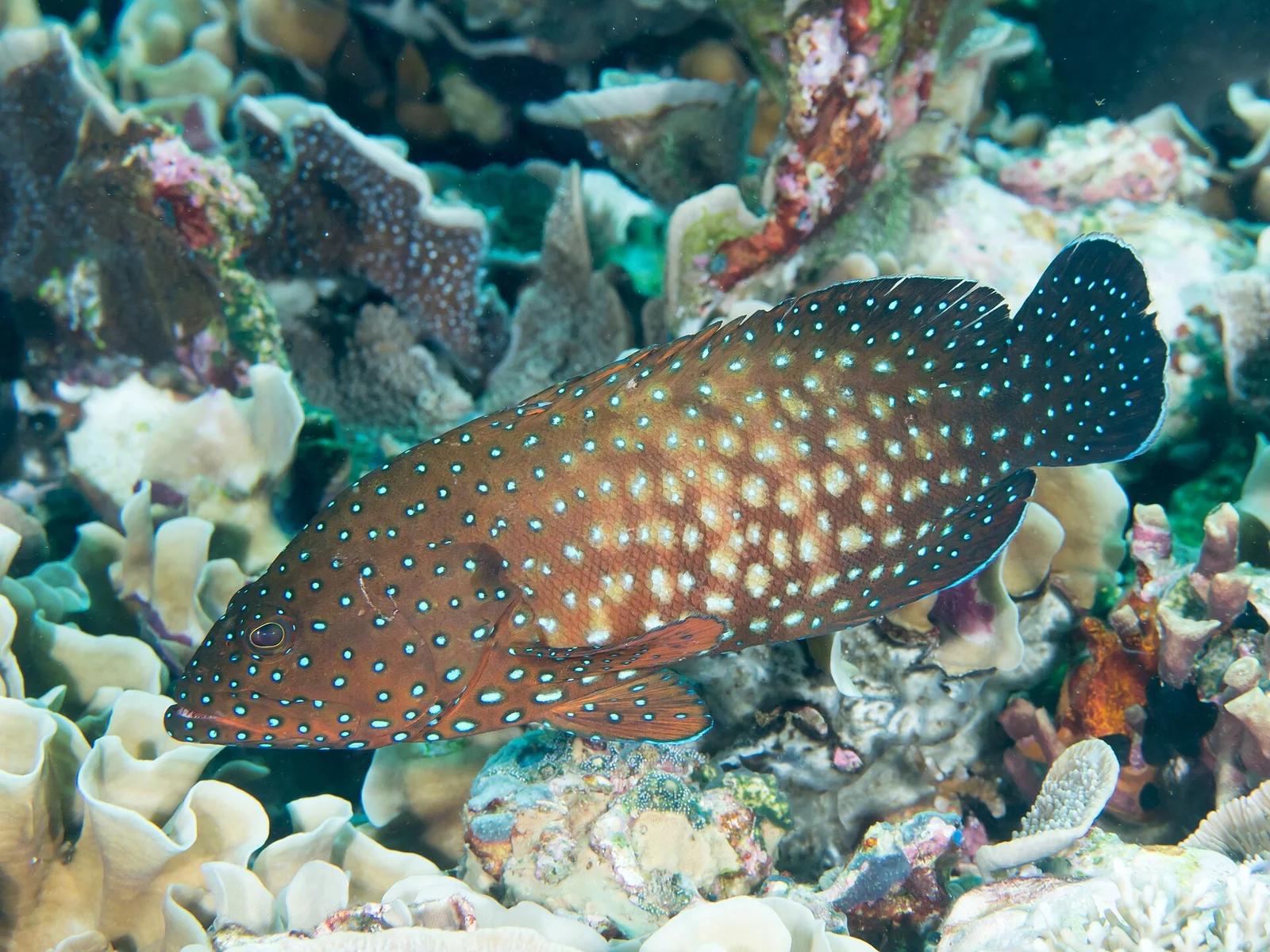
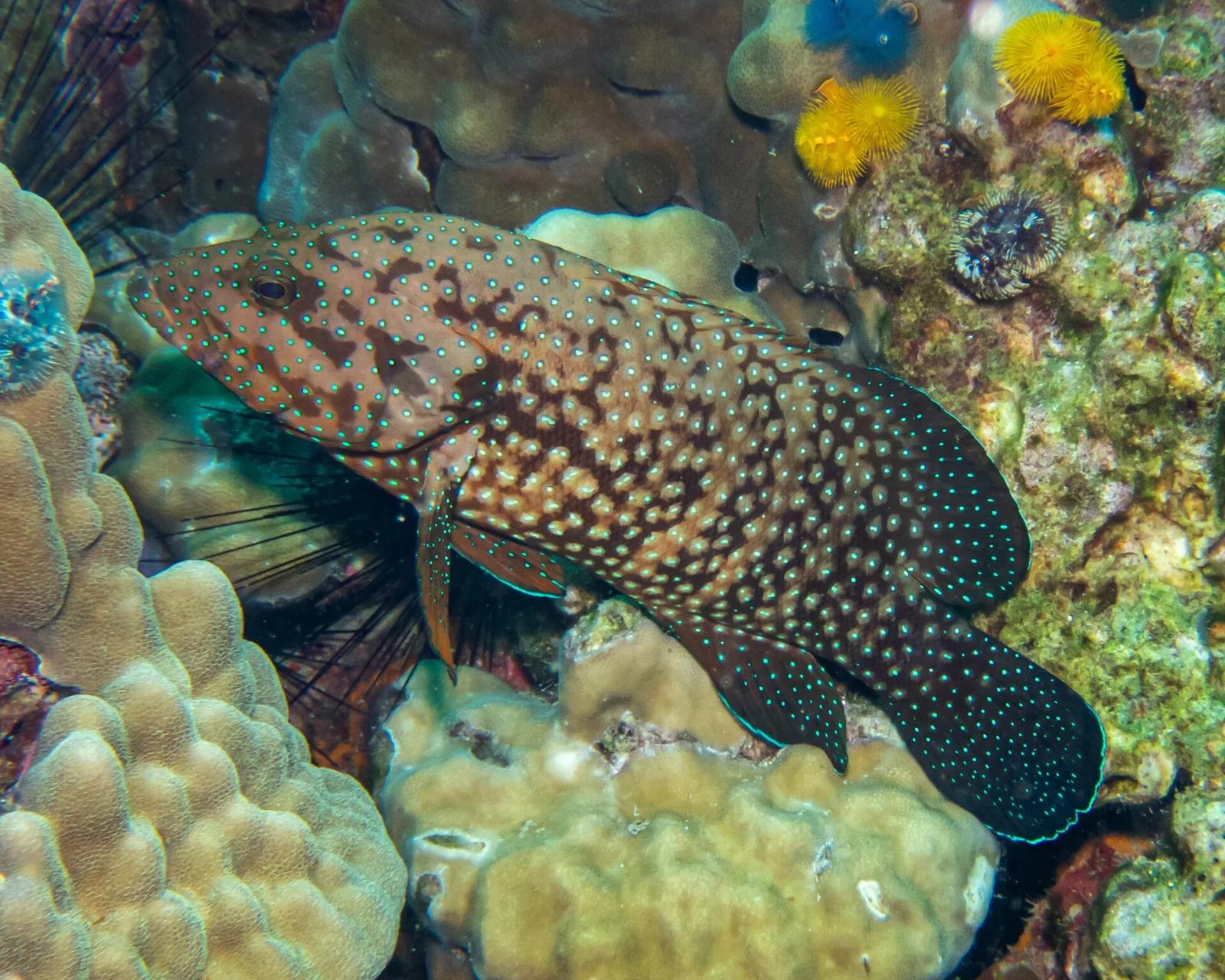
Bluespotted groupers are seen here in September.
- Out of season · From December·Least Concern
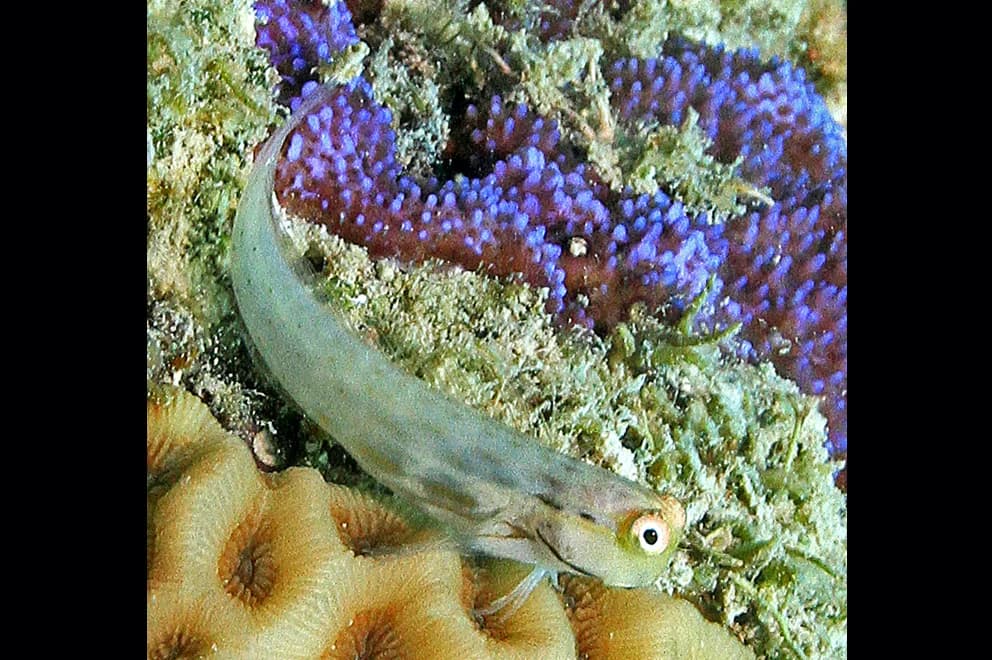
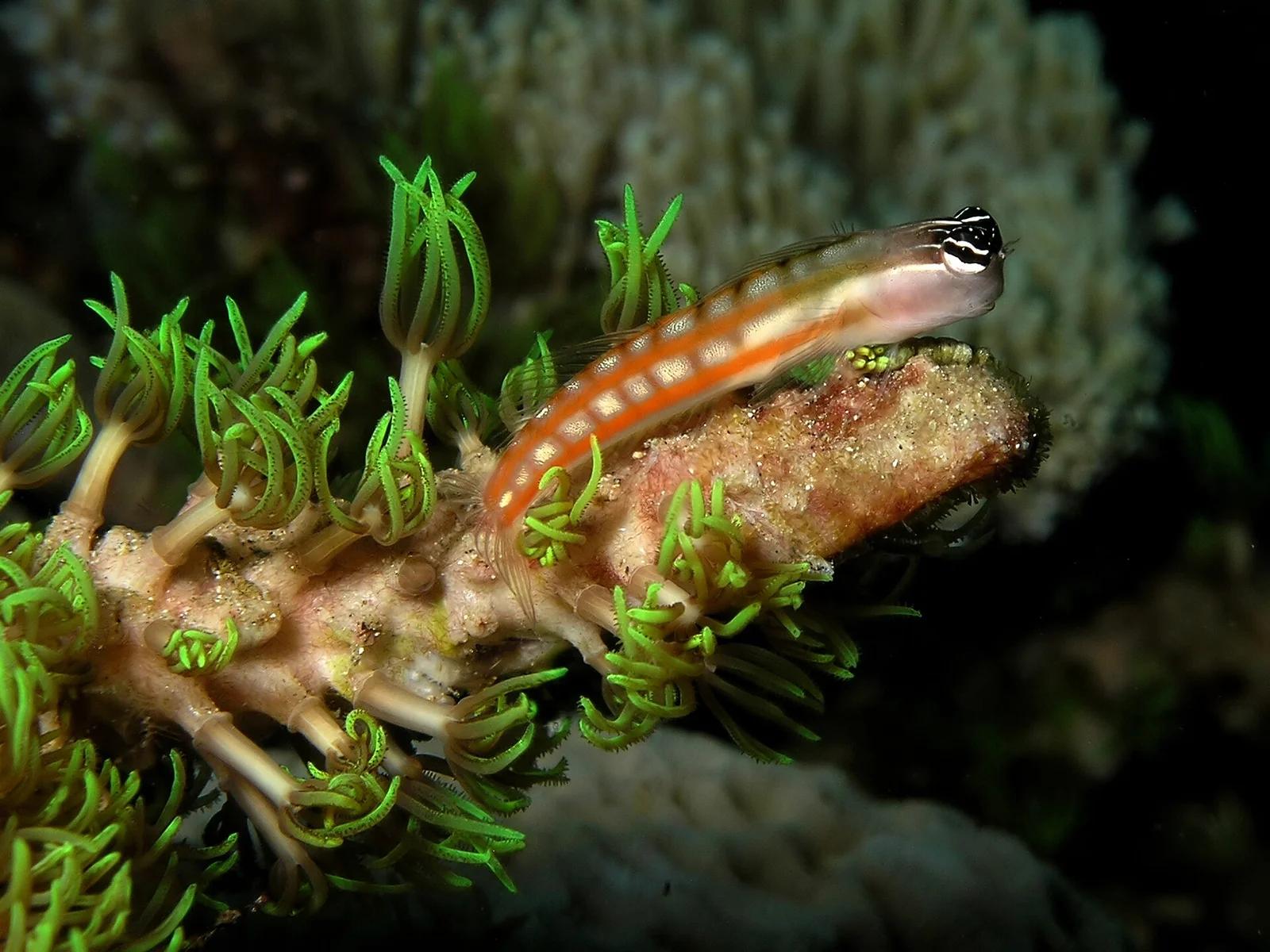
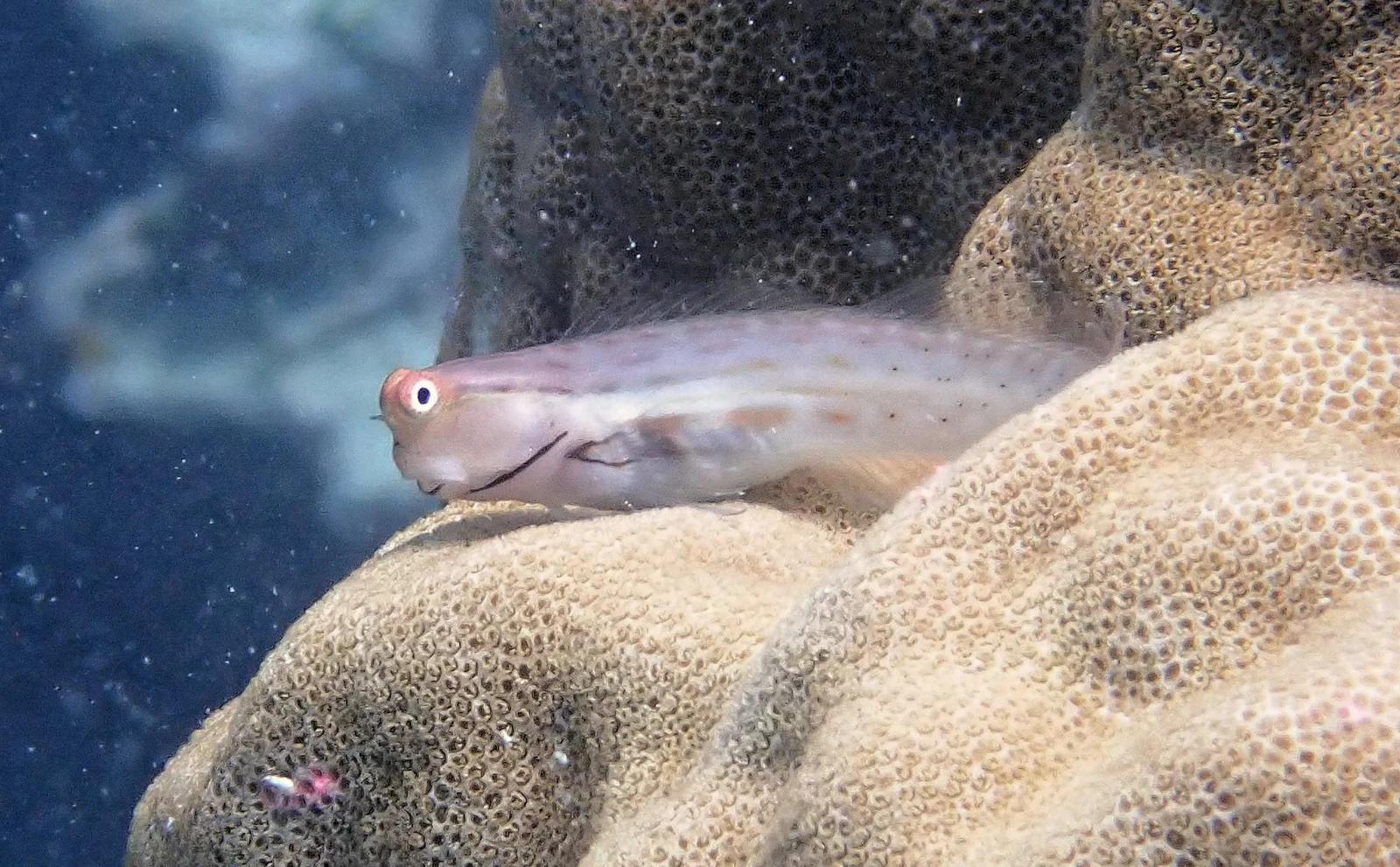
Ecsenius stictus, known commonly as the Great Barrier Reef blenny, is a species of combtooth blenny in the genus Ecsenius. It is found in the Great Barrier Reef, and around the Chesterfield Islands. It can reach a maximum length of 5.8 centimetres. Blennies in this species feed primarily off of plants, including benthic algae and weeds.
Wikipedia