Wildlife in San Diego
 --b-- from Portland, USA · CC BY-SA · Wikimedia Commons
 Taylor Hand from Corvallis, Oregon, United States · CC BY-SA · Wikimedia Commons
 Tylwyth Eldar · CC BY-SA · Wikimedia Commons
- In season · Feb, May–Sep, Nov·Least Concern
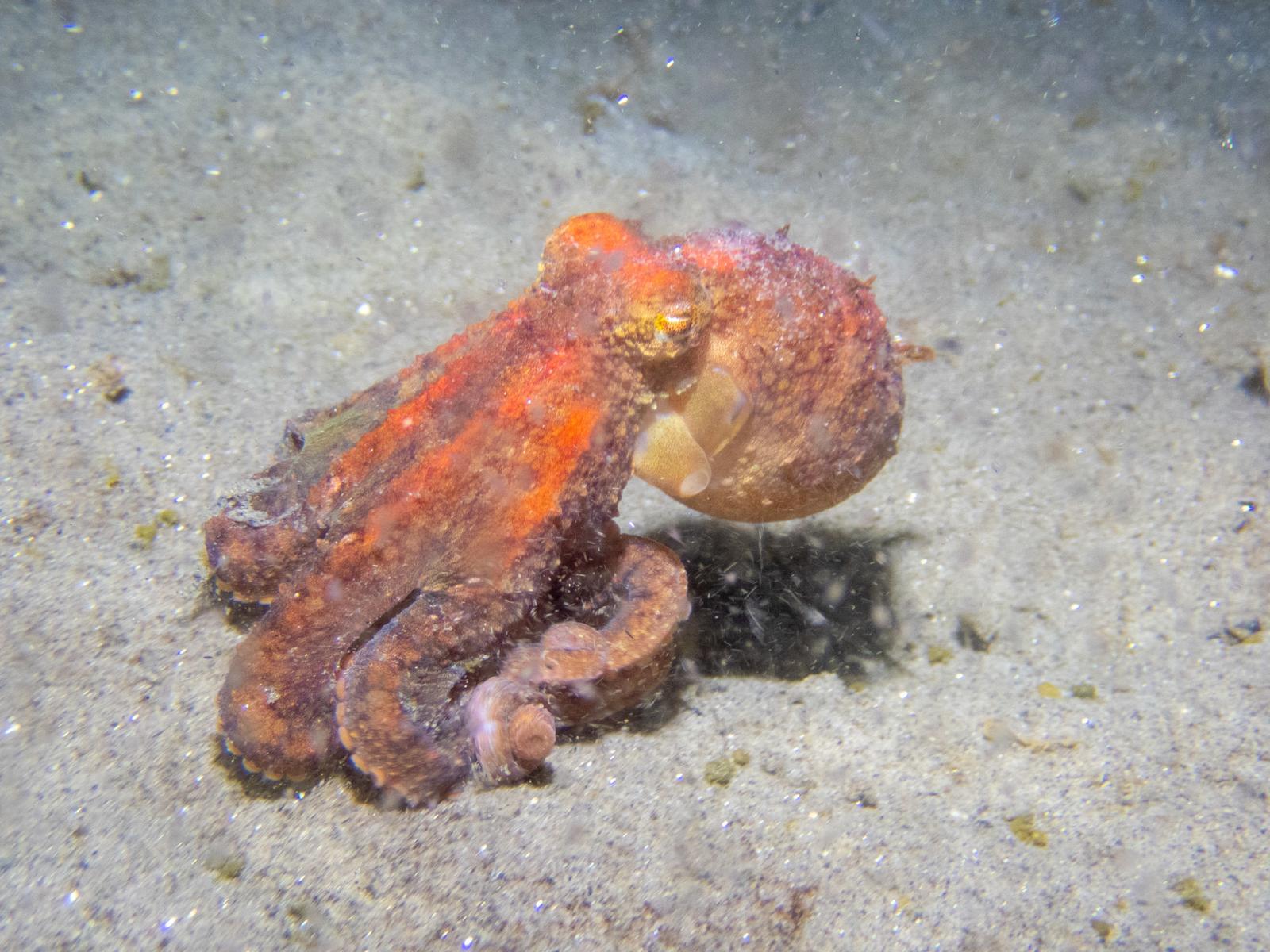
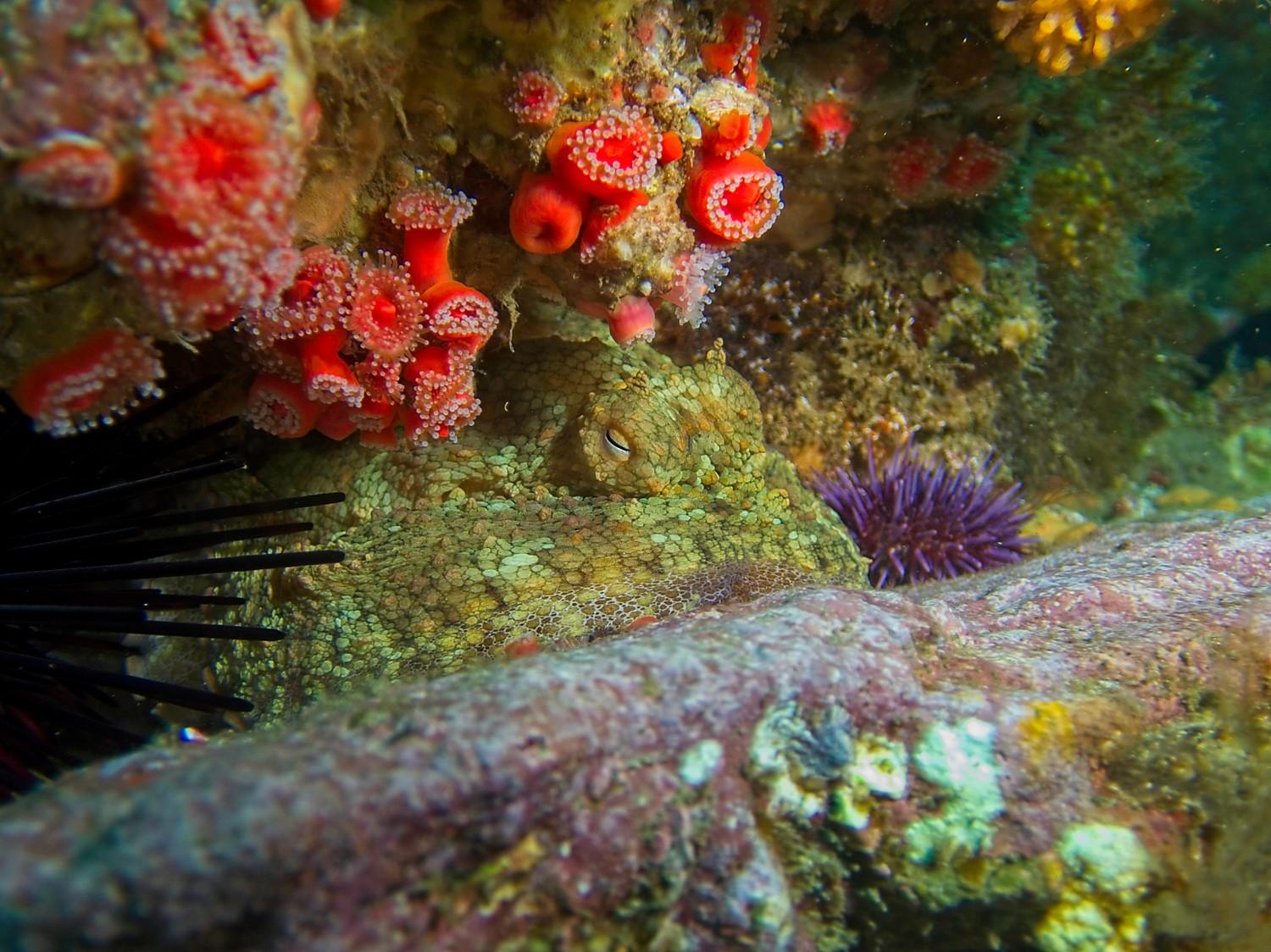
Octopus bimaculatus, or Verrill's two-spot octopus, is an octopus common in the subtidal and intertidal zone of Southern California. It is often confused with the another species that shares a similar range, Octopus bimaculoides.
Wikipedia - In season · Jul–Nov·Least Concern
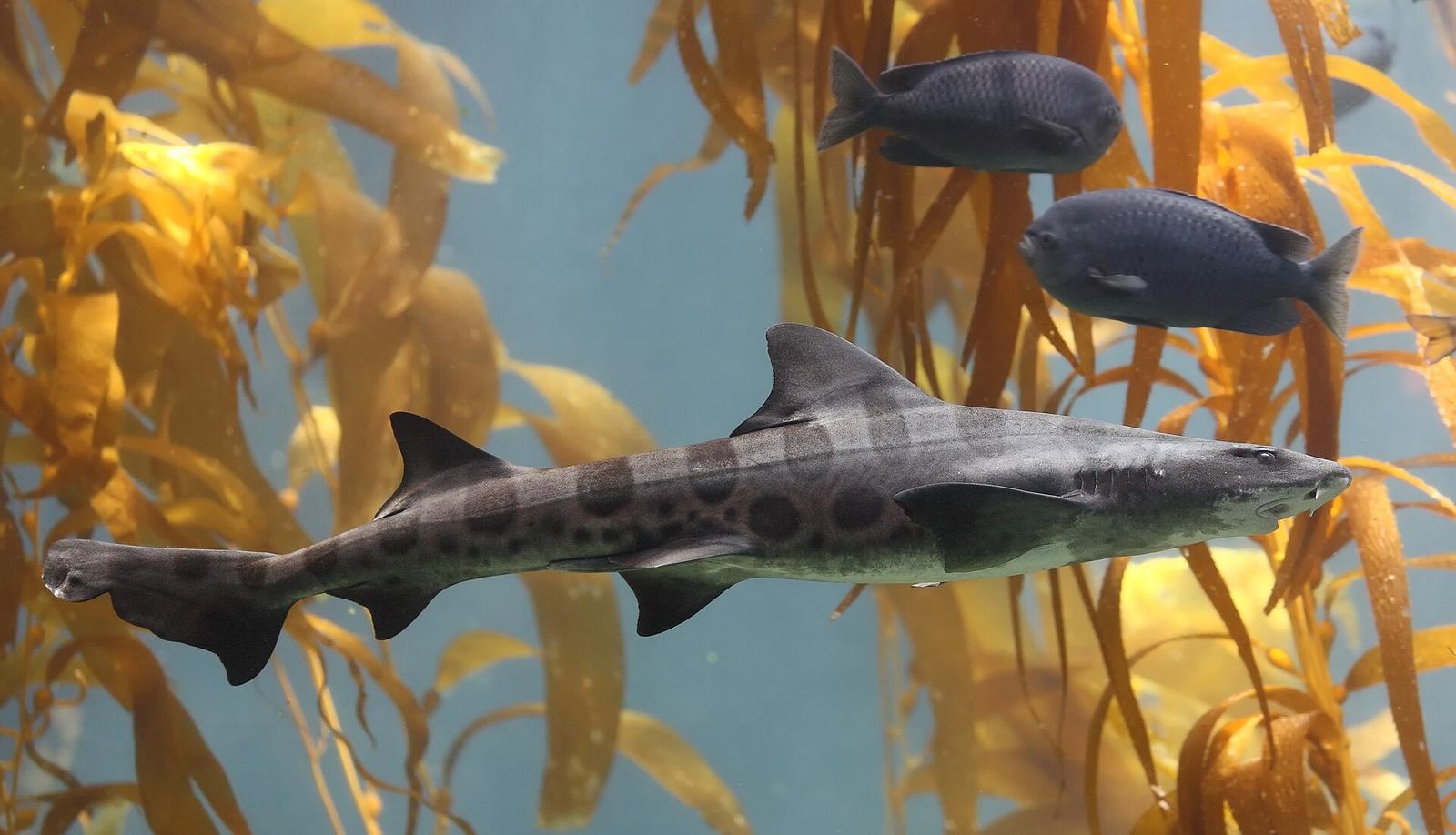
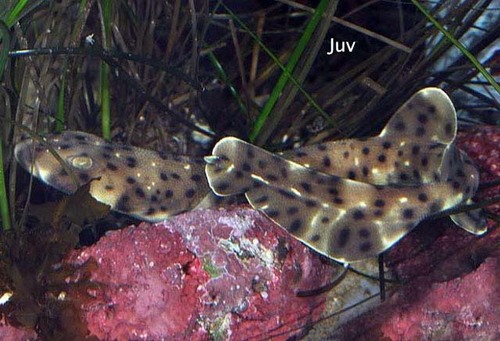
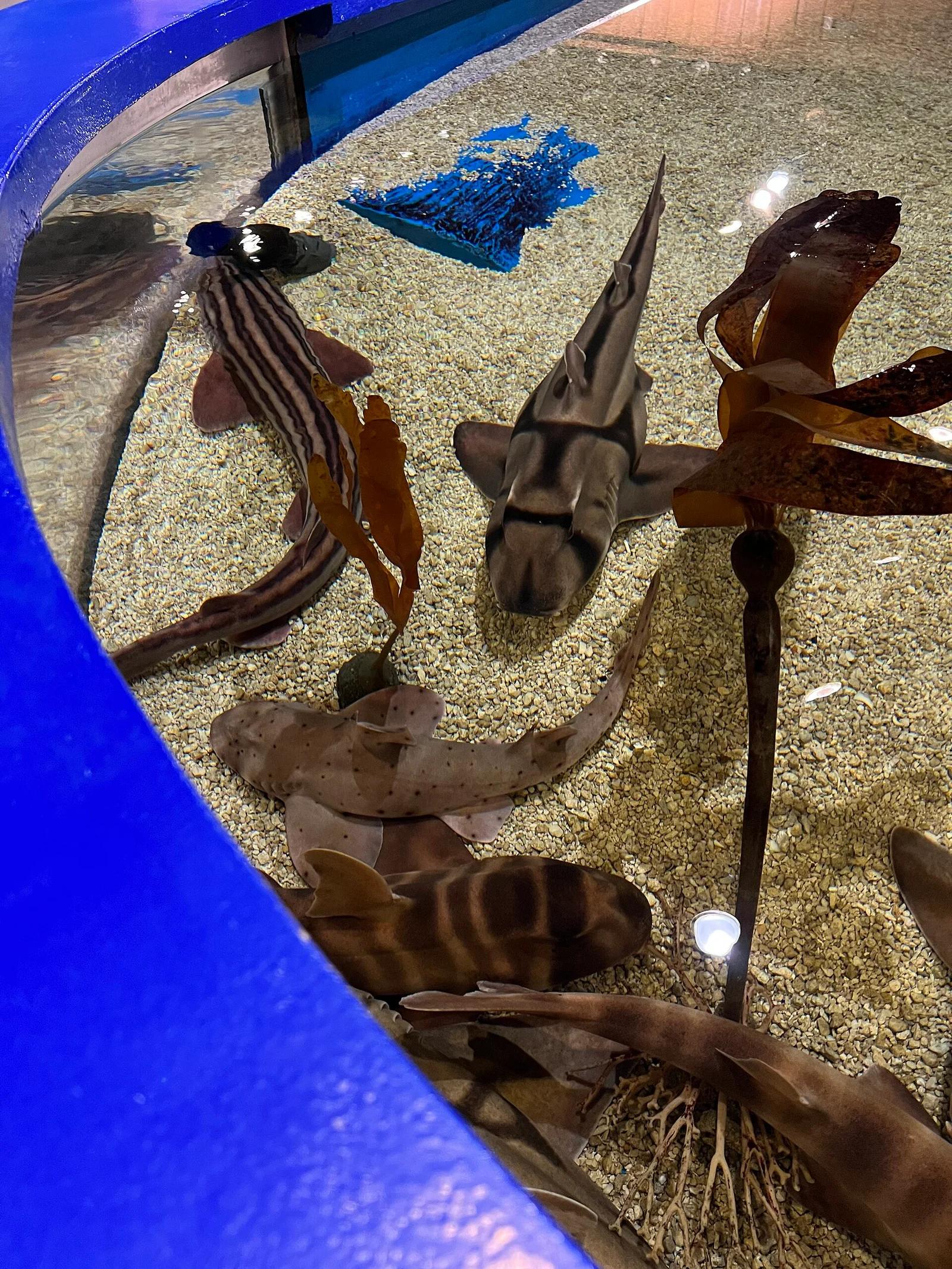
The leopard shark (Triakis semifasciata) is a species of houndshark, in the family Triakidae. It is found along the Pacific coast of North America, from the U.S. state of Oregon to Mazatlán in Mexico. Typically measuring 1.2–1.5 m (3.9–4.9 ft) long, this slender-bodied shark is immediately identifiable by the striking pattern of black saddle-like markings and large spots over its back, from whic
Wikipedia - In season · Jun–Aug, Oct–Nov·Least Concern
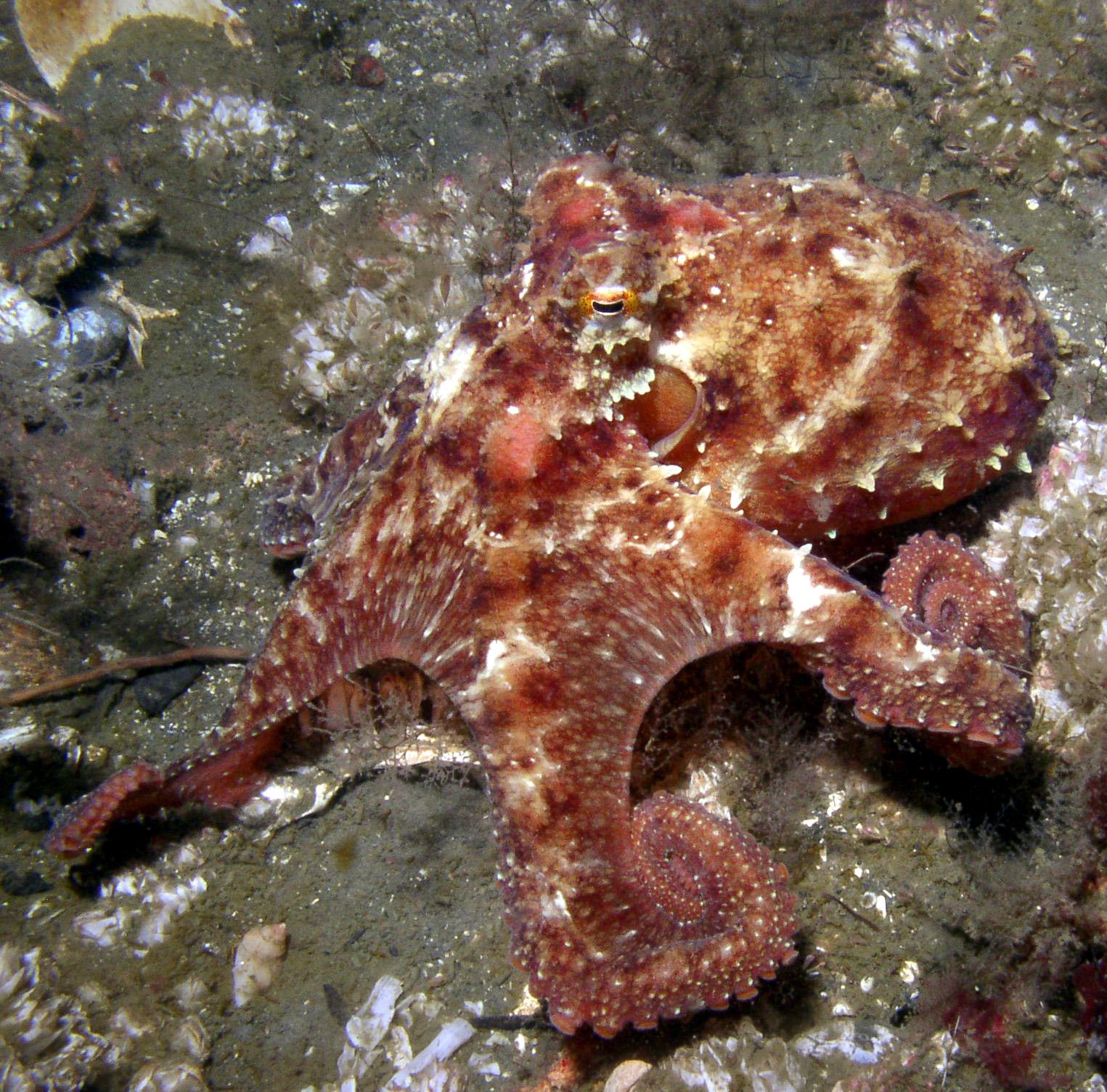
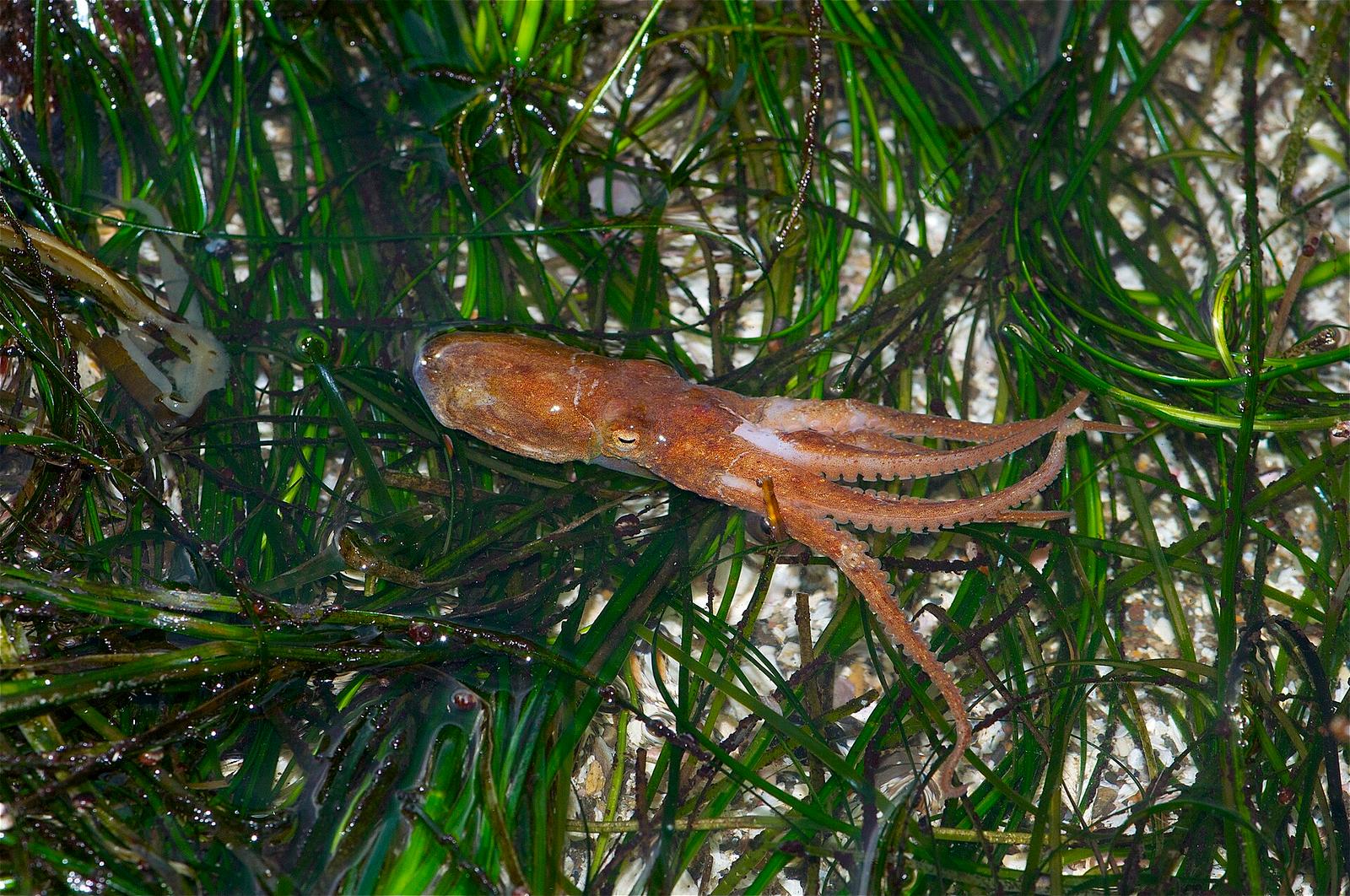
Octopus rubescens (Commonly the East Pacific red octopus, also known as the ruby octopus, a preferred common name due to the abundance of octopus species colloquially known as red octopus) is the most commonly occurring shallow-water octopus on much of the North American West Coast, and a ubiquitous benthic predator in these habitats. Its range extends from the southern Gulf of California at lea
Wikipedia - In season · Mar, Aug–Nov
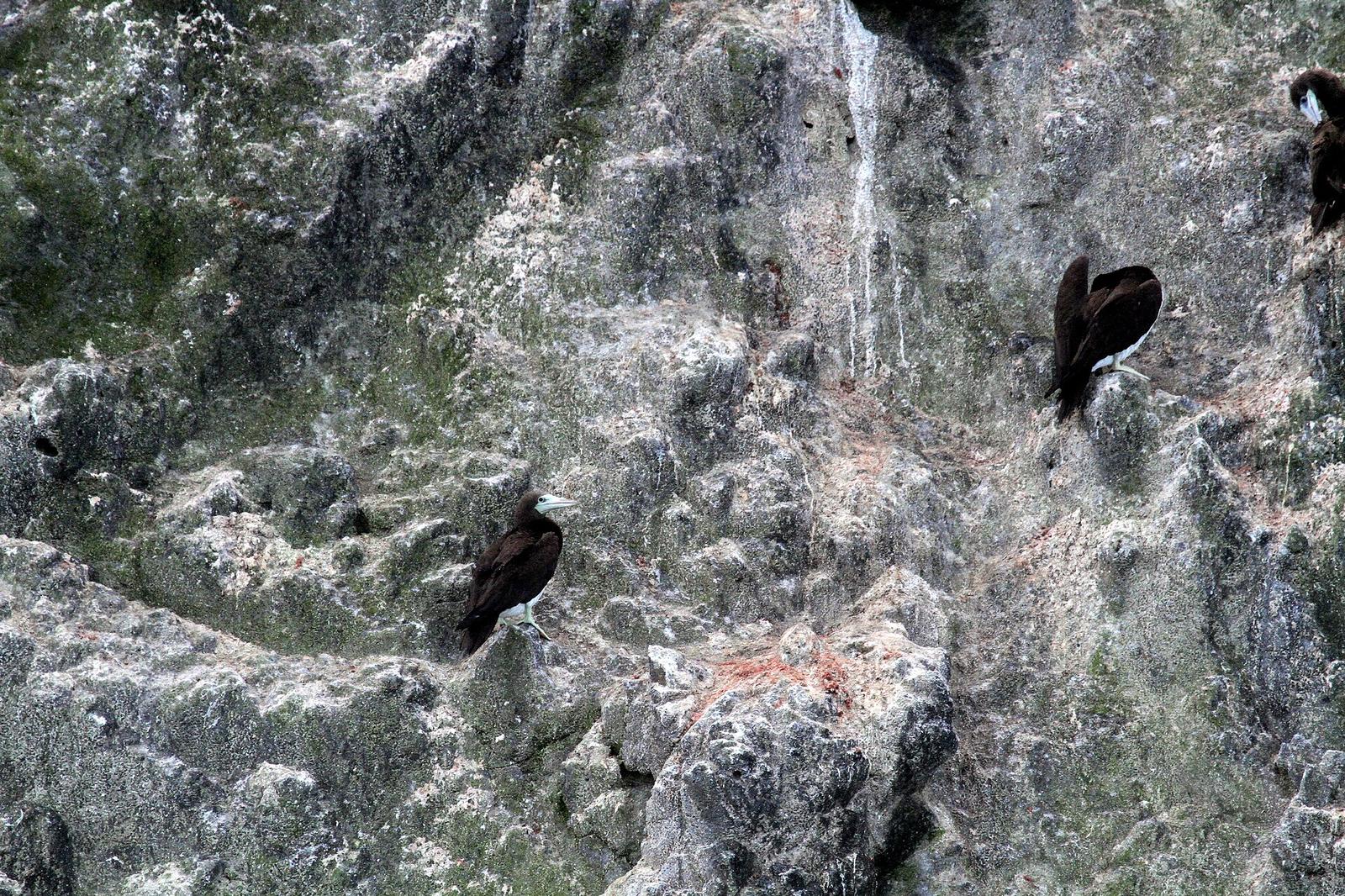
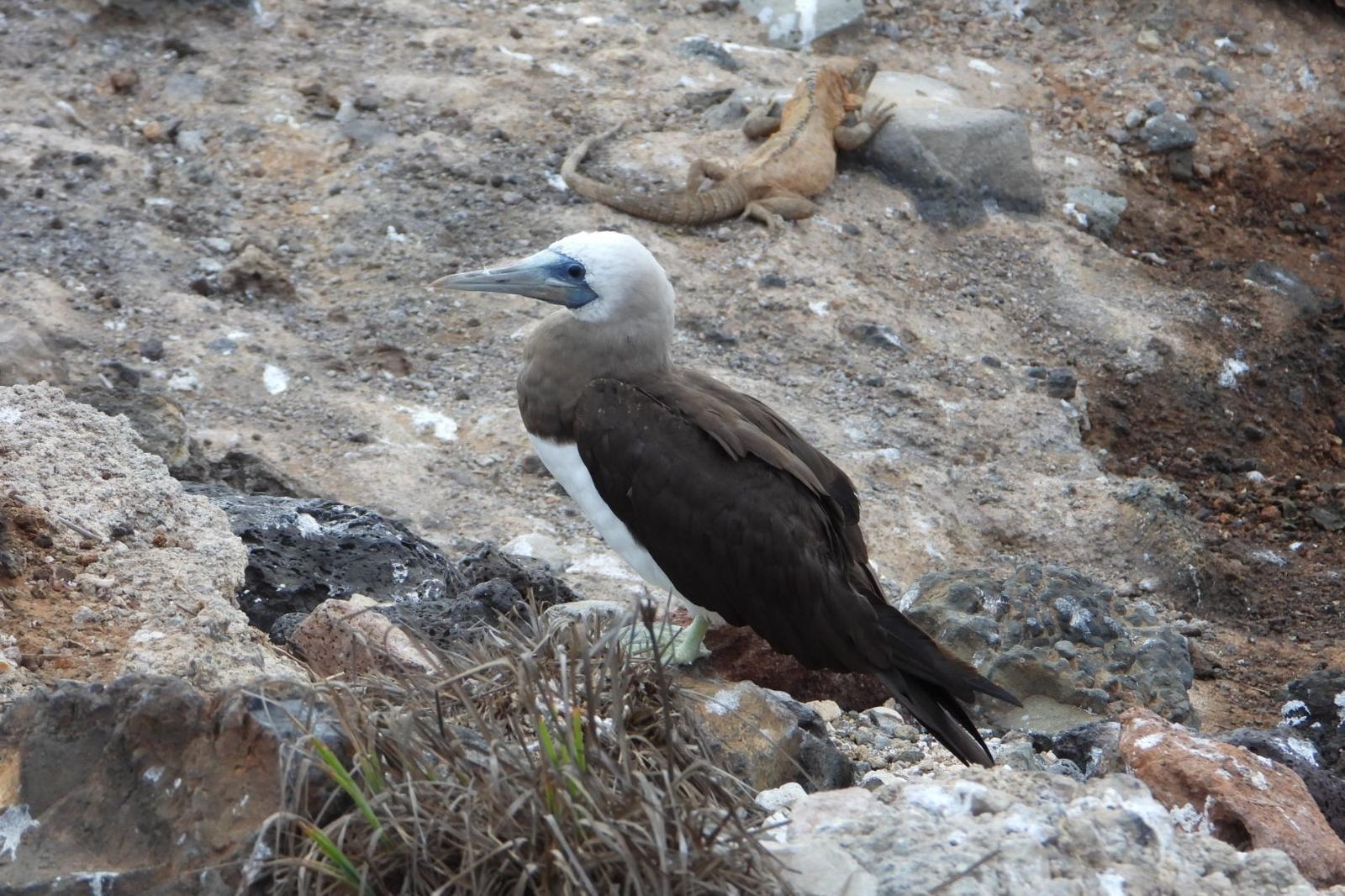
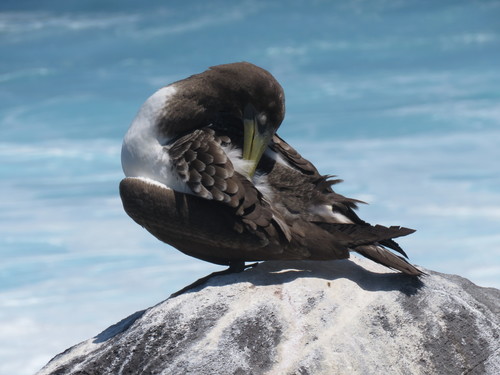
The Cocos booby (Sula brewsteri), formerly known as Brewster's booby, is a species of booby in the family Sulidae. It was formerly considered a subspecies of Brown booby, but it was split by the American Ornithological Society in 2024 due to morphological and behavioural differences. It is native to the east and central Pacific Ocean.
Wikipedia - In season · Jan, Jun–Sep, Nov·Least Concern
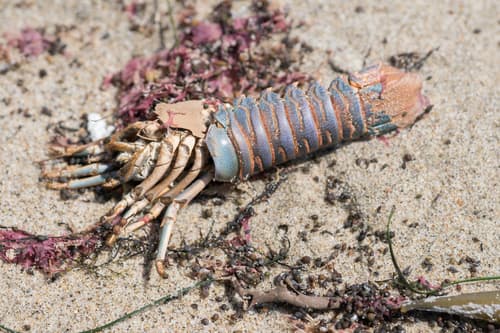
The California spiny lobster (Panulirus interruptus) is a species of spiny lobster found in the eastern Pacific Ocean from Monterey Bay, California to the Gulf of Tehuantepec, Mexico. It typically grows to a length of 30 cm (12 in) and is a reddish-brown color with stripes along the legs, and has a pair of enlarged antennae but no claws. The interrupted grooves across the tail are characteristic
Wikipedia - In season · Year-round·Least Concern
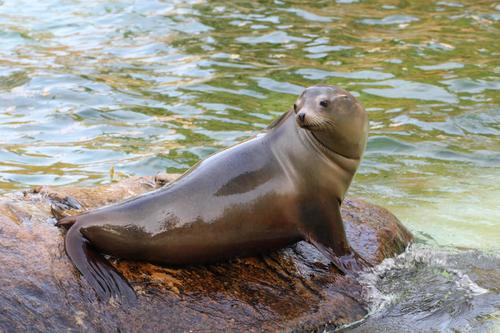
The California sea lion (Zalophus californianus) is a coastal eared seal native to western North America. It is one of six species of sea lion. Its natural habitat ranges from southeast Alaska to central Mexico, including the Gulf of California. Sea lions are sexually dimorphic; males are larger than females, and have a thicker neck and protruding crest. They mainly haul-out on sandy or rocky be
Wikipedia - Out of season · Best Apr–May, Aug
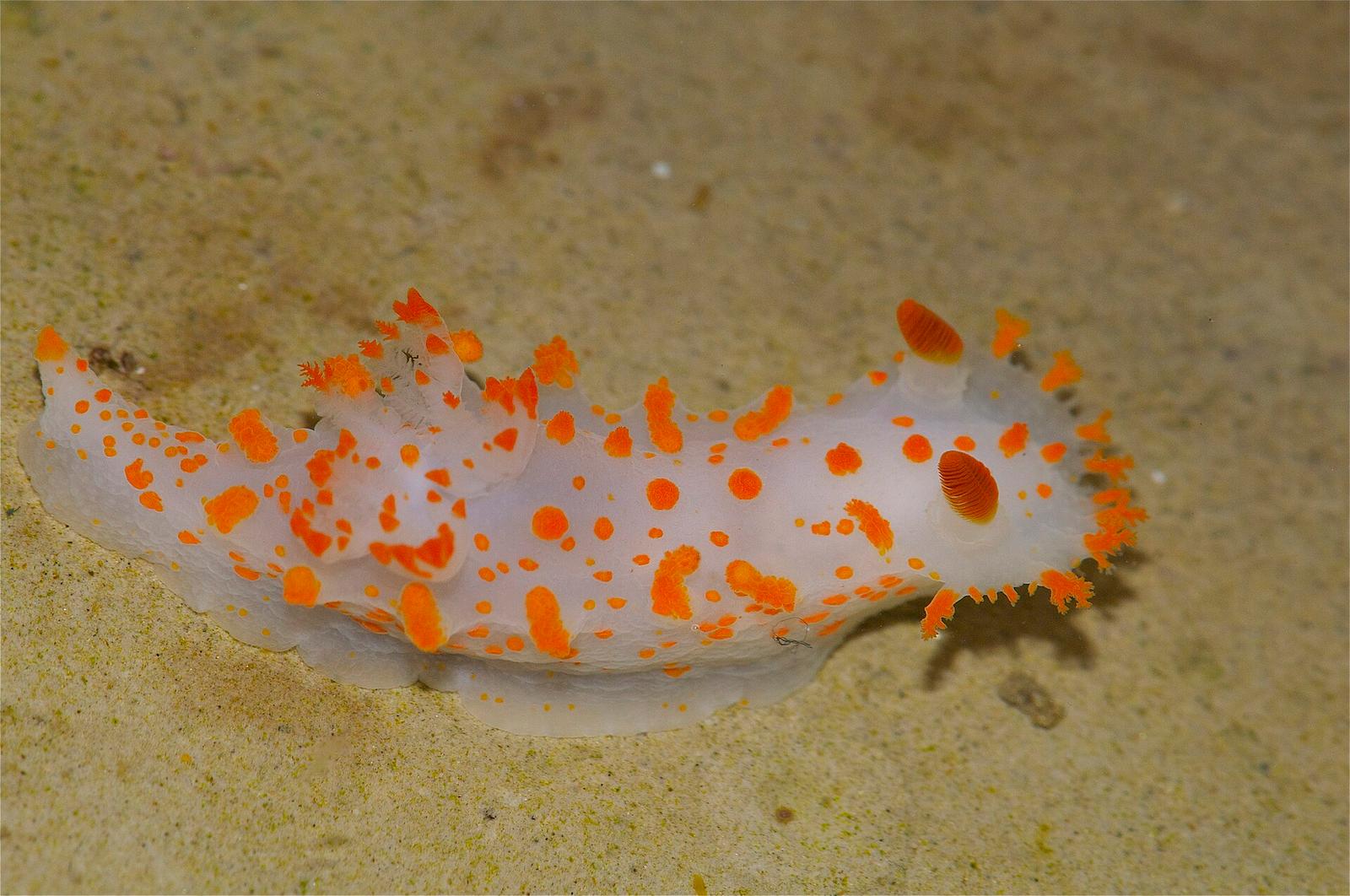
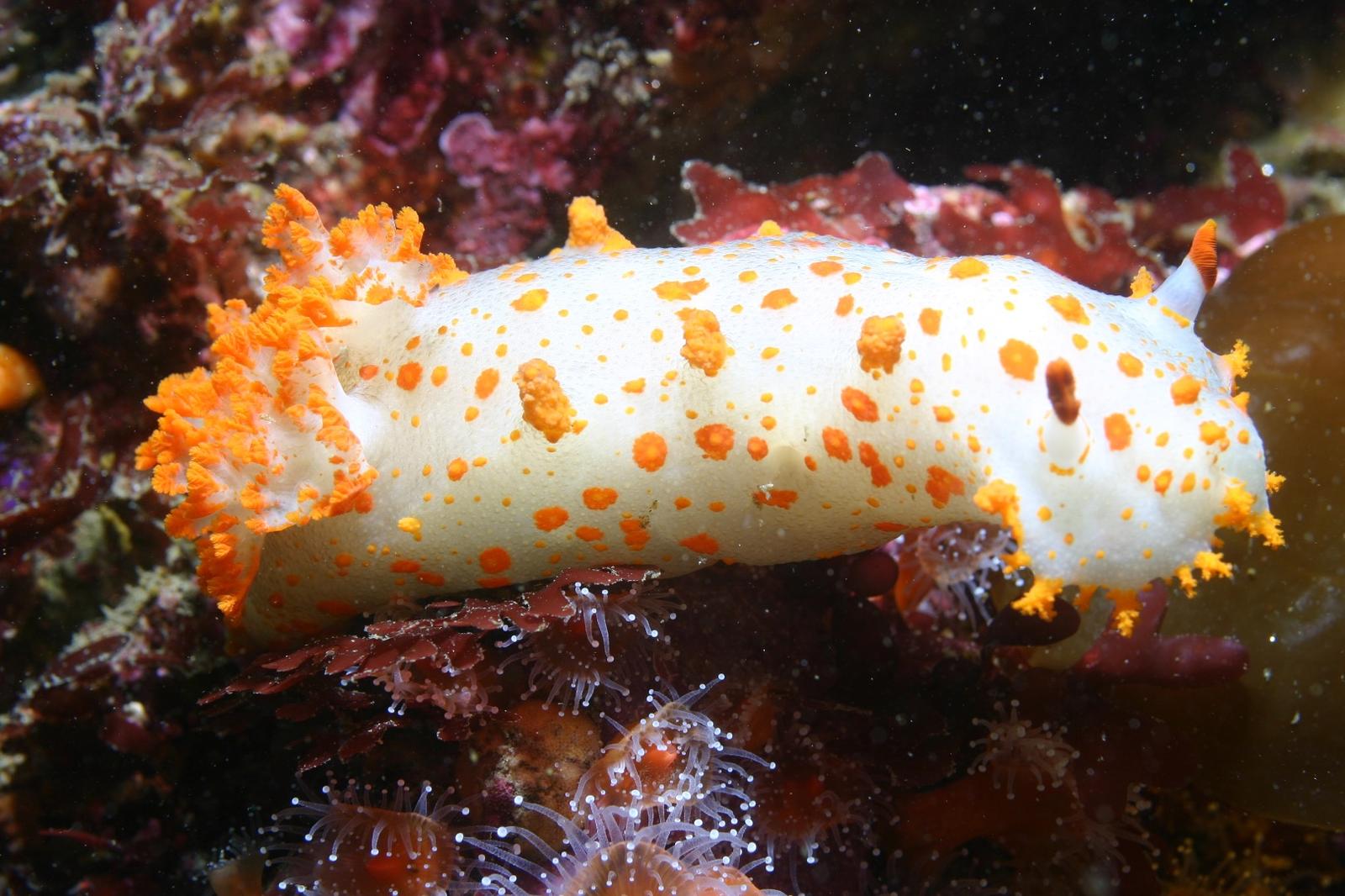
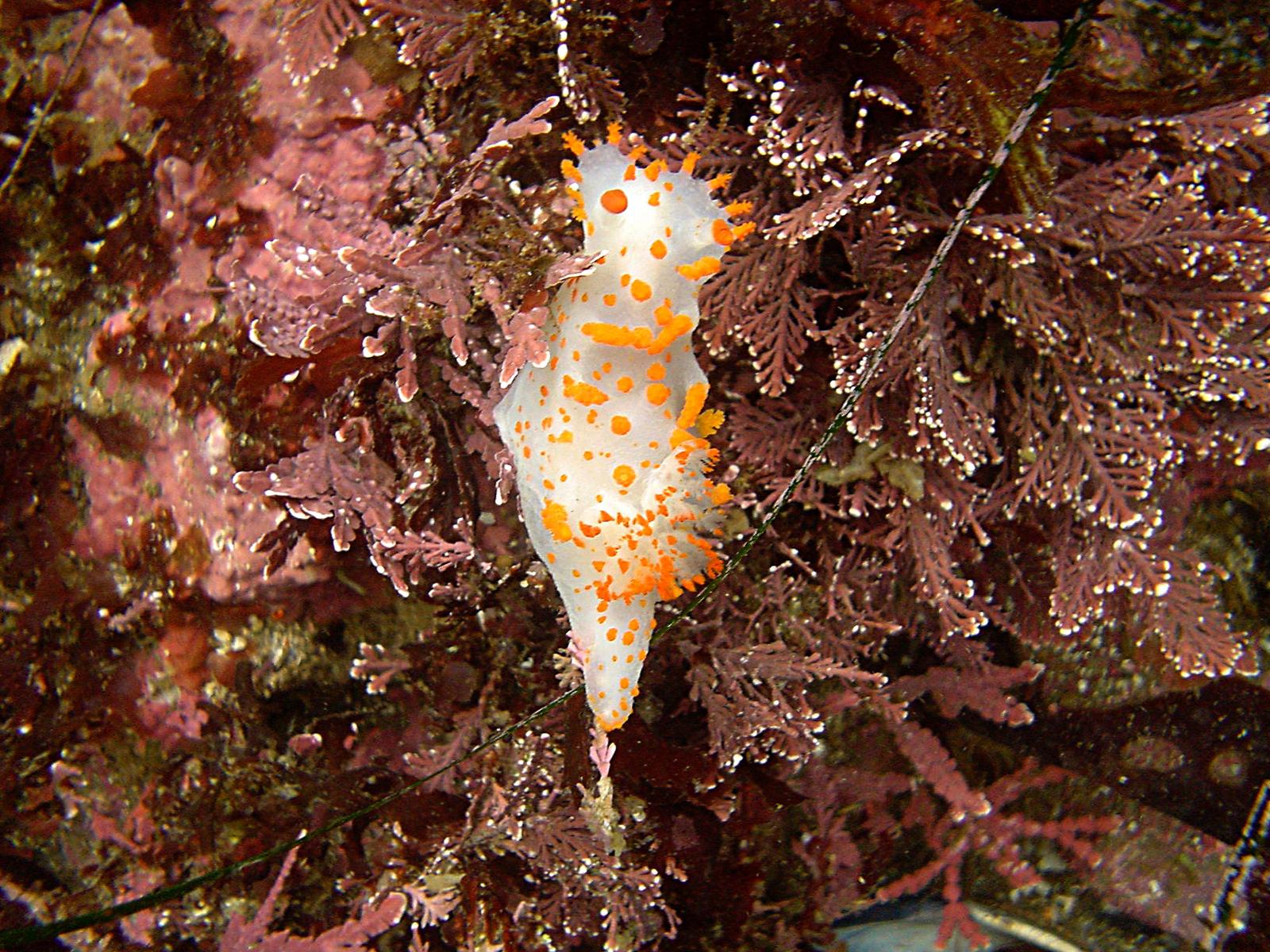
Triopha catalinae, commonly known as the sea clown triopha, is a species of colorful sea slug, a nudibranch, a shell-less marine gastropod mollusk in the family Polyceridae.
Wikipedia - Out of season · From December·Least Concern
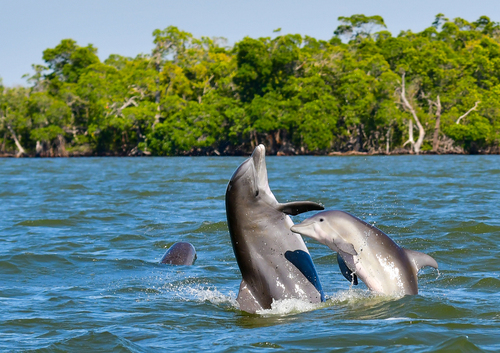
The common bottlenose dolphin (Tursiops truncatus), or Atlantic bottlenose dolphin, is the most well-known species from the family Delphinidae.
Wikipedia - Out of season · Best Jul–Oct·Least Concern
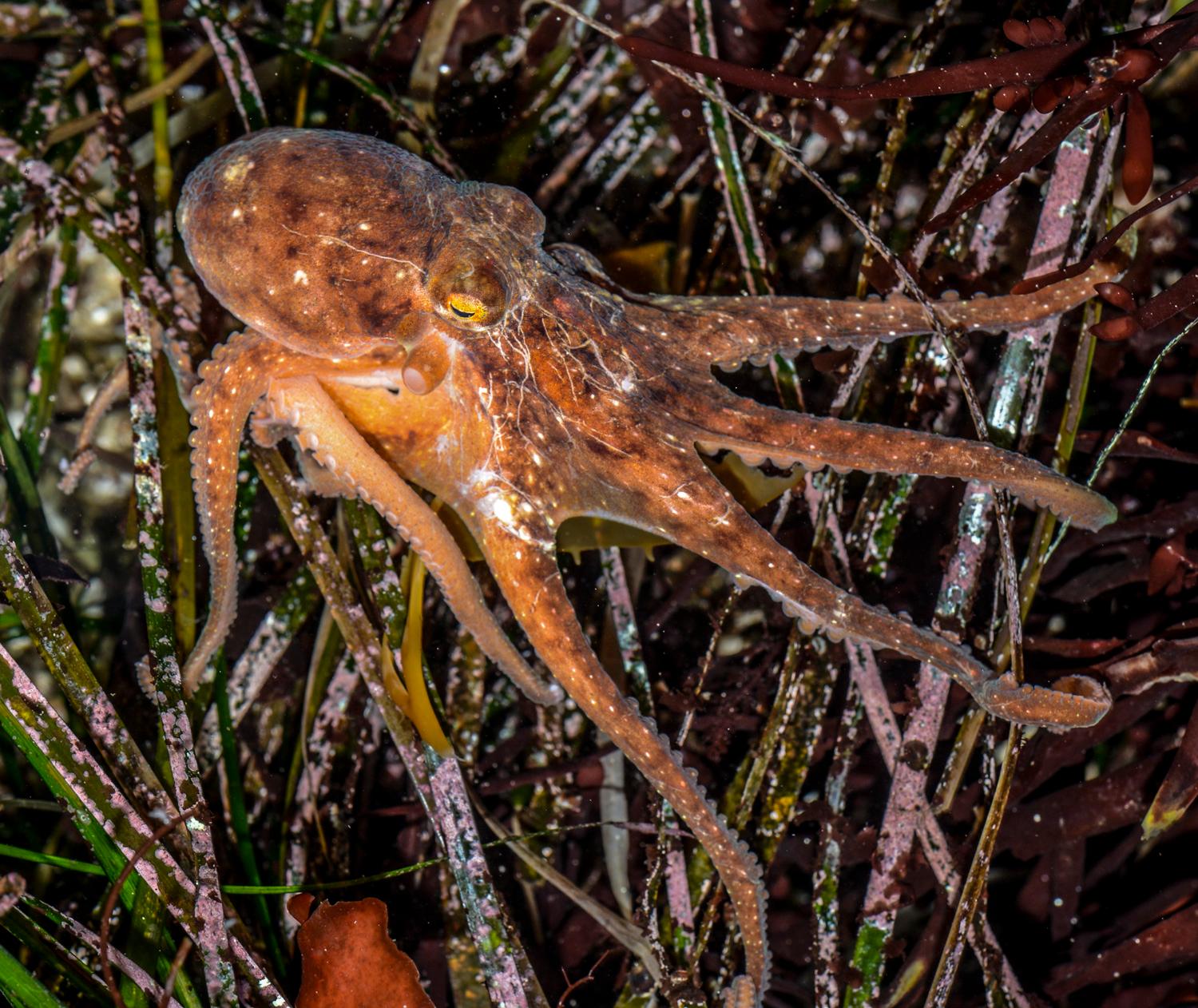
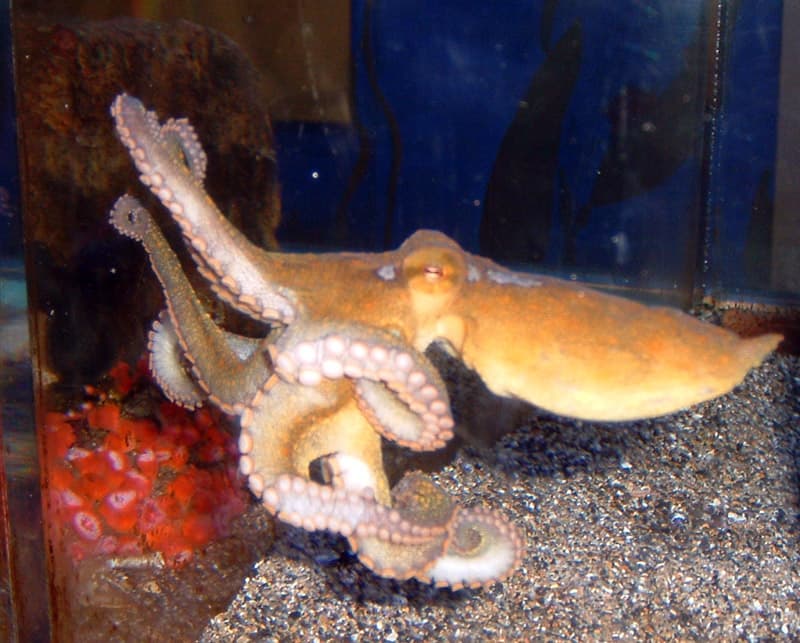
The California two-spot octopus (Octopus bimaculoides), often simply called a "bimac", is an octopus species native to many parts of the Pacific Ocean including the coast of California. One can identify the species by the circular blue eyespots on each side of its head. Due to their friendly temperament and relative hardiness, most experts consider them the best pet octopus. Bimacs usually live
Wikipedia - Out of season · From December·Vulnerable
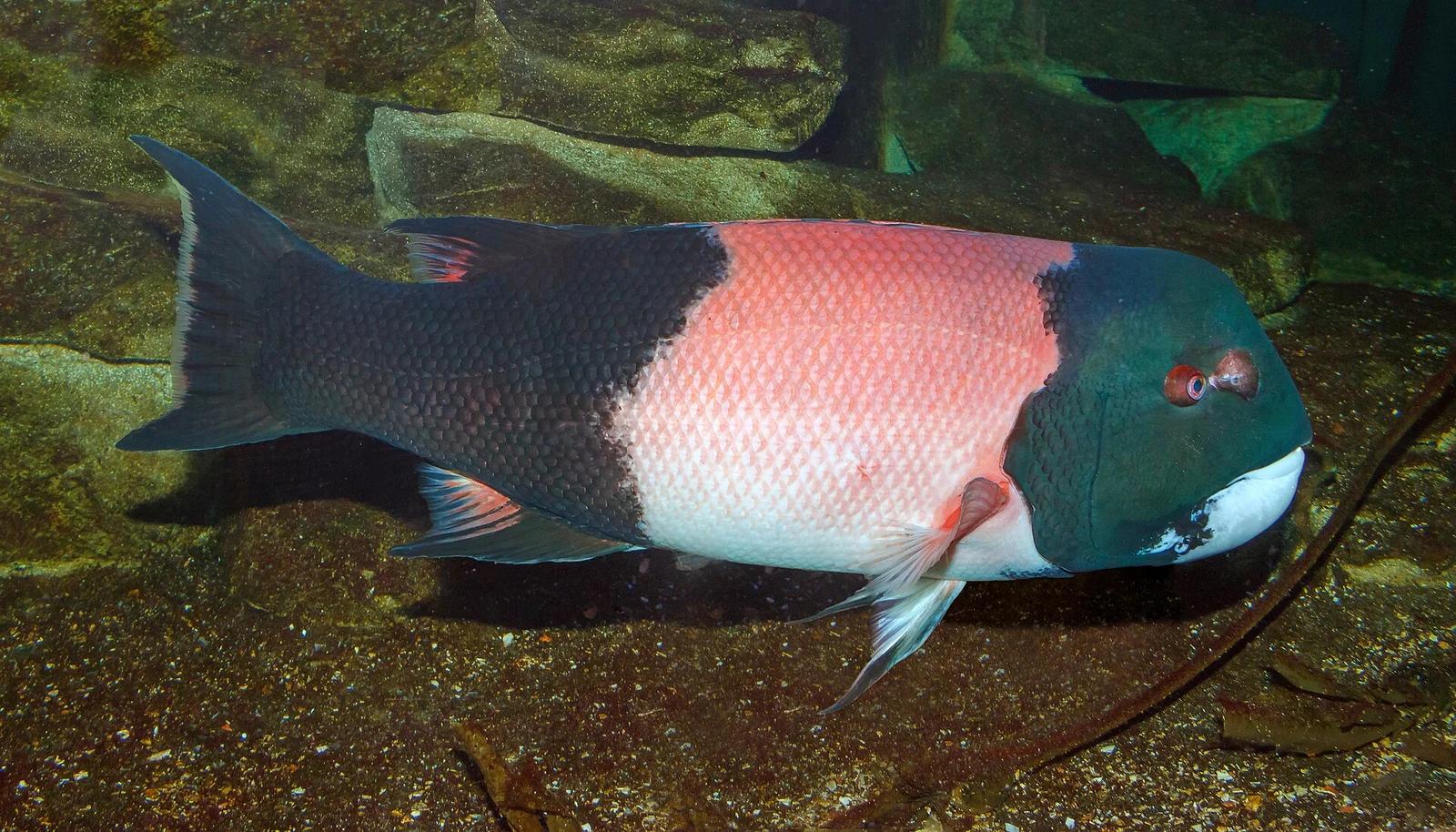
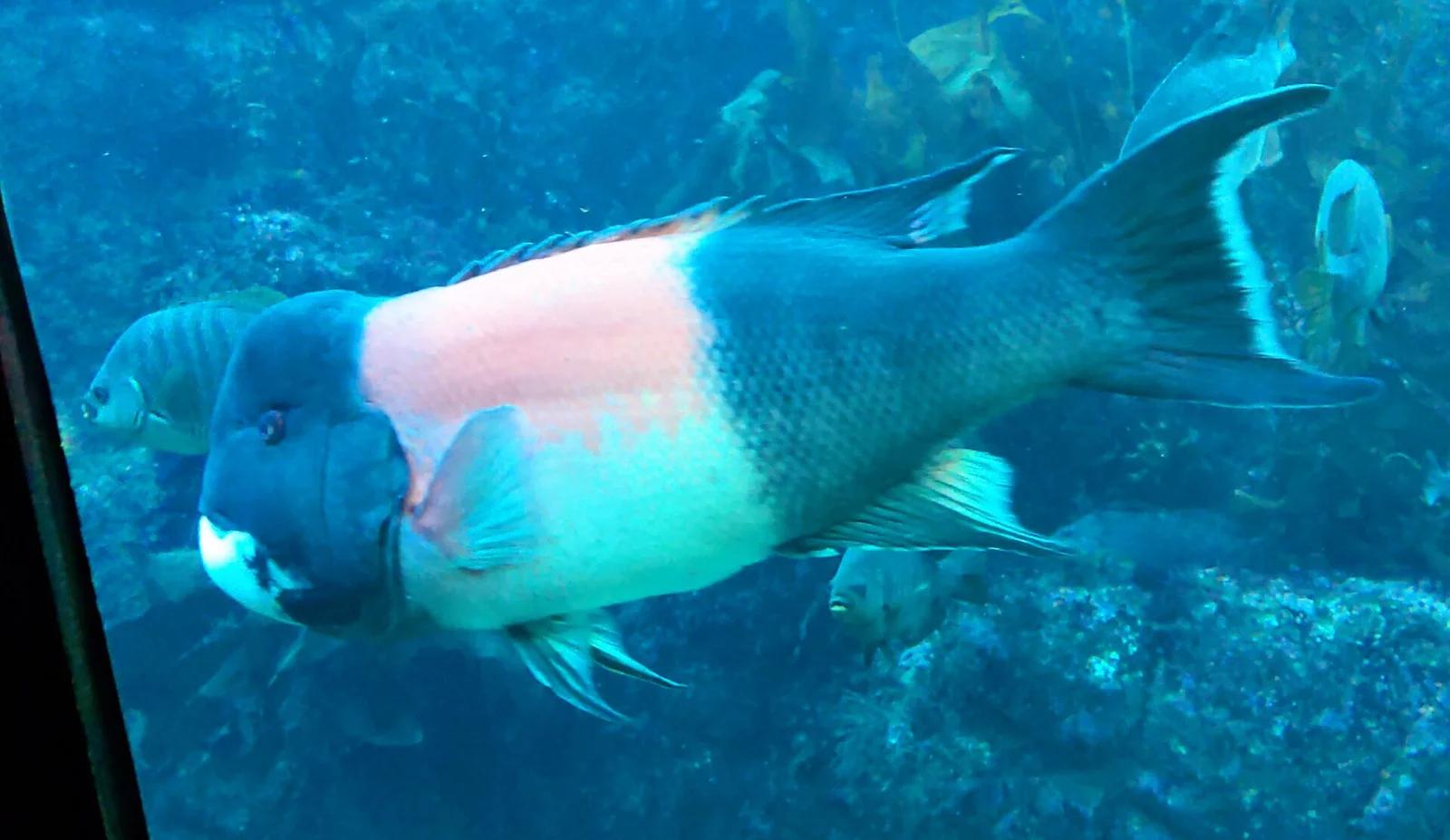
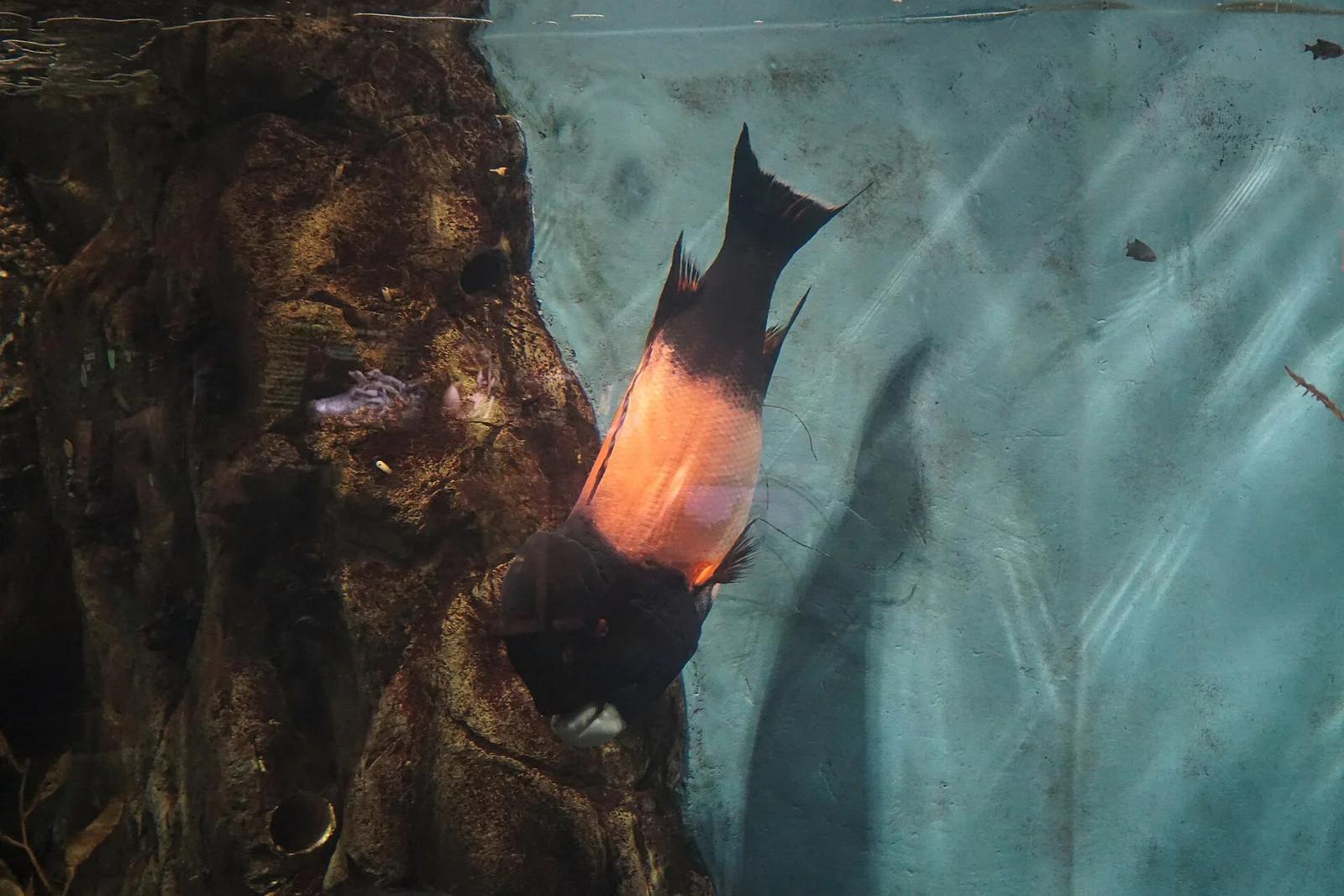
California sheephead are seen here in March, June to October and December.
- Out of season · From December·Least Concern
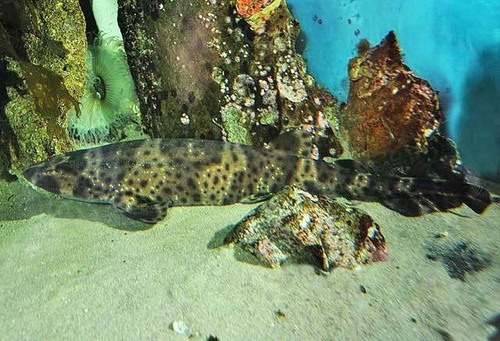
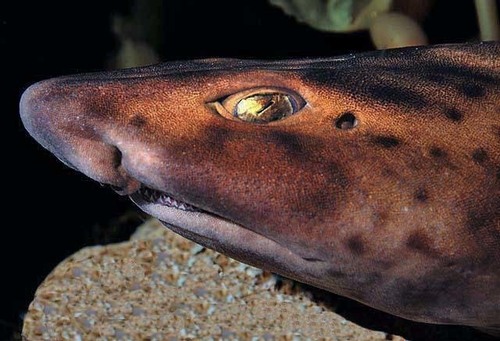
The swell shark (Cephaloscyllium ventriosum) is a catshark of the family Scyliorhinidae. It is found in the subtropical eastern Pacific Ocean between latitudes 40° N and 37° S, from the surface to 460 m.
Wikipedia - Out of season · Best Aug–Sep·Critically Endangered
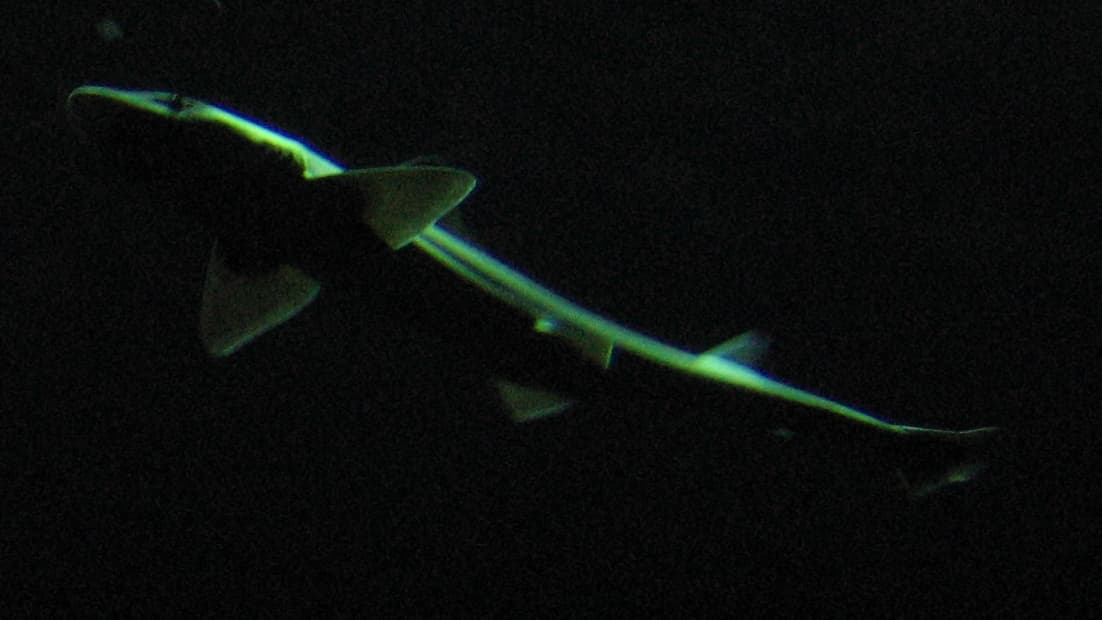
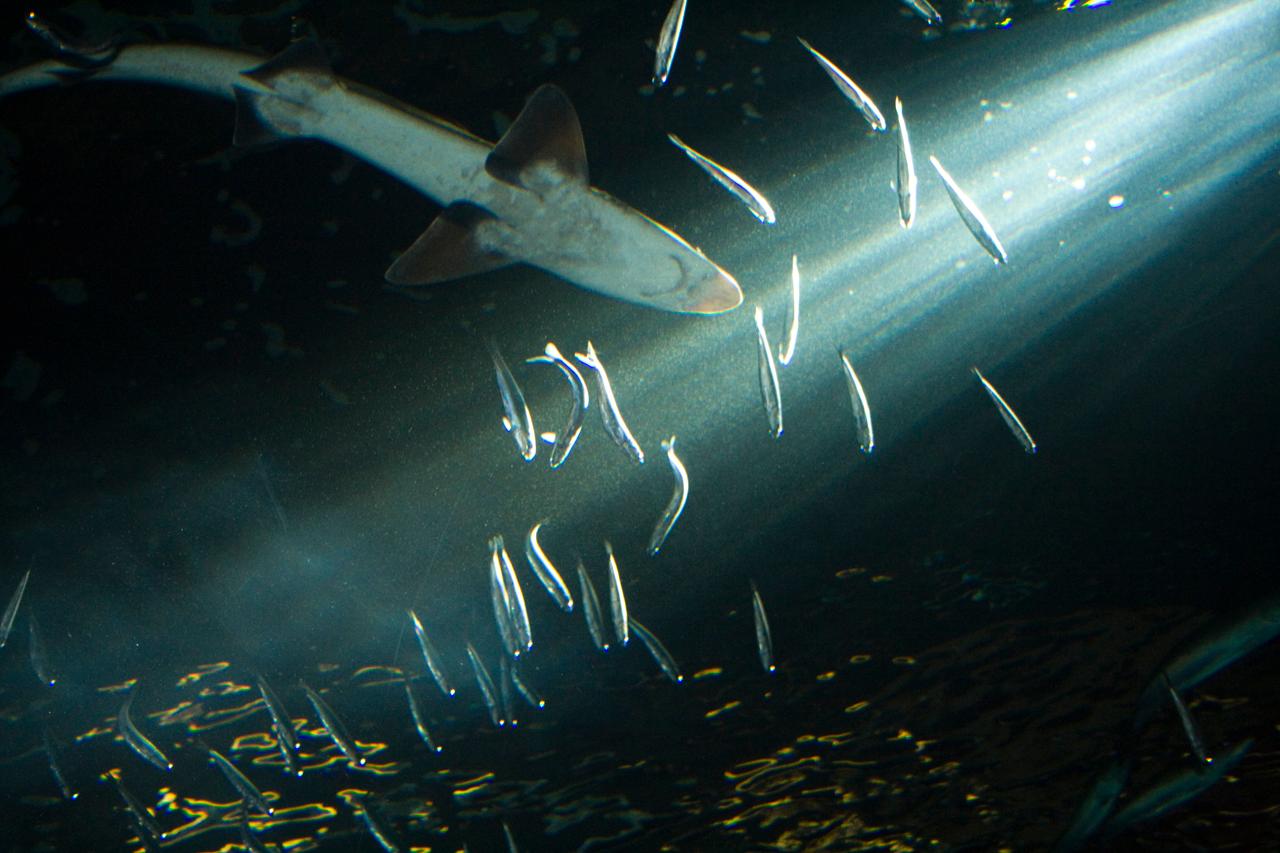
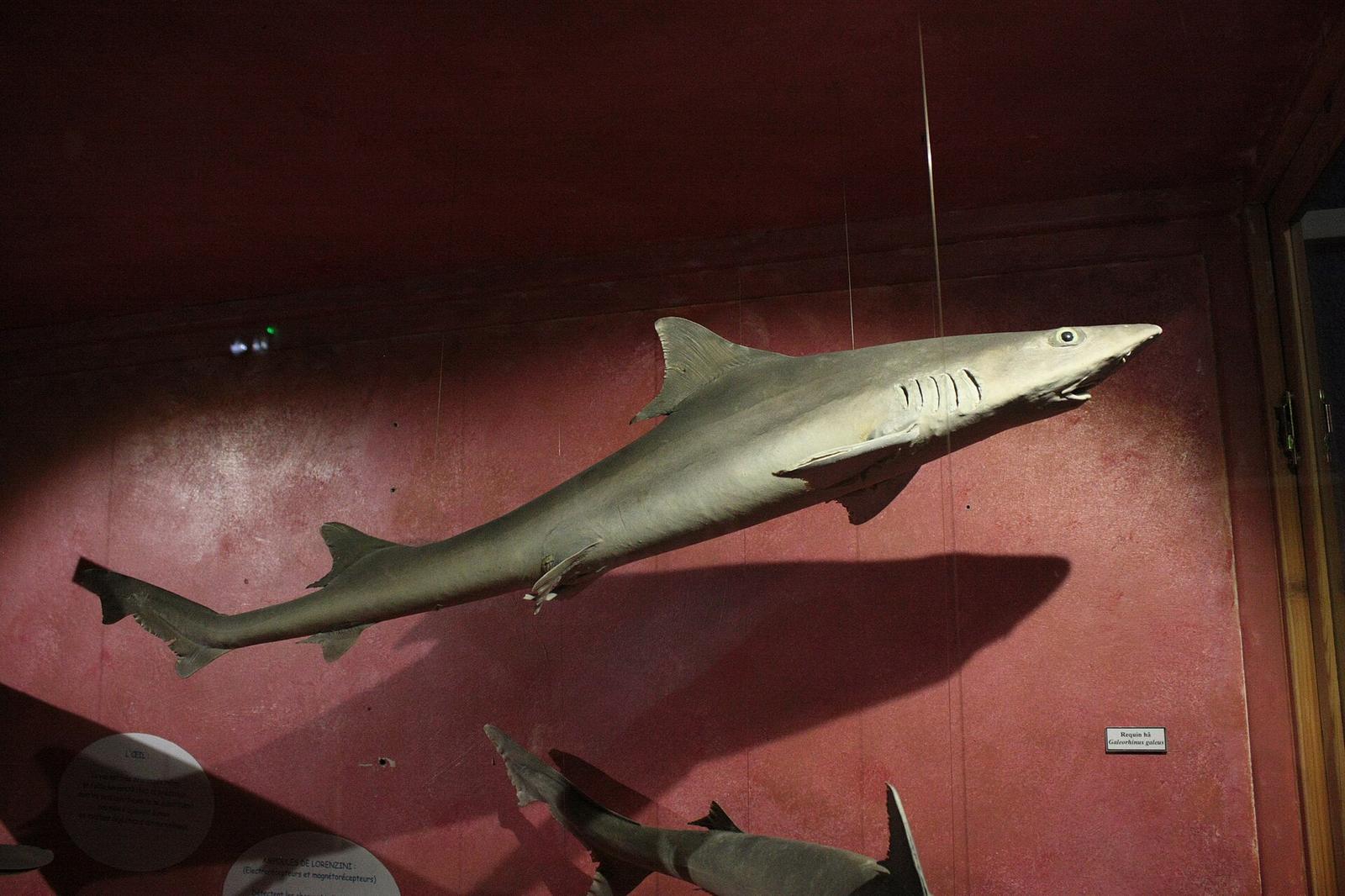
The school shark (Galeorhinus galeus) is a houndshark of the family Triakidae, and the only member of the genus Galeorhinus. Common names also include tope shark, snapper shark, and soupfin shark. It is found worldwide in temperate seas at depths down to about 800 m (2,600 ft). It can grow to nearly 2 m (6 ft 7 in) long. It feeds both in midwater and near the seabed, and its reproduction is
Wikipedia - Out of season · Best Sep–Oct·Least Concern
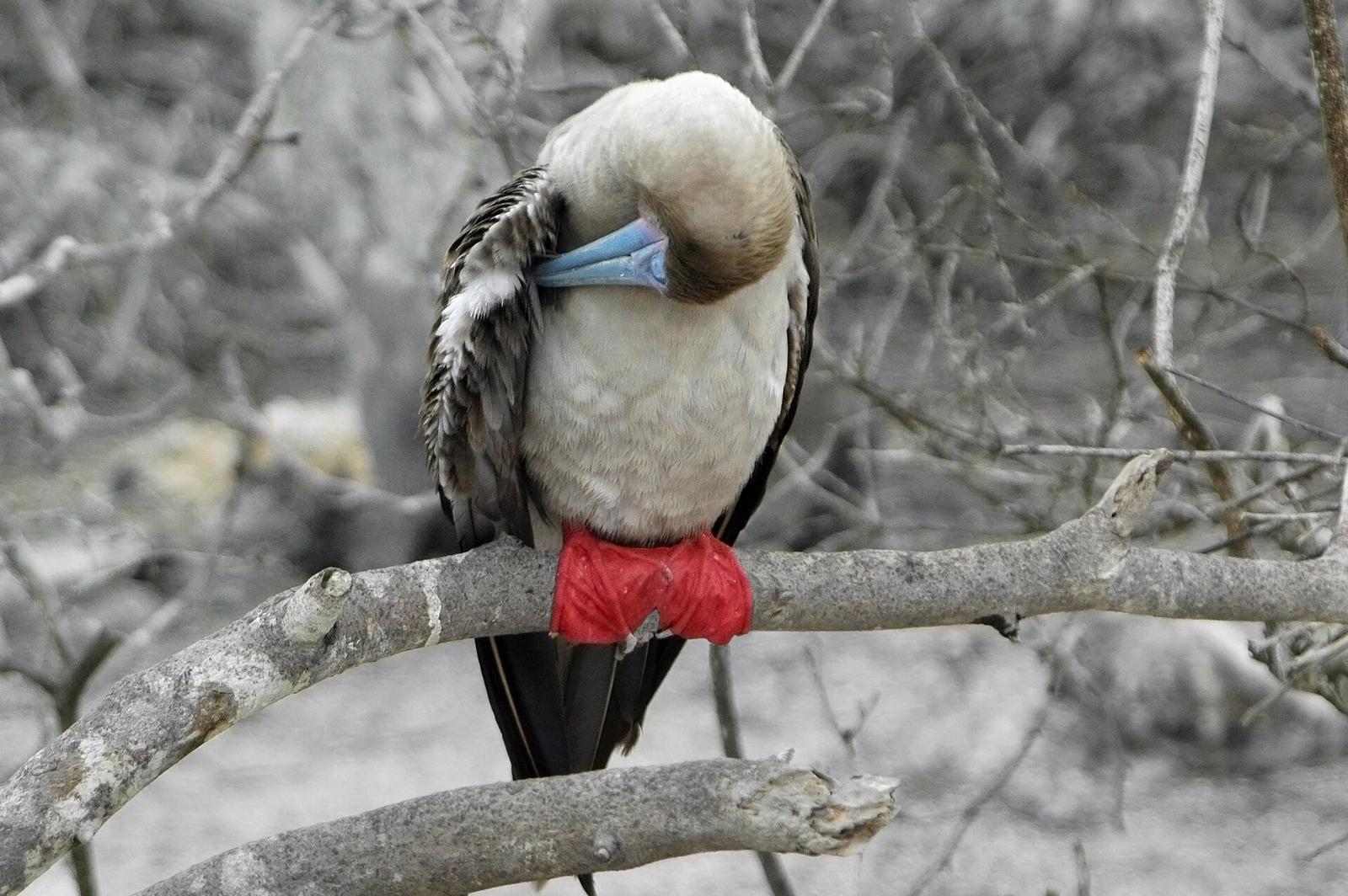
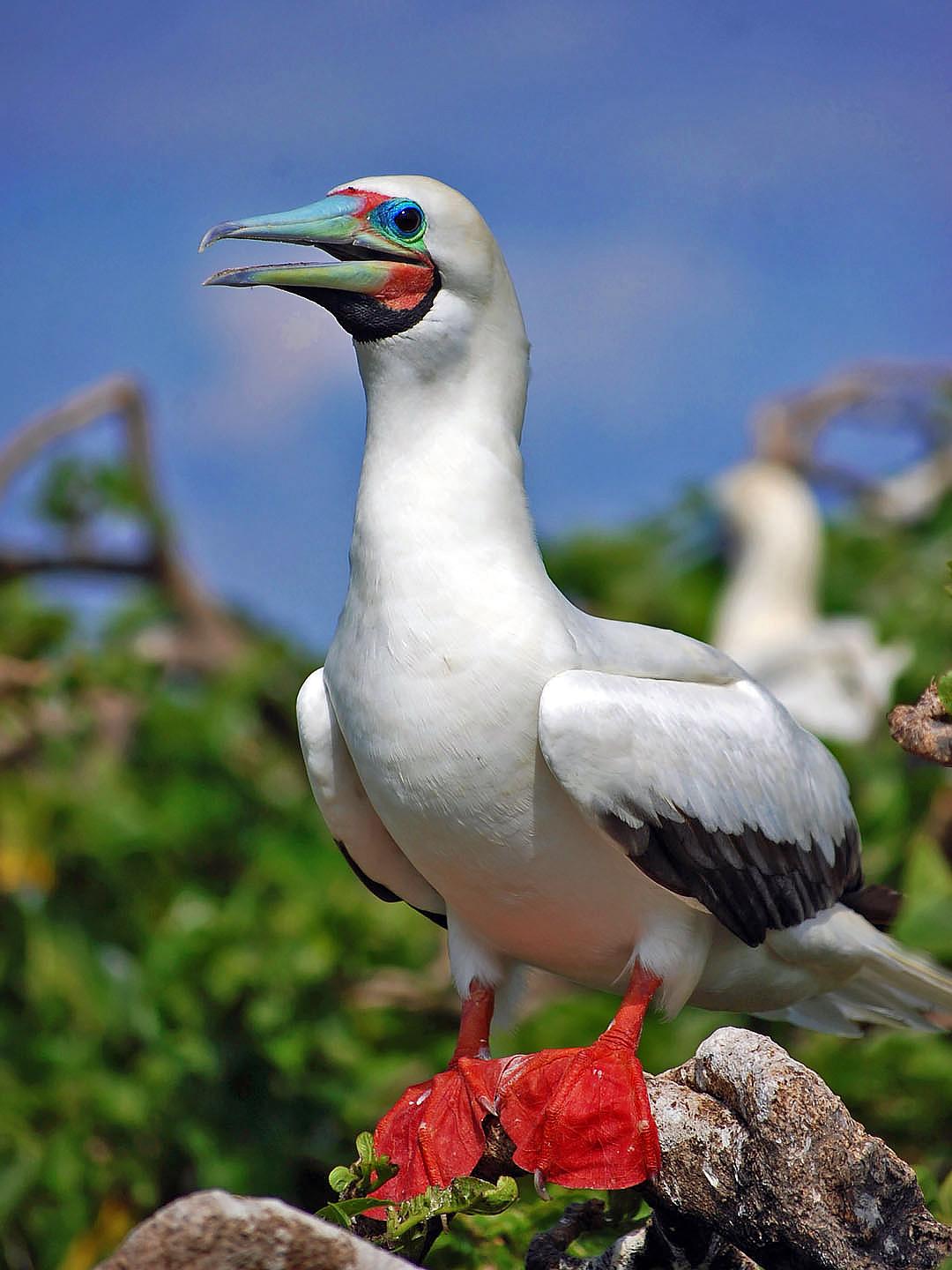
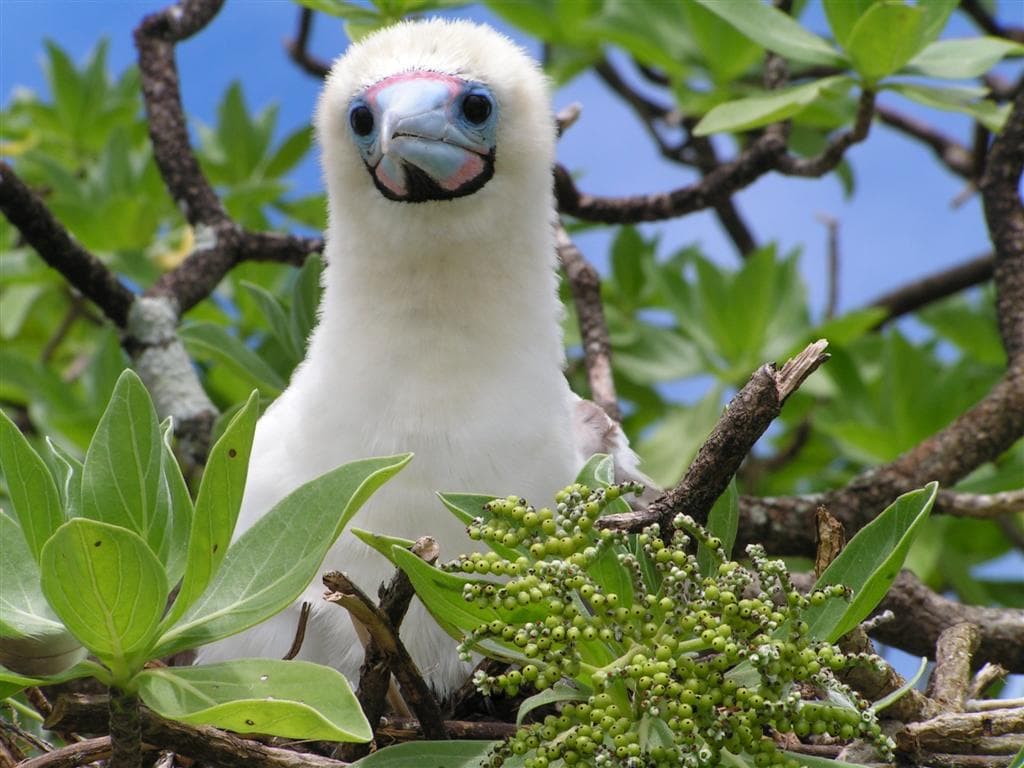
The red-footed booby (Sula sula) is a large seabird of the booby family, Sulidae. As suggested by the name, adults always have red feet, but the colour of the plumage varies. They are powerful and agile fliers, but they are clumsy in takeoffs and landings. They are found widely in the tropics, and breed colonially in coastal regions, especially islands.
Wikipedia - Out of season · Best Feb, May–Sep
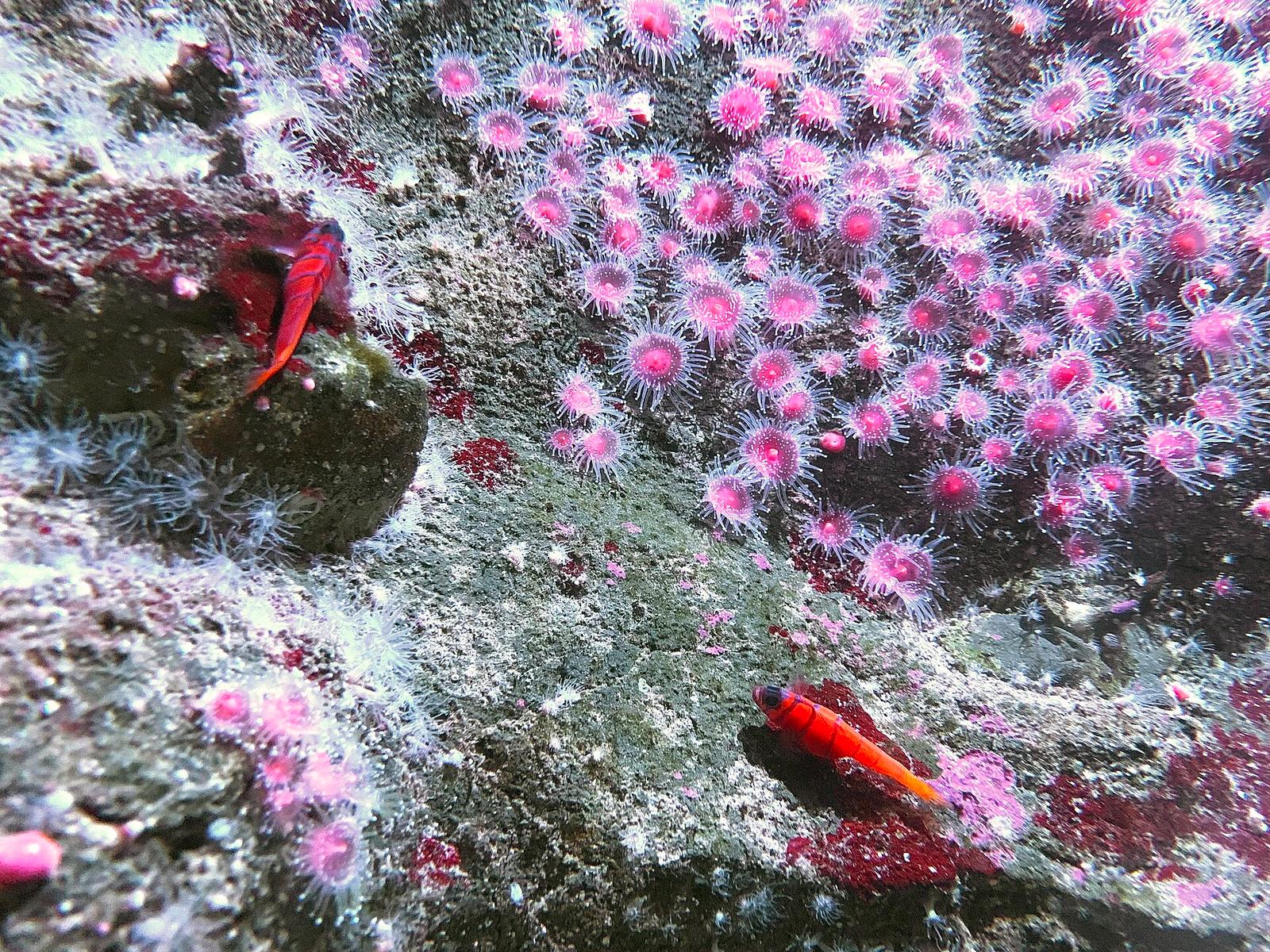
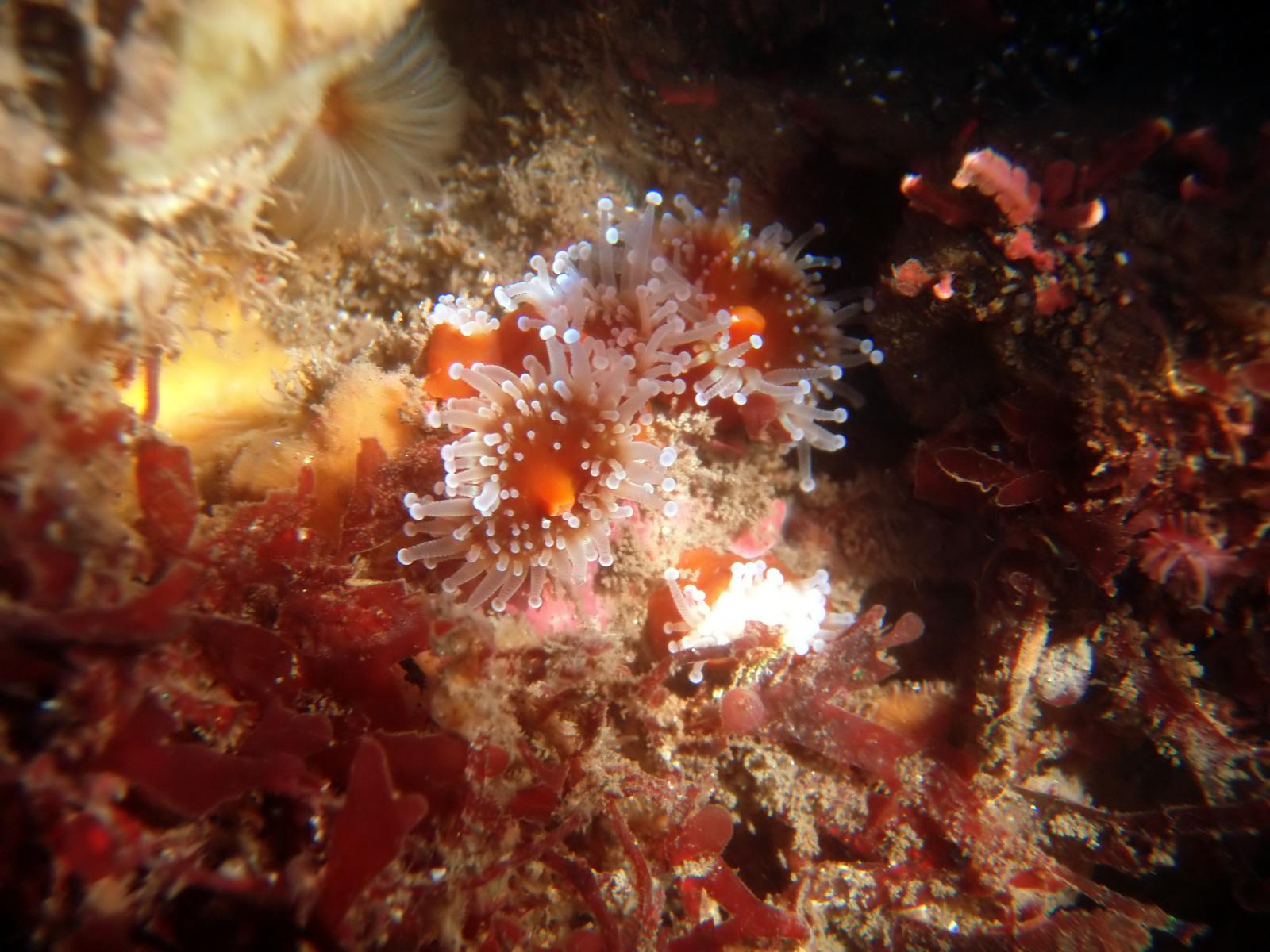
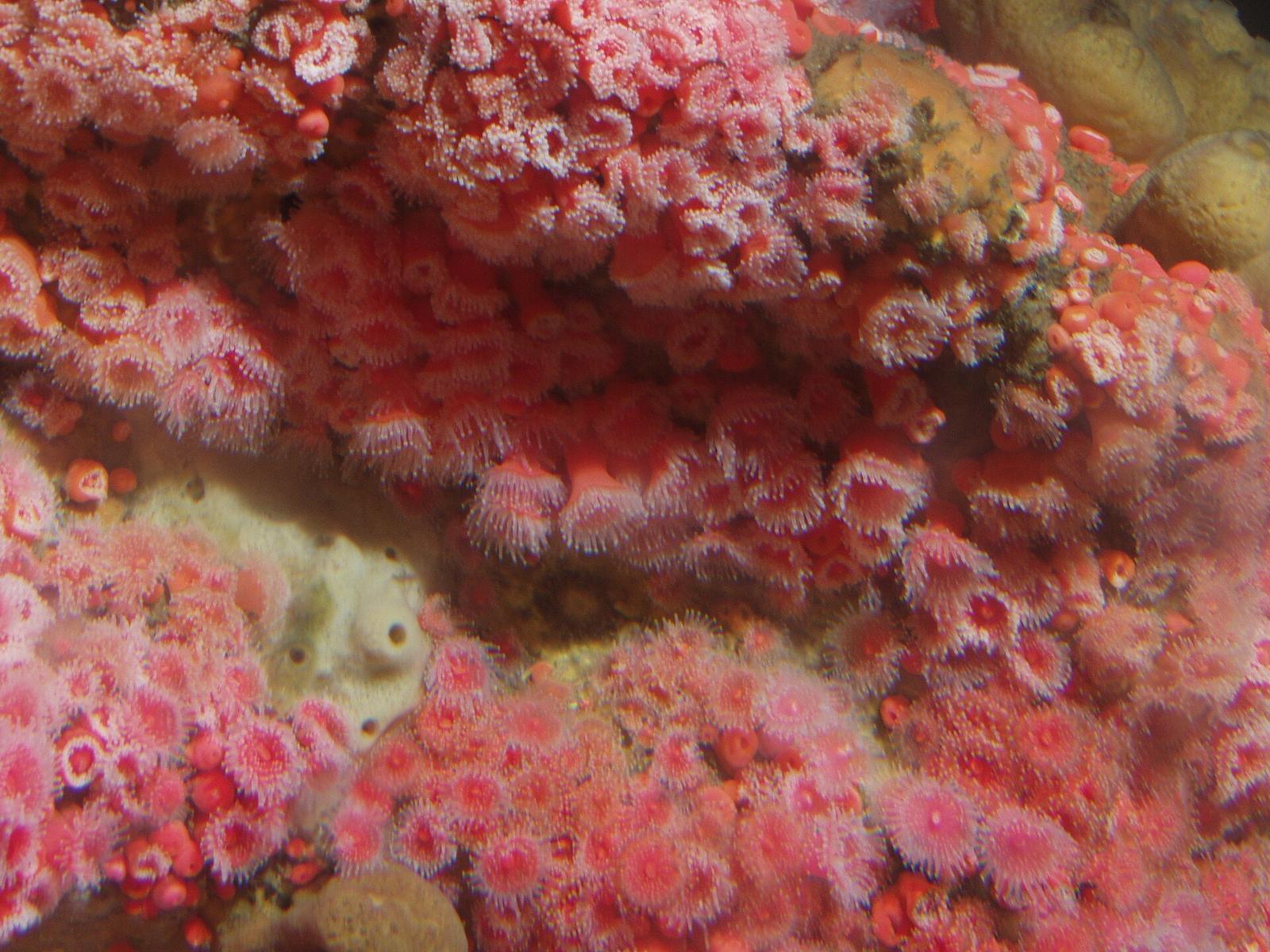
Corynactis californica is a bright red colonial anthozoan similar to sea anemones and scleractinian stony corals. Unlike the Atlantic true sea anemone, Actinia fragacea, that bears the same common name, strawberry anemone, this species is a colonial animal of the order Corallimorpharia. Other common names include club-tipped anemone and strawberry corallimorpharian. The anemone is known to carp
Wikipedia - Out of season · Best Oct
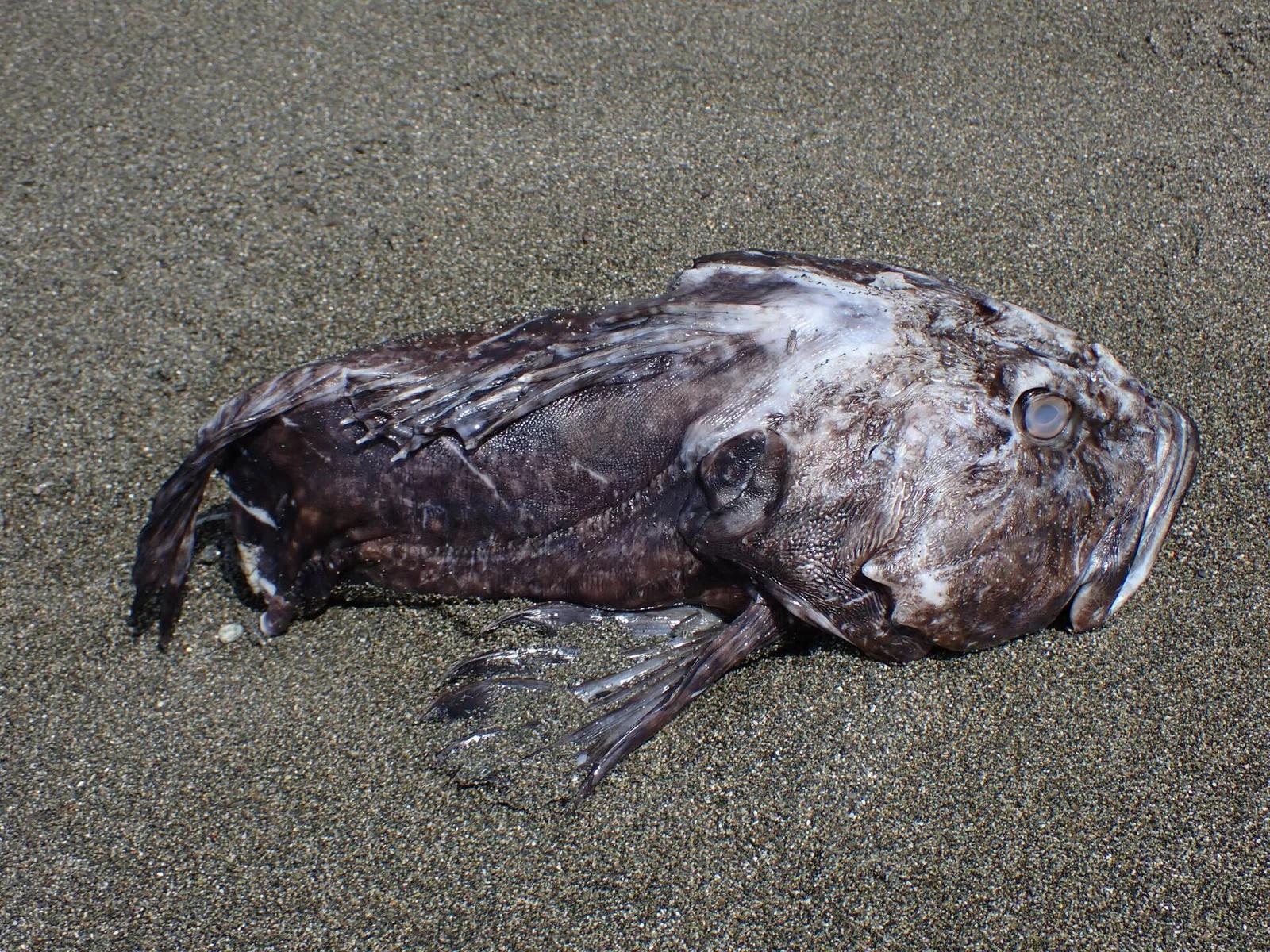
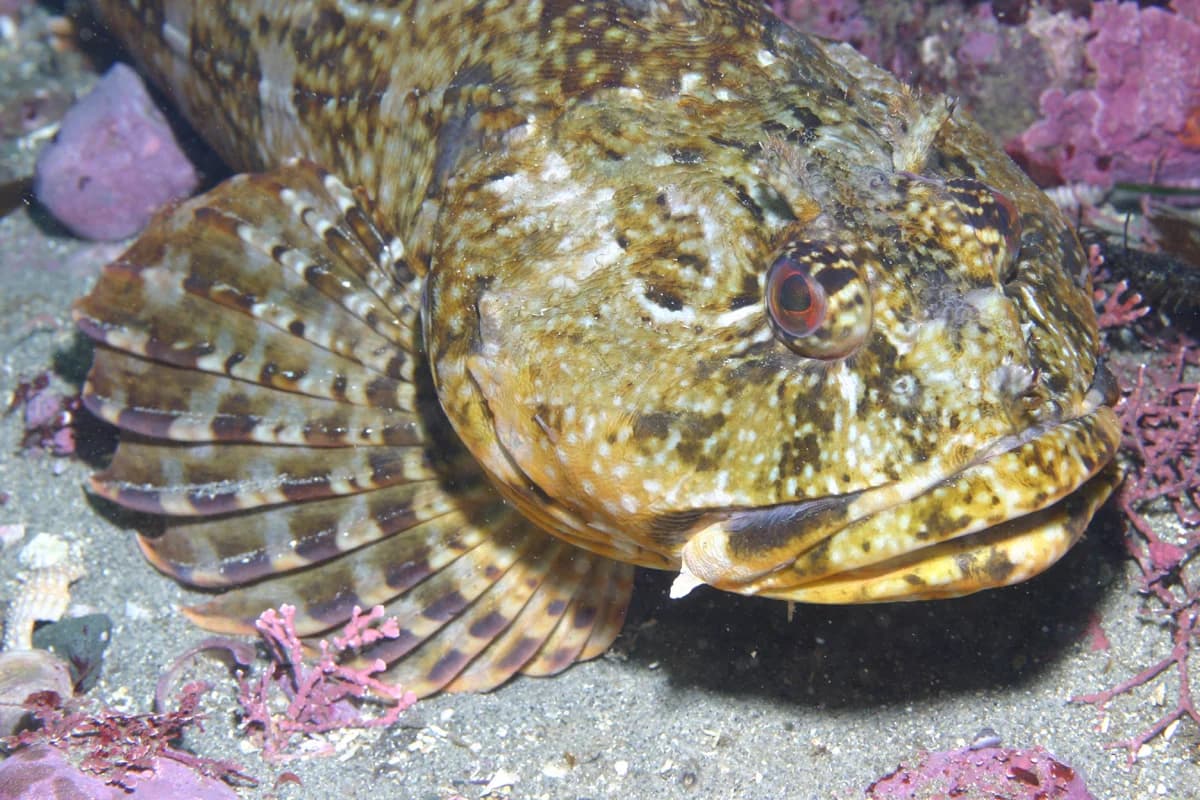
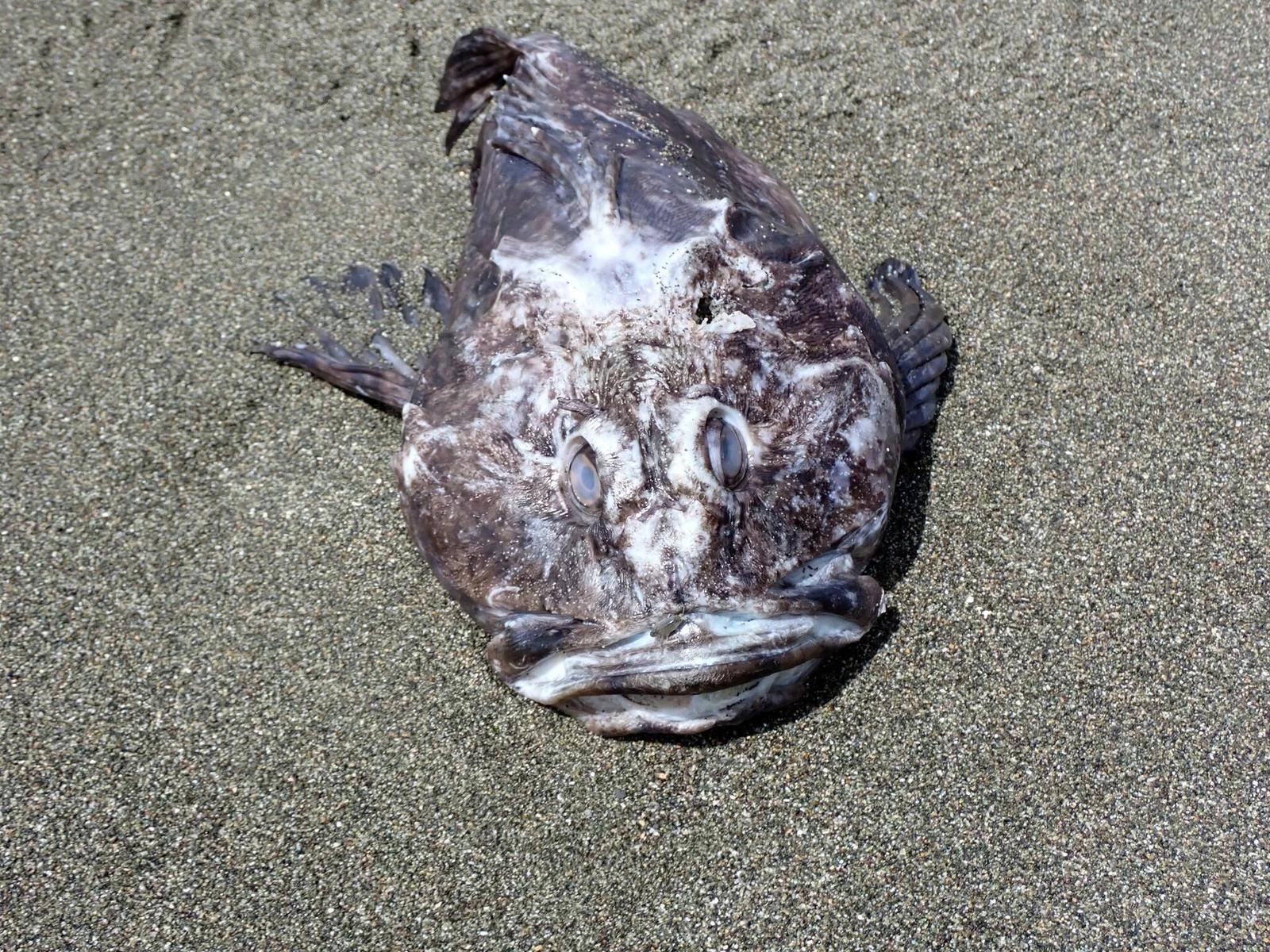
Cabezons are seen here in October.
- Out of season · Best Jan–Feb, Apr–Oct·Least Concern
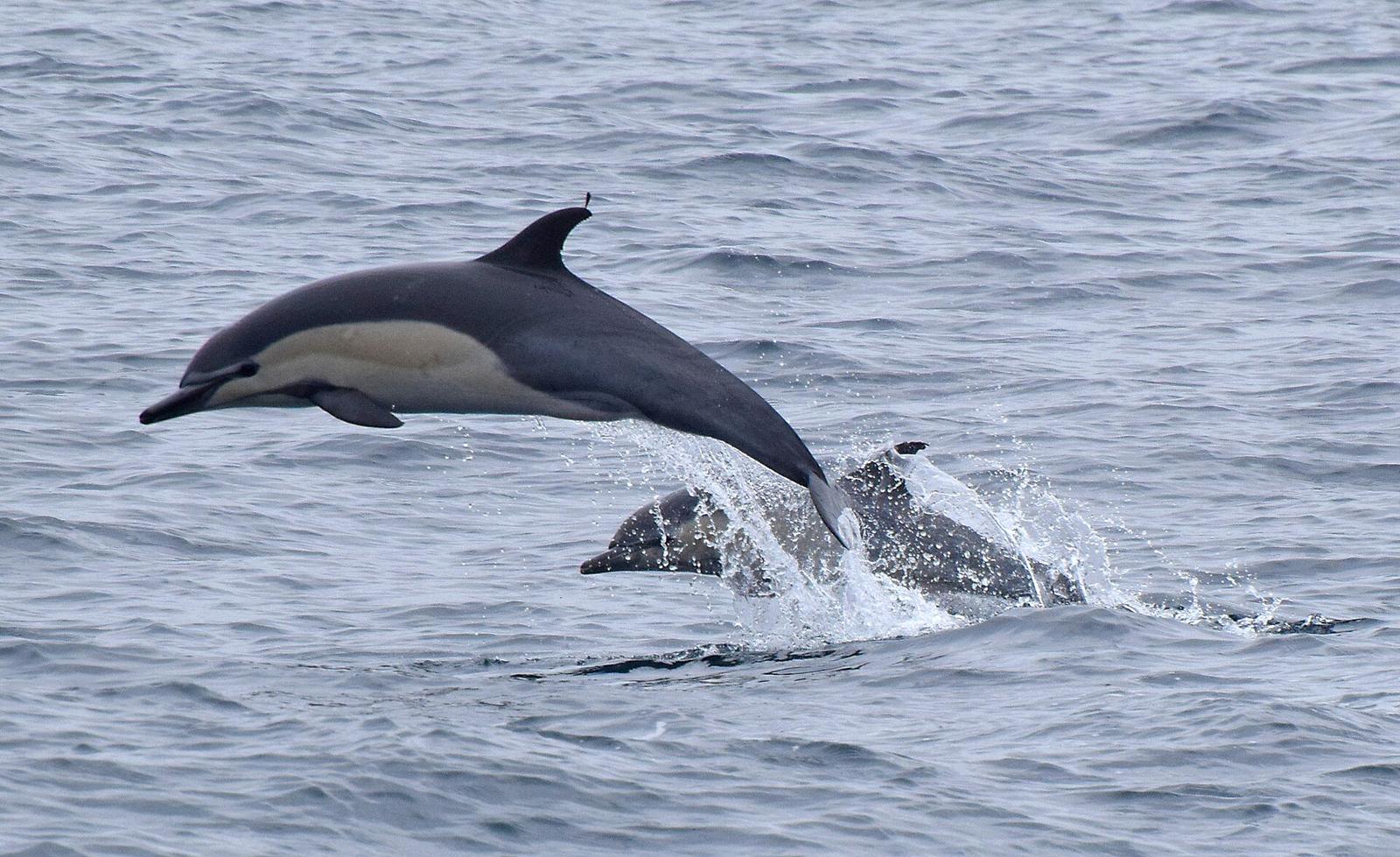
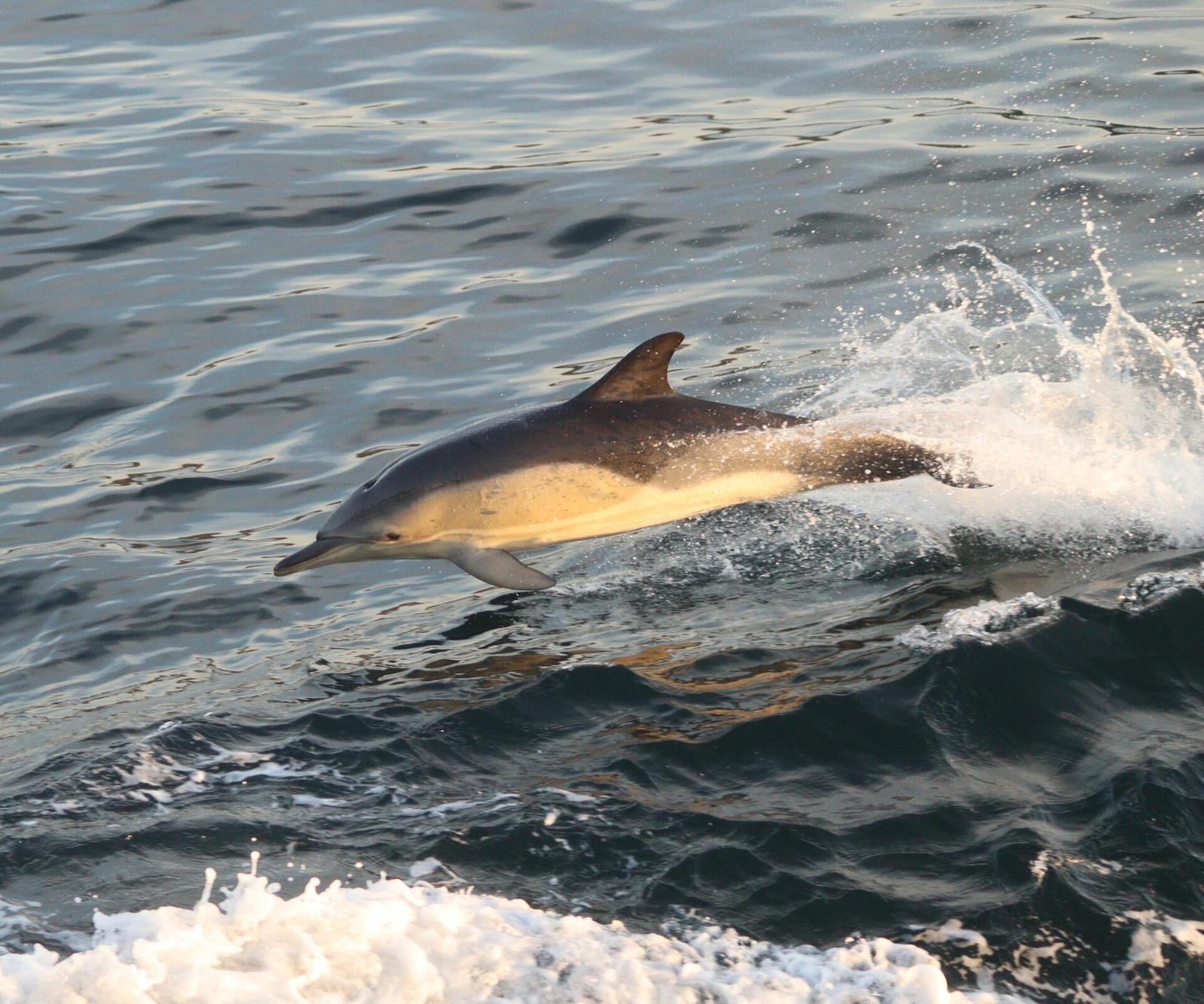
The short-beaked common dolphin (Delphinus delphis) is a species of common dolphin. It has a larger range than the long-beaked common dolphin (D. capensis), occurring throughout warm-temperate and tropical oceans, including the Indian Ocean although in smaller quantities than other places they are found. There are more short-beaked common dolphins than any other dolphin species in the warm-tem
Wikipedia - Out of season · Best Mar–Jul, Sep·Least Concern
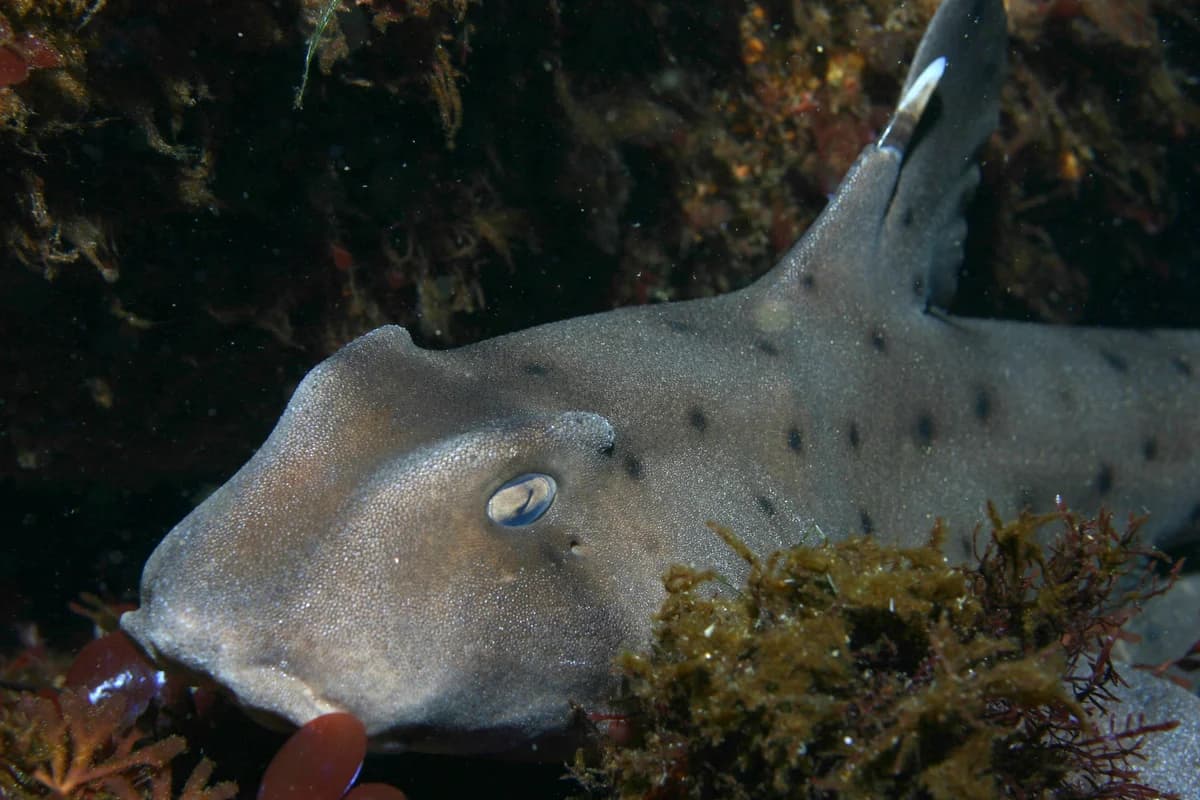
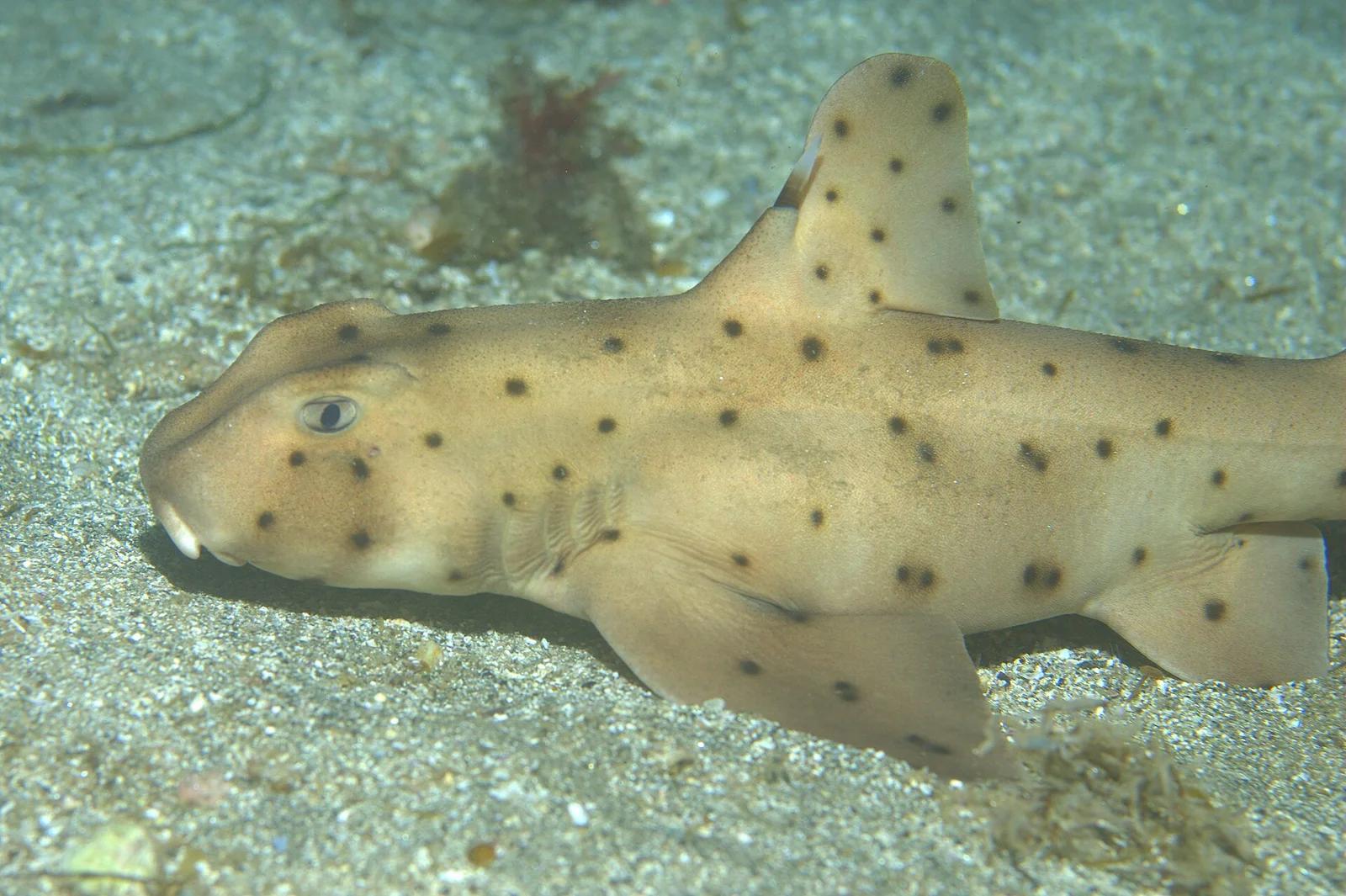
Horn Sharks are seen here in March to July and September.
- Out of season · Best Jan–Feb·Least Concern
Pacific White-sided Dolphins are seen here from January to February.
- Out of season · Best Jan–Feb·Least Concern
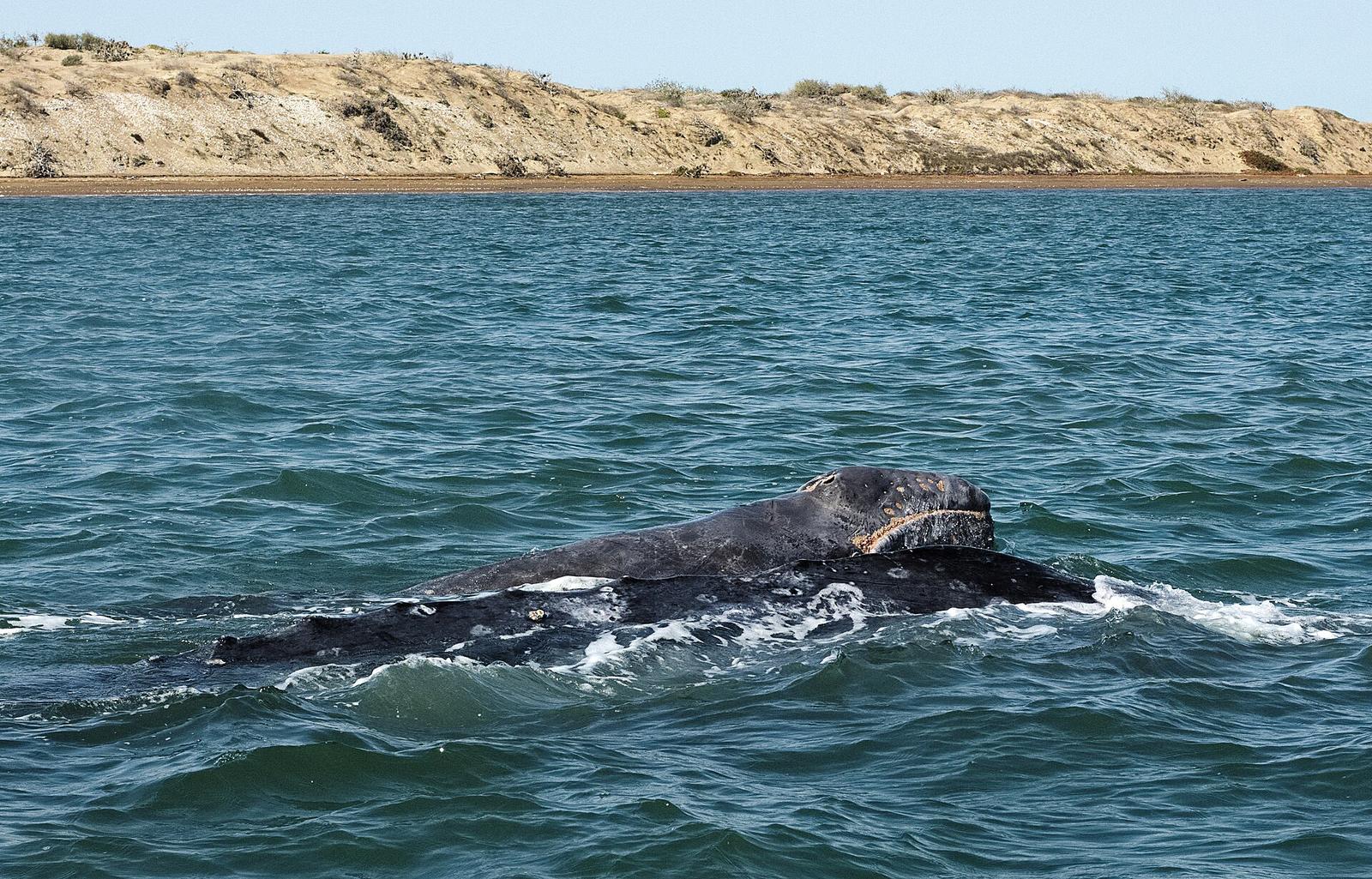
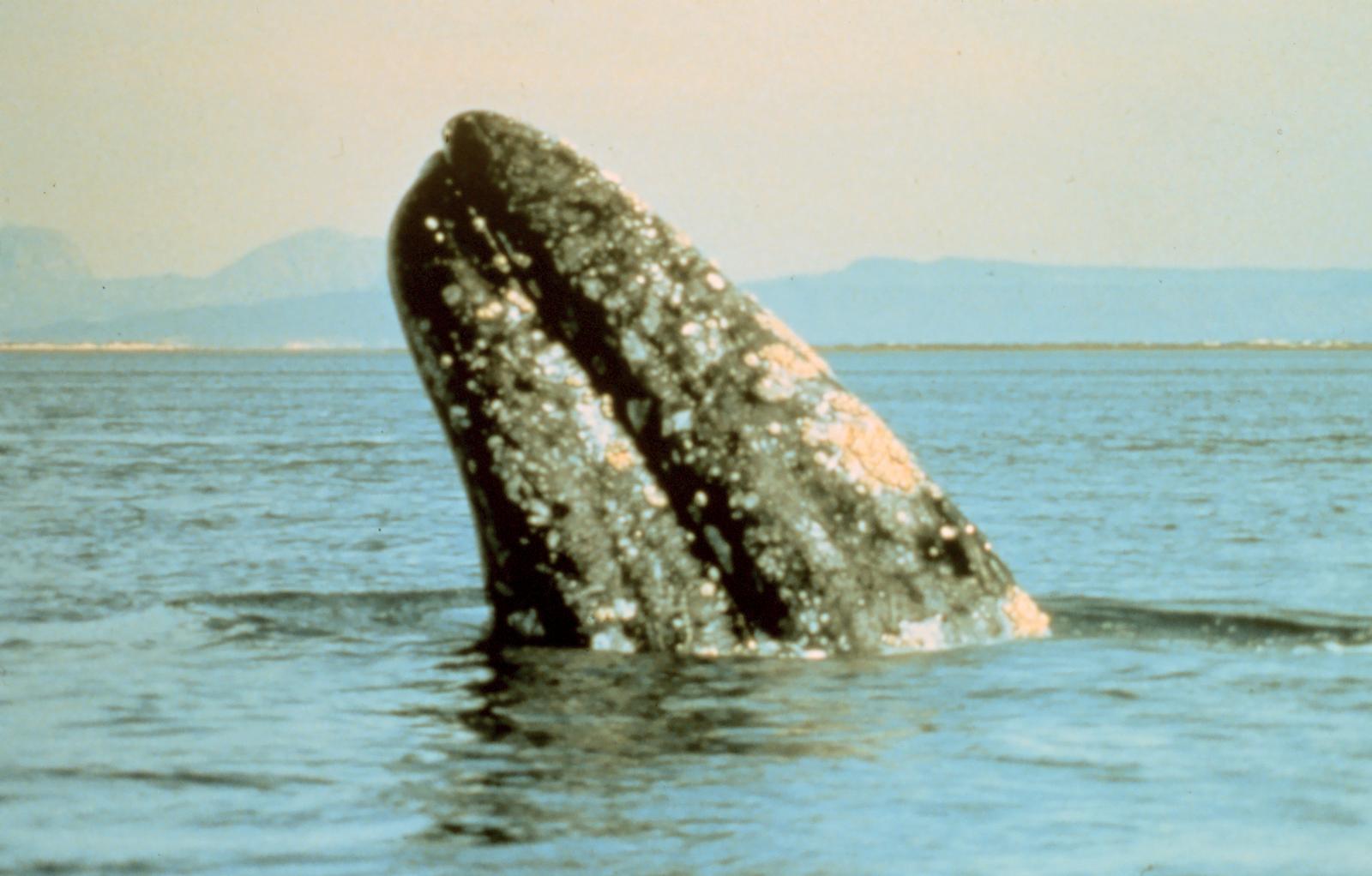
The gray whale (Eschrichtius robustus), also known as the grey whale, gray back whale, Pacific gray whale, or California gray whale is a baleen whale that migrates between feeding and breeding grounds yearly. It reaches a length of 14.9 meters (49 ft), a weight of 36 tonnes (40 short tons), and lives between 55 and 70 years. The common name of the whale comes from the gray patches and white m
Wikipedia - Out of season · Best Jul–Sep·Least Concern
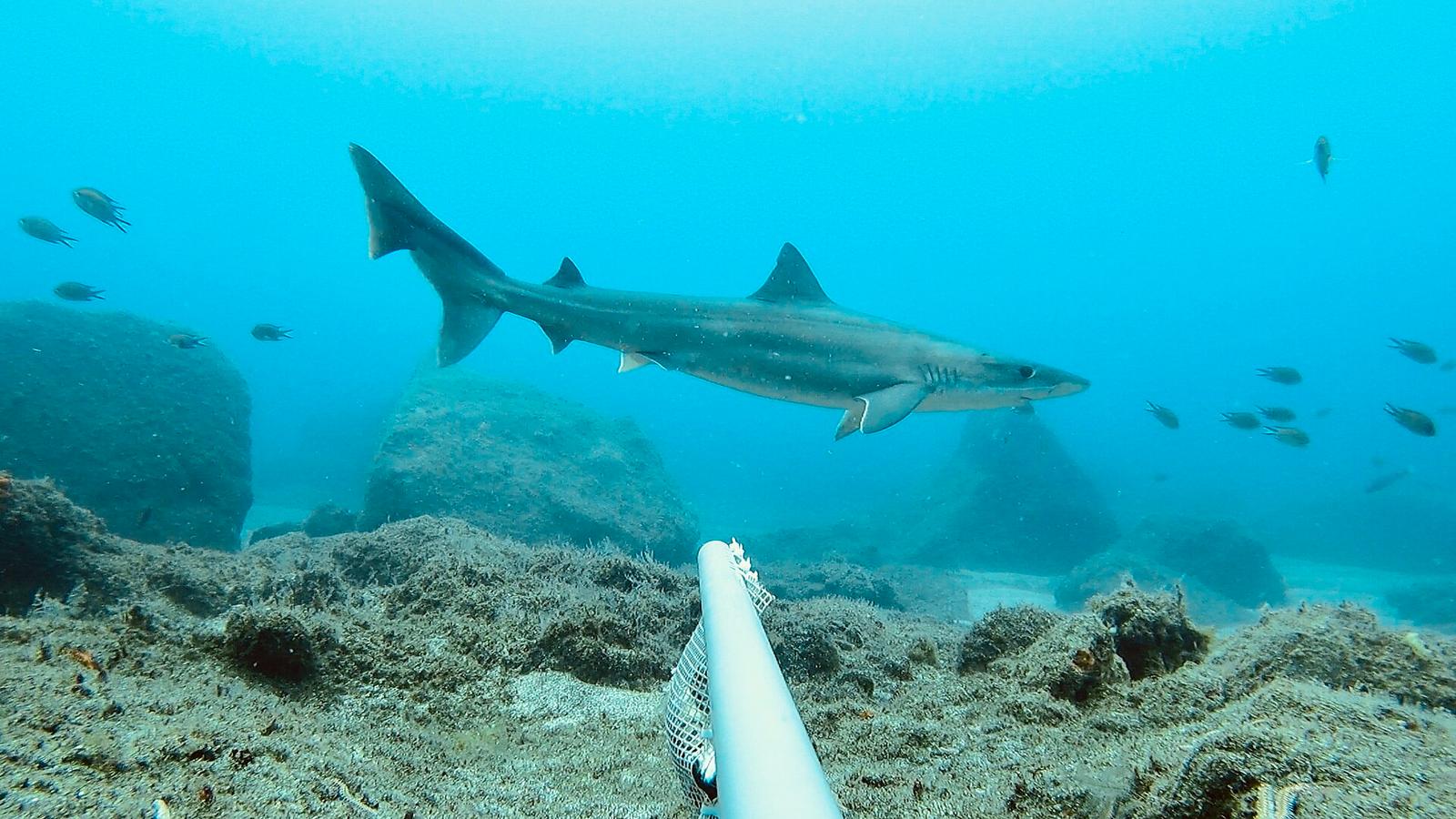
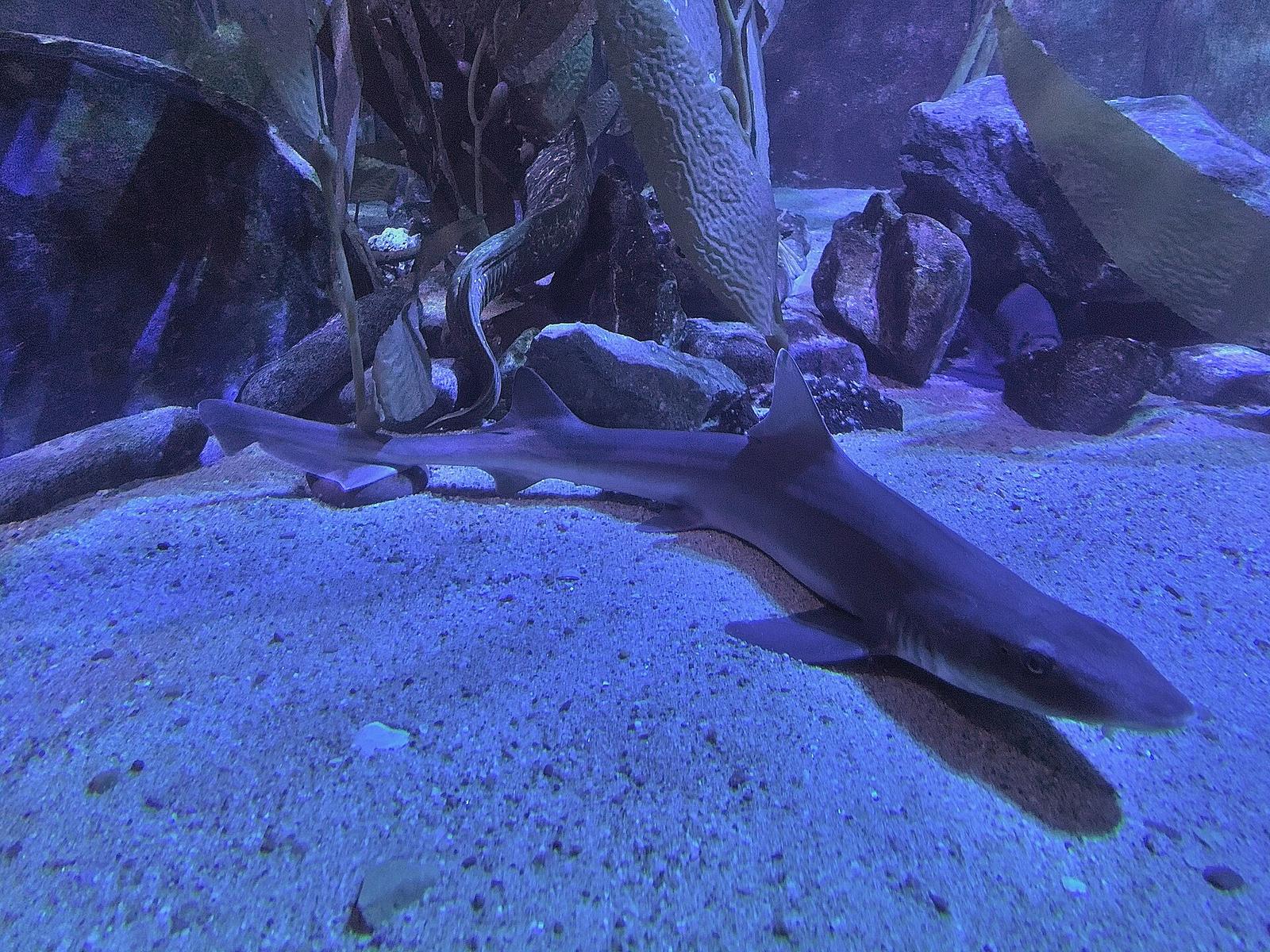
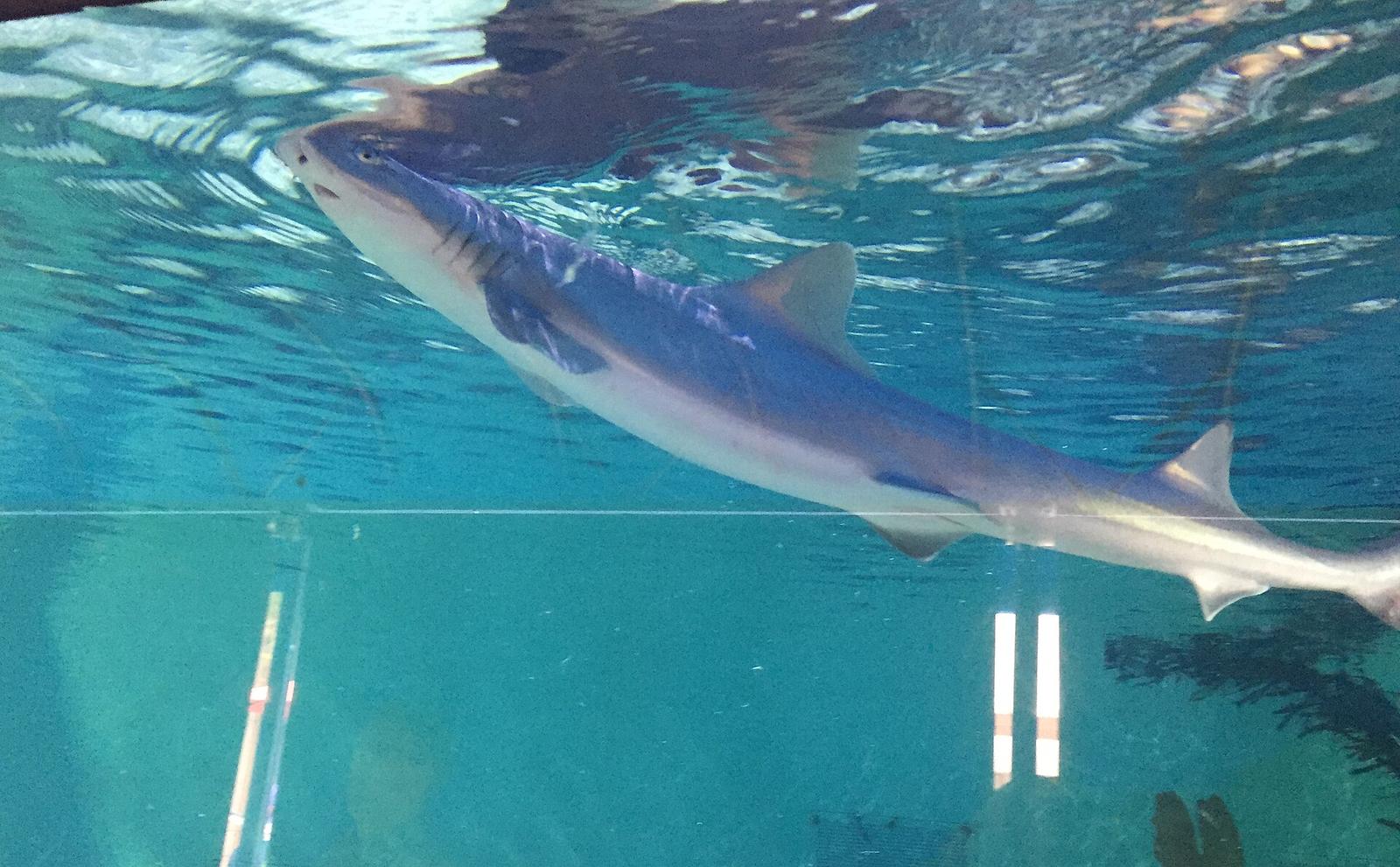
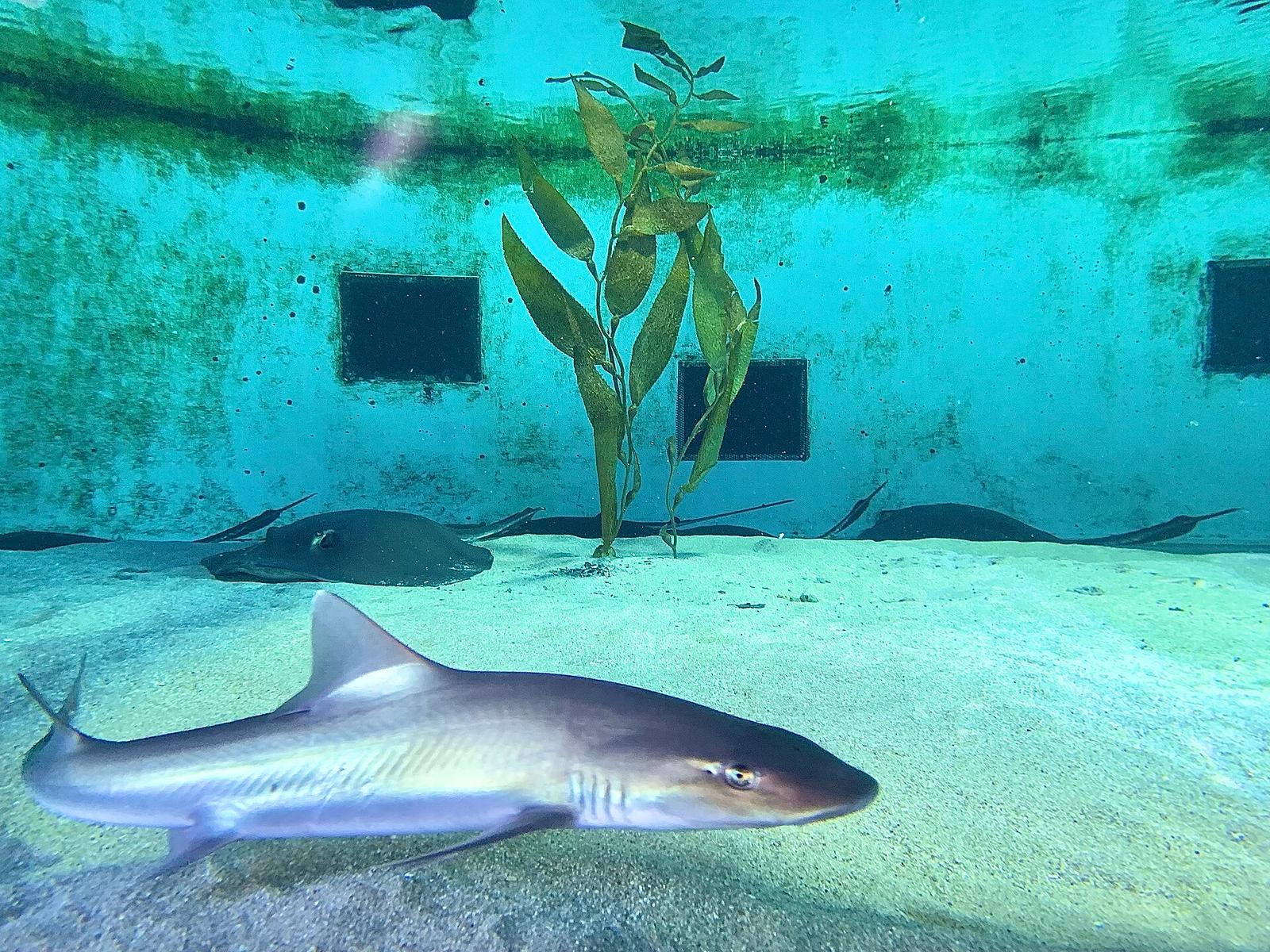
The grey smooth-hound (Mustelus californicus) is a houndshark of the family Triakidae,. It is found on the continental shelves of the subtropical eastern Pacific, from northern California to the Gulf of California, between latitudes 40° N and 23° N, from the surface to a depth of 200 m. It can grow up to a length of 1.24 m.
Wikipedia - Out of season · Best Jan, Jun, Aug–Sep·Least Concern
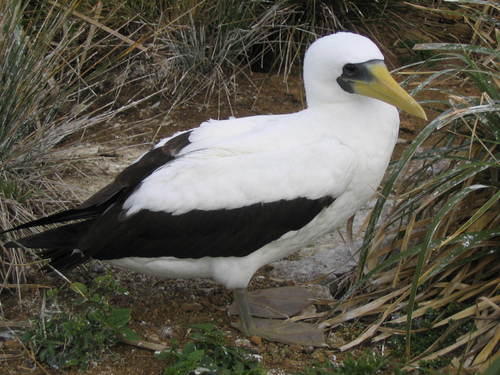
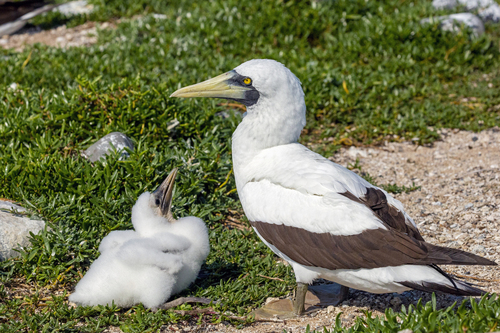
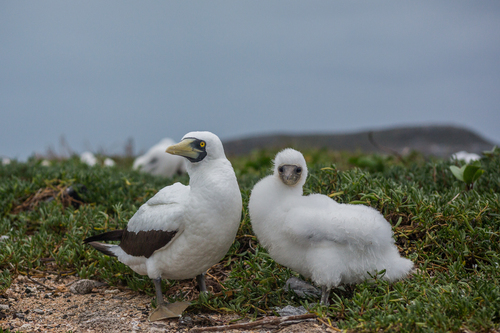
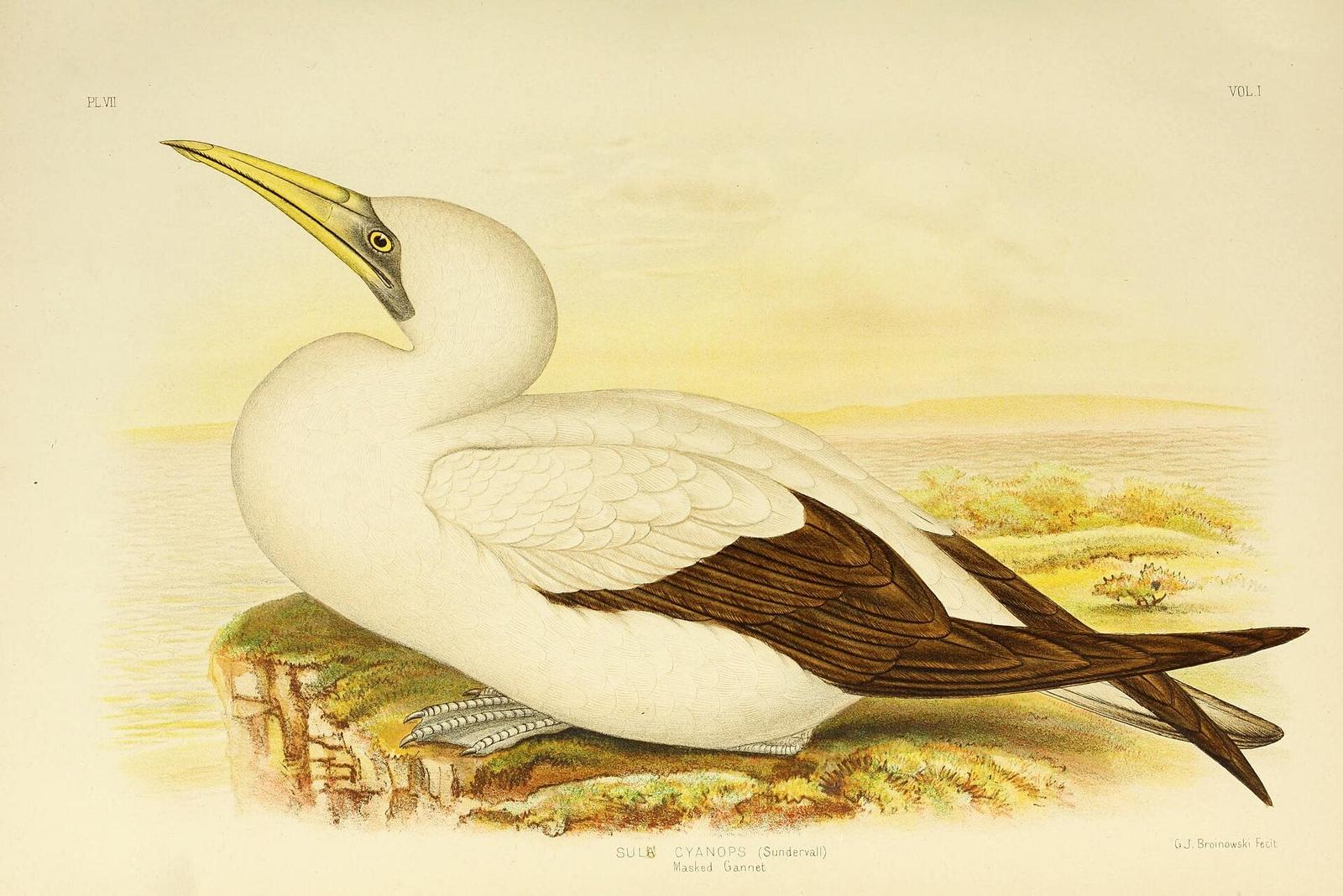
The masked booby (Sula dactylatra), also called the masked gannet or the blue-faced booby, is a large seabird of the booby and gannet family, Sulidae. First described by the French naturalist René-Primevère Lesson in 1831, the masked booby is one of six species of booby in the genus Sula. It has a typical sulid body shape, with a long pointed yellowish bill, long neck, aerodynamic body, long s
Wikipedia - Out of season · From December·Least Concern
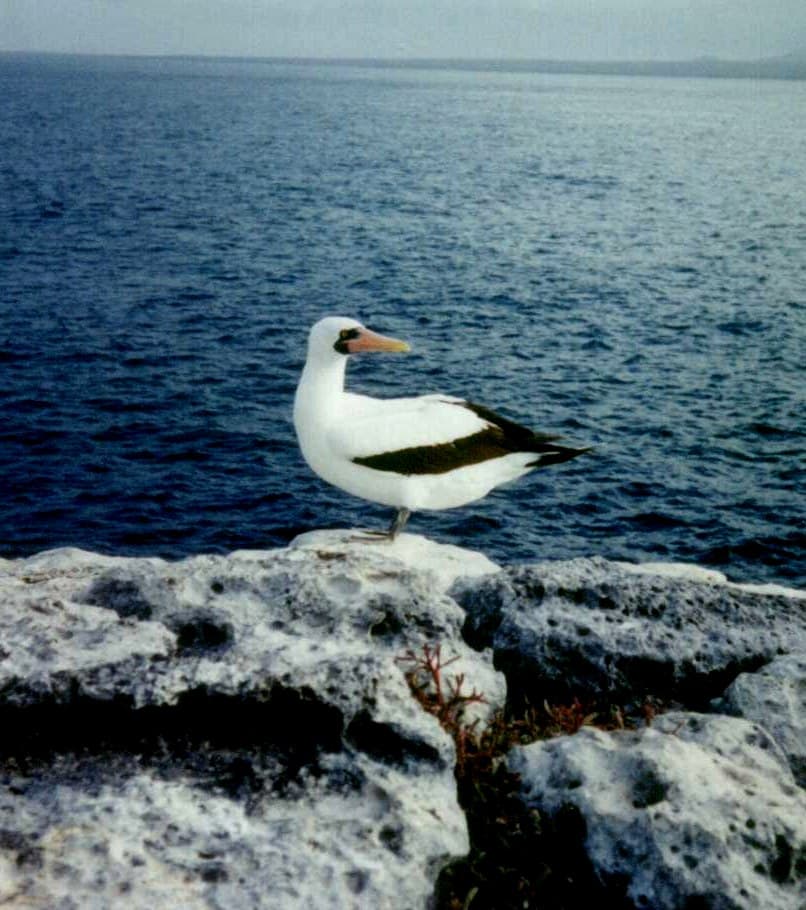
The Nazca booby (Sula granti) is a colonial seabird in the family Sulidae, native to the eastern Pacific.
Wikipedia