Wildlife in Punta Mita
 Cephas · CC BY-SA · Wikimedia Commons
 Amado Demesa from DF, México · CC BY-SA · Wikimedia Commons
 Greg Schechter from San Francisco, USA · CC BY · Wikimedia Commons
- In season · Jul–Dec·Vulnerable
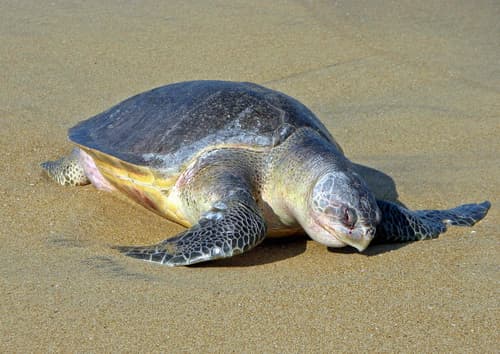
The olive ridley sea turtle (Lepidochelys olivacea), also known as the Pacific ridley sea turtle, are the second smallest and most abundant of all sea turtles found in the world; this species of sea turtle is found in warm and tropical waters, primarily in the Pacific and Indian Oceans. They can also be found in the warm waters of the Atlantic Ocean.
Wikipedia - In season · Jan–Apr, Nov
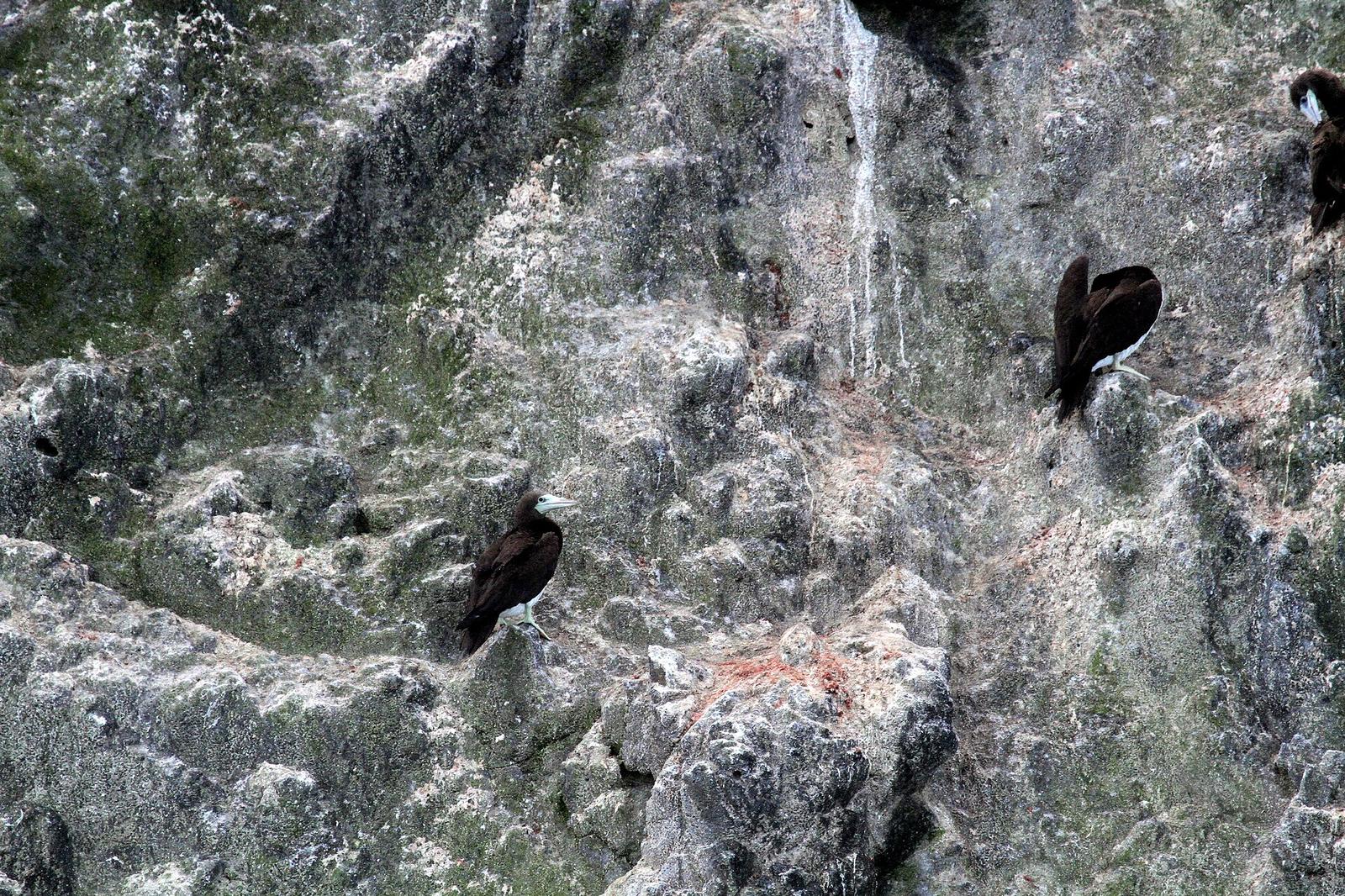
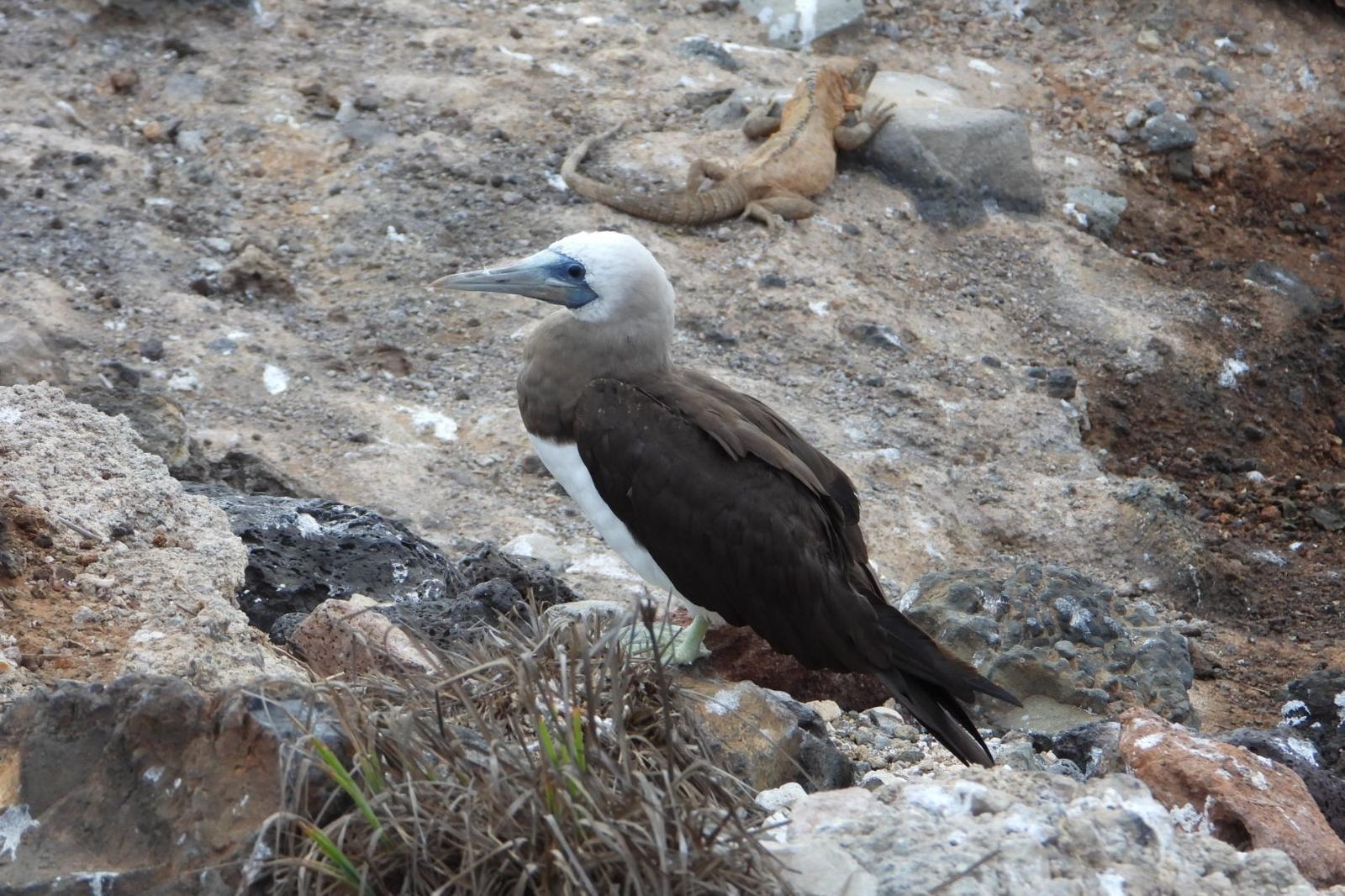
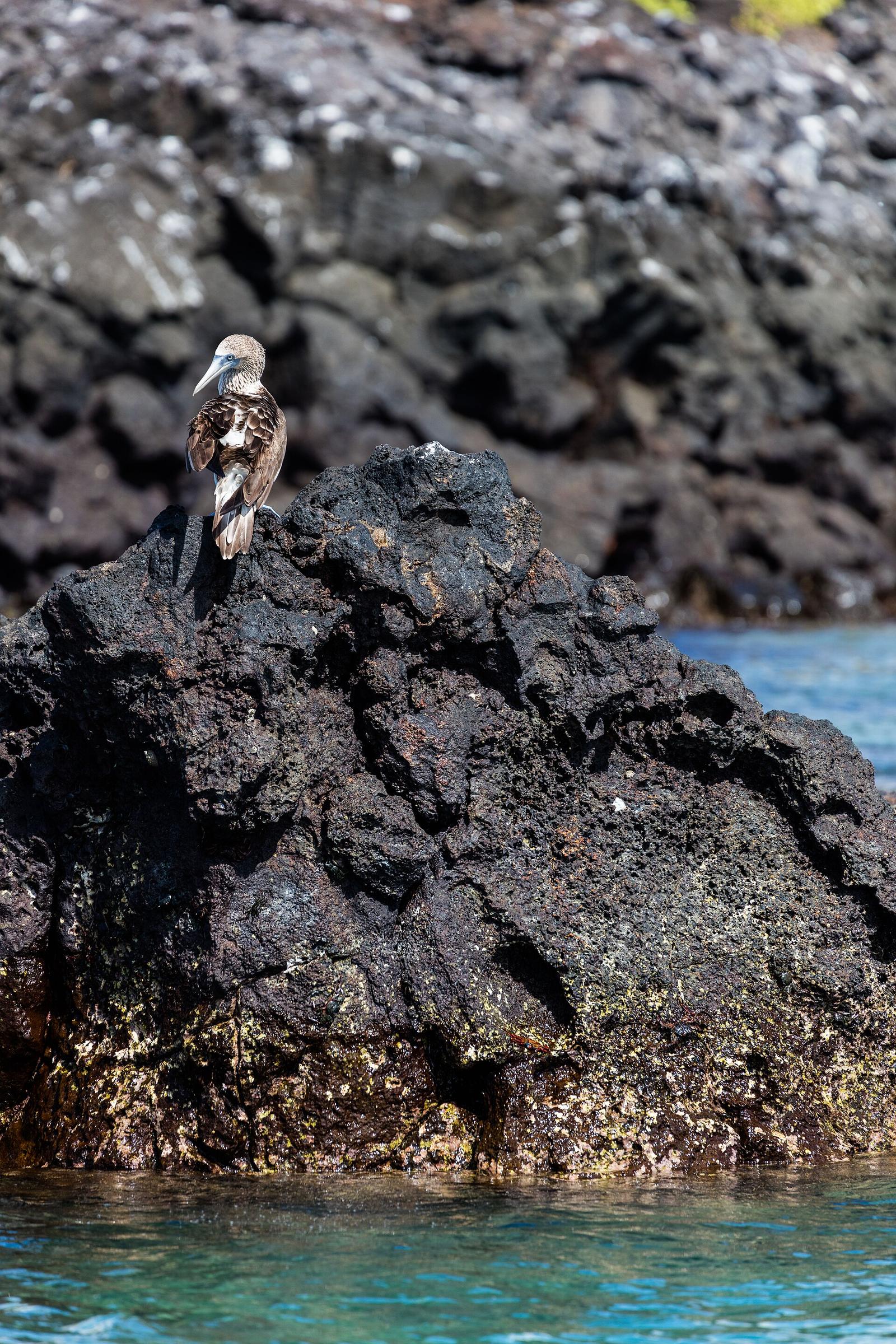
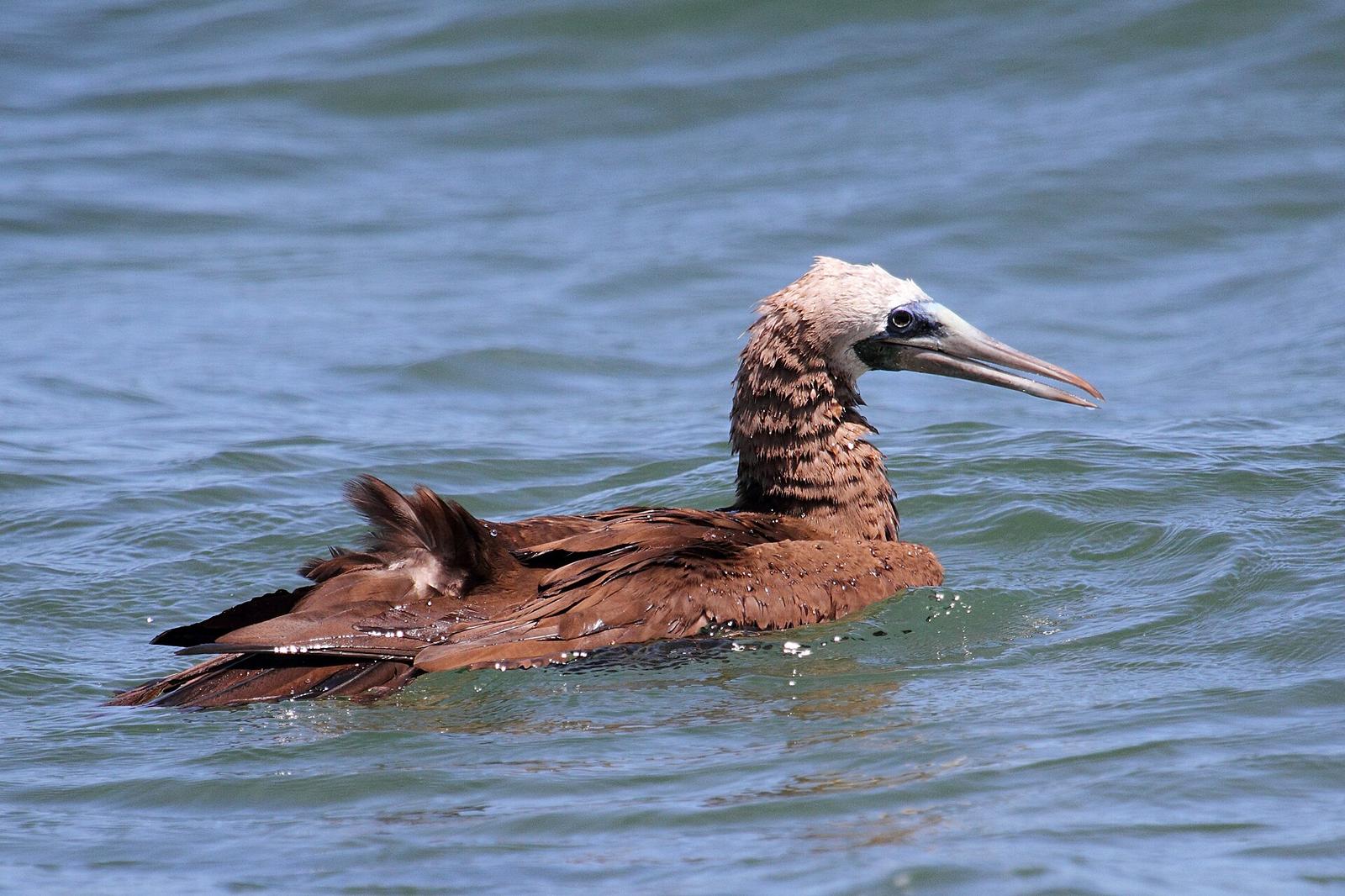
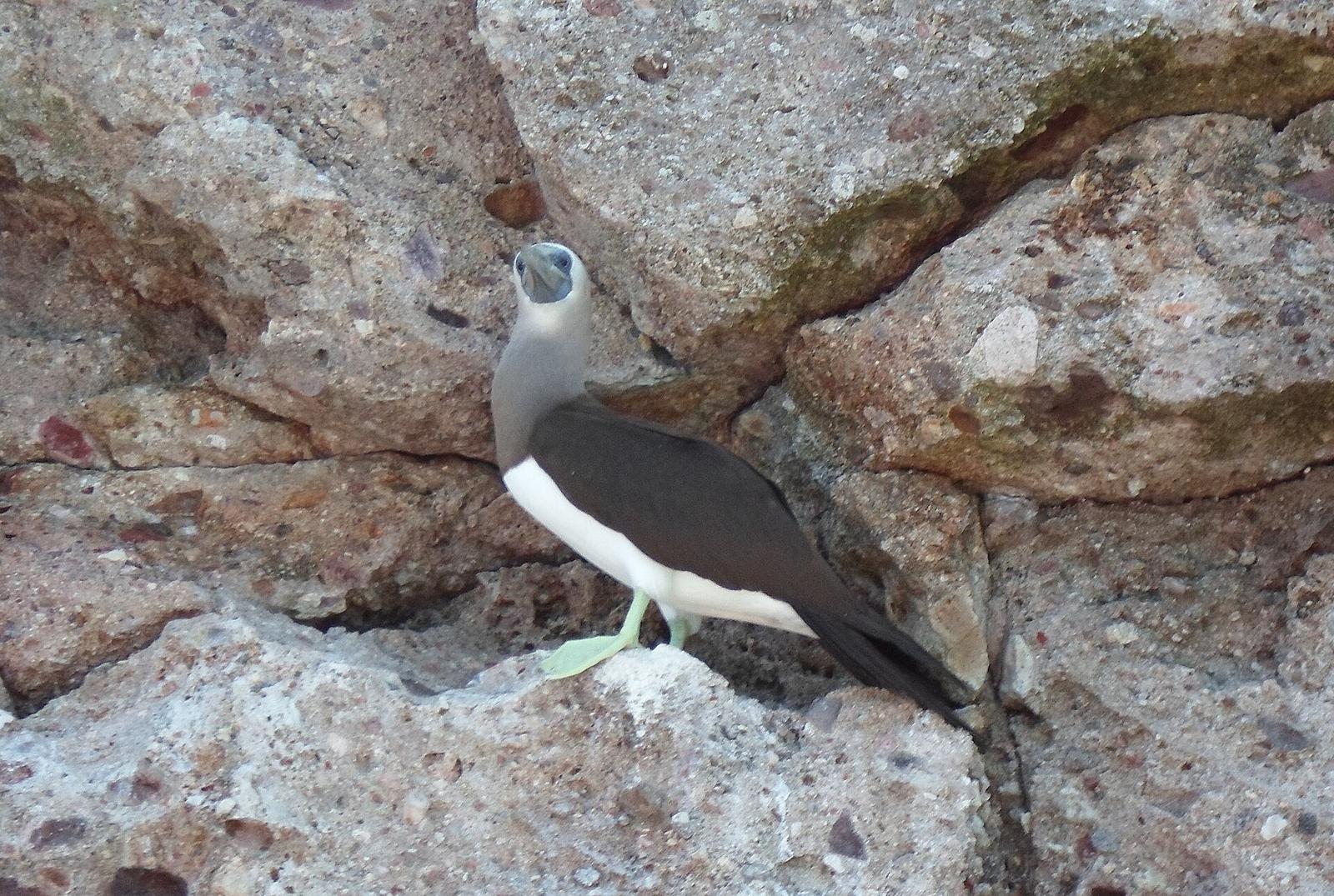
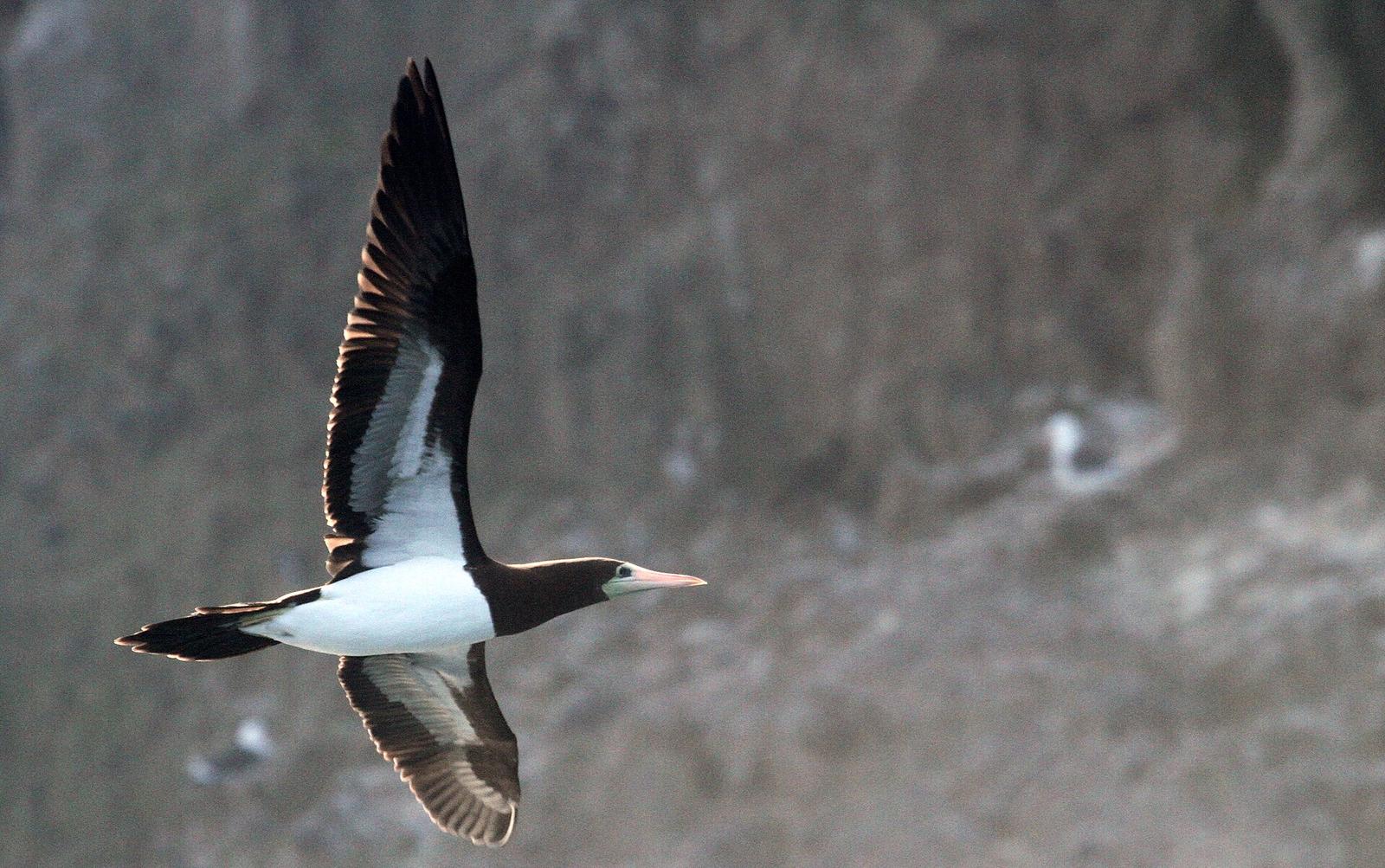
The Cocos booby (Sula brewsteri), formerly known as Brewster's booby, is a species of booby in the family Sulidae. It was formerly considered a subspecies of Brown booby, but it was split by the American Ornithological Society in 2024 due to morphological and behavioural differences. It is native to the east and central Pacific Ocean.
Wikipedia - In season · Nov–Feb·Least Concern
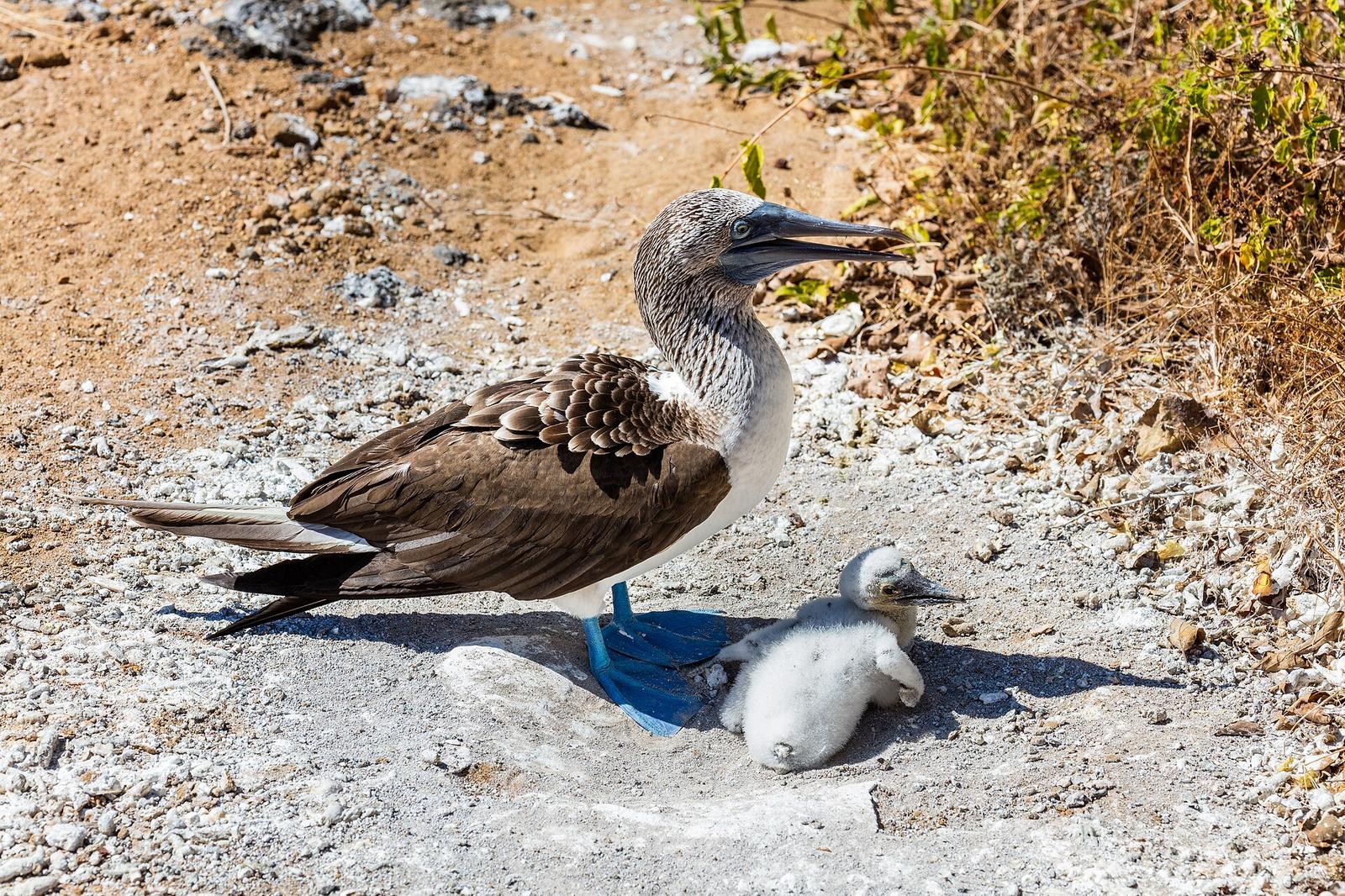
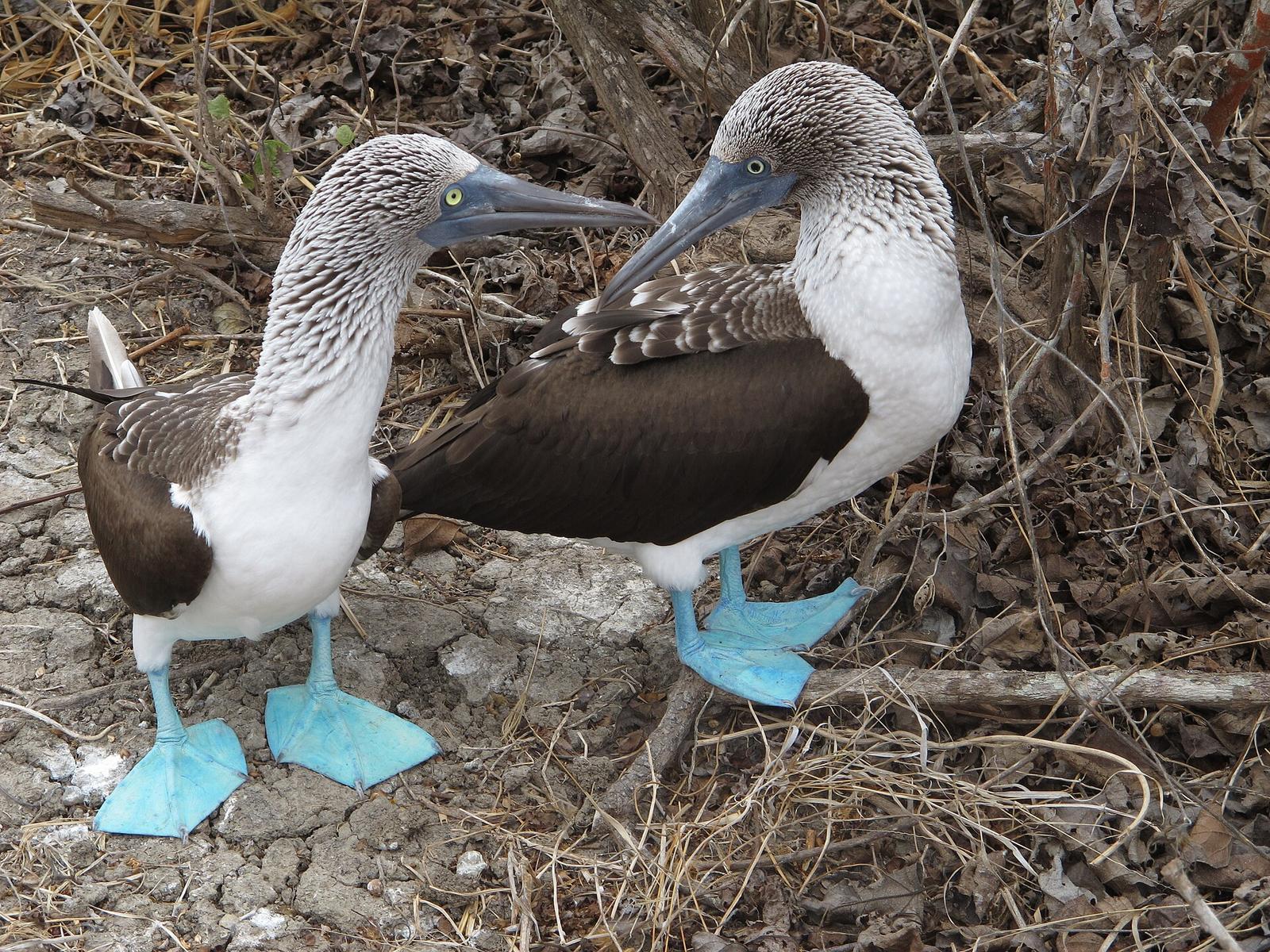
The blue-footed booby (Sula nebouxii) is a marine bird native to subtropical and tropical regions of the eastern Pacific Ocean. It is one of six species of the genus Sula – known as boobies. It is easily recognizable by its distinctive bright blue feet, which is a sexually selected trait. Males display their feet in an elaborate mating ritual by lifting them up and down while strutting before th
Wikipedia - In season · Jul, Nov–Apr·Least Concern
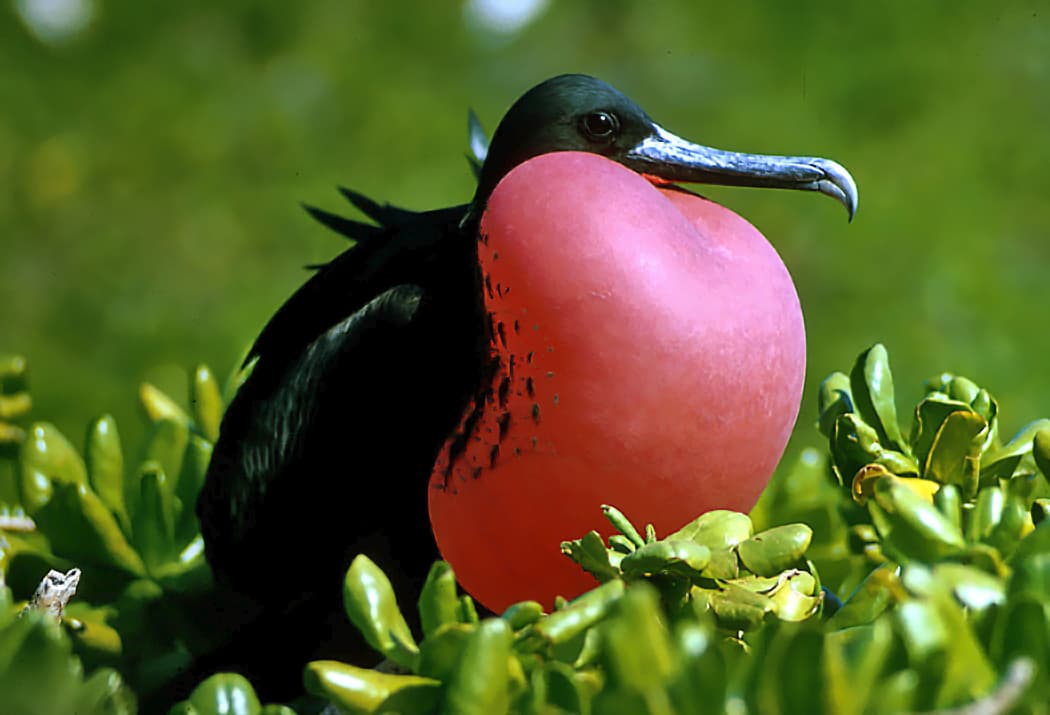
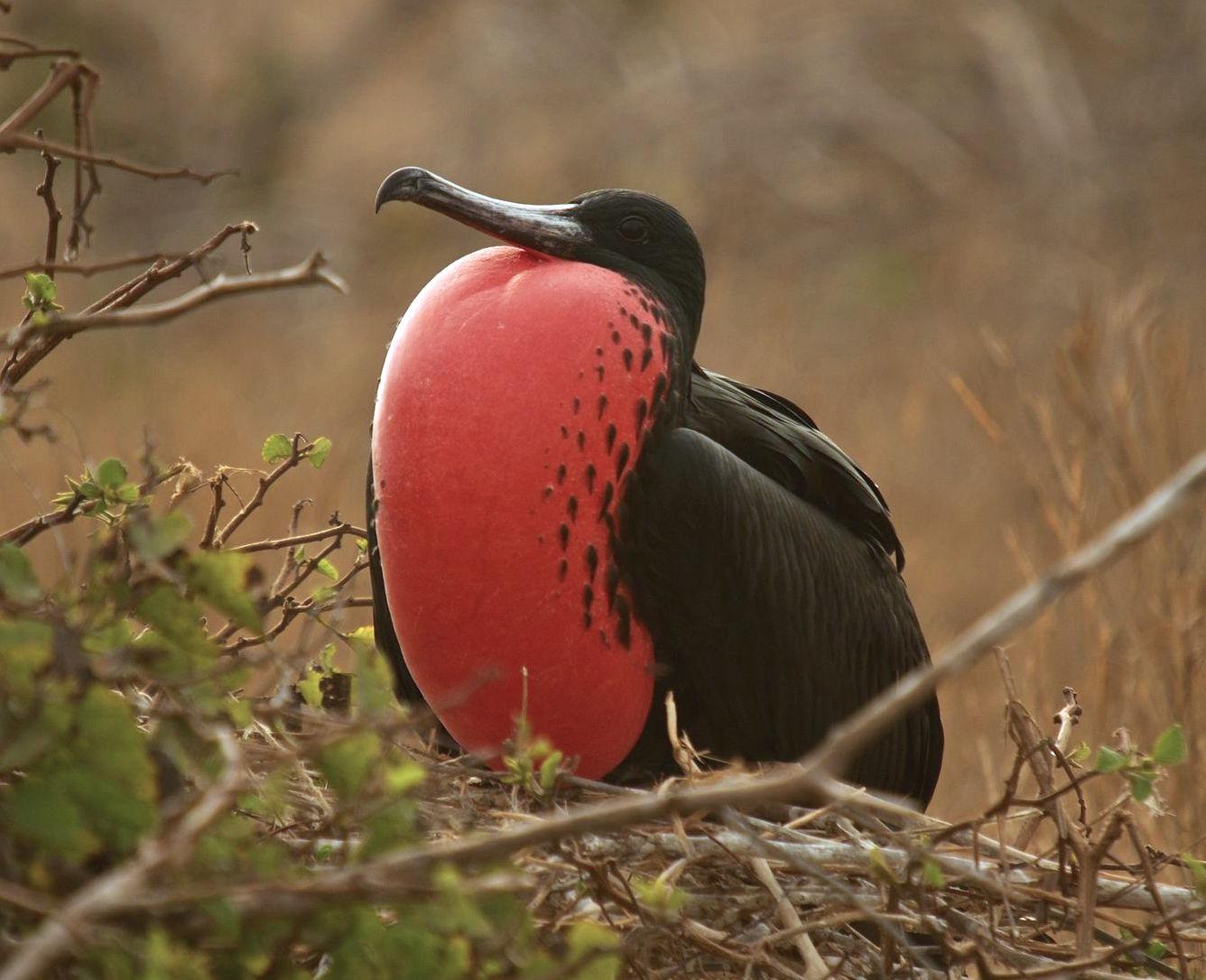
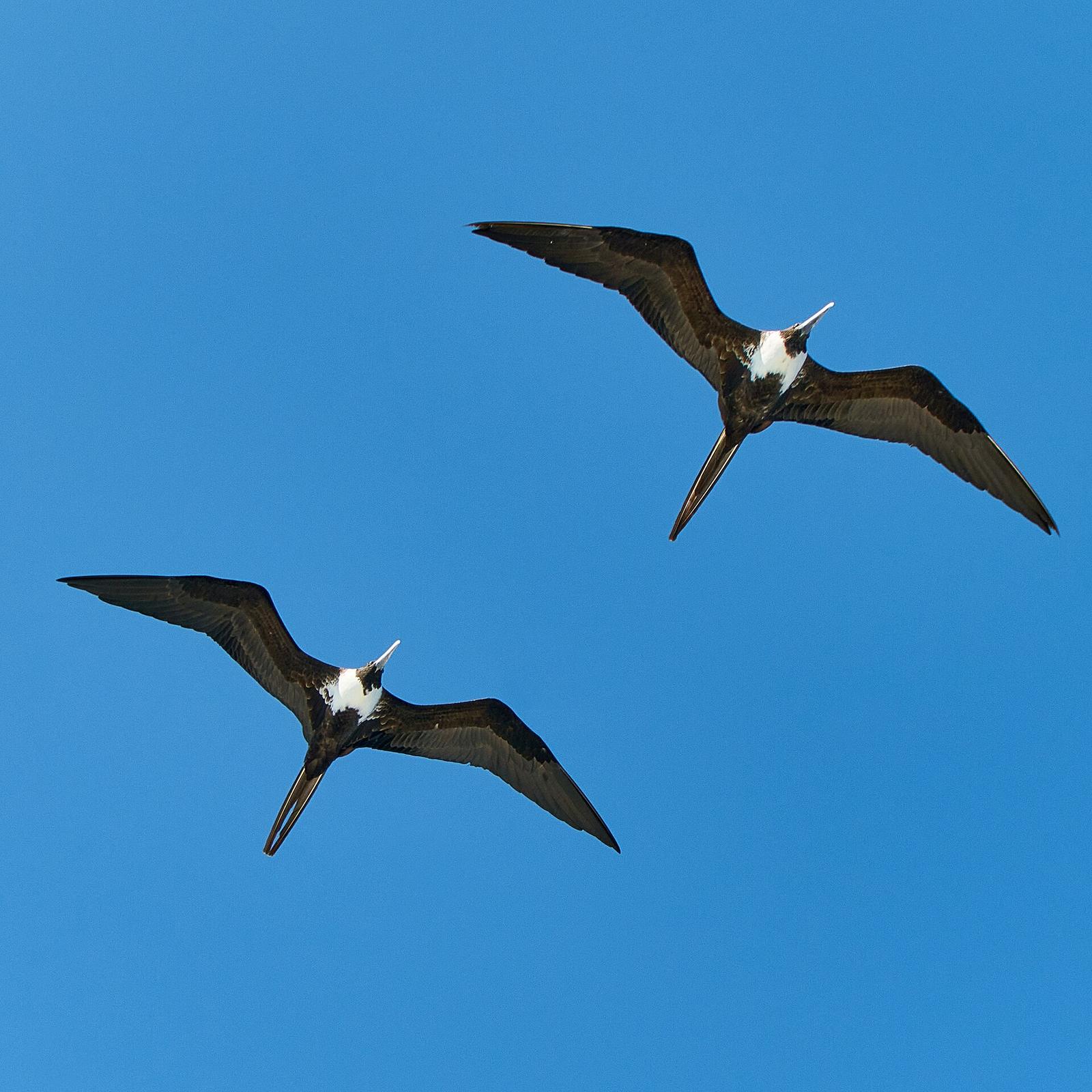
The magnificent frigatebird (Fregata magnificens) is a seabird of the frigatebird family Fregatidae. With a length of 89–114 centimetres (35–45 in) and wingspan of 2.17–2.44 m (7.1–8.0 ft) it is the largest species of frigatebird. It occurs over tropical and subtropical waters off America, between northern Mexico and Ecuador on the Pacific coast and between Florida and southern Brazil along the
Wikipedia - Out of season · Best Jan, Mar–Jun
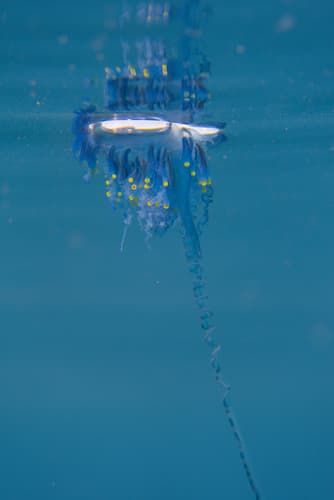
The Portuguese man o' war (Physalia physalis), also known as the man-of-war or bluebottle, is a marine hydrozoan found in the Atlantic Ocean and the Indian Ocean. It was once thought that there was only one species in the genus Physalia, which in turn would make it the only genus in the family Physaliidae. But recently, through whole genome sequencing, researchers discovered that 4 species ex
Wikipedia